Spider plants and cats make the perfect pair for a vibrant home! Discover how to keep your feline safe while enjoying beautiful greenery. Learn more!
Spider plants and cats can share a home, but a curious feline’s interest in this popular houseplant calls for a thoughtful approach that keeps both plant and pet thriving.

Spider plants (Chlorophytum comosum) are widely regarded as safe for cats and dogs, yet their appealing leaves—especially the dangling plantlets—can entice a curious cat to bat, nibble, or pounce. The plant can cause gastrointestinal irritation if eaten in large quantities, and some cats are drawn to a mild, catnip-like effect from certain compounds. Understanding this dynamic helps you design a setup that satisfies your cat’s curiosity while protecting your plant.

| Heading | Information | Tips for Management |
|---|---|---|
| Safety | Non-toxic to cats, but can cause gastrointestinal irritation if eaten in large quantities. | Monitor chewing; limit access if necessary. |
| Attraction | Contains a compound similar to catnip, which may entice cats to play or nibble leaves. | Provide cat-friendly greens and redirect interest with enrichment. |
| Care Needs | Bright, indirect light and moderate watering; well-draining soil. | Elevate or secure plants to keep them out of reach; trim as needed. |
Healthy spider plants are forgiving, which makes them ideal for busy households. Keep both plant and pet happy with these basics:

Keep your spider plant and cat content by combining layout choices, enrichment, and gentle boundaries:
Propagation is one of the easiest joys of spider plants. The plantlets that develop on the mother plant can be rooted in water or soil to grow new plants, offering a quiet enrichment project you can share with a curious cat as you tend the mother plant.
With a little planning, spider plants and cats can share a home without conflict. Recognize that these plants are not poisonous but can cause stomach upset if eaten in large amounts, and design your space to encourage safe, engaging behavior for your cat. If your cat shows persistent interest, prioritize safe plant placement, enrichment options, and monitoring to ensure both plant and pet stay healthy and happy. Have you found a strategy that works for your cat and spider plant setup? Share your experiences or tips in the comments below.
Do you keep your spider plant in a bright spot, or do you prefer a high shelf out of reach? If you’ve used cat grass or other greens to redirect nibbling, tell us what has worked for you. Your insight could help another reader find a solution that fits their home and feline friend.
For readers who want to understand how to keep their indoor plants safe for pets, explore spider plant care products and companion plants that are also non-toxic and pet-friendly. Pairing plants with enrichment toys, scheduled play sessions, and periodic plant care routines can transform plant ownership into a collaborative, enjoyable routine for both you and your cat.
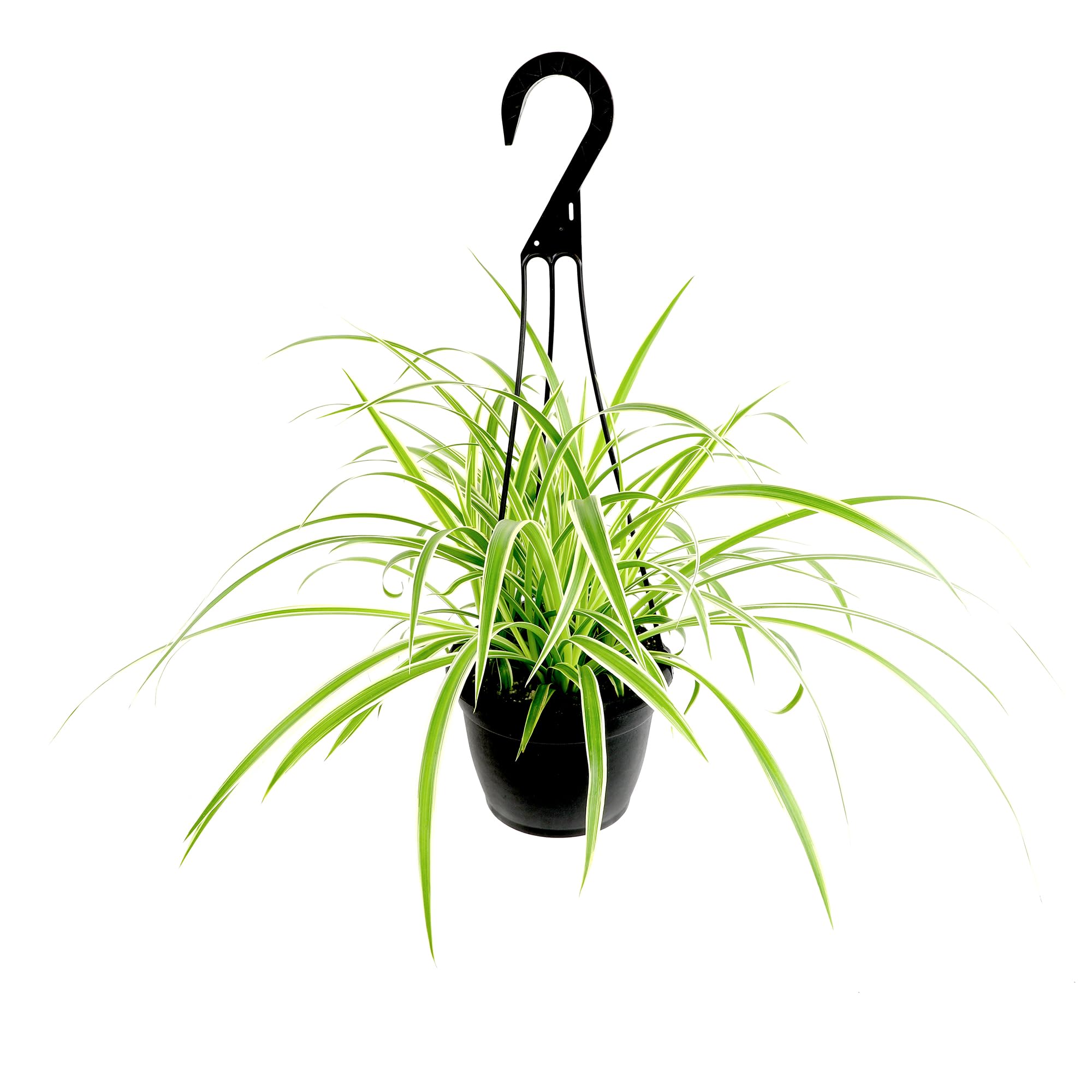
Live Spider Plant in a 6" hanging basket. This pet-friendly houseplant is easy to care for and suitable for homes or offices, with detachable hook for flexible display. Ideal for beginners seeking a low-maintenance greenery option that thrives in bright to moderate light.
Best for: BEST FOR BEGINNERS
Why pick this: The hanging basket and pet-friendly nature make it a forgiving, low-effort option for first-time plant owners and households with pets.
Skip if: You need a non-hanging, strictly low-light plant or a non-pet-friendly option.

Spider Plant in a compact 6-inch pot, designed for easy care and space-conscious setups. This trailing plant helps purify indoor air and is suitable for desks, shelves, or small living areas, while remaining pet-friendly.
Best for: BEST FOR SMALL SPACES
Why pick this: Its compact pot size makes it ideal for desks, shelves, and other tight spaces while offering pet-friendly, easy-care benefits.
Skip if: You need a larger specimen or a non-potted trailing option.
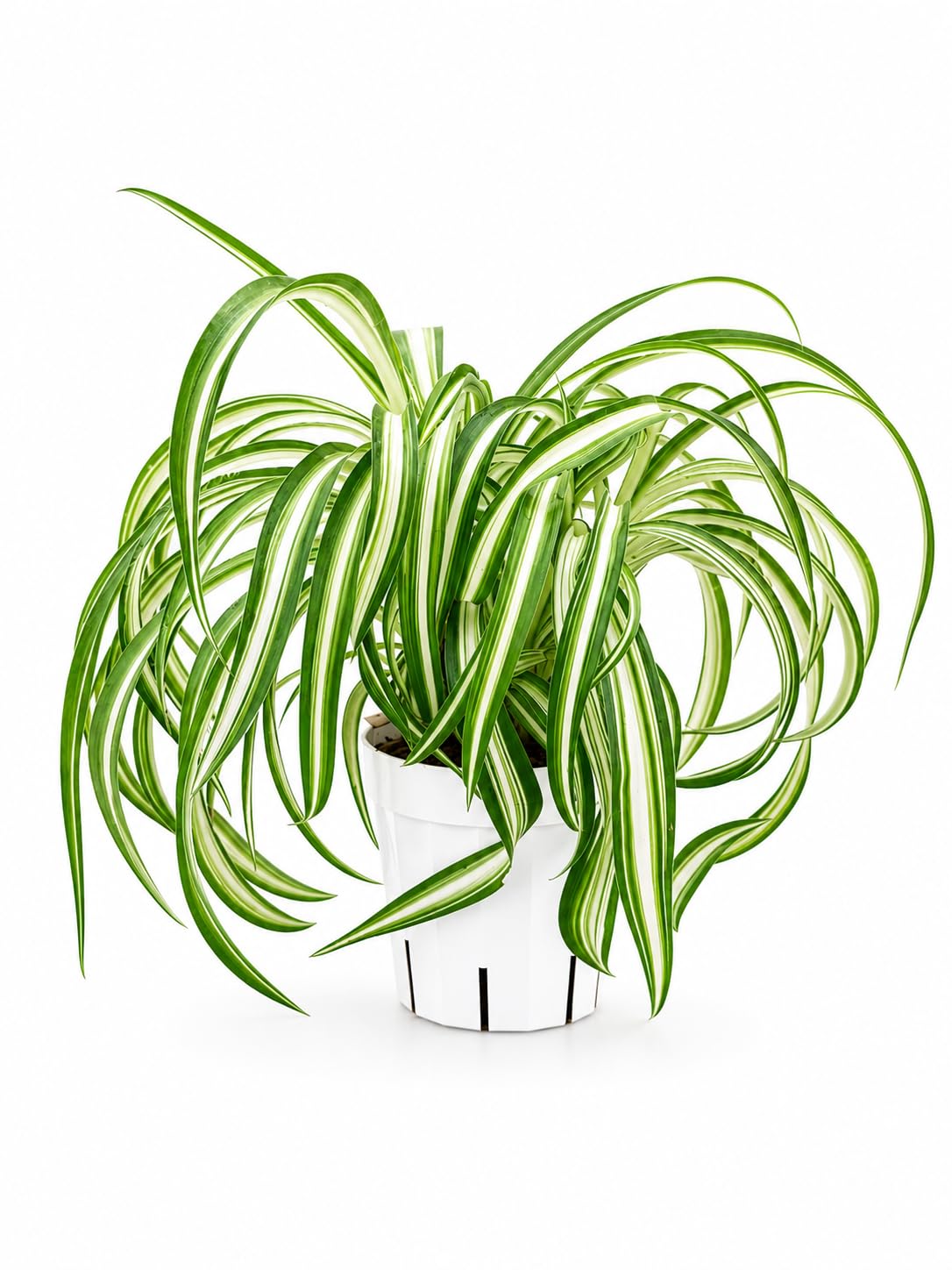
Curly Spider Plant Bonnie offers a variegated, curly-leaf look in a pet-friendly, low-maintenance houseplant. This option suits homes with curious pets and spaces that benefit from a distinctive foliage texture and color while being forgiving to beginners.
Best for: BEST FOR PET-FRIENDLY HOMES
Why pick this: Distinct curly foliage adds visual interest while remaining a suitable option for households with cats and dogs that tolerate indoor greens.
Skip if: You prefer a plain-leaved plant or need a non-curly cultivar.
When it comes to creating a cozy home environment, spider plants are a perfect choice, especially for cat owners. Not only do these greenery gems end up adding a splash of natural beauty to your living space, but they also tend to be safe for our furry companions. Spider plants, with their cascading leaves and air-purifying qualities, can thrive in various conditions, making them a low-maintenance option that even the busiest cat lover can appreciate. So whether your feline friend is a curious explorer or a laid-back lounge cat, you can enjoy your plant without worry.
If you’re as passionate about plants and pets as I am, then let’s keep the conversation going! There’s so much to learn and share about creating a harmonious living space for both you and your pets. I’d love to see how you incorporate spider plants into your home—feel free to share your photos on Instagram at Architecture Adrenaline. Together, let’s celebrate the joys of pet-friendly greenery and inspire one another to create beautiful, vibrant homes!


