Shigeru Ban’s paper buildings are revolutionizing our understanding of architecture by showcasing how humble, recyclable materials can provide innovative solutions to shelter crises. Did you know that Ban's designs have been pivotal in transforming emergency housing following disasters, marrying speed with sustainability? His approach not only addresses immediate needs but also raises profound questions about the future of architectural practices in the face of climate change and humanitarian challenges.
As we delve deeper into Shigeru Ban's work, we will explore the philosophies behind his designs, their architectural significance, and how they continue to influence sustainable practices in communities around the world. Join us on this enlightening journey through the world of paper architecture and its broader implications.
Shigeru Ban’s paper buildings have forever altered the way we think about shelter, sustainability, and design responsiveness in crisis situations—proving that humble, recyclable materials can become powerful architectural tools.
At the core of Shigeru Ban’s work is a preference for materials that are affordable, recyclable, and readily available. Paper tubes, cardboard, and milk crates aren’t just props; they’re integral structural elements that enable rapid assembly, relocation, and humane spaces where they’re needed most. This approach reframes architecture as a responsive act—one that can scale from intimate installations to community-wide relief housing without sacrificing aesthetic clarity or safety.
Ban’s portfolio demonstrates a spectrum from temporary shelters to emotionally resonant community spaces. Notable projects include the Paper House, Paper Dome, Takatori Catholic Church, and the Cardboard Cathedral in Christchurch. Each project pushes a different boundary—structural performance, spatial clarity, symbolic resonance, and social impact—while staying true to a core belief: architecture can be both poetic and practical when made with recyclable materials.
One standout recent chapter is the Paper Log House crafted as part of an exhibition collaboration at The Glass House. Designed by Shigeru Ban and realized by SBA’s New York office with the involvement of 39 architecture students from The Cooper Union, the structure uses 156 paper tubes, 39 milk crates, plywood, and a roof membrane to explore movable, low-cost housing. The installation foregrounds Ban’s lifelong commitment to disaster-relief solutions and sustainable material use, while offering a didactic look at the permanence of materials like paper when engineered with care.

The Paper House represents a formative moment for paper-tube construction. Built on a compact 10 by 10 meter footprint, it employs 110 tubes arranged in an S-shaped grid. The design balances lateral and vertical loads—80 tubes carry lateral forces while 10 bear vertical loads—creating a flexible interior that blurs the boundary between inside and outside when openings and doors are orchestrated with care. This project helped establish paper tubes as a serious architectural material, capable of both expressive form and robust performance.

Shigeru Ban’s humanitarian lens is a throughline across his practice. The Voluntary Architects' Network (VAN) exemplifies how design can respond rapidly to disasters with scalable, prefabricated housing strategies. Paper-tube systems are particularly well-suited to emergency contexts due to their lightweight nature, reorderable components, and potential for local reassembly. VAN collaborations emphasize pro bono work, rapid prototyping, and communities’ dignity in crisis through thoughtful, humane housing solutions.
Early emphasis on speed and low cost gradually evolved toward durability and user comfort. Advances in protective membranes, moisture barriers, and reinforced connections have made paper-tube and cardboard structures more robust without compromising their signature lightness. When paired with appropriate coatings and detailing, these assemblies can function as temporary shelters or, in certain contexts, longer-term spaces that embrace sustainability and adaptability without sacrificing beauty.
| Aspect | Material and Approach | Impact |
|---|---|---|
| Material Concept | Paper tubes, cardboard, milk crates | Recyclable, lightweight, rapidly deployable structures |
| Early Milestones | Paper House, Paper Dome, Paper Church (Kobe) | Tested permanence possibilities and rapid assembly |
| Humanitarian Focus | VAN initiatives and disaster-relief housing | Scalable solutions that prioritize dignity and immediacy |
The Cardboard Cathedral in Christchurch stands as a powerful exemplar of resilience and design discipline. Built in response to a devastating earthquake, it used cardboard tubes and recyclable materials to create a durable, functional house of worship while the city rebuilt. Likewise, the Takatori Church in Kobe demonstrated how sacred spaces can be reimagined with material honesty and rapid deployment, infusing spiritual meaning into a structure crafted from accessible components.

Ban’s design philosophy centers on local availability, recyclability, and the possibility of reuse. Key elements of this ethos include:
Today’s urgency around climate resilience, rapid housing, and sustainable design finds a responsive partner in Shigeru Ban’s paper buildings. In disaster zones, relocatable, affordable housing can transform lives. In urban contexts, the conversation about circular design—reuse, recyclability, and minimal waste—gains momentum through Ban’s example. The ongoing evolution of paper-tube architecture shows that architecture can be compassionate, inventive, and practical without compromising safety or beauty.
Would you consider paper-based systems for your own projects or communities? Have you seen a Ban-inspired structure in your city or school? Share your experiences, questions, or photos in the comments below to keep the conversation alive.


Shigeru Ban: Paper in Architecture is a compact book that surveys Ban’s innovative use of paper as a structural and aesthetic material. It highlights key projects and design reasoning, making it a strong entry point for readers exploring Ban’s material experimentation and socially conscious architecture.
Best for: Best Overall
Why pick this: Concise introduction to Ban’s use of paper as a building material and the conceptual underpinnings of his projects.
Skip if: You’re seeking a broader survey of all his built projects across multiple media or a multi-volume monograph.

Shigeru Ban: Complete Works 1985–Today documents Ban’s career with an extensive collection of projects, sketches, and essays in a large-format edition. This multilingual volume is ideal for researchers, students, and architecture enthusiasts who want a deeper, deluxe look at Ban’s approach to materials and form.
Best for: Best Premium
Why pick this: Detailed, high-quality presentation suitable for specialist readers and collectors seeking authoritative coverage of Ban’s work.
Skip if: You prefer a more compact or less expensive overview rather than a large-format tome.
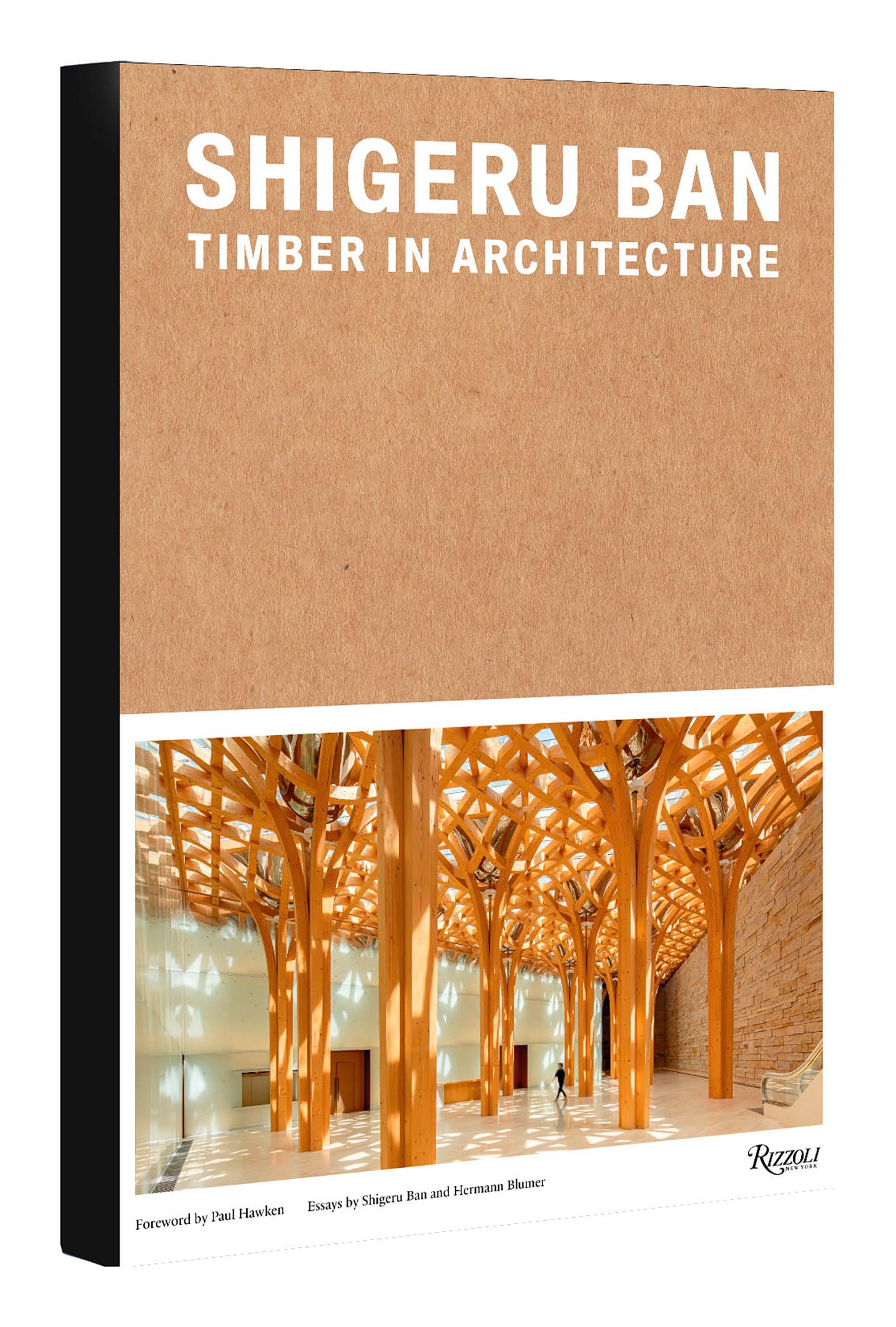
Shigeru Ban: Timber in Architecture explores Ban’s innovative use of timber as a sustainable, expressive material. This title provides accessible insights into timber construction, making it a good entry point for students and practitioners curious about Ban’s structural experimentation and environmental considerations.
Best for: Best for Beginners
Why pick this: Clear, introductory exploration of Ban’s timber design language and material strategies.
Skip if: You need in-depth project-by-project analysis with large-format equipment or a comprehensive monograph.
As we delve into the world of Shigeru Ban's innovative paper buildings, it's clear that he isn’t just constructing structures; he’s crafting an entirely new narrative about architecture. His designs showcase the remarkable potential of materials we often overlook, transforming paper into something not just functional but profoundly inspiring. These buildings challenge our perceptions of durability and beauty, reminding us of architecture's role in humanitarian efforts and environmental sustainability. So, whether it’s through temporary shelters for disaster relief or bold artistic installations, Ban’s work encourages us all to think outside the box—quite literally!
If you’re as fascinated by Shigeru Ban's groundbreaking approach as I am, there's so much more to explore! I invite you to join our community and stay connected with updates on the latest architectural marvels and groundbreaking ideas. You can follow along on our journey and check out our inspiring content on Instagram. Let’s celebrate the extraordinary and keep the conversation going about how we can make the world a better, more beautiful place through innovative design!


