Establishing a rustic farmhouse bedroom requires deliberate choices in space planning, material selection, and styling restraint to create a calm, inviting retreat rooted in tradition without excess. Prioritize bed placement with at least 24 in. clearance on either side to support circulation and bedside functionality. Embrace tactile textiles layered in muted earth tones and natural fibers to soften the space while balancing durable surfaces like reclaimed wood. Lighting should be warm, anchored in easy-to-control bedside sources, and circulatory paths must maintain clear widths of a minimum 36 in. A restrained material palette, favoring matte finishes and aged textures, grounds the look and limits visual noise to support restfulness and a nuanced rustic character.
Below, eight practical ideas focus tightly on bedroom-specific aspects including headboard treatment, bedside clearance, closet dimensions, soft textiles, lighting layers, circulation planning, and wall palettes. Each offers precise spatial metrics, realistic compromises, and nuanced guidance to bookmark for any serious bedroom remodel or weekend styling effort.
Strategic Bed Placement with Practical Circulation
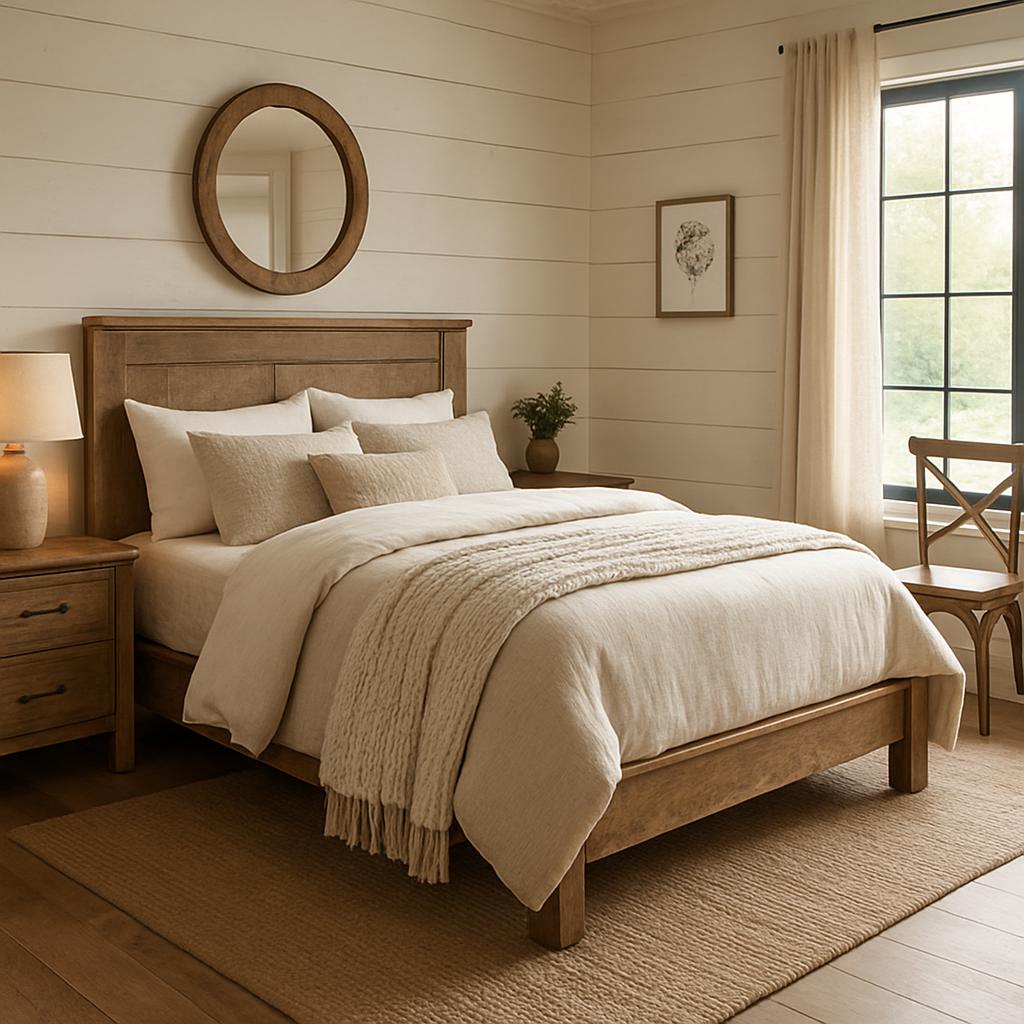
Positioning a bed centrally on the largest wall with at least 24 in. clearance on each side fosters balanced circulation and offers space for bedside tables. Aim for the bed to be 60-76 in. from the foot to the opposite wall, allowing ease of movement without crowding. Choose a natural wood floor or wide plank floorboards that extend under the bed to visually anchor the piece. Be cautious not to impose too aggressively on path width—maintaining a minimum 36 in. walkway around the bed keeps the room from feeling cramped but may limit furniture additions. This precise spatial balance ensures restful flow and a commanding but accessible bedroom focal point.
Integrating Reclaimed Wood Headboards for Texture and Scale

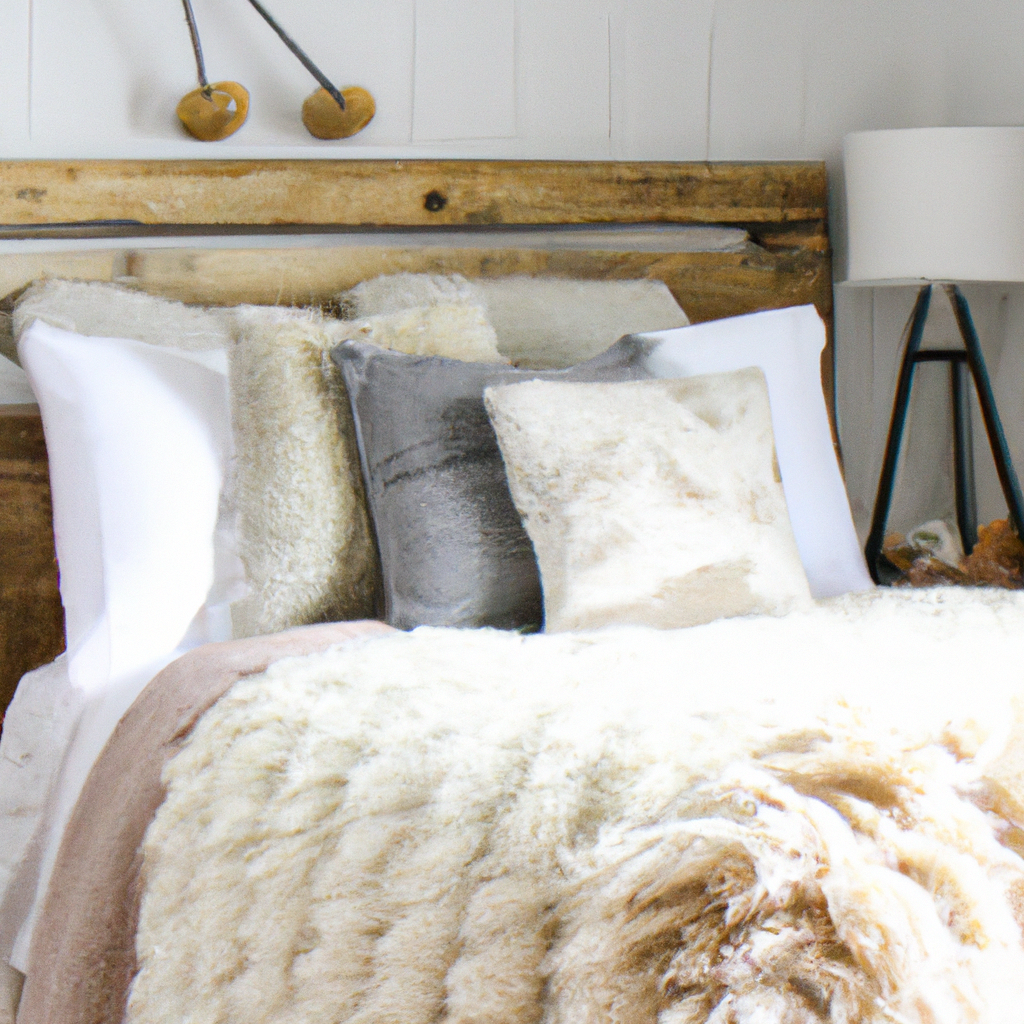
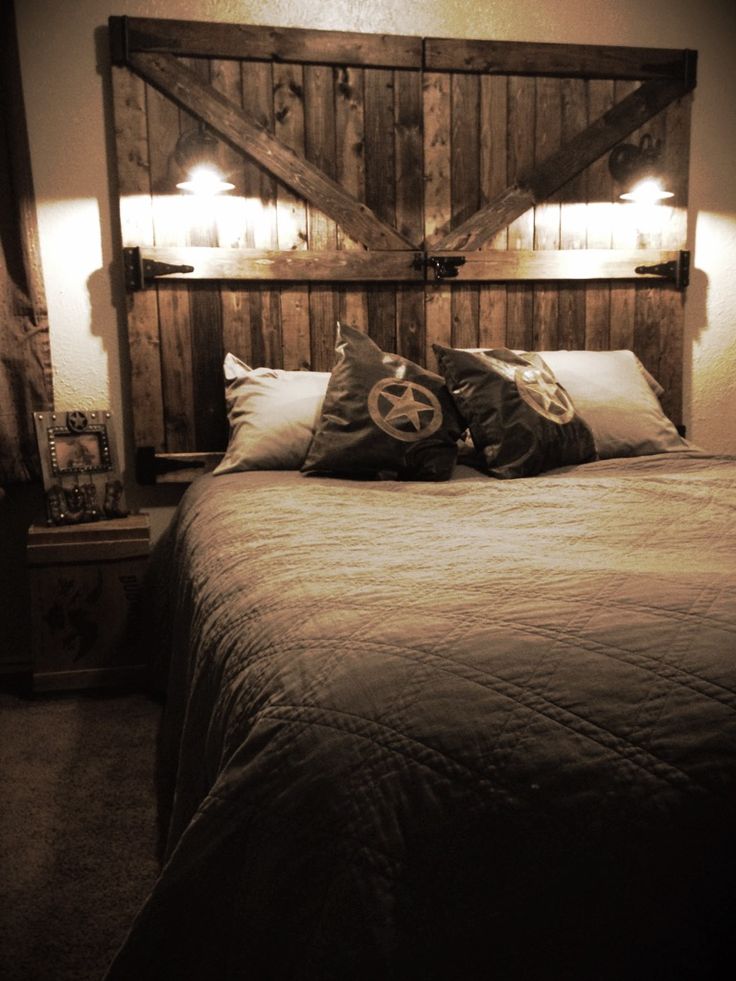
Incorporate reclaimed wood headboards with boards around 1.5 in. thick and varied widths between 4-6 in. to introduce rustic texture and authentic patina. Opt for finishes in soft matte, unfinished or gently oiled to highlight grain without glossiness, reinforcing farmhouse lineage. Keep headboard heights between 42-54 in. for appropriate scale relative to a standard 54-60 in. wide bed frame. A tradeoff is potential roughness—these natural textures require periodic dusting and gentle sealing to prevent splinters and dust. The richness of tactile, weathered wood paired with simple silhouettes grounds the space visually and texturally while supporting modest maintenance demands.
Optimizing Storage Dimensions and Closet Planning
Plan bedroom storage zones with a built-in closet depth of 24 in. minimum to accommodate hanging clothes comfortably without overcrowding. Ensure closet width is no less than 6 ft. to provide both hanging and shelving storage. Integrate cabinetry doors with exposed wood grain or glass inserts to maintain farmhouse transparency. Keep dresser or chest pieces concise with widths under 48 in. to avoid congestion. The compromise often lies in spatial tradeoffs—oversized storage encroaches on floor circulation. Prioritizing essential storage dimensioning prevents the common pitfall of over-filling rooms, helping sustain openness while meeting pragmatic organization needs.
Balancing Bedside Clearance for Comfort and Function
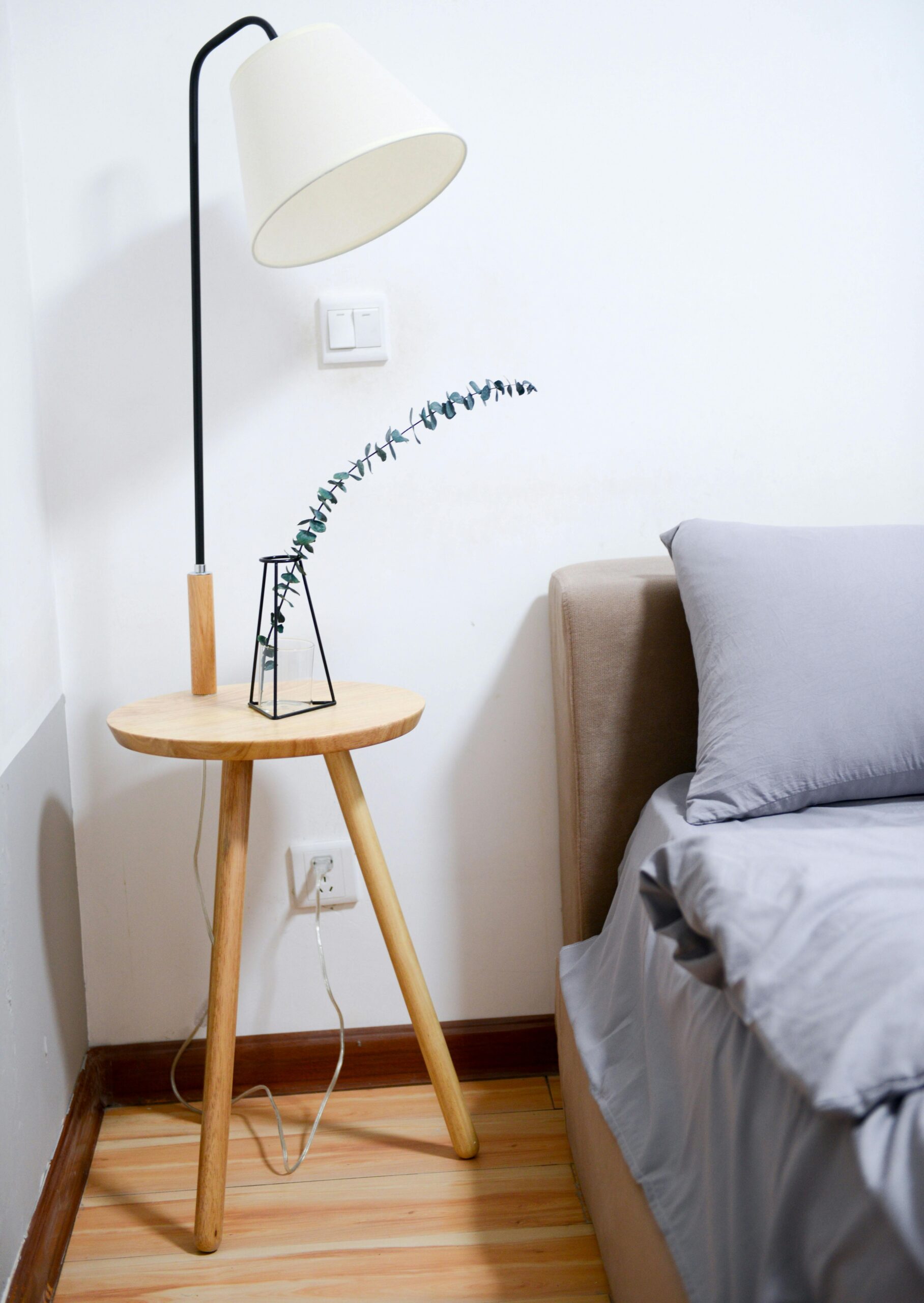
Maintain bedside clearance of at least 24 in. to allow for nightstand and lamp placement without constricting walking space or access to outlets. Nightstands sized around 18-20 in. wide by 16-18 in. deep fit well without overpowering the bed visually. Choosing tables in natural hardwood or distressed finishes complements farmhouse character. Beware narrow clearances under 18 in. can make nightstand use awkward and cramping, while overly wide ones risk cluttering the room. This dimension balance highlights the necessity of considering both human factors and aesthetics in rustic bedroom configurations.
Layering Farmhouse Textiles for Warmth and Tactility

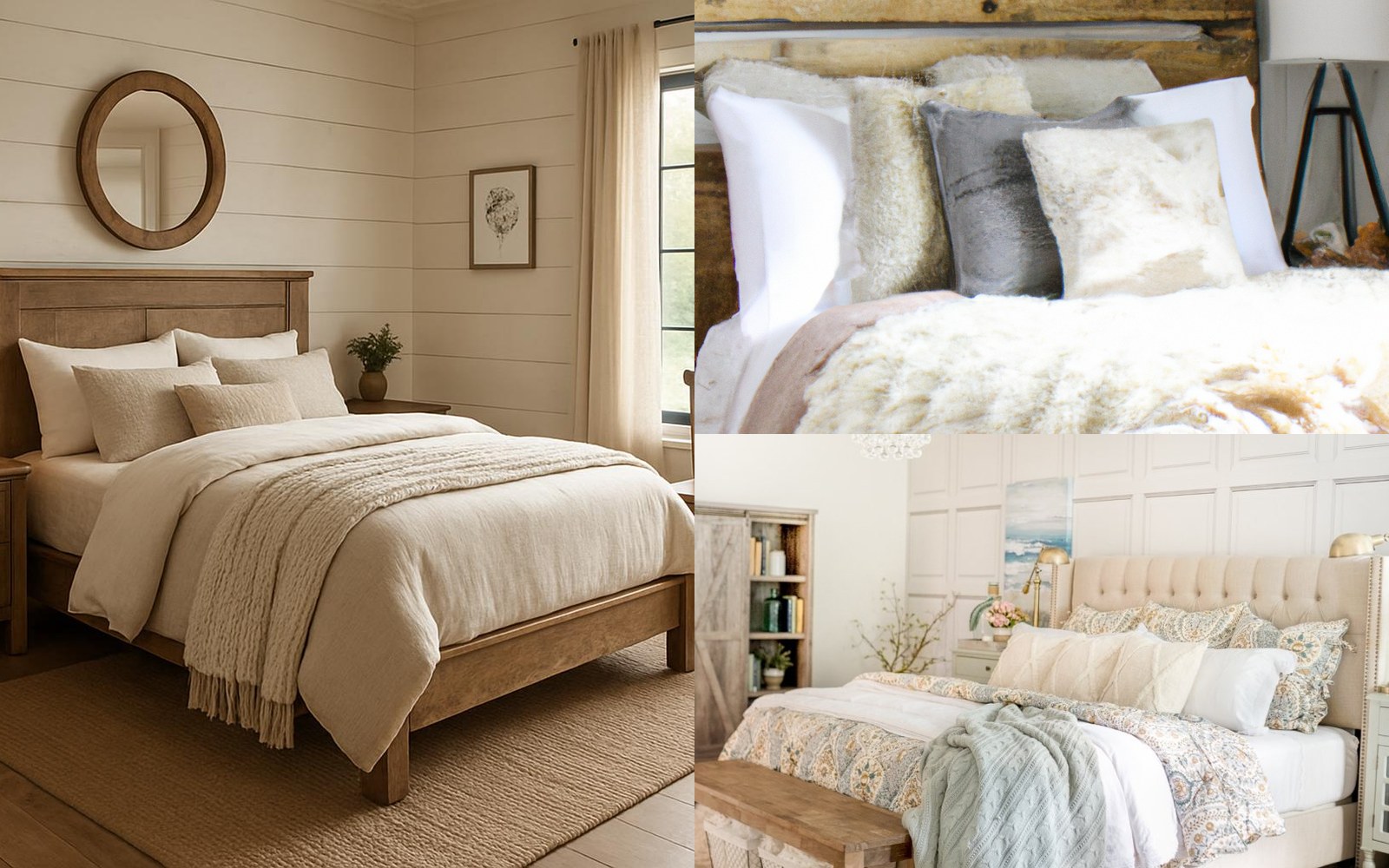
Layering farmhouse textiles should focus on natural fibers such as cotton, linen, and wool with neutral or muted earth tone palettes—consider warm creams, soft browns, and sage greens. Aim for three textile layers: a light base sheet, a mid-weight woven coverlet (around 6-8 oz. per sq. yd.), and a chunky knit throw for texture. Incorporate small leather or jute accents in pillows or rugs for tactility and durability. Heavy layering can bring coziness but risks overheating or clutter visually, so limit the weighted blankets to 12-14 lbs. maximum. This interplay between materiality and restraint underscores textile influence on ambiance and practical comfort.
Thoughtful Lighting Placement to Enhance Ambiance
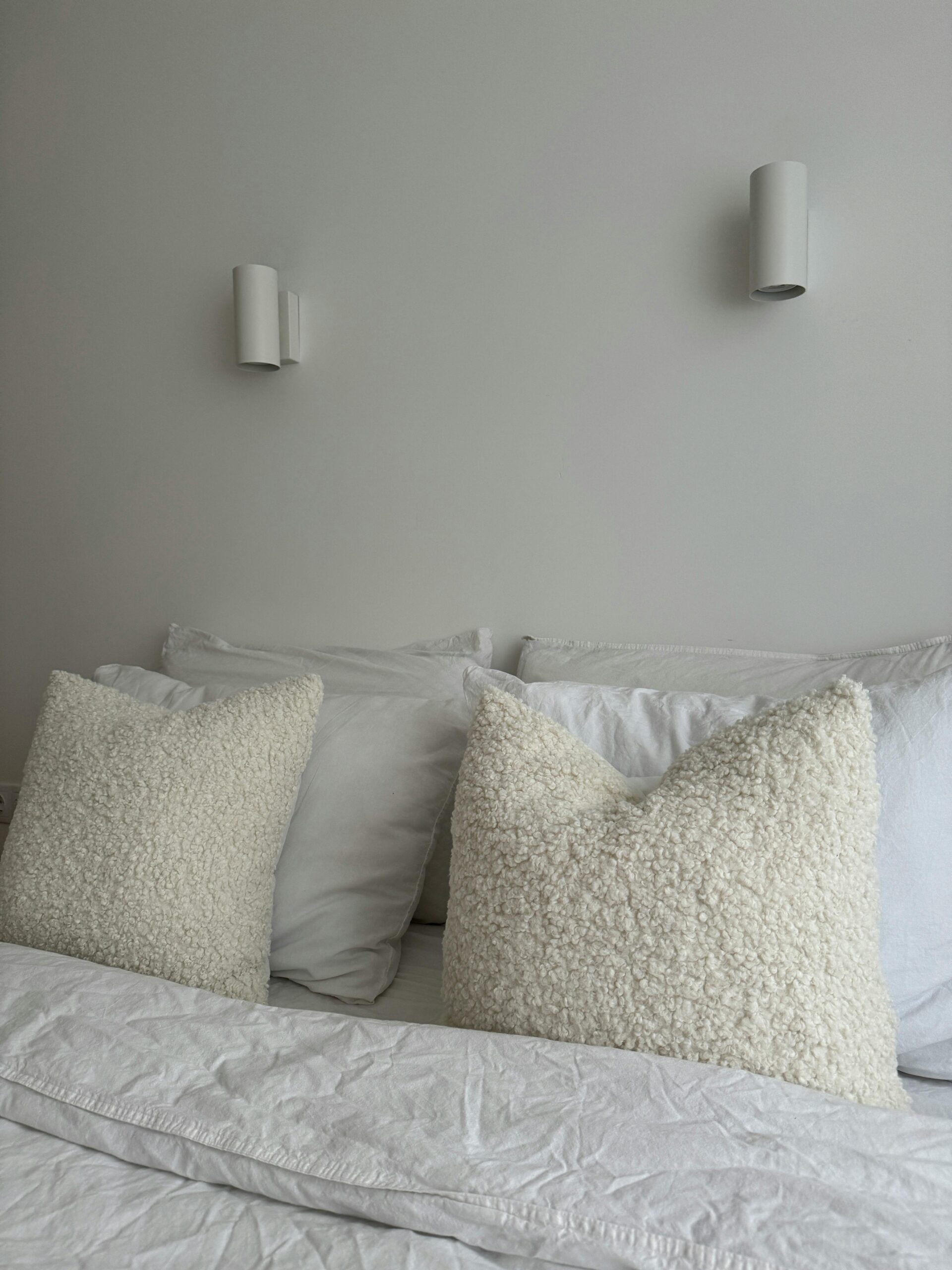
Place bedside lighting at 12-14 in. above nightstand height to provide effective task illumination without glare. A combination of wall sconces with dimmable bulbs rated 2700–3000 K merged with low-profile bedside lamps supports layering and manual control. Select fixtures with matte black, antique bronze, or aged brass finishes to suit rustic farmhouse styling cues. Note that hardwired sconces require upfront wiring considerations; opting for plug-in lamps simplifies installation but may limit placement precision. This layered lighting strategy reinforces mood versatility and reinforces functional style when carefully dimensioned and finished.
Circulation Routes That Respect Rustic Proportions

Maintain circulation aisles minimum 36 in. wide around key bedroom elements such as the bed, closet doors, and dressers to support passage and furniture manipulation. Use rustic-style wide plank flooring and neutral rag rugs (no thicker than 0.5 in.) to soften pathways without creating tripping hazards. Narrow corridors under 30 in. can feel cramped and reduce furniture flexibility. This spatial discipline clarifies circulation zones for both occupants and visitors, embedding calm rhythm into rustic layouts through deliberate path planning and appropriate material choices.
Calm Material Restraint through Muted Wall and Floor Palettes

Opt for calm, muted wall colors like weathered cream, soft greige, or pale taupe paired with warm wood or matte stone floors to temper visual noise. Limit wall textures to flat matte paint or subtly rough plaster finishes with sheen below 10% gloss for an understated tactile background. Avoid highly saturated colours or glossy surfaces which can overwhelm rustic character and fatigue the eye. Tradeoffs include the necessary regular touch-ups to keep light tones pristine in active households. This material restraint fosters a layered but serene backdrop that embraces farmhouse authenticity without visual clutter.
Related Architecture Adrenaline Reads
FAQs on Rustic Farmhouse Bedroom Design
- What is the ideal clearance around a bed in a rustic farmhouse bedroom?
- Maintain at least 24 inches of clearance on each side of the bed for comfortable access and bedside furniture placement.
- How deep should farmhouse bedroom closets be for practical use?
- A minimum depth of 24 inches is recommended to allow clothes to hang freely without crowding.
- What lighting temperature suits rustic farmhouse bedrooms best?
- Warm light between 2700 K to 3000 K enhances the cozy and natural feel typical of farmhouse bedrooms.
Designing a rustic farmhouse bedroom that balances vintage character, functional flow, and visual calm takes intentional choices in spatial planning and material restraint. From situating the bed with adequate clearance to layering subdued textiles and choosing lighting with warm, adjustable quality, each element contributes to a coherent restful environment. Prioritize natural materials like reclaimed wood and matte finishes, accommodate practical storage within scaled dimensions, and maintain clear circulation paths exceeding 36 inches wide to ensure comfort and utility. The careful tradeoffs—such as maintenance needs of natural wood and the spatial impact of oversized storage—reflect the seasoned design hand crucial for lasting rustic farmhouse bedrooms that feel lived-in but thoughtfully curated.
For more room-by-room ideas, browse Architecture Adrenaline’s latest design guides and save your favorite looks for your next project.
Further Inspiration Sources
Design Deep Dives & Resources
Use these references to go deeper on layouts, materials, lighting, safety, and maintenance decisions that matter for this style.
Research-Backed Planning Notes
- Plan clearances before finishes: Interior design work is strongest when circulation, door swings, storage depth, and fixture access are resolved before color or styling. Use this as a reason to verify dimensions and maintenance access before copying any visual concept. Source: NKBA
- Lighting quality depends on layers: Ambient, task, and accent lighting solve different problems, and glare control matters as much as fixture style. Use dimming, warm color temperature, and task placement as design constraints, not afterthoughts. Source: IES
On Architecture Adrenaline
- Rustic Bedroom Design Ideas Natural Inspiration: Read the full guide
- Rustic Bedroom Interior Design Inspiration: Read the full guide
- Rustic Bedroom Collage First Design Ideas: Read the full guide
- Rustic Bedroom Design Ideas Ai Wp Media: Read the full guide
Authoritative Planning References
- American Society of Interior Designers - Professional interior design reference for wellness, sustainability, material choices, and practice context.
- IIDA resources - Interior design practice resources that help ground planning, materials, and workplace/residential design decisions.
- National Kitchen & Bath Association - Kitchen and bath planning reference for fixture clearances, remodel planning, and professional standards.
External Inspiration
Editor-Selected Amazon Finds
Use these shopping starting points to compare dimensions, damp-location ratings, mounting hardware, and review photos before buying.
Task lighting
Start with lighting because it changes how every finish reads.
Storage organizers
Keeps the space functional instead of just photogenic.
Wall-mounted shelves
Adds useful vertical storage without crowding the floor.
Slim side tables
A compact landing surface helps the room work day to day.
Material sample kits
Compare finish color and texture in the actual room light before committing.
Design Inspiration Concepts
These concept images were generated to help visualize the ideas in this guide.