Rug under couch rules define your space! Learn how to elevate your room's style and comfort. Discover how to create a cozy, inviting seating area today!
The idea of rug under couch rules can transform a living room from a collection of furniture into a cohesive, inviting space. By paying attention to rug size, placement, and the way your furniture sits on or around it, you create anchors for traffic flow, color, and texture that tie the room together.
A well-chosen rug helps define zones, especially in open-plan living areas. Start by measuring the footprint of your sofa and any nearby chairs you want to anchor. For most standard living rooms, an 8x10-foot rug works well under a full sofa setup, while larger seating groups might benefit from a 9x12-foot rug. If you have a compact room, a smaller front-leg-on-rug arrangement (often called a 2/3 rug approach) can still create a sense of cohesion without overwhelming the space.


The goal is balance and ease of movement. Here are practical strategies to put rug under couch rules into action:

The surface you walk on matters as much as the layout itself. Different materials behave differently in living rooms:
If you’re unsure, a low-pile wool blend or a durable synthetic rug often offers a reliable balance of comfort and practicality.

A rug pad improves safety and longevity. Pads provide:
Choose a pad that matches rug size and flooring type (slip-resistant, non-staining materials for wood floors, for example). For example, using Sofa rug gripper pads can help you illustrate how a rug under a couch can be kept in place and reduce slipping, adding a practical component to your room setup.
To keep rug under couch rules working well over time:
Choosing and placing a rug under a couch is less about rigid rules and more about creating a grounded, inviting space that invites people to sit and linger. Start with the room’s traffic patterns and furniture scale, then select a rug that supports the flow, color harmony, and tactile feel you want in the space. If you’d like, tell me about your room size, furniture layout, and preferred rug style, and I’ll help tailor a setup plan that fits your home perfectly.

Beyond choosing size, let the room’s flow dictate how the rug interacts with furniture. For open layouts, a larger rug that encompasses the seating group often reads as a single, cohesive zone. In cozy nooks or tight spaces, a front-legs-on-rug approach can still anchor the seating while keeping pathways clear. Layering rugs can introduce warmth and texture, as long as the layers remain safe and visually harmonious. Color and pattern should support the overall palette—bold patterns can become a focal point, while quiet neutrals create calm and extend perceived space.
| Aspect | Recommendation | Why it matters |
|---|---|---|
| Rug size for a sofa group | Choose a rug that extends beyond the sofa and surrounding chairs on all sides, or at least under the front legs if space is tight. | Creates a unified seating area and defines the conversation space. |
| All legs on the rug | Place all the couch legs on the rug when possible; if not, front legs should sit on the rug with a clear edge behind them. | Grounds the furniture and reduces sliding while anchoring the arrangement. |
| Traffic and layout | Ensure a clear path around the rug and furniture, maintaining at least 18–24 inches of rug visible beyond the furniture cluster. | Improves flow and prevents crowded looks or tripping hazards. |
Whether you’re new to rug shopping or a seasoned decorator, remember that finding the right rug is all about personal taste and functional harmony. Start by considering the flow of your room and how you envision the space feeling. If you're looking for personalized advice, share your room size, furniture layout, and preferred rug style. I’ll tailor options that fit your space and lifestyle, from color and texture to pile height and maintenance needs.
Have you tried the front-legs-on-rug approach in a small room, or layered rugs for a cozy, layered look? I’d love to hear about your space and how you’ve used a rug to anchor your living area. Share your experiences in the comments, or tell me your room measurements and preferred rug vibe, and we’ll sketch out a plan together.
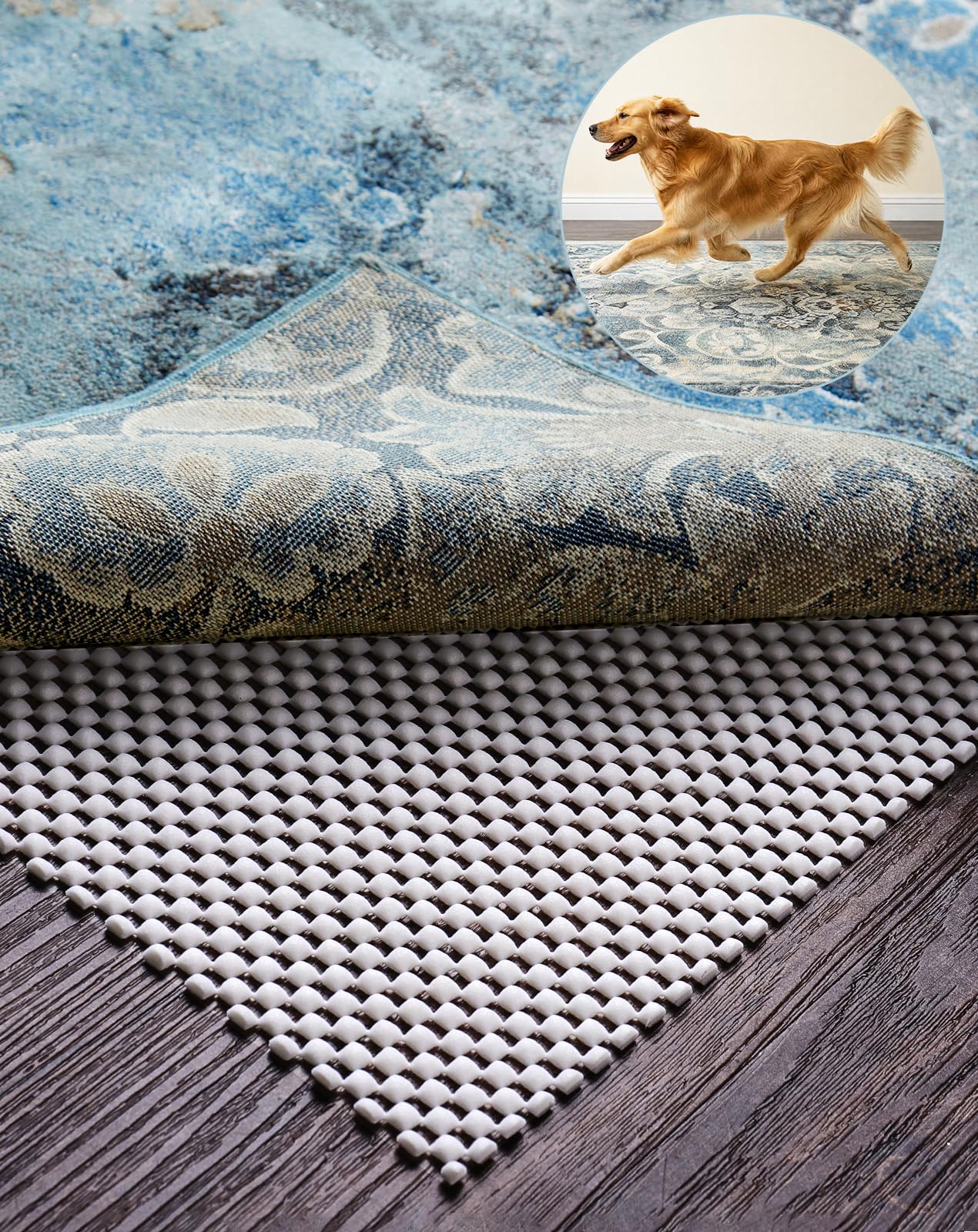
Veken Rug Gripper Pad is a thick, non-slip rug pad designed to keep area rugs in place on hardwood, tile, and other floor types. The pad helps reduce slipping and bunching under area rugs, making it a practical choice for living rooms and entryways where rugs under couches are common.
Best for: Best Overall
Why pick this: It’s a sturdy, widely compatible rug pad that helps keep rugs in place under couches on multiple floor surfaces.
Skip if: You need a rug pad in a size or thickness not listed for this model; verify fit for your exact rug dimensions.

Jorvila Non-Slip Rug Pad Gripper provides a thick, cushioned base to prevent rug movement and protect hardwood floors. Its 8x10 ft size makes it suitable for larger living room rugs placed under sofas, delivering a budget-friendly option that helps keep rugs flat and in place.
Best for: Best Budget
Why pick this: A cost-conscious option that still delivers non-slip performance for larger rug setups under couches.
Skip if: You need a rug pad in a non-standard size or require a thinner pad for space-constrained areas.

Home Carpet Non-Shedding Rug Pad is a thick, durable rug pad engineered to minimize rug movement and prevent shedding on busy living spaces. Its generous 60 x 82 inch footprint supports large area rugs commonly placed under couches, making it a premium choice for stability and floor protection.
Best for: Best Premium
Why pick this: Premium-grade rug pad designed for large-area coverage under couches with enhanced anti-slip performance.
Skip if: You need a smaller rug pad or a budget-oriented option.
When it comes to the age-old question of whether to place a rug under your couch, the answer often depends on your space and personal style. It’s important to consider the scale of your room and the style of your furniture. A well-placed rug can define your seating area and add warmth to the space, while ensuring that your couch isn’t floating away in the vast sea of your living room. Remember, the main rule to keep in mind is that at least the front legs of your couch should rest on the rug, creating that cohesive feel we all love. It ensures comfort and functionality, making your seating area inviting.
As you navigate the world of interior design, remember that these rug under couch rules are just starting points to inspire your creativity. Don’t be afraid to experiment and find what truly reflects your personal aesthetic! If you're seeking more ideas or staying updated with the latest trends, I'd love for you to join us over on Instagram at Architecture Adrenaline. Let’s continue this journey together and infuse your space with personality and style that feels just right for you!


