
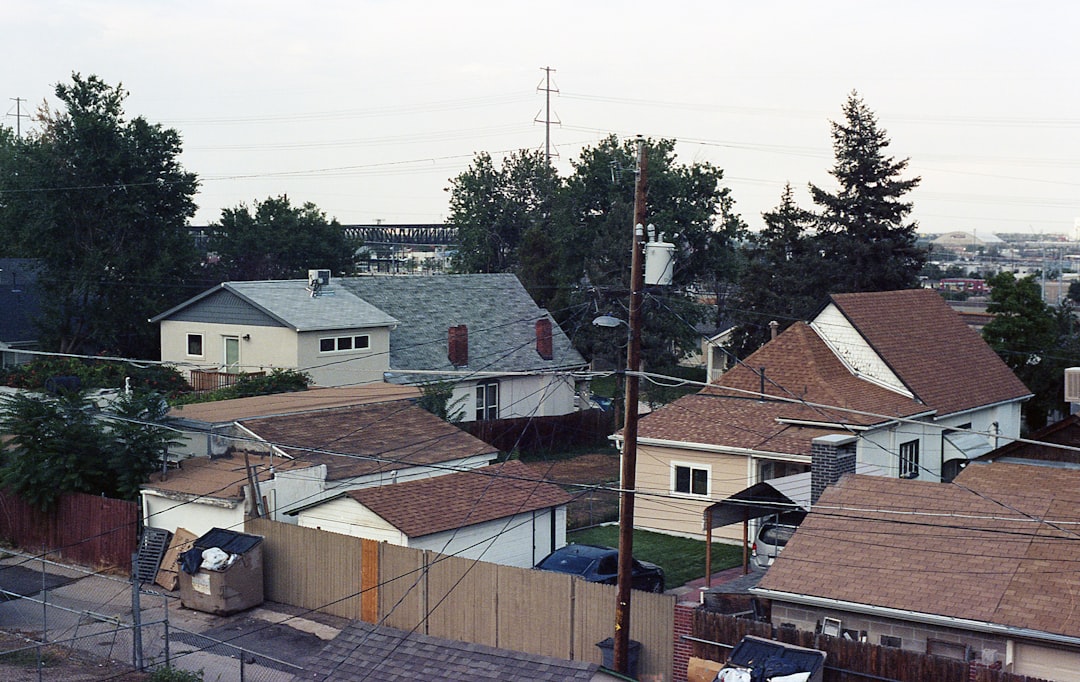
Roof replacement costs in Denver typically range from $7,000 to $30,000 depending on roof size, materials, and complexity. Asphalt shingles are the most affordable, while metal or tile roofs drive prices higher. Permits, local climate factors, and labor rates also influence costs.
Homeowners and property owners in Denver often seek clear, trustworthy guidance on roof replacement cost to ensure informed decisions. Roofs protect your home from harsh Colorado weather and maintaining or replacing them is a crucial investment. Costs vary widely based on factors like roof size, materials chosen, labor, and additional repairs. Alongside understanding price ranges, knowing how to vet and select local contractors helps avoid costly mistakes or subpar workmanship. This guide offers practical, local insights into roof replacement costs in Denver, highlighting key variables, permit requirements, project timelines, and contractor hiring criteria to help you navigate your roofing project with confidence and clarity.
Cost Snapshot for Roof Replacement in Denver
The following table provides estimated price ranges for roof replacement costs in Denver categorized by roof size and typical material choices. Actual costs vary based on condition, contractor, and complexity.
| Roof Size (Sq Ft) | Asphalt Shingles Cost Range | Metal Roofing Cost Range | Tile Roofing Cost Range |
|---|---|---|---|
| 1,000 - 1,500 | $5,000 - $8,000 | $10,000 - $15,000 | $12,000 - $18,000 |
| 1,500 - 2,500 | $7,000 - $12,000 | $15,000 - $22,000 | $18,000 - $28,000 |
| 2,500 - 3,500 | $10,000 - $16,000 | $20,000 - $28,000 | $25,000 - $35,000 |
These estimates include removal of old roofing material, disposal, new material installation, and standard labor. Additional expenses may arise for structural repairs, permit fees, or specialized installations.
Key Factors Influencing Roof Replacement Cost in Denver
In Denver, several critical factors impact the total cost of roof replacement projects. The first major consideration is the roof size. Larger roofs require more materials and labor, naturally increasing cost. Next, the material selection is pivotal: asphalt shingles are typically the most cost-effective, offering durability and local availability, while metal or tile roofs command a premium due to longevity and aesthetics.
Labor costs in Denver can fluctuate seasonally depending on demand and weather. Skilled installers familiar with Denver's climate and roofing standards may come at a slightly higher rate but contribute to better workmanship and warranty adherence. The complexity of the roof design—including pitch, number of angles, chimneys, skylights, and ventilation—also adds to labor and safety requirements, increasing costs.
Additionally, Denver's weather considerations influence material choices and installation timelines; contractors factor in potential snow loads and wind resistance in their pricing. Permitting and inspection fees mandated by the city must be included in budget considerations. Unexpected repairs to decking or structural components discovered during replacement also raise costs, emphasizing the need for thorough initial inspections.
How to Select the Right Local Roofing Contractor in Denver
Choosing a reputable and experienced roofing contractor ensures your roof replacement is handled correctly and within budget. Consider this practical checklist when hiring in Denver:
- Verify Licensing and Insurance: Confirm the contractor holds valid Colorado roofing licenses and carries liability and workers’ compensation insurance.
- Check Local References and Reviews: Ask for references of recent projects in Denver; verify online reviews specifically mentioning local neighborhood experience.
- Request Detailed Written Estimates: Obtain multiple bids that clearly break down costs for materials, labor, permits, and potential extras to compare fairly.
- Confirm Warranty Terms: Ensure the contractor provides workmanship warranties and understands manufacturers’ material guarantees common in Denver’s market.
- Assess Communication and Professionalism: Choose a contractor who responds promptly, explains options, and specializes in the roofing types popular in Denver’s climatic conditions.
- Review Safety Practices: Confirm adherence to OSHA standards to avoid onsite accidents or liability issues.
- Understand Payment Schedules: Avoid contractors demanding full payment upfront; structured installments tied to project milestones are safer.
Following these steps helps minimize risks and identifies contractors capable of delivering high-quality roofing replacements tailored to Denver’s unique conditions and codes.
Typical Timeline for Roof Replacement Projects in Denver
The duration of a roof replacement in Denver depends on multiple factors including roof size, material choice, weather, and contractor availability. On average, expect 3 to 7 days for a straightforward asphalt shingle roof replacement on a typical single-family home. Larger or more complex roofs, metal or tile installations, and projects involving structural repairs may add several days to the schedule.
Preparation begins with an initial inspection and written estimate, often completed within a week of inquiry. Once a contractor is selected, obtaining permits from Denver’s building department usually takes 2 to 5 business days. Material ordering and delivery, especially for specialty roofing types, can stretch timelines if not coordinated carefully.
Workdays may be influenced by Denver’s weather patterns — snow, rain, or high winds can delay installation. Contractors tend to schedule exterior roofing work during spring through early fall when weather is most predictable. Clear communication with your contractor on their scheduling approach ensures alignment with your availability and weather expectations.
After roofing installation, expect an inspection from Denver city inspectors to certify compliance. Final cleanup and punch list items typically conclude the project within a day or two following installation completion.
Permits and Regulations for Roof Replacement in Denver
In Denver, a building permit is generally required for any roof replacement project to ensure compliance with local building codes and safety standards. The City of Denver mandates permits to verify that roofing materials meet fire resistance and wind uplift requirements tailored to Colorado’s climate and urban environment.
Applicants submit permit requests online through the Denver e-permitting system or at the building department office. Standard documentation includes a detailed scope of work, roofing manufacturer specifications, and contractor licensing information. Permit fees vary based on project size and scope but typically range from $100 to $400 for residential roof replacements.
Inspections are required before and after the replacement to confirm proper removal of old roofing, installation quality, flashing integrity, ventilation, and drainage. Failure to obtain a permit can lead to fines, invalidated warranties, and potential challenges when selling your property later.
Working with a local roofing contractor experienced in Denver permits streamlines the process, ensuring all paperwork is correctly filed and inspections scheduled timely. Early permit application can prevent project delays and provide peace of mind that your roof replacement adheres to city regulations.
How much does a typical roof replacement cost in Denver?
Roof replacement costs vary widely but generally range between $7,000 and $30,000 depending on roof size, materials, and scope of work.
Do I need a permit for roof replacement in Denver?
Yes, Denver requires a building permit for roof replacement to ensure code compliance and proper inspections.
What materials are most common and affordable for Denver roofs?
Asphalt shingles are the most common and cost-effective roofing material in Denver, balancing durability and price.
How can I vet contractors to ensure quality work locally?
Verify licensing, insurance, local references, obtain multiple detailed estimates, and confirm warranties to select reputable Denver roofing contractors.
Understanding roof replacement cost in Denver involves more than just pricing; it requires consideration of local materials, labor, permits, and contractor reliability. Homeowners are encouraged to gather multiple estimates, scrutinize contractor credentials, and factor in Denver’s unique weather influences to protect their investment. By following practical hiring steps and staying informed about cost drivers and project timelines, property owners will navigate their roofing projects smoothly and confidently, achieving durable roof replacements tailored to the Denver environment.
🏫 Authoritative Resources
Related Video Resources
Related Calculators & Tools
Use these Architecture Adrenaline tools for faster planning:
Homeowner Decision Checklist
- Compare at least three written quotes with matching scope.
- Verify license, insurance, and local permit requirements.
- Get timeline milestones and payment terms in writing.
- Document materials, brand/model, and warranty terms.
