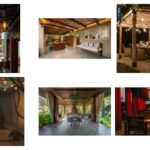
Privacy screens are a critical structural and aesthetic component of contemporary patios, offering shelter from prying eyes and environmental elements while defining intimate gathering zones. This collection distills eight distinct patio privacy screen strategies that navigate materiality, scale, and subtle styling approaches. From wooden fences enhanced with lush foliage to minimal framing that harmonizes with outdoor textures, consider the nuanced decisions behind dimension, finish, and placement. Each example presents a pragmatic lens on tradeoffs, forewarning on maintenance or spatial constraints, ensuring that readers prepare for realistic application rather than optimistic assumptions.
Horizontal Slat Fencing with Integrated Greenery
A vertical shot of a green wooden fence topped with lush foliage.
The image featuring a horizontal slat wood fence paired with dense climbing plants underscores a winning privacy combination that softens rigid lines. When installing, ensure fence slats maintain narrow spacing—around 1.5 to 2 inches—to allow air circulation while still obscuring sightlines. Opt for durable cedar with a natural oil finish resistant to decay to keep maintenance manageable over years. However, remember that integrated greenery requires seasonal pruning to avoid vine overgrowth which can accelerate wood deterioration if unchecked.
Framing a Cozy Seating Nook with Natural Wood
a chair and a table on a wooden deck
In the photo capturing a natural wood deck centered around a simple chair and table setup, the framing creates an intimate scale well suited for small patios. Using untreated cedar or redwood for framing can impart warmth and matures gracefully under sunlight, but sealing is essential to prevent early weathering. Strategically position the framing downwind from neighbors' sightlines to maximize privacy—take site sun path into account to avoid casting unwanted shadows. A tradeoff is that natural wood fences may need re-staining every few years to preserve color and resistance to moisture.
Potted Plants as a Flexible Screening Layer
a potted plant sitting on top of a wooden deck
The example showing a single potted evergreen on a wooden deck illustrates how flexible container screening can aid privacy without permanent alterations. For a practical setup, choose tall planters with sturdy bases and drought-tolerant species to reduce watering frequency. Pair terracotta or matte black pots with wood decking to introduce contrasting yet complementary textures. Be cautious, though: potted plants provide seasonal coverage and may thin during winter months—combine with fixed structures if year-round privacy is needed.
Open Deck Designs Balanced with Vertical Privacy
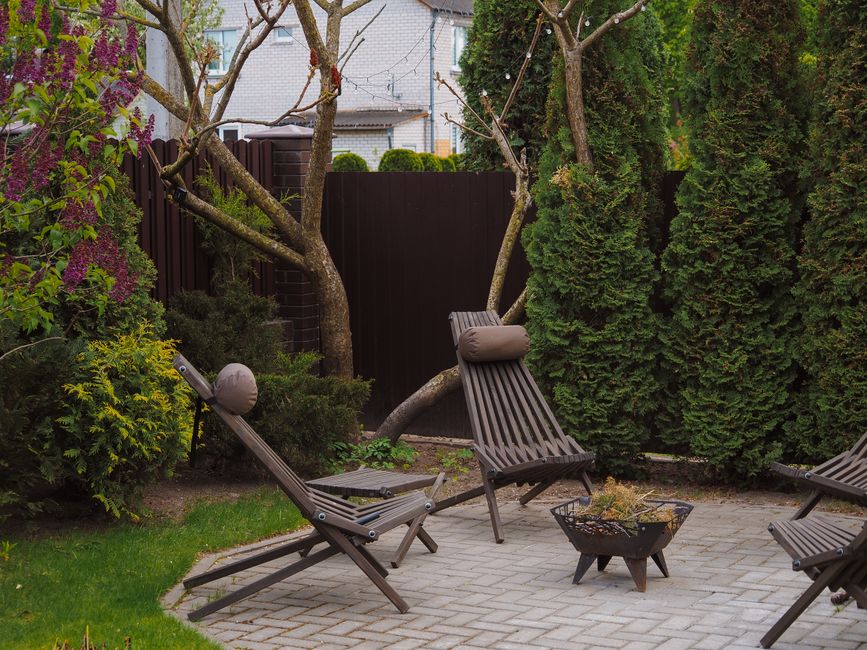
Cozy backyard featuring wooden lounge chairs and lush greenery, perfect for relaxation.
Open decks that foreground unobstructed seating, as in the image with a neat single chair and side table, warrant vertical privacy screens at strategic boundaries rather than enclosing all sides. Installing panels of lattice or bamboo screens at a height of six to seven feet around open edges can break lines of sight effectively while maintaining openness. Choose UV-treated materials for longevity against sun exposure. Note that too tall panels near seating areas may block breezes and create microclimates prone to trapping heat, so balance is key.
Lush Basket Planters for Visual and Textural Warmth
a plant in a basket on a table
The photo featuring a woven basket planter with assorted greenery on a patio table exemplifies subtle screening by adding natural elements close to seating. Use baskets lined with waterproof materials or ceramic pots to protect furniture surfaces from moisture damage. Selecting multi-height, mixed-leaf plants can create a layered visual barrier without overwhelming the space. However, baskets exposed to rain demand routine drying and inspection to prevent mold and deterioration, making them more maintenance-heavy than purely synthetic solutions.
Compact Wooden Decks Framed by Mature Shrubs
Tranquil backyard setting with potted palm plants and wooden fence for a natural vibe.
A compact wooden deck flanked by dense, mature shrubs, as illustrated in the serene backyard image, leverages vegetation as the primary privacy screen while maintaining a naturalistic aesthetic. When replicating this, pick fast-growing evergreen shrubs with dense foliage like boxwood or holly, planted close enough for a continuous screen but spaced to allow airflow and root growth. Wood decks can incorporate drainage gaps between boards to limit water pooling near plant beds. Be aware, mature shrubs may require annual trimming to avoid encroachment which can constrict deck access.
Vertical Fence Accents Enhanced by Seasonal Blooms
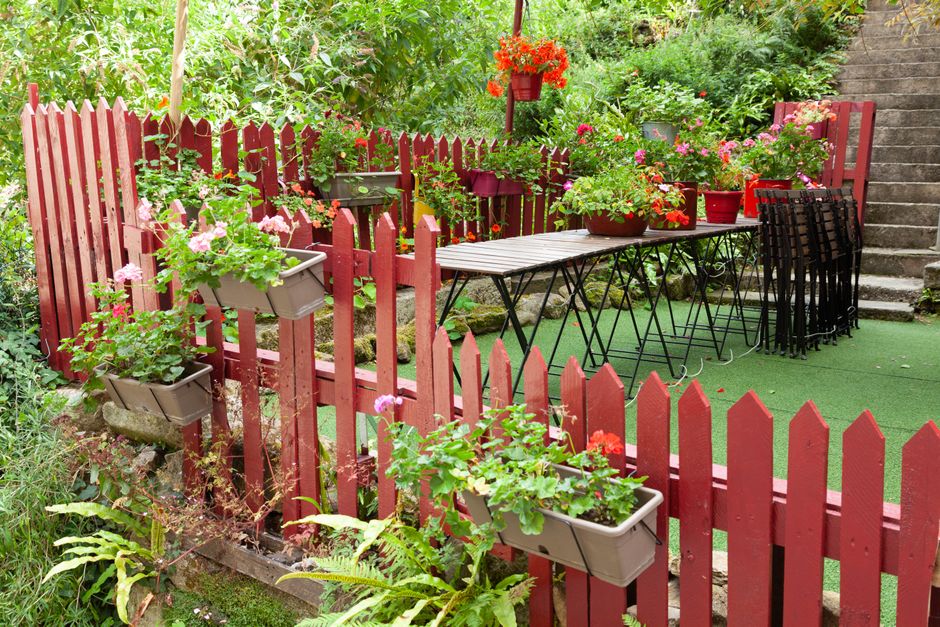
A vibrant garden terrace with red fence and flowers in Dinan, Brittany, France.
The vibrant garden terrace with a green-painted wooden fence adorned by seasonal flowers demonstrates how color and flowering plants can elevate a traditional fence into a design feature that also serves privacy. To implement, repaint fences with weather-resistant outdoor paint every 4-5 years and plant climbing vines that bloom cyclically for dynamic variation. Layer planters at the fence base for additional screening depth. The caveat is managing seasonal flower debris which demands regular cleanup to prevent staining or rot on painted surfaces.
Structured Porch Zones Overlooking Dense Greenery
An inviting enclosed porch with cozy furniture overlooking lush greenery on a sunny day.
The image showing an enclosed porch with comfortable furnishings overlooking thick greenery illustrates a dual-layer privacy approach combining structural screening and natural barriers. Fixed porch screens made of mesh or fine lattice provide year-round enclosure and reduce dust ingress, while surrounding dense plantings create visual and acoustic buffers. Use rust-proof metals like powder-coated aluminum for screen framing to minimize maintenance. Keep in mind, enclosed porches can restrict airflow and natural light, requiring additional ventilation solutions for summer months.
What is the best material for long-lasting patio privacy screens?
Cedar and redwood are favored for durability and weather resistance but require periodic sealing. Metal screens with powder coatings offer longevity with minimal upkeep but can be costlier.
How high should a privacy screen be around a patio?
For effective visual screening, 6 to 7 feet high is standard. However, local zoning and neighborhood covenants may regulate maximum fence heights.
Are plants alone sufficient for patio privacy?
Plants can provide seasonal privacy but generally work best combined with permanent screens since foliage density varies with climate and growth cycles.
Thoughtful integration of material, scale, and planting strategies separates functional patio privacy screens from generic visual barriers. Whether opting for horizontal wooden slats softened by greenery or compact decks enclosed by mature shrubs, each approach involves nuanced tradeoffs in maintenance and microclimate effects. Homeowners and remodelers should weigh these considerations closely, especially regarding seasonal plant coverage and weatherproofing treatments, to ensure enduring privacy without sacrificing outdoor comfort. With measured restraint and clear intentions, privacy screens can discreetly frame your patio life while harmonizing with the broader landscape.
For more room-by-room ideas, browse Architecture Adrenaline’s latest design guides and save your favorite looks for your next project.
Design Deep Dives & Resources
Use these references to go deeper on layouts, materials, lighting, safety, and maintenance decisions that matter for this style.
Research-Backed Planning Notes
Deck and cover details need code awareness: AWC DCA 6 provides prescriptive residential wood deck guidance based on the International Residential Code, but local officials decide what applies. Treat posts, ledgers, guards, fasteners, roof attachments, and concentrated loads as permit-and-pro territory, not styling details.Source: American Wood Council
Outdoor lighting should have a job: DOE frames outdoor residential lighting around aesthetics, security, and utility, with controls and shielding to reduce waste and glare. Layer low path lights, focused task lights, and shielded accent lights instead of flooding the entire patio with one harsh fixture.Source: U.S. Department of Energy
A good landscape behaves like connected rooms: USU Extension compares landscapes to outdoor rooms with different uses, volumes, circulation paths, and water needs. Use the cover, furniture layout, pavers, screens, and planting edges to define a room rather than scattering decor around the slab.Source: Utah State University Extension
Wood performance is about moisture and detailing: The USDA Wood Handbook covers wood moisture, durability, fastenings, preservation, finishing, and material behavior for architects and engineers. Specify exterior-rated materials, drainage gaps, sealed end grain, and maintainable finishes before relying on a pretty stain sample.Source: USDA Forest Products Laboratory
International Code Council I-Codes - Use this as a starting point for code families, then verify the code edition adopted by the local building department.
DOE Energy Saver Lighting Design - Practical guidance for efficient indoor and outdoor lighting layers, controls, glare reduction, and fixture placement.
A vibrant garden terrace with red fence and flowers in Dinan, Brittany, France.An inviting enclosed porch with cozy furniture overlooking lush greenery on a sunny day.Tranquil backyard setting with potted palm plants and wooden fence for a natural vibe.
{"@context":"https://schema.org","@type":"BlogPosting","headline":"Patio Privacy Screen Ideas","url":"https://www.architectureadrenaline.com/patio-privacy-screen-ideas/","datePublished":"2026-05-05T21:44:59-07:00","dateModified":"2026-05-15T18:08:56-07:00","author":{"@type":"Person","name":"Justin Ankus","sameAs":["https://www.linkedin.com/in/architectureadrenaline/","https://twitter.com/archiadrenaline"]},"image":{"@type":"ImageObject","url":"https://www.architectureadrenaline.com/wp-content/uploads/2026/05/featured-240432.jpg","width":1200,"height":630},"publisher":{"@type":"Organization","name":"Architecture Adrenaline","logo":{"@type":"ImageObject","url":"https://architectureadrenaline.com/wp-content/uploads/logo.png"}},"breadcrumb":{"@type":"BreadcrumbList","itemListElement":[{"@type":"ListItem","position":1,"name":"Home","item":"https://architectureadrenaline.com/"},{"@type":"ListItem","position":2,"name":"Patio Privacy Screen Ideas","item":"https://www.architectureadrenaline.com/patio-privacy-screen-ideas/"}]},"mainEntityOfPage":{"@type":"WebPage","@id":"https://www.architectureadrenaline.com/patio-privacy-screen-ideas/"}}
{"@context":"https://schema.org","@type":"FAQPage","mainEntity":[{"@type":"Question","name":"Table of ContentsHorizontal Slat Fencing with Integrated GreeneryFraming a Cozy Seating Nook with Natural WoodPotted Plants as a Flexible Screening LayerOpen Deck Designs Balanced with Vertical PrivacyLush Basket Planters for Visual and Textural WarmthCompact Wooden Decks Framed by Mature ShrubsVertical Fence Accents Enhanced by Seasonal BloomsStructured Porch Zones Overlooking Dense GreeneryHorizontal Slat Fencing with Integrated GreeneryA vertical shot of a green wooden fence topped with lush foliage.The image featuring a horizontal slat wood fence paired with dense climbing plants underscores a winning privacy combination that softens rigid lines. When installing, ensure fence slats maintain narrow spacing—around 1.5 to 2 inches—to allow air circulation while still obscuring sightlines. Opt for durable cedar with a natural oil finish resistant to decay to keep maintenance manageable over years. However, remember that integrated greenery requires seasonal pruning to avoid vine overgrowth which can accelerate wood deterioration if unchecked.Research note: AWC DCA 6 provides prescriptive residential wood deck guidance based on the International Residential Code, but local officials decide what applies. Treat posts, ledgers, guards, fasteners, roof attachments, and concentrated loads as permit-and-pro territory, not styling details. Source: American Wood CouncilFraming a Cozy Seating Nook with Natural Wooda chair and a table on a wooden deckIn the photo capturing a natural wood deck centered around a simple chair and table setup, the framing creates an intimate scale well suited for small patios. Using untreated cedar or redwood for framing can impart warmth and matures gracefully under sunlight, but sealing is essential to prevent early weathering. Strategically position the framing downwind from neighbors' sightlines to maximize privacy—take site sun path into account to avoid casting unwanted shadows. A tradeoff is that natural wood fences may need re-staining every few years to preserve color and resistance to moisture.Potted Plants as a Flexible Screening Layera potted plant sitting on top of a wooden deckThe example showing a single potted evergreen on a wooden deck illustrates how flexible container screening can aid privacy without permanent alterations. For a practical setup, choose tall planters with sturdy bases and drought-tolerant species to reduce watering frequency. Pair terracotta or matte black pots with wood decking to introduce contrasting yet complementary textures. Be cautious, though: potted plants provide seasonal coverage and may thin during winter months—combine with fixed structures if year-round privacy is needed.Open Deck Designs Balanced with Vertical PrivacyCozy backyard featuring wooden lounge chairs and lush greenery, perfect for relaxation.Open decks that foreground unobstructed seating, as in the image with a neat single chair and side table, warrant vertical privacy screens at strategic boundaries rather than enclosing all sides. Installing panels of lattice or bamboo screens at a height of six to seven feet around open edges can break lines of sight effectively while maintaining openness. Choose UV-treated materials for longevity against sun exposure. Note that too tall panels near seating areas may block breezes and create microclimates prone to trapping heat, so balance is key.Research note: USU Extension compares landscapes to outdoor rooms with different uses, volumes, circulation paths, and water needs. Use the cover, furniture layout, pavers, screens, and planting edges to define a room rather than scattering decor around the slab. Source: Utah State University ExtensionLush Basket Planters for Visual and Textural Warmtha plant in a basket on a tableThe photo featuring a woven basket planter with assorted greenery on a patio table exemplifies subtle screening by adding natural elements close to seating. Use baskets lined with waterproof materials or ceramic pots to protect furniture surfaces from moisture damage. Selecting multi-height, mixed-leaf plants can create a layered visual barrier without overwhelming the space. However, baskets exposed to rain demand routine drying and inspection to prevent mold and deterioration, making them more maintenance-heavy than purely synthetic solutions.Compact Wooden Decks Framed by Mature ShrubsTranquil backyard setting with potted palm plants and wooden fence for a natural vibe.A compact wooden deck flanked by dense, mature shrubs, as illustrated in the serene backyard image, leverages vegetation as the primary privacy screen while maintaining a naturalistic aesthetic. When replicating this, pick fast-growing evergreen shrubs with dense foliage like boxwood or holly, planted close enough for a continuous screen but spaced to allow airflow and root growth. Wood decks can incorporate drainage gaps between boards to limit water pooling near plant beds. Be aware, mature shrubs may require annual trimming to avoid encroachment which can constrict deck access.Vertical Fence Accents Enhanced by Seasonal BloomsA vibrant garden terrace with red fence and flowers in Dinan, Brittany, France.The vibrant garden terrace with a green-painted wooden fence adorned by seasonal flowers demonstrates how color and flowering plants can elevate a traditional fence into a design feature that also serves privacy. To implement, repaint fences with weather-resistant outdoor paint every 4-5 years and plant climbing vines that bloom cyclically for dynamic variation. Layer planters at the fence base for additional screening depth. The caveat is managing seasonal flower debris which demands regular cleanup to prevent staining or rot on painted surfaces.Structured Porch Zones Overlooking Dense GreeneryAn inviting enclosed porch with cozy furniture overlooking lush greenery on a sunny day.The image showing an enclosed porch with comfortable furnishings overlooking thick greenery illustrates a dual-layer privacy approach combining structural screening and natural barriers. Fixed porch screens made of mesh or fine lattice provide year-round enclosure and reduce dust ingress, while surrounding dense plantings create visual and acoustic buffers. Use rust-proof metals like powder-coated aluminum for screen framing to minimize maintenance. Keep in mind, enclosed porches can restrict airflow and natural light, requiring additional ventilation solutions for summer months.More Visual Inspirationhttps://www.youtube.com/watch?v=3p0ejJlaZIAhttps://www.instagram.com/reel/DLpuSVLRlpQ/https://www.pinterest.com/lindashummers/backyard-privacy-screen/https://www.tiktok.com/@yardfarmer.co/video/7276950664427752746What is the best material for long-lasting patio privacy screens?Cedar and redwood are favored for durability and weather resistance but require periodic sealing. Metal screens with powder coatings offer longevity with minimal upkeep but can be costlier.How high should a privacy screen be around a patio?For effective visual screening, 6 to 7 feet high is standard. However, local zoning and neighborhood covenants may regulate maximum fence heights.Are plants alone sufficient for patio privacy?Plants can provide seasonal privacy but generally work best combined with permanent screens since foliage density varies with climate and growth cycles.Thoughtful integration of material, scale, and planting strategies separates functional patio privacy screens from generic visual barriers. Whether opting for horizontal wooden slats softened by greenery or compact decks enclosed by mature shrubs, each approach involves nuanced tradeoffs in maintenance and microclimate effects. Homeowners and remodelers should weigh these considerations closely, especially regarding seasonal plant coverage and weatherproofing treatments, to ensure enduring privacy without sacrificing outdoor comfort. With measured restraint and clear intentions, privacy screens can discreetly frame your patio life while harmonizing with the broader landscape.For more room-by-room ideas, browse Architecture Adrenaline’s latest design guides and save your favorite looks for your next project.Design Deep Dives & Resources","acceptedAnswer":{"@type":"Answer","text":"Use these references to go deeper on layouts, materials, lighting, safety, and maintenance decisions that matter for this style."}},{"@type":"Question","name":"Editor-Selected Amazon Finds","acceptedAnswer":{"@type":"Answer","text":"Use these shopping starting points to compare dimensions, weather ratings, and reviews before buying."}}]}
Want your brand featured on Architecture Adrenaline?
Immerse yourself in architecture’s most boundary-pushing ideas—where innovative home improvements meet visionary urban developments. Discover new building techniques, materials, and creative concepts that are redefining how we shape our spaces on a global scale.