

Integrating olive green in small bedrooms is a sophisticated choice that balances warmth and freshness. This palette can accommodate a range of styles from modern minimalism to textured vintage, but it demands precision in execution. In tight quarters, material selections and layout decisions are critical to harness olive green’s depth without overwhelming the space. The following curated ideas, grounded in real visual examples, weave concrete styling guidance with practical considerations to navigate the nuanced use of olive green in compact bedrooms.
Anchoring with Olive Green Accent Walls for Depth
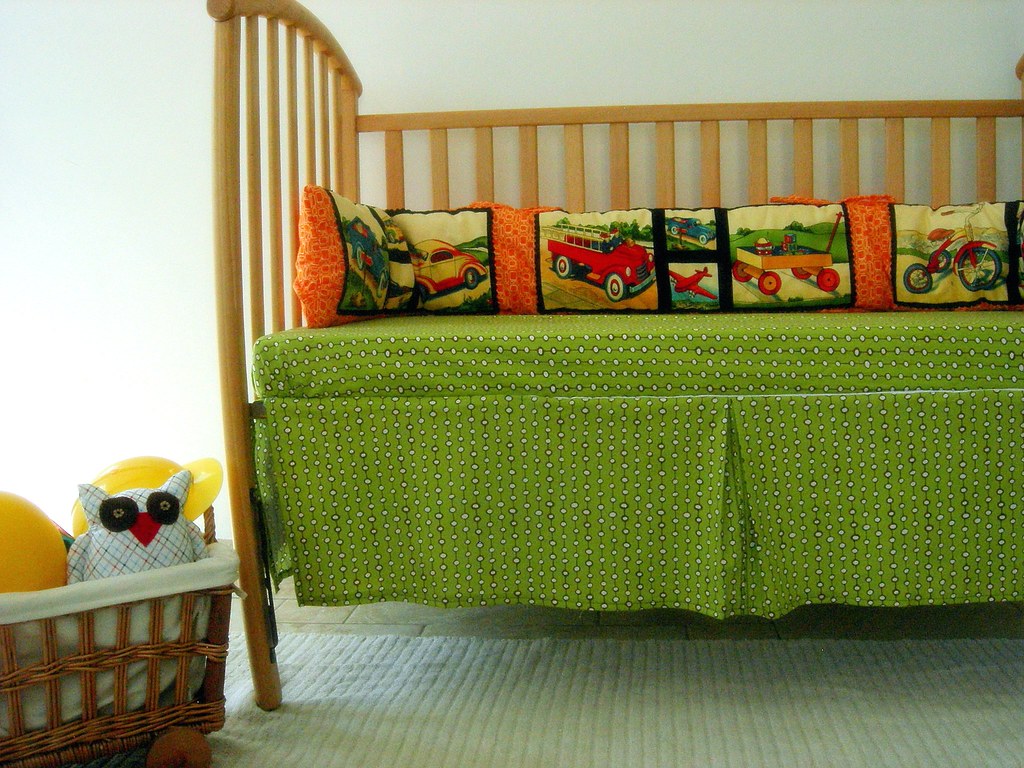
Using an olive green accent wall adds depth and visual grounding to a small bedroom, as visible in the dark green wall anchoring the bed's headboard in section 4's image. When applying, confine the paint to one feature wall rather than all walls to prevent a claustrophobic effect. Opt for a high-quality matte paint finish that emphasizes olive green’s earthiness and reduces light glare. Be mindful that deep tones can absorb light, so ensure your room compensates with ample window exposure or supplementary lighting.
Layering Textiles to Soften and Expand Small Spaces
Layering textiles in varying olive-green hues and natural fibers introduces tactile softness and visual interest that lifts a restricted bedroom footprint, as seen in the bed linens and cushions with subtle olive variations in section 7's image. Incorporate linen or organic cotton fabrics to maintain breathability and ease of care. Mixing patterns or textures in throw pillows and blankets can add dimension without clutter. However, multiple layered textiles require regular maintenance to avoid dust accumulation, especially in smaller rooms where airflow may be limited.
Balancing Olive Green with Light Wood Furnishings
Pairing olive green walls or decor with light wood furniture creates a balanced and inviting atmosphere, exemplified by the light oak tones framing the green bedroom setting in section 1’s image. Choosing streamlined furniture with natural finishes prevents the room from feeling overly heavy or dark. Scandinavian-inspired pieces with simple profiles keep the small space airy while complementing olive’s muted vibrancy. Still, light woods can show wear more easily, so select finishes that can be refreshed or sealed against scratches.
Incorporating Natural Light Strategically in Green Bedrooms
Maximizing natural light in olive green small bedrooms enhances the room’s openness and prevents the green tones from leaning too dark, as illustrated by the bright window light in section 7’s photo. Strategically place the bed or seating near windows to capitalize on daylight, and use sheer curtains to diffuse the light softly. Employ reflective surfaces like slim mirrors with warm wood frames to bounce light without clashing. The challenge lies in balancing privacy with light—thicker fabrics may reduce brightness and should be layered with lighter sheers.
Selecting Matte Finishes to Enhance Olive’s Earthy Quality
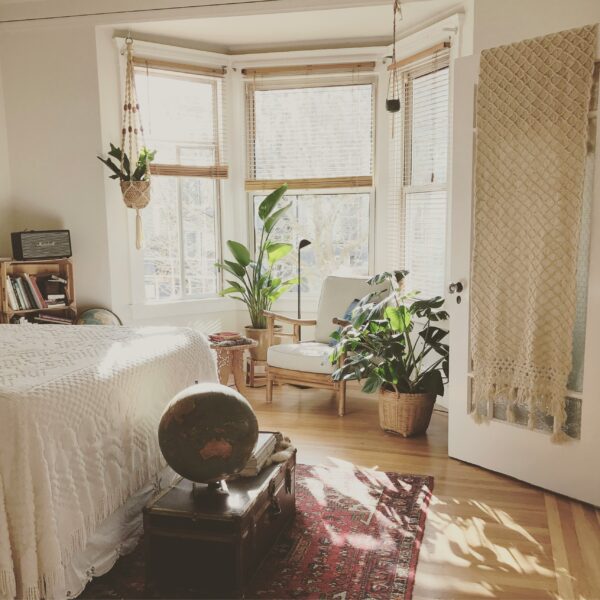
Matte paint finishes on olive green walls give the room a grounded, contemporary feel that avoids unwanted shine, highlighted in the tonal wall behind the bed in section 3's image. A flat or eggshell sheen finish diminishes light reflection, enhancing olive’s natural, earthy character. When choosing paint, prioritize eco-friendly formulas with low VOCs to maintain air quality in compact rooms. However, matte surfaces can show fingerprints and marks more readily, meaning occasional touch-ups and gentle cleaning are necessary.
Implementing Compact Furniture for Open Flow
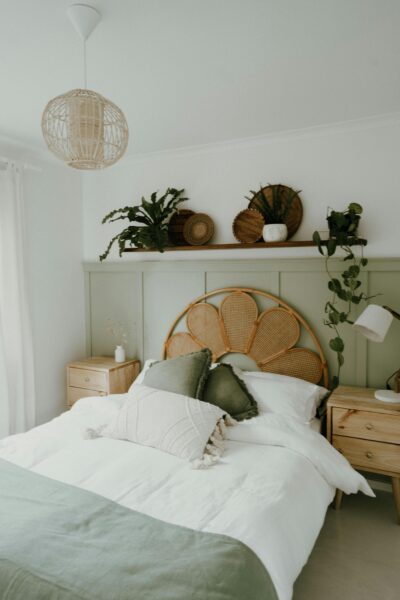
Opting for compact furniture that scales correctly to small bedrooms allows for free circulation while complementing olive green’s presence, as evidenced by the modest bed and chair proportions in section 7’s image. Keep beds and side tables low-profile with clean lines to prevent visual overload. Functional pieces with hidden storage can reduce clutter, key in maintaining olive green's calming effect. The tradeoff is less surface area on smaller pieces, so consider dedicated wardrobes or shelves elsewhere in the home to preserve bedroom openness.
Integrating Greenery as a Complementary Texture
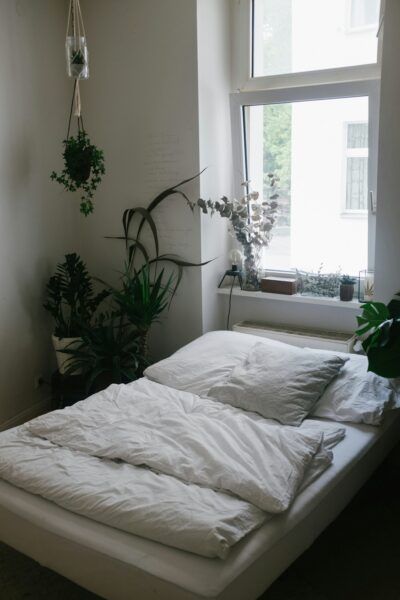
Adding live plants introduces complementary texture and amplifies olive green’s natural undertone, as showcased by lush potted greenery placed beside and over the bed in section 7’s photo. Plants with broad leaves or trailing vines work well for organic contrast without additional color complexity. Chose low-maintenance species suited to your light conditions to avoid constant upkeep. One caveat is that small humid microclimates formed by plants may necessitate monitoring air circulation and occasional leaf cleaning in smaller rooms.
Managing Color Intensity through Minimal Accessorizing
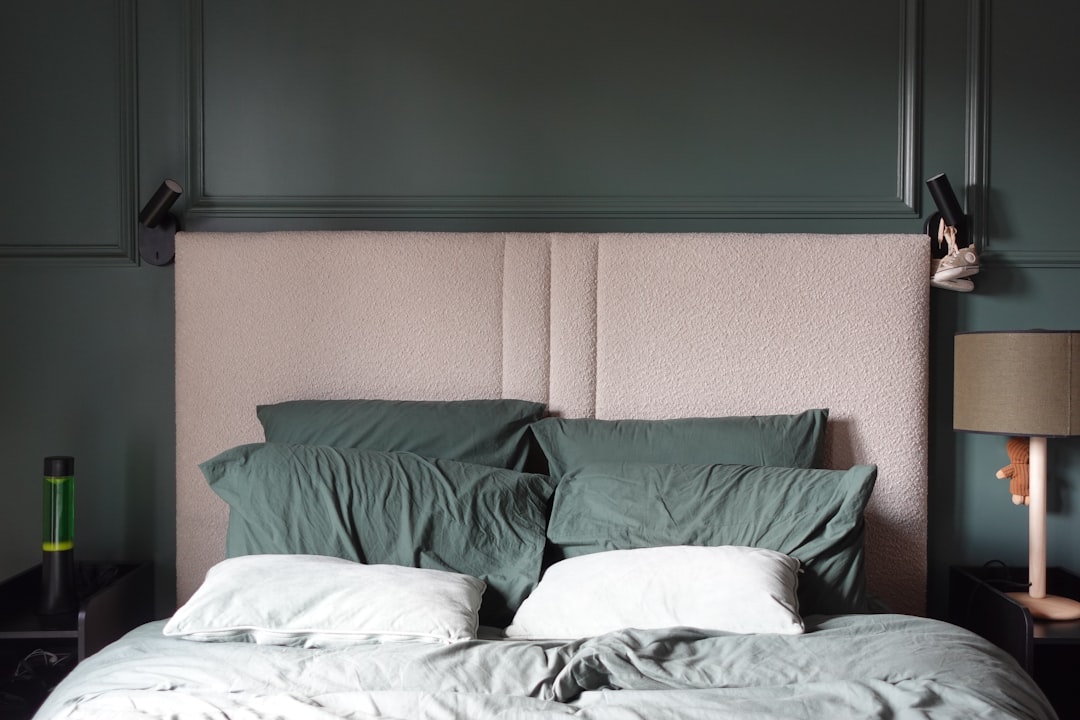
Applying styling restraint through minimal accessories prevents visual overcrowding, which is vital in olive green small bedrooms to preserve a serene effect, as seen in the sparsely accessorized dresser and bed area within section 2's image. Limit decorative objects to key statement pieces like a single framed photograph or artisan vase, favoring natural materials such as ceramics or woven fibers. This approach lets olive green shine as the defining feature. Nonetheless, an overly minimal aesthetic might risk feeling underwhelming if texture and layering are insufficient elsewhere in the room.
What shades complement olive green in a small bedroom?
Soft neutrals like beige, warm taupe, and off-white balance olive green without overpowering the space, adding warmth and subtle contrast.
How can lighting affect olive green walls?
Natural and warm artificial lighting enhances olive green’s depth; harsh or cool lights can make the color feel dull or muddy.
Is matte or glossy paint better for olive green bedrooms?
Matte finishes work best to highlight olive's earthy qualities and reduce glare, but they may show marks more easily than satin or semi-gloss paints.
Applying olive green in small bedrooms demands a strategic blend of color, materials, and layout to avoid visual closure. Accent walls, light wood furnishings, and layered textiles offer tangible pathways to enrich these compact spaces while negotiating the hue’s potential darkness. Incorporating natural light and greenery further animates olive green tones, enhancing their timeless character. With measured restraint and maintenance awareness, homeowners and remodelers can create personalized sanctuaries that are distinctly stylish yet practical to maintain.
For more room-by-room ideas, browse Architecture Adrenaline’s latest design guides and save your favorite looks for your next project.
Extra Visual Inspiration

Relevant Design Sources
These sources are included because they match the bedroom color, interior design, and small-room styling topic.
- Sherwin-Williams green bedroom color ideas - topical match score 36
- National Sleep Foundation bedroom environment - topical match score 30
- Architectural Digest bedroom ideas - topical match score 27
- American Society of Interior Designers - topical match score 26
