
A coping saw is a versatile hand saw characterized by its distinctive U-shaped frame and a thin steel blade, making it ideal for intricate curved cuts in materials such as wood, plastic, or metal.
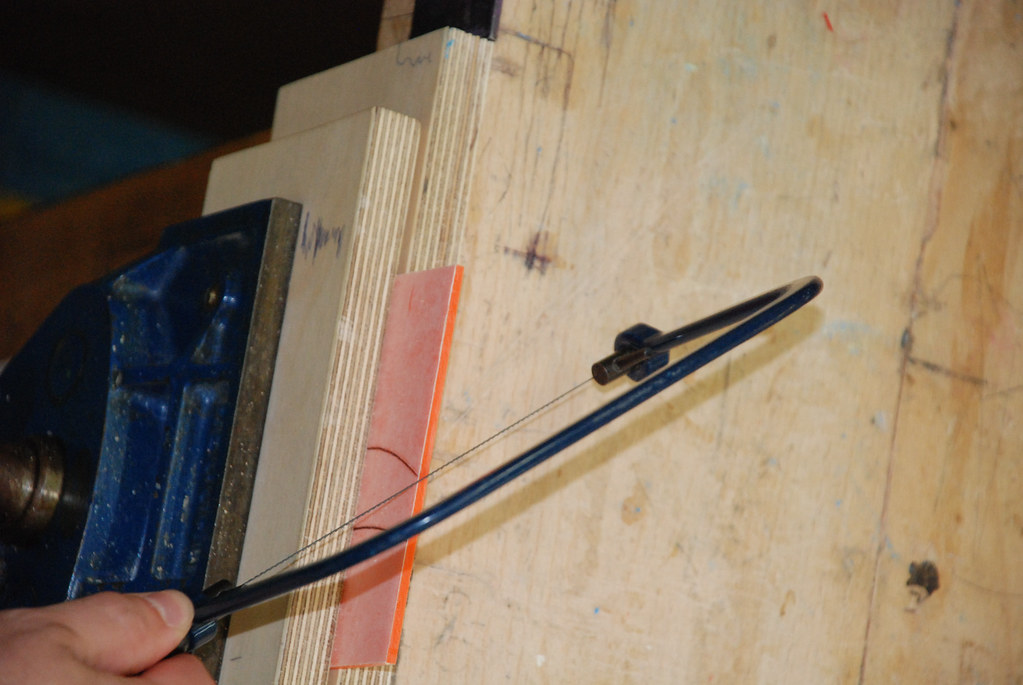
Blade and Frame Design
The coping saw features a slender blade, typically made from steel or tungsten, stretched across a U-shaped frame. This design allows for greater maneuverability and finer cuts compared to other types of saws. The frame itself includes swiveling spigots or clips at each end, which secure the blade firmly in place.
Handle and Tension Adjustment
The handle of a coping saw is generally made from either hardwood or plastic. This handle not only provides a comfortable grip but also aids in turning the blade during the cutting process. Many coping saws have an adjustment mechanism built into the handle, allowing users to modify the blade tension by simply twisting the handle. Proper tension is crucial for making accurate cuts and preventing the blade from bending or breaking.
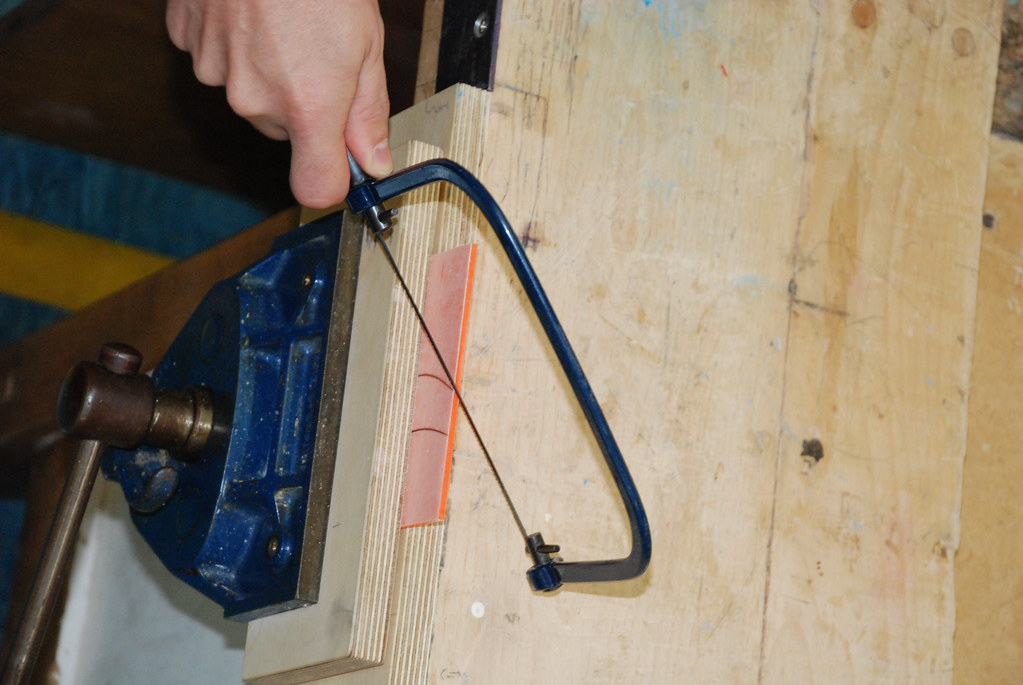
Blade Adjustment
Some models feature a blade that can be adjusted in angle relative to the frame. This adjustment capability enhances the saw’s effectiveness for detailed work, allowing for more precise cuts in complex shapes and designs.
Types of Blades
Coping saw blades vary in terms of teeth per inch (TPI). The most common blades have around 12 to 15 TPI, but there are also coarser and finer options available to suit different project requirements. Blade lengths are standardized, commonly measuring either 6 3/8 inches or 6 1/2 inches.

Throat Width
The throat width of a coping saw typically ranges between 4 and 6 inches, impacting the maximum depth of cuts. A wider throat allows for deeper, more intricate cuts, while a narrower throat limits the depth but provides greater control.
Availability
Coping saws are widely available and affordable, making them popular for DIY enthusiasts. They can be easily found in most local hardware stores and come in various models to meet different needs and budgets.
Comparison to Other Saws
While there are many types of handsaws, including crosscut saws, ripsaws, backsaws, keyhole saws, and hacksaws, the coping saw stands out for its specific suitability for intricate, curved cuts. Electric jigsaws can also serve similar purposes but lack the manual control that a coping saw offers.
Common Coping Saw Characteristics
| Feature | Details |
|---|---|
| Frame Design | U-shaped with swiveling spigots |
| Blade Material | Steel or Tungsten |
| Handle Material | Hardwood or Plastic |
| Blade Length | 6 3/8 inches or 6 1/2 inches |
| Teeth Per Inch (TPI) | 12 to 15 TPI |
| Throat Width | 4 to 6 inches |
How To Use a Coping Saw (The Correct Method)
By understanding the various features and functionalities of a coping saw, users can effectively tackle projects that require precision and finesse, making it an indispensable tool for any woodworking or crafts enthusiast. For more detailed information on woodworking techniques and tools, you can refer to the Indiana 4-H Woodworking Tools, Skills and Techniques.
If you’re interested in exploring different coping saw options, check out the Best Coping Saw for Woodworking Enthusiasts.
Stay connected with us and explore more about woodworking and craftsmanship by following us on social media:
