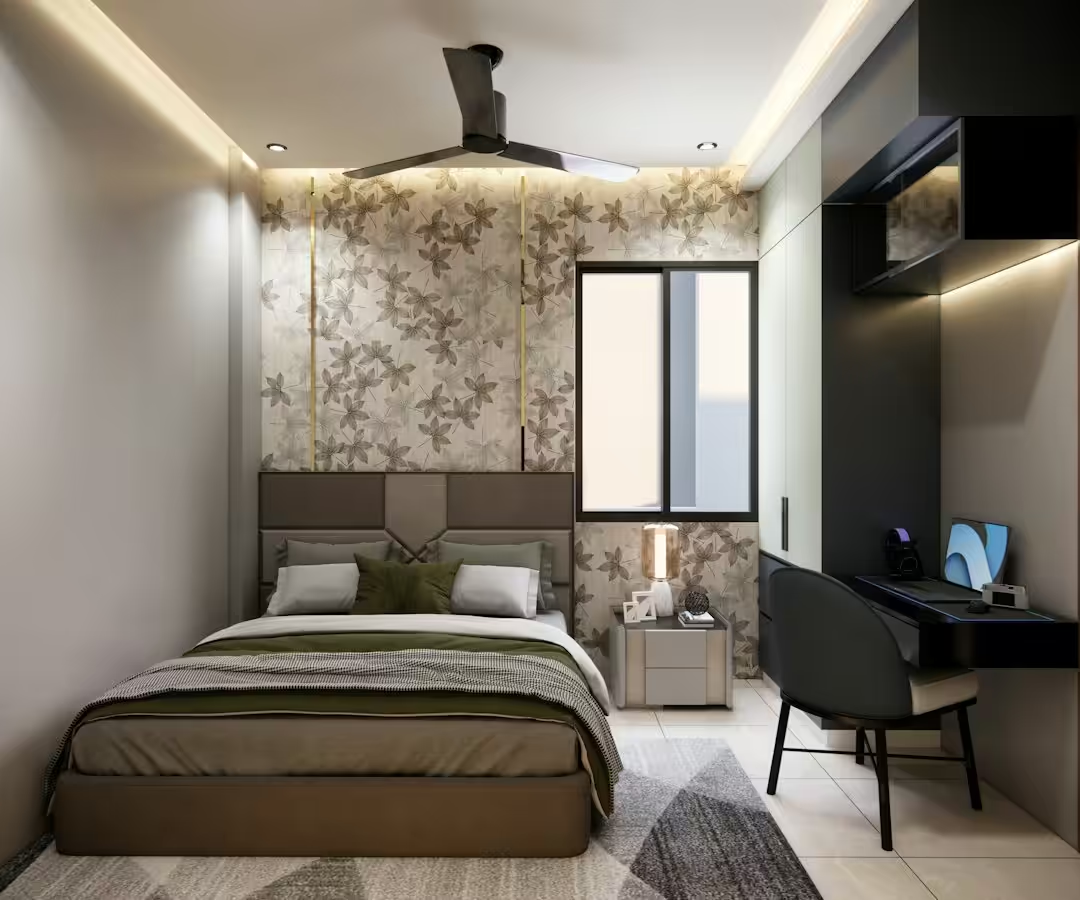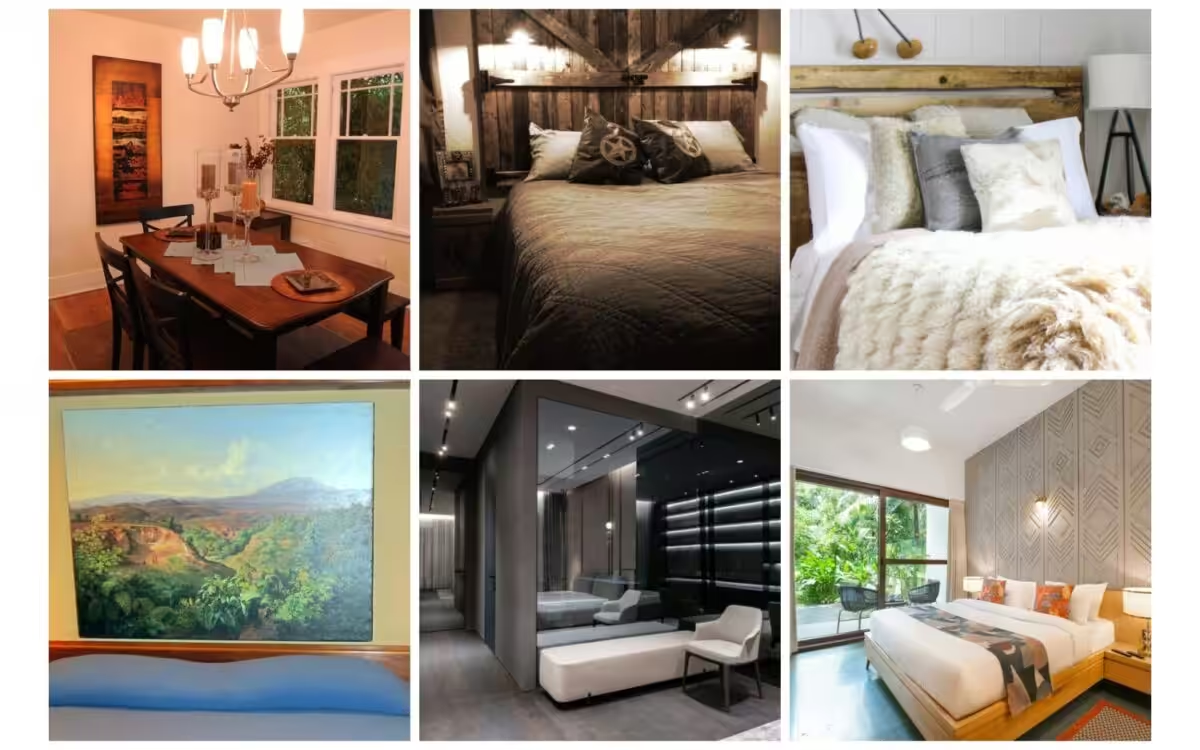
Creating a master bedroom that incorporates a sitting area calls for a meticulous blend of spatial planning, material choices, and styling precision. The sitting zone should feel like a deliberate extension rather than an afterthought, balancing comfort without overwhelming the bedroom’s core function. This article dissects eight focused design strategies illustrated by carefully curated images, each demonstrating how proportion, finish, and functional layering converge in real-world layouts for homeowners, remodelers, and design aficionados. Expect tactical advice on everything from furniture scale and fabric selection to privacy setup and ambient lighting placement—down to the tradeoffs you need to factor before committing to your own master bedroom with sitting area remodel.
Optimizing Spatial Flow Between Bed and Seating Zones
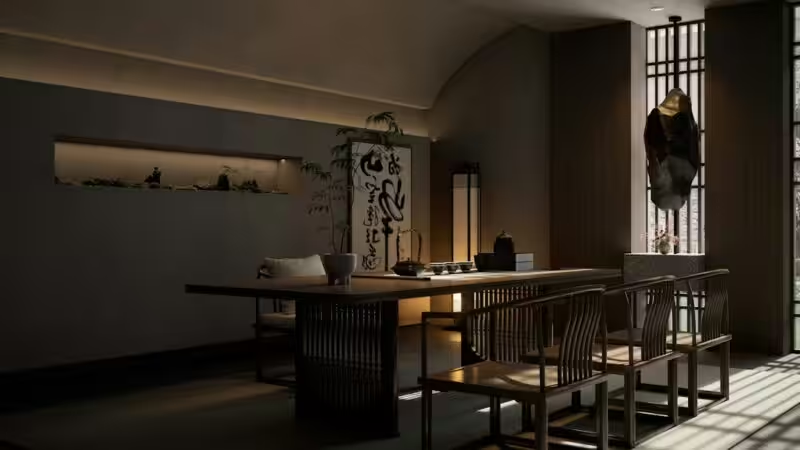
The arrangement between bed and the sitting area must prioritize seamless movement. Consider a minimum clearance of 30-36 inches around the sitting furniture to facilitate easy circulation without disrupting the bed zone's tranquility. Using spatial zoning cues like an area rug or a slight floor level change can emphasize the sitting nook's intentionality. Opt for durable materials like polished hardwood floors with a soft, tactile rug to ground the seating. However, keep in mind that tighter spaces risk feeling cramped if clearances are ignored, which can sabotage both comfort and visual calm.
Material Contrast: Pairing Upholstery with Wood Finishes
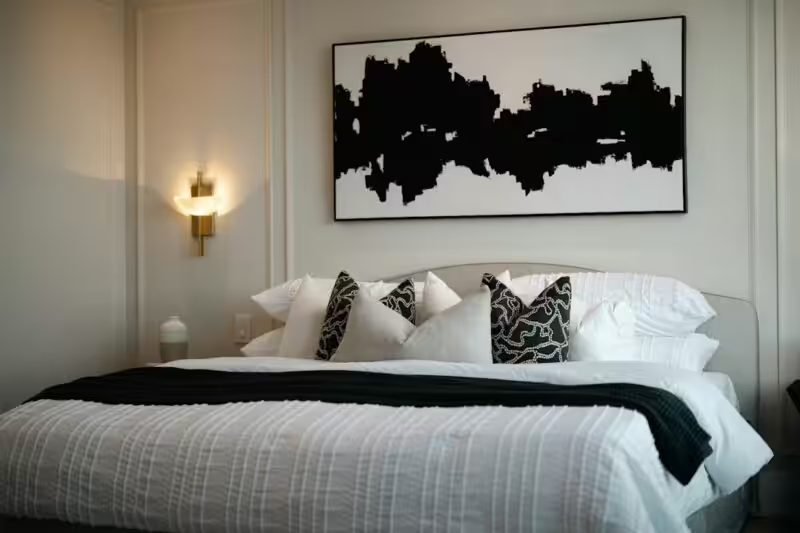
Combining upholstery and wood finishes creates visual and tactile depth in the sitting area adjacent to the bedroom's main setup. A plush white upholstered armchair alongside a medium-toned wooden coffee table introduces a refined contrast that feels intentional and balanced. Prioritize finishes that complement the bedroom’s scale; matte woods tend to feel warmer and less formal while polished woods can elevate a subdued palette. Be cautious, as high-maintenance fabrics or delicate woods may degrade quickly with daily use, requiring routine upkeep uncommon in bedroom lounging spots.
Layered Lighting for Dual-Use Comfort and Ambiance
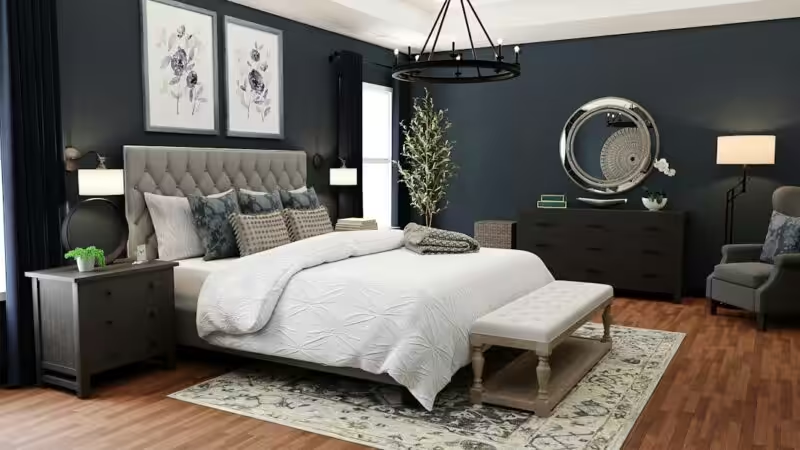
Effective dual-purpose lighting balances task-oriented brightness with softer ambient glow for the sitting section. Positioning a luminous floor or table lamp next to the chair ensures reading comfort, while dimmable overhead fixtures provide general illumination without glare. Warm LED bulbs with variable intensity and a placement that avoids casting shadows over seating areas work best. The tradeoff is often installing electrical outlets strategically nearby during remodels to accommodate lamps, which can complicate wiring placement behind furniture.
Curating Furniture Scale to Avoid Overcrowding

Scale control is critical for furniture in a combined master bedroom and sitting area. A mid-century modern armchair with slim legs, approximately 30 inches wide, keeps the seating light and proportionate alongside a queen or king bed. Avoid oversized chaise lounges that devour space and disrupt room harmony. Select compact side tables with minimal profiles crafted from tempered glass or light metal to maintain airiness. Note that smaller furniture can sometimes compromise on comfort and durability, so balance size with usage expectations.
Integrating Privacy Strategies Without Fragmenting Space
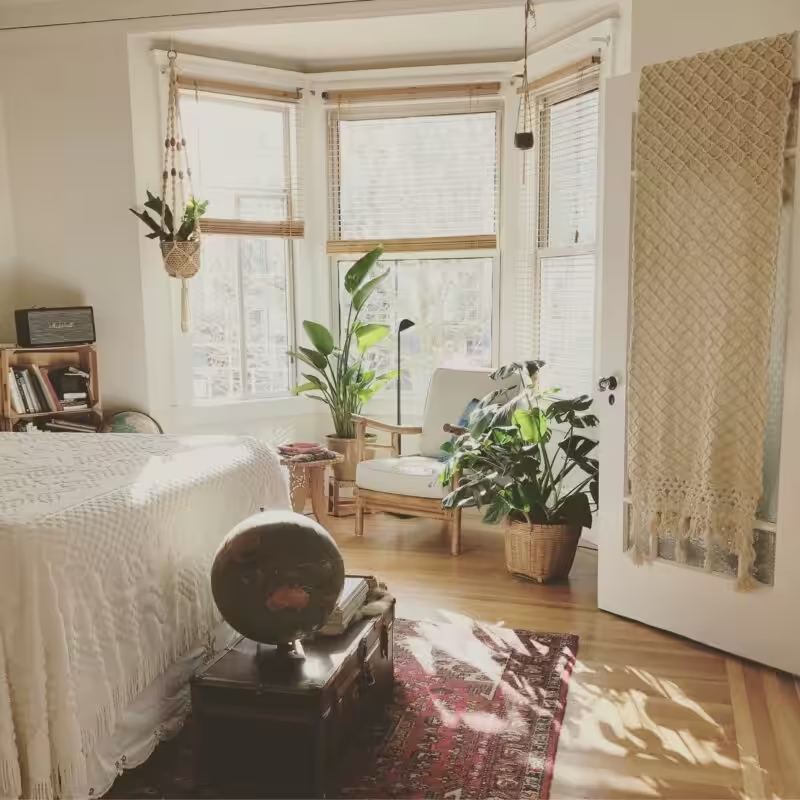
Privacy between the bed space and sitting area can be established subtly using screens, floor-to-ceiling curtains, or plants without fully dividing the room. A shear curtain in a neutral tone or a bamboo room divider brings a layered texture that filters sightlines softly. These methods avoid enclosing the bedroom, thus preserving an open, airy atmosphere. The caution lies in overusing partitions which can fragment the room and reduce natural light, making the space feel smaller and less cohesive.
Leveraging Accent Walls to Define Sitting Areas
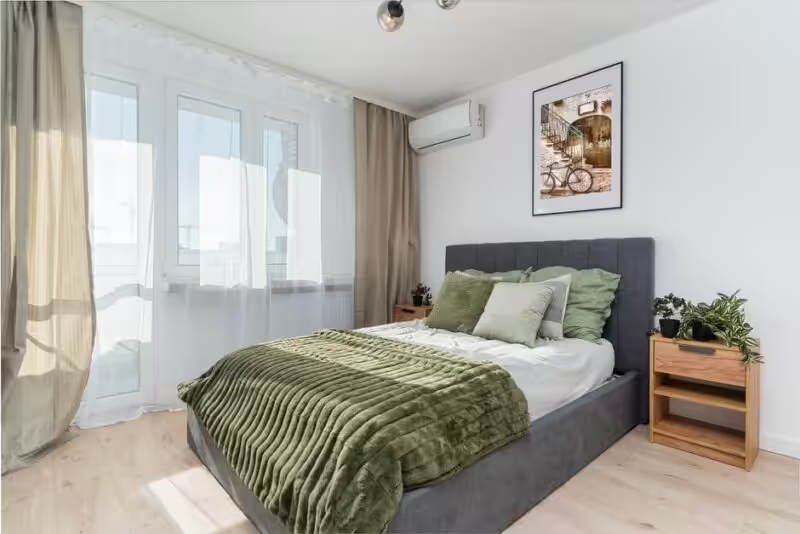
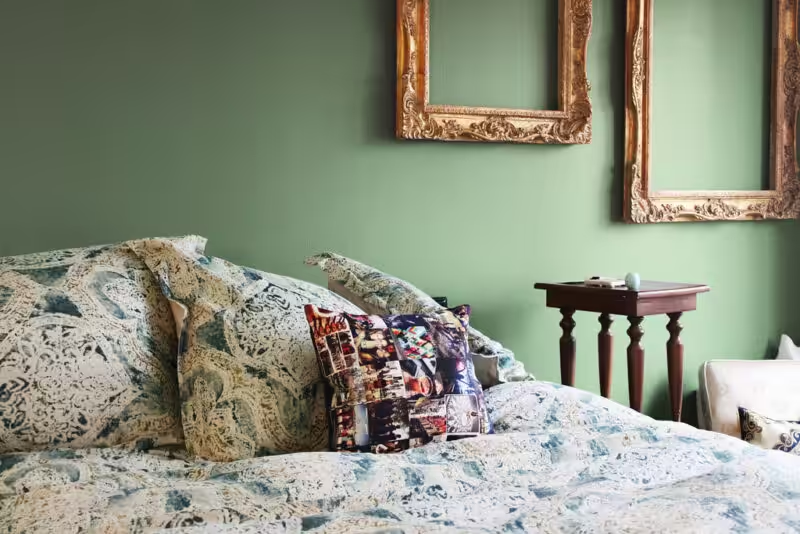
An accent wall behind the sitting area, painted in a rich green or deep jewel tone, anchors the secondary zone distinctly from the bedroom bed area. This visual delineation encourages a more intimate sitting experience while referencing luxe, antique design cues like a velvet sofa or paneling. Utilize matte or eggshell paint finishes to reduce glare and allow light absorption. However, committing to a bold wall color demands careful coordination with overall room palettes—changing tastes or trends may take this from highlighting to overpowering the space.
Selecting Window Treatments to Balance Light and Seclusion
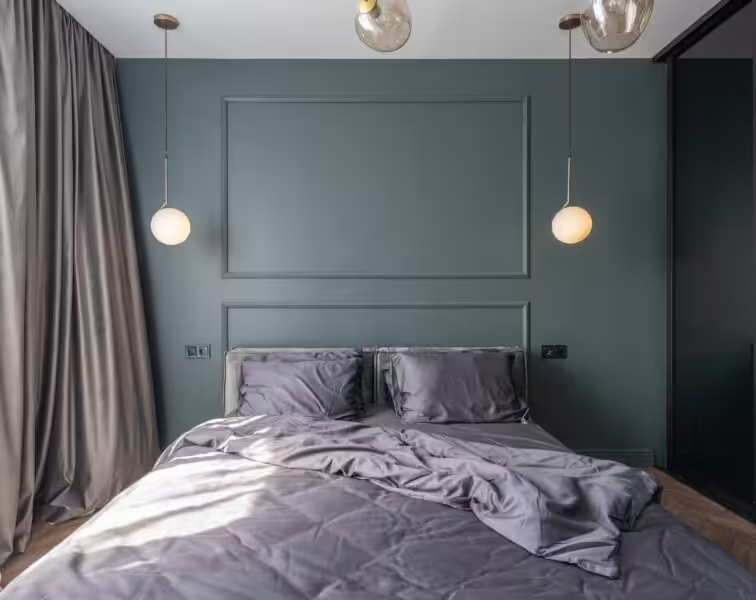
Window treatments play an essential role in modulating natural light and imparting privacy around sitting areas. Sheer curtains paired with heavier blackout drapes provide peak flexibility—softening daylight while allowing complete shading at night. Use simple rod or track systems low enough to brush the floor, to elongate wall height visually. Bear in mind that layered curtains collect dust and require regular laundering, which can be cumbersome, especially in bedrooms with sensitive allergy concerns.
Styling Restraint: Minimalism in a Dual-Purpose Bedroom

Styling restraint is pivotal in spaces serving dual functions to ensure the bedroom remains restful. Select a curated handful of decor items—a slim floor lamp, one or two books, and a modest plant—to avoid visual clutter. Materials should be limited to a cohesive palette, such as warm wood, off-white fabrics, and a single accent color for textiles. This approach helps unify the bed and sitting areas without competition. The limitation here is that too minimalist a scheme might sacrifice personality or coziness if not carefully balanced.
What size room is ideal for a master bedroom with a sitting area?
A minimum of 350 square feet typically allows comfortable integration of both bed and sitting zones with proper circulation space.
How to maintain privacy if there's no separate room for the sitting area?
Use low-profile screens, curtains, or furniture placement to create indirect separations without fully dividing the room.
What flooring works best for multi-use bedroom sitting areas?
Hardwood paired with rugs is ideal for durability and comfort; rugs also help define seating zones within the bedroom.
Designing a master bedroom with an incorporated sitting area requires intentional decisions about flow, materials, scale, and layering. The right balance supports comfort, privacy, and utility while respecting the bedroom's primary function as a serene retreat. By grounding layout choices in proportion and finish, selecting adaptable lighting, and maintaining stylistic discipline, homeowners can create spaces that feel purposeful and polished. Remember that each addition introduces potential tradeoffs—from maintenance demands to spatial constraints—that warrant thoughtful planning before committing to your design.
For more room-by-room ideas, browse Architecture Adrenaline’s latest design guides and save your favorite looks for your next project.
Design Deep Dives & Resources
Use these references to go deeper on layouts, materials, lighting, safety, and maintenance decisions that matter for this style.
Research-Backed Planning Notes
- Outdoor lighting should have a job: DOE frames outdoor residential lighting around aesthetics, security, and utility, with controls and shielding to reduce waste and glare. Layer low path lights, focused task lights, and shielded accent lights instead of flooding the entire patio with one harsh fixture. Source: U.S. Department of Energy
- Plant choice affects maintenance and longevity: UMN Extension emphasizes function, maintainability, environmental soundness, cost-effectiveness, and visual appeal in sustainable landscape design. Choose plants around sun, soil, mature size, and maintenance tolerance before choosing containers or furniture colors. Source: University of Minnesota Extension
- A good landscape behaves like connected rooms: USU Extension compares landscapes to outdoor rooms with different uses, volumes, circulation paths, and water needs. Use the cover, furniture layout, pavers, screens, and planting edges to define a room rather than scattering decor around the slab. Source: Utah State University Extension
On Architecture Adrenaline
- Shabby Chic Bedroom Inspiration: Cozy & Inviting Designs: Read the full guide
- Master Suite Addition: Transforming Your Home: Read the full guide
- Lunar Landed Living, Lunar-Lands: Read the full guide
Authoritative Planning References
- Illuminating Engineering Society Standards - Professional lighting reference for terminology, visual comfort, glare, and application-specific lighting practice.
- American Society of Interior Designers - Professional interior design organization for design practice, wellness, sustainability, and industry context.
- International Code Council I-Codes - Use this as a starting point for code families, then verify the code edition adopted by the local building department.
- DOE Energy Saver Lighting Design - Practical guidance for efficient indoor and outdoor lighting layers, controls, glare reduction, and fixture placement.
- University of Minnesota Extension Landscape Design - Extension guidance on site conditions, plant selection, maintenance, function, cost-effectiveness, and visual appeal.
External Inspiration
Editor-Selected Amazon Finds
Use these shopping starting points to compare dimensions, weather ratings, and reviews before buying.
Master Bedroom With Sitting Area Design Ideas lighting
Start with lighting because it changes how every finish reads.
Master Bedroom With Sitting Area Design Ideas storage
Keeps the space functional instead of just photogenic.
Master Bedroom With Sitting Area Design Ideas decor
Use restraint and repeat materials already in the room.
Extra Visual Inspiration