
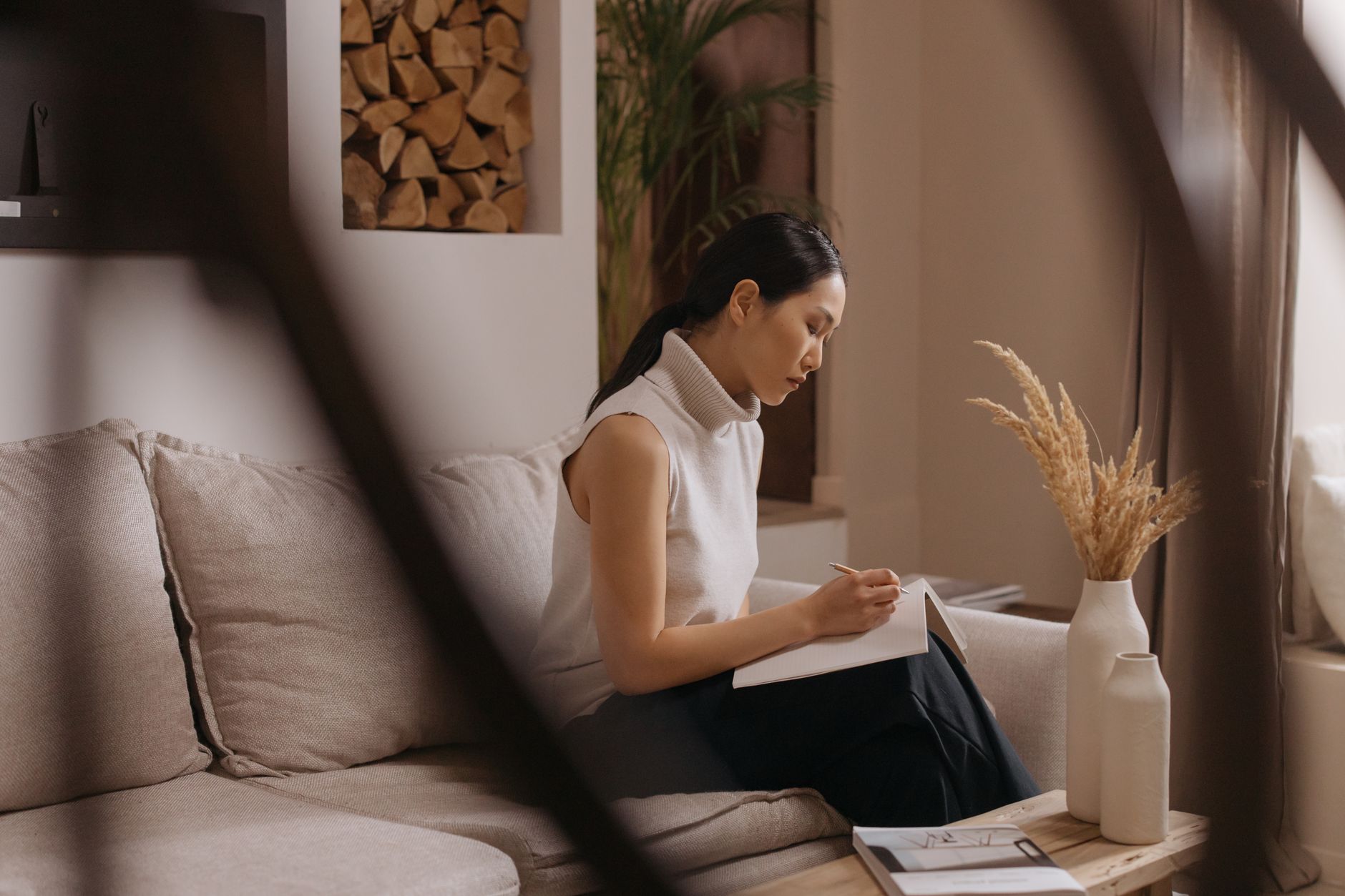
Japandi living room design beautifully harmonizes the clean simplicity of Japanese aesthetics with the cozy warmth of Scandinavian style. This trend is rooted in natural materials, neutral tones, and functionality that evokes calm. Here, we explore inspiring visuals and practical styling tips to help homeowners and remodelers create serene, stylish spaces that invite mindfulness and comfort.
Neutral Color Palette for Calm and Cohesion

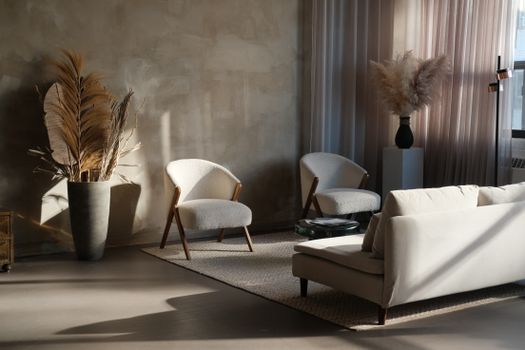
Japandi design relies on neutral hues like soft beiges, warm whites, and gentle greys to create a calm ambiance. For homeowners, using these colors on walls, furnishings, and rugs sets a cohesive, soothing stage. A key takeaway is to layer shades subtly to avoid monotony and keep the space inviting.
Natural Materials: Wood, Bamboo, and Stone

Wood, bamboo, and stone are cornerstone materials in Japandi rooms, grounding the space in natural warmth. Selecting furniture with matte wooden finishes or bamboo accents paired with smooth stone surfaces offers tactile interest. Practical tip: opt for sustainably sourced materials to maintain ethical design integrity.
Minimalist Furniture with Warm Textures
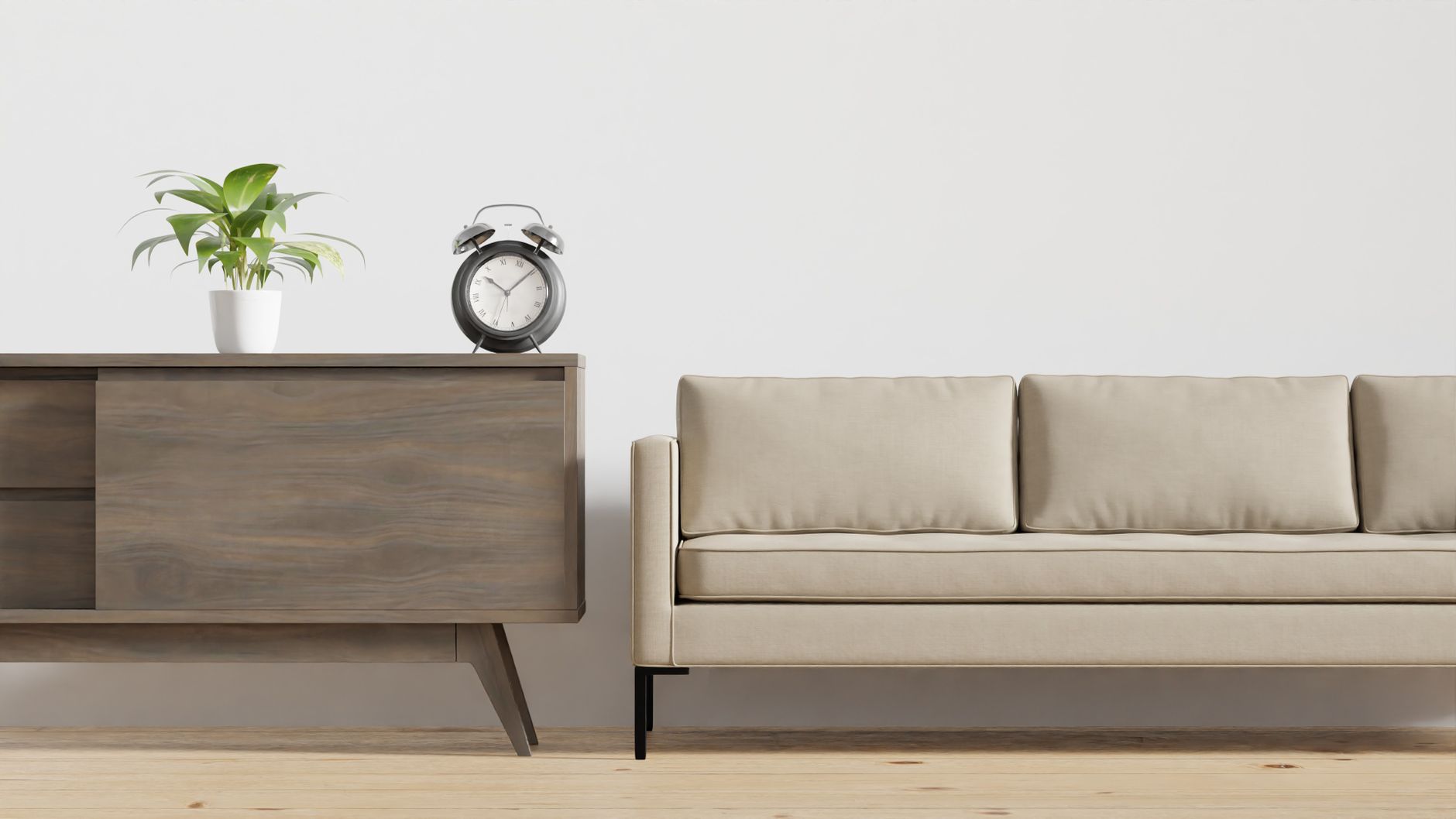
Minimalist furniture with clean lines complements the style, while warm textures like leather or woven fabrics add comfort. For example, a low-profile sofa with a natural linen cover paired with a leather butterfly chair merges function with aesthetic appeal. Prioritize quality over quantity to maintain simplicity without sacrificing coziness.
Incorporating Indoor Plants for Life and Freshness
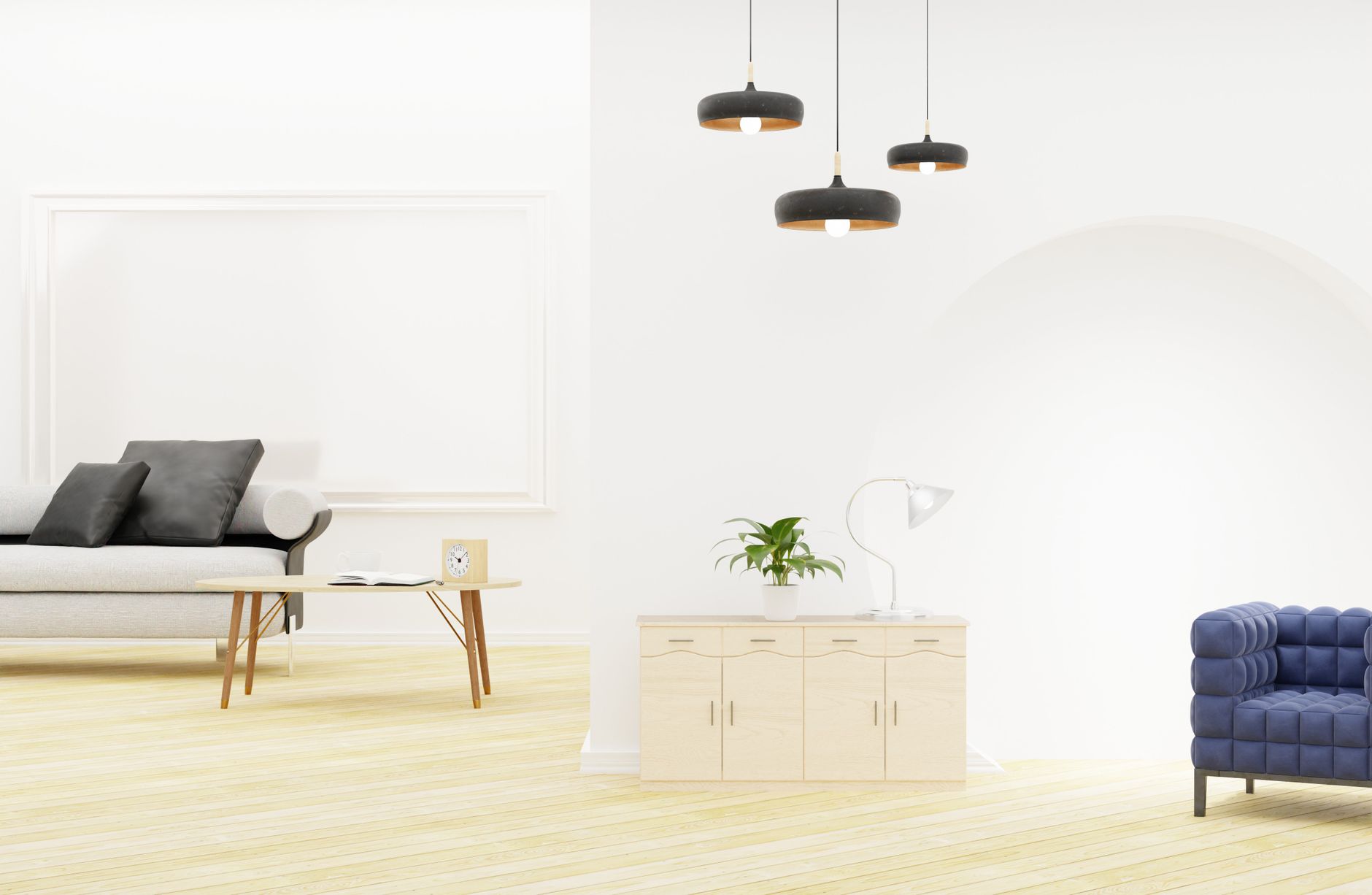
Indoor plants introduce a vital living element that enlivens and softens the space. Tall pampas grass or simple bonsai trees placed near seating areas add natural focal points. The takeaway: choose plants with understated elegance and position them thoughtfully to balance the room’s geometry.
Soft Lighting to Enhance Tranquility

Soft lighting enhances Japandi's tranquil feel. Paper lampshades or pendant lights with diffused warm bulbs create inviting atmospheres. Avoid harsh overhead lighting; instead, use layers like floor lamps and table lamps with warm tones to foster relaxation and visual softness.
Textural Variety Through Fabrics and Decor
Textural variety enriches the sensory experience—think wool throws, linen cushions, and jute rugs. Mixing these textiles layers warmth against the minimalist foundation. A practical styling tip is to combine different fabric textures in neutral tones to add depth without overcomplicating the look.
Balancing Open Space and Cozy Corners
Japandi living rooms strike a balance between open space and cozy corners. Use low-profile seating and minimalist shelving to keep the room airy. Create intimate zones using rugs and poufs to encourage comfort without clutter. Embracing negative space is essential for a visually serene atmosphere.
Practical Storage Solutions in Japandi Style
Storage in Japandi style prioritizes clean lines and natural materials, keeping clutter out of sight. Wooden cabinets with smooth, handleless surfaces or woven baskets maintain the aesthetic while offering function. Remodeling advice: integrate storage solutions seamlessly with the overall design for effortless organization.
What are the key elements of Japandi living room design?
Japandi design combines Japanese minimalism and Scandinavian warmth using neutral colors, natural materials, minimal furniture, and soft lighting to create tranquil spaces.
How can I introduce warmth into a Japandi style living room?
Use warm wood tones, layered textiles like wool and linen, soft lighting, and indoor plants to add natural warmth to the minimalist Japandi palette.
Is Japandi style suitable for small living rooms?
Yes, Japandi emphasizes simplicity and functional furniture, which maximizes space and creates an airy, clutter-free environment ideal for small rooms.
Further Reading
Japandi living room design masterfully blends minimalism with natural warmth, creating inviting, serene spaces perfect for modern lifestyles. By thoughtfully combining materials, colors, textures, and lighting, you can craft a living room that is both stylish and calming. Embrace simplicity with purpose—your Japandi-inspired living room awaits.
Related Video Resources
CTA: Explore more design inspiration on Architecture Adrenaline
Before You Commit
- Compare dimensions against your actual room measurements before buying.
- Prioritize durability and maintenance requirements for your lifestyle.
- Use lighting and material samples together to avoid mismatched tones.
- Set a realistic budget range before selecting accent upgrades.
Pinterest Inspiration Board
By The Numbers (Gov + Edu)
Use these references for the logic behind your style choices: measurable housing trends, healthier indoor environments, and practical performance guidance.
