Understanding how to pack paintings for moving is crucial to ensuring they arrive at your destination in perfect condition. Whether you're an art enthusiast with a few cherished pieces or an avid collector, properly packing and transporting artwork is essential to protecting your investment and maintaining its beauty. From securing framed art and canvases with the right materials to labeling boxes accurately for transport, let's explore the best practices to safely move your art collection.

| Step | Materials Needed | Description |
|---|---|---|
| 1. Prepare and Clean | Soft brush or cloth | Gently clean paintings to remove dust and inspect for damage. |
| 2. Protect the Surface | Acid-free paper, plastic wrap | Cover paintings to shield them from moisture and ensure surface safety. |
| 3. Secure Wrapping | Bubble wrap, tape | Wrap artwork with bubble wrap, tape edges securely, and add corner protectors. |
| 4. Pack in Boxes | Sturdy boxes, packing peanuts | Use cushioned boxes to prevent movement and absorb transit shocks. |
| 5. Label and Seal | Markers, tape | Label boxes clearly with contents and instructions like "Fragile" or "Handle with Care." |
Packing paintings for a move requires more than just a spare box and some bubble wrap. To safeguard your artwork, stock up on the essentials:
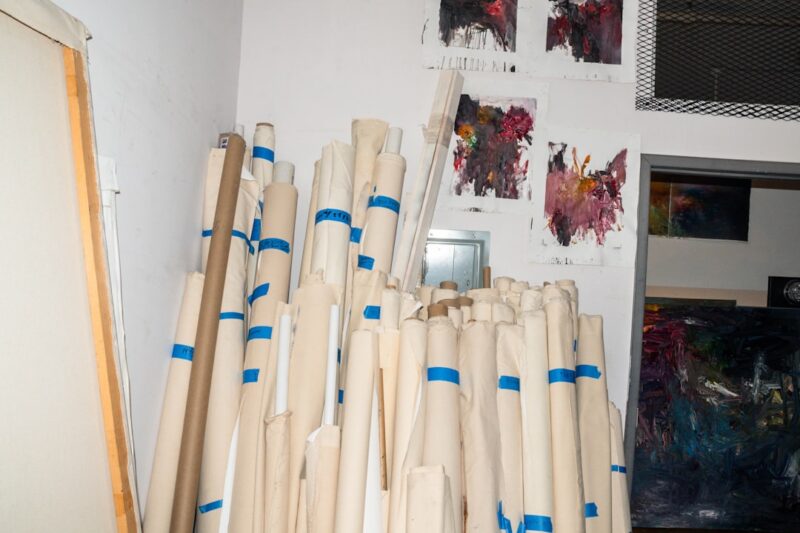
Start by giving your artwork a gentle clean using a soft cloth or brush. This step not only makes it shine but also helps identify any pre-existing damage, like small chips or cracks, that might need repair before the move. Once cleaned, remove any hanging hardware from the frames to prevent scratches. It’s important to cover the paintings with acid-free paper, which safeguards them from moisture and undesirable fading.
When wrapping, place an acid-free paper larger than the painting beneath your artwork. Secure this paper with tape, then wrap the protected painting in bubble wrap. Always ensure that the bubbles face outward to avoid any impressions on the painting. Tape the edges securely to prevent shifting during transit.
Choosing the right box is crucial. Opt for sturdy, corrugated cardboard boxes that are only slightly larger than your artwork to minimize movement. Alternatively, telescoping mirror boxes provide a custom fit. Line the bottom of the box with packing peanuts or crumpled newspaper to create a cushioned base.

Place your artwork inside, ensuring it doesn’t wiggle around. Add cushioning on all sides, and perform a shake test. If the painting moves, add more filler. Once confident in the security of the packing, seal the box with strong packing tape.
Labeling is a small step, but it makes a big difference in ensuring your art receives the care it deserves. Use a permanent marker and write clearly, marking each box with the contents, such as "Canvas Paintings, Box 1 of 3." Add your destination address, and remember to place "Fragile" or "Handle with Care" notes prominently on at least two sides of the box.
Large or particularly valuable pieces might benefit from professional packing or specialized art movers. Consider archival-grade packing materials for long-term storage or shipping of particularly valuable works.
And remember, transporting artwork in a climate-controlled environment protects it from temperature extremes that could cause warping or cracking. Adding insurance coverage for your art collection is also a wise decision for peace of mind.
Whatever your approach, packing paintings with care ensures they arrive ready to grace the walls of your new home. If you're seeking advice on moving other items, here are some tips for moving with books.
What packing challenges have you faced with your artwork? Share in the comments below—we’d love to hear your tips or answer any questions!
For more recent articles and updates on similar topics, visit our blog.
For a visual demonstration on safely packing your artwork, including paintings, The Home Depot offers an excellent tutorial on packing pictures and mirrors for moving.
For stretched or framed canvas artwork, begin by lightly covering the surface with plastic wrap to keep out dust and moisture. Then add a layer of bubble wrap for extra cushioning, securing it with tape at the edges. If your piece can be rolled—like a painted canvas or original art—sandwich it between two sheets of acid-free paper, roll gently, and slide it into a durable cardboard tube before taping it shut.
Bubble wrap not only cushions your paintings but also fills any empty space, preventing unwanted movement inside the box. It offers more reliable protection compared to paper towels, which can tear and provide minimal padding. Also, steer clear of Styrofoam peanuts when packing paintings, as they can settle or shift, leaving your artwork vulnerable.
For oversized pictures, start by fitting corner protectors to guard against bumps. Wrap the entire piece in foam or bubble wrap to add a buffer against impact. Place your protected artwork upright in a sturdy picture box, using crumpled packing paper to fill gaps and prevent movement. Clearly label the box as “Fragile” and keep it upright during the move for best results.
If you’re preparing a large canvas for a move or as a gift, apply a layer of glassine paper first to shield the paint from scratches or sticking. Wrap the artwork twice in bubble wrap for resilient cushioning, and use a tape gun to secure the edges. Add foam padding around the borders for extra corner protection, and consider an additional layer of bubble wrap if you want maximum safety during transit.
Wrapping up your beloved art pieces with the care and attention they deserve is not just a necessity but a heartfelt task for any art lover. By investing a little time and effort into understanding the packing process, you can wave goodbye to worries about your pieces experiencing any damage during the move. Remember, the right materials and a little patience go a long way in ensuring your paintings reach their new home safely. Whether it’s using acid-free paper or bubble wrap, these small steps can make a significant difference.
I hope these tips help you pack your paintings with ease and confidence! Whether you're gearing up for your move or simply planning for the future, it’s always great to stay inspired and connected with fellow art aficionados. For more creative and inspiring content, consider following us on Instagram, where we share tips, tricks, and stories that elevate your passion for art and design. Your art deserves the utmost care, and with the right guidance, you can ensure it remains as pristine as ever, wherever your journey takes you.
{"@context":"https://schema.org","@type":"BlogPosting","headline":"How to Safely Pack Paintings","url":"https://www.architectureadrenaline.com/how-to-safely-pack-paintings/","datePublished":"2025-05-17T12:16:17-07:00","dateModified":"2026-05-15T18:08:38-07:00","author":{"@type":"Person","name":"Matt Thompson","sameAs":["https://www.linkedin.com/in/architectureadrenaline/","https://twitter.com/archiadrenaline"]},"image":{"@type":"ImageObject","url":"https://www.architectureadrenaline.com/wp-content/uploads/2025/05/pexels-photo-4568735-400x600.jpg","width":1200,"height":630},"publisher":{"@type":"Organization","name":"Architecture Adrenaline","logo":{"@type":"ImageObject","url":"https://architectureadrenaline.com/wp-content/uploads/logo.png"}},"breadcrumb":{"@type":"BreadcrumbList","itemListElement":[{"@type":"ListItem","position":1,"name":"Home","item":"https://architectureadrenaline.com/"},{"@type":"ListItem","position":2,"name":"How to Safely Pack Paintings","item":"https://www.architectureadrenaline.com/how-to-safely-pack-paintings/"}]},"mainEntityOfPage":{"@type":"WebPage","@id":"https://www.architectureadrenaline.com/how-to-safely-pack-paintings/"}}
{"@context":"https://schema.org","@type":"FAQPage","mainEntity":[{"@type":"Question","name":"Must-Have Supplies for Packing Canvas Paintings","acceptedAnswer":{"@type":"Answer","text":"Packing paintings for a move requires more than just a spare box and some bubble wrap. To safeguard your artwork, stock up on the essentials:"}},{"@type":"Question","name":"Preparation and Wrapping Techniques","acceptedAnswer":{"@type":"Answer","text":"Start by giving your artwork a gentle clean using a soft cloth or brush. This step not only makes it shine but also helps identify any pre-existing damage, like small chips or cracks, that might need repair before the move. Once cleaned, remove any hanging hardware from the frames to prevent scratches. It’s important to cover the paintings with acid-free paper, which safeguards them from moisture and undesirable fading."}},{"@type":"Question","name":"Packing and Securing Your Art","acceptedAnswer":{"@type":"Answer","text":"Choosing the right box is crucial. Opt for sturdy, corrugated cardboard boxes that are only slightly larger than your artwork to minimize movement. Alternatively, telescoping mirror boxes provide a custom fit. Line the bottom of the box with packing peanuts or crumpled newspaper to create a cushioned base."}},{"@type":"Question","name":"Effective Labeling for Easy Handling","acceptedAnswer":{"@type":"Answer","text":"Labeling is a small step, but it makes a big difference in ensuring your art receives the care it deserves. Use a permanent marker and write clearly, marking each box with the contents, such as "Canvas Paintings, Box 1 of 3." Add your destination address, and remember to place "Fragile" or "Handle with Care" notes prominently on at least two sides of the box."}},{"@type":"Question","name":"Special Considerations and Pro Tips","acceptedAnswer":{"@type":"Answer","text":"Large or particularly valuable pieces might benefit from professional packing or specialized art movers. Consider archival-grade packing materials for long-term storage or shipping of particularly valuable works."}},{"@type":"Question","name":"Watch The Home Depot's Guide to Packing Pictures and Mirrors","acceptedAnswer":{"@type":"Answer","text":"For a visual demonstration on safely packing your artwork, including paintings, The Home Depot offers an excellent tutorial on packing pictures and mirrors for moving."}}]}


Immerse yourself in architecture’s most boundary-pushing ideas—where innovative home improvements meet visionary urban developments. Discover new building techniques, materials, and creative concepts that are redefining how we shape our spaces on a global scale.

