
Planning a Successful Home Renovation in the US
The Foundation of a Successful Home Renovation

Embarking on a home renovation project can be both thrilling and daunting. It's a chance to transform your living space, bringing your vision to life. But where should you start? This guide explores the essentials of planning a home renovation, enabling homeowners to navigate the process with confidence.
Understanding Your Home's Potential

Every home holds unique potential. The first step in planning a renovation is understanding what you can and can't change. This depends on your home's structure, local building codes, and your budget. An open floor plan might be possible in a suburban ranch house but not in a shipping container home.
Creating a Realistic Budget
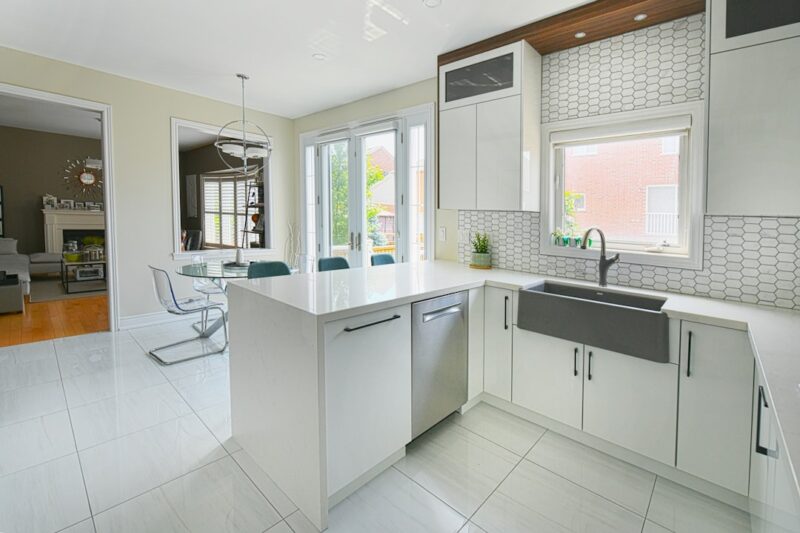
Renovations can be costly. They can also uncover unexpected issues, adding to the expense. It's essential to create a comprehensive budget that includes a contingency for unforeseen costs. Consider the pros and cons of various financing options, such as personal savings, home equity loans, or renovation loans.
Developing Your Home Design

Next, envision the outcome. You might want an open floor plan, a home addition, or a complete transformation into a shipping container home. Consider your lifestyle, needs, and personal taste. Home design software or a professional designer can help you visualize the final result.
Choosing the Right Professionals

Unless you're a DIY expert, you'll need professionals to carry out your project. This might include architects, designers, and contractors. They can guide you through complex issues like building codes, permits, and structural changes.
The Renovation Process

The actual renovation process can be disruptive and stressful. However, with careful planning, it doesn't have to be a nightmare. Here's a general outline of what to expect:
1. Initial consultation and design development
2. Obtaining permits
3. Demolition and construction
4. Installation of fixtures and finishes
5. Final walkthrough and punch list completion
Avoiding Common Mistakes
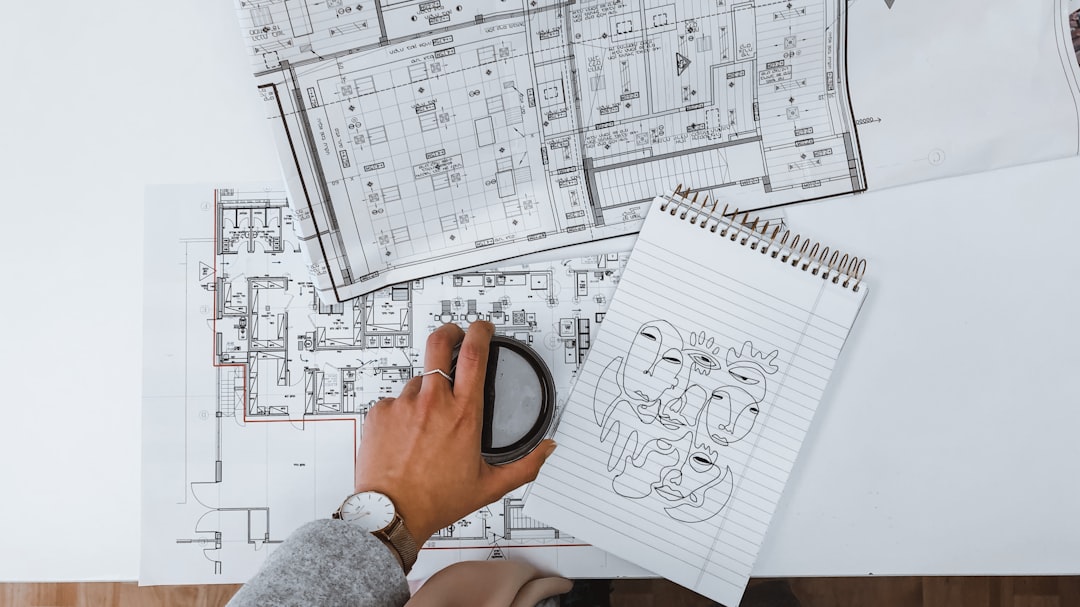
Even experienced homeowners can make mistakes when renovating. These might include underestimating costs, making impulsive design decisions, or choosing the wrong professionals. By learning from others' mistakes, you can avoid common pitfalls and ensure a successful renovation.
Transforming Your Home, Transforming Your Life
A well-planned home renovation can transform your living environment, enhancing your lifestyle and increasing your property's value. Whether you're dreaming of an open floor plan, a home addition, or a unique shipping container home, this guide will help you navigate the process with confidence and excitement.
The Johnson Residence, Cleveland, Ohio
- Original use: Single-family home
- Renovation: Open floor plan, new kitchen, two additional bedrooms
- Outcomes: Increased property value by 20%, improved energy efficiency by 30%
Data Snapshot
Average Renovation Costs in US Cities
| City | Kitchen | Bathroom | Living Room | Total |
|---|---|---|---|---|
| New York | $25,000 | $20,000 | $15,000 | $60,000 |
| Los Angeles | $22,000 | $18,000 | $14,000 | $54,000 |
| Chicago | $20,000 | $16,000 | $12,000 | $48,000 |
| Houston | $18,000 | $14,000 | $10,000 | $42,000 |
| Phoenix | $16,000 | $12,000 | $8,000 | $36,000 |
Renovation costs vary significantly by city, with New York being the most expensive and Phoenix being the least expensive.
Related: Transforming Visions into Reality: A Comprehensive Beginner's Guide to Designing a Modern
Reference: U.S. Department of Energy - Building Energy Codes Program — Official code resources and guidance for energy-efficient buildings.
Reference: ENERGY STAR - Home Design & Improvement — Practical guidance on high-performance home features.
Renovation Budget Allocation
Materials50%Labor35%Design10%Contingency5%
The majority of a renovation budget is typically allocated to materials and labor, with a smaller portion for design and contingency.
Home Renovation Process
PlanningBudgetingDesigning



Existing Mass
New Program
Parti: How to plan a home renovation
existing structure transformed into a mixed-use core.
Cleveland, OH, USA
Renovating your home is a significant project, but with careful planning, the right professionals, and a clear vision, it can be an exciting and rewarding experience. So start dreaming, start planning, and transform your home into the perfect space for you and your loved ones.
Planning Checklist
Before you commit to a design direction, lock in your program, your budget range, and your non-negotiables. Align expectations with contractors and consultants early, then build a contingency buffer for approvals, procurement, and schedule slippage.
- Define success metrics (performance, cost, schedule)
- Confirm site constraints and utility capacity
- Validate lead times for critical materials
Budget and Timeline Reality Check
For How to plan a home renovation, costs usually shift with scope decisions, structural changes, and finish selections. Model best- and worst-case scenarios, then prioritize upgrades that improve performance or durability.
Coordination Notes
Great projects are won in the coordination phase. Resolve clashes early, keep documentation tight, and run a pre-construction review to align every trade on sequencing and site logistics.
Materials and Lifecycle
Choose materials for performance and maintenance, not just aesthetics. Ask vendors for maintenance intervals, warranty terms, and long-term replacement costs so you avoid expensive surprises.
Stakeholder Alignment
Projects move faster when stakeholders share priorities. Confirm decision-makers, define sign-off points, and document tradeoffs to avoid rework late in the process.
Planning Checklist
Before you commit to a design direction, lock in your program, your budget range, and your non-negotiables. Align expectations with contractors and consultants early, then build a contingency buffer for approvals, procurement, and schedule slippage.
- Define success metrics (performance, cost, schedule)
- Confirm site constraints and utility capacity
- Validate lead times for critical materials
Budget and Timeline Reality Check
For How to plan a home renovation, costs usually shift with scope decisions, structural changes, and finish selections. Model best- and worst-case scenarios, then prioritize upgrades that improve performance or durability.
Coordination Notes
Great projects are won in the coordination phase. Resolve clashes early, keep documentation tight, and run a pre-construction review to align every trade on sequencing and site logistics.
Materials and Lifecycle
Choose materials for performance and maintenance, not just aesthetics. Ask vendors for maintenance intervals, warranty terms, and long-term replacement costs so you avoid expensive surprises.
Stakeholder Alignment
Projects move faster when stakeholders share priorities. Confirm decision-makers, define sign-off points, and document tradeoffs to avoid rework late in the process.
Planning Checklist
Before you commit to a design direction, lock in your program, your budget range, and your non-negotiables. Align expectations with contractors and consultants early, then build a contingency buffer for approvals, procurement, and schedule slippage.
- Define success metrics (performance, cost, schedule)
- Confirm site constraints and utility capacity
- Validate lead times for critical materials
Budget and Timeline Reality Check
For How to plan a home renovation, costs usually shift with scope decisions, structural changes, and finish selections. Model best- and worst-case scenarios, then prioritize upgrades that improve performance or durability.
Coordination Notes
Great projects are won in the coordination phase. Resolve clashes early, keep documentation tight, and run a pre-construction review to align every trade on sequencing and site logistics.
Materials and Lifecycle
Choose materials for performance and maintenance, not just aesthetics. Ask vendors for maintenance intervals, warranty terms, and long-term replacement costs so you avoid expensive surprises.
Stakeholder Alignment
Projects move faster when stakeholders share priorities. Confirm decision-makers, define sign-off points, and document tradeoffs to avoid rework late in the process.
Planning Checklist
Before you commit to a design direction, lock in your program, your budget range, and your non-negotiables. Align expectations with contractors and consultants early, then build a contingency buffer for approvals, procurement, and schedule slippage.
- Define success metrics (performance, cost, schedule)
- Confirm site constraints and utility capacity
- Validate lead times for critical materials
Budget and Timeline Reality Check
For How to plan a home renovation, costs usually shift with scope decisions, structural changes, and finish selections. Model best- and worst-case scenarios, then prioritize upgrades that improve performance or durability.
Coordination Notes
Great projects are won in the coordination phase. Resolve clashes early, keep documentation tight, and run a pre-construction review to align every trade on sequencing and site logistics.
Materials and Lifecycle
Choose materials for performance and maintenance, not just aesthetics. Ask vendors for maintenance intervals, warranty terms, and long-term replacement costs so you avoid expensive surprises.
Stakeholder Alignment
Projects move faster when stakeholders share priorities. Confirm decision-makers, define sign-off points, and document tradeoffs to avoid rework late in the process.
Planning Checklist
Before you commit to a design direction, lock in your program, your budget range, and your non-negotiables. Align expectations with contractors and consultants early, then build a contingency buffer for approvals, procurement, and schedule slippage.
- Define success metrics (performance, cost, schedule)
- Confirm site constraints and utility capacity
- Validate lead times for critical materials
Budget and Timeline Reality Check
For How to plan a home renovation, costs usually shift with scope decisions, structural changes, and finish selections. Model best- and worst-case scenarios, then prioritize upgrades that improve performance or durability.
Coordination Notes
Great projects are won in the coordination phase. Resolve clashes early, keep documentation tight, and run a pre-construction review to align every trade on sequencing and site logistics.
Materials and Lifecycle
Choose materials for performance and maintenance, not just aesthetics. Ask vendors for maintenance intervals, warranty terms, and long-term replacement costs so you avoid expensive surprises.
Stakeholder Alignment
Projects move faster when stakeholders share priorities. Confirm decision-makers, define sign-off points, and document tradeoffs to avoid rework late in the process.
Planning Checklist
Before you commit to a design direction, lock in your program, your budget range, and your non-negotiables. Align expectations with contractors and consultants early, then build a contingency buffer for approvals, procurement, and schedule slippage.
- Define success metrics (performance, cost, schedule)
- Confirm site constraints and utility capacity
- Validate lead times for critical materials
Budget and Timeline Reality Check
For How to plan a home renovation, costs usually shift with scope decisions, structural changes, and finish selections. Model best- and worst-case scenarios, then prioritize upgrades that improve performance or durability.
Recommended Products

Uplift V2 Standing Desk with Bamboo Top
Adjustable standing desk for healthier work habits

ASUS ProArt Studiobook - RTX 4080, 64GB RAM
Professional workstation laptop for architects