How To Fix A Leaky Faucet: Complete How To Fix A Leaky Faucet Guide
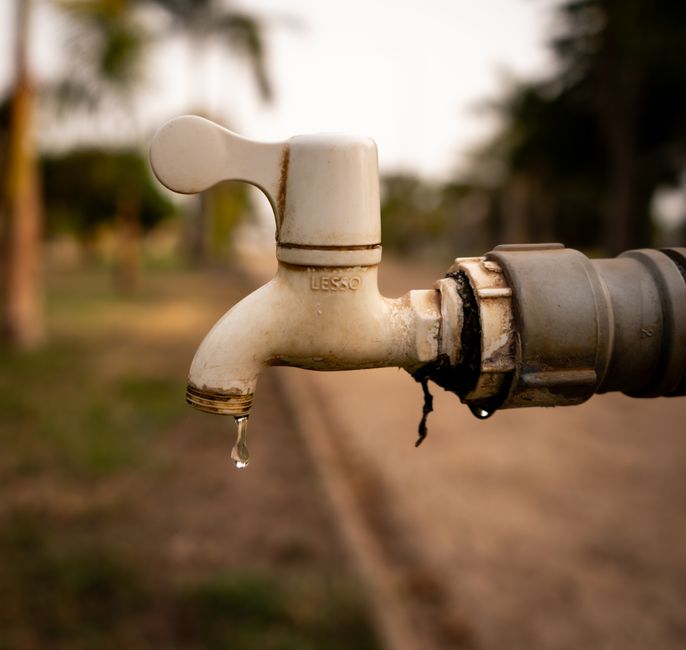
Leaky faucets are a common household annoyance that can lead to wasted water and increased costs. Fixing a leak yourself is easier than you might think, and doing so can save you money while improving your home's look and feel. In this guide, you’ll discover practical steps to repair various faucet types, with expert tips on materials and styling to seamlessly blend repairs into your design. Whether you want to update your kitchen or bathroom, or simply stop that drip, this guide is your go-to resource.
What Is How To Fix A Leaky Faucet?
Faucet leaks usually stem from worn-out washers, O-rings, or valve seats. The repair process varies depending on whether you have a compression, cartridge, ball, or ceramic-disc faucet. Understanding your faucet type is key before you begin. This guide covers how to identify the problem, gather the right parts, and execute repairs with precision. Alongside functional fixes, we’ll highlight material choices and styling tips to keep your fixtures looking fresh and cohesive with your interior design.
⚠️ Safety First
- Wear gloves to protect your hands from sharp edges and cleaning agents.
- Ensure the work area is dry to prevent slips and electrical hazards.
- Use tools properly to avoid injury and damage to fixtures.
- Do not overtighten screws or nuts to prevent stripping or cracking.
🛠 What You'll Need for How To Fix A Leaky Faucet
Materials
- Replacement washers and O-rings — essential for sealing leaks in compression faucets
- Cartridge or valve assembly — needed if your cartridge or valve is damaged
- Plumber’s grease — to lubricate parts and extend faucet life
- Thread seal tape (Teflon tape) — ensures watertight seals on threaded connections
- Cleaning cloth and vinegar — for removing mineral buildup before installation
Tools
- Adjustable wrench — to loosen and tighten nuts without damaging fixtures
- Screwdrivers (flathead and Phillips) — for removing handle screws and trim plates
- Allen wrench (hex key) — required for some faucet handle setscrews
- Pliers — to grip and remove stubborn parts
- Utility knife — for cutting old washers or tape cleanly
Step-by-Step Instructions
Step 1Identify Your Faucet Type⏱ ~15 min
Start by determining whether your faucet is compression, cartridge, ball, or ceramic-disc. This affects the repair method and parts needed. Turn off the water supply valves under the sink and open the faucet to drain remaining water.
💡 Pro Tip: Look for manufacturer markings or model numbers on the faucet base or handles to assist with part identification.
Step 2Disassemble the Faucet Handle⏱ ~20 min
Use the appropriate screwdriver or Allen wrench to remove the handle screws. Gently lift the handle off to expose internal components. Keep screws and parts organized to avoid loss.
Step 3Remove the Cartridge or Valve Assembly⏱ ~30 min
Depending on faucet type, use pliers or an adjustable wrench to unscrew the cartridge or valve assembly. Inspect for visible wear, cracks, or mineral buildup.
💡 Pro Tip: Soak parts in vinegar for 10 minutes if mineral deposits are present to ease removal.
Step 4Replace Worn Washers and O-rings⏱ ~25 min
Carefully remove old washers and O-rings with a utility knife or screwdriver. Match replacement parts by size and shape exactly. Apply plumber’s grease to new O-rings before installation to ensure smooth operation.
Step 5Reassemble the Faucet and Test for Leaks⏱ ~20 min
Reinstall the cartridge or valve assembly, then reattach the handle. Turn the water supply back on and check for leaks by running the faucet through its motions. Tighten connections if necessary.
💡 Pro Tip: Use thread seal tape on threaded parts to prevent future leaks.
Step 6Clean and Style Your Faucet Area⏱ ~15 min
Wipe down the faucet and surrounding sink area with a cleaning cloth. Consider polishing with a mild, non-abrasive cleaner to restore shine. Coordinate faucet finishes with nearby hardware and fixtures for a cohesive look.
💡 Pro Tips & Expert Advice
- Always turn off your water supply before starting to avoid flooding.
- Label parts as you remove them to ensure proper reassembly.
- Keep a bowl nearby to hold small screws and washers.
- If unsure about your faucet type, take a photo and consult your local hardware store for guidance.
- Use plumber’s grease sparingly to avoid attracting dirt inside the faucet.
Frequently Asked Questions
- Q: How do I know if I need to replace the entire faucet instead of just fixing the leak?
- A: If your faucet is old, corroded, or parts are no longer available, replacement may be more cost-effective than repair.
- Q: Can I fix a leaky faucet without turning off the water supply?
- A: No, always turn off the water supply to prevent water damage and ensure safe repairs.
- Q: What if the leak persists after replacing washers and O-rings?
- A: You may need to replace the cartridge or valve assembly, or consult a professional plumber.
- Q: How often should I check my faucets for leaks?
- A: Inspect faucets every 6 months to catch leaks early and maintain efficiency.
- Q: Can mineral buildup cause leaks?
- A: Yes, mineral deposits can prevent seals from seating properly. Cleaning these deposits can often resolve leaks.
Fixing a leaky faucet is a straightforward task that can save you money and water while enhancing your home’s style. By following these expert steps and using the right materials and tools, you can confidently tackle leaks yourself. Regular maintenance and timely repairs extend your faucet’s lifespan and keep your space looking polished and functional. Start your repair today and enjoy the satisfaction of a drip-free, beautifully styled faucet.
Ready to get started?
Get a free quote from local professionals in your area.
Design Deep Dives & Resources
Use these references to go deeper on layouts, materials, lighting, safety, and maintenance decisions that matter for this style.
Research-Backed Planning Notes
- Outdoor lighting should have a job: DOE frames outdoor residential lighting around aesthetics, security, and utility, with controls and shielding to reduce waste and glare. Layer low path lights, focused task lights, and shielded accent lights instead of flooding the entire patio with one harsh fixture. Source: U.S. Department of Energy
- Plant choice affects maintenance and longevity: UMN Extension emphasizes function, maintainability, environmental soundness, cost-effectiveness, and visual appeal in sustainable landscape design. Choose plants around sun, soil, mature size, and maintenance tolerance before choosing containers or furniture colors. Source: University of Minnesota Extension
- A good landscape behaves like connected rooms: USU Extension compares landscapes to outdoor rooms with different uses, volumes, circulation paths, and water needs. Use the cover, furniture layout, pavers, screens, and planting edges to define a room rather than scattering decor around the slab. Source: Utah State University Extension
On Architecture Adrenaline
- How to Fix a Leaking Faucet: A Step-by-Step Guide: Read the full guide
- How to Fix a Leaky Faucet: Read the full guide
- Glacier Bay Faucets: Read the full guide
- How to Clean a Water Softener: Step-by-Step Guide: Read the full guide
Authoritative Planning References
- Illuminating Engineering Society Standards - Professional lighting reference for terminology, visual comfort, glare, and application-specific lighting practice.
- American Society of Interior Designers - Professional interior design organization for design practice, wellness, sustainability, and industry context.
- International Code Council I-Codes - Use this as a starting point for code families, then verify the code edition adopted by the local building department.
- DOE Energy Saver Lighting Design - Practical guidance for efficient indoor and outdoor lighting layers, controls, glare reduction, and fixture placement.
- University of Minnesota Extension Landscape Design - Extension guidance on site conditions, plant selection, maintenance, function, cost-effectiveness, and visual appeal.
External Inspiration
Editor-Selected Amazon Finds
Use these shopping starting points to compare dimensions, weather ratings, and reviews before buying.
How To Fix A Leaky Faucet lighting
Start with lighting because it changes how every finish reads.
How To Fix A Leaky Faucet storage
Keeps the space functional instead of just photogenic.
How To Fix A Leaky Faucet decor
Use restraint and repeat materials already in the room.
Extra Visual Inspiration