Hide your TV behind art to elevate your home décor! Discover how to blend style with technology for a seamless look. Learn more today!
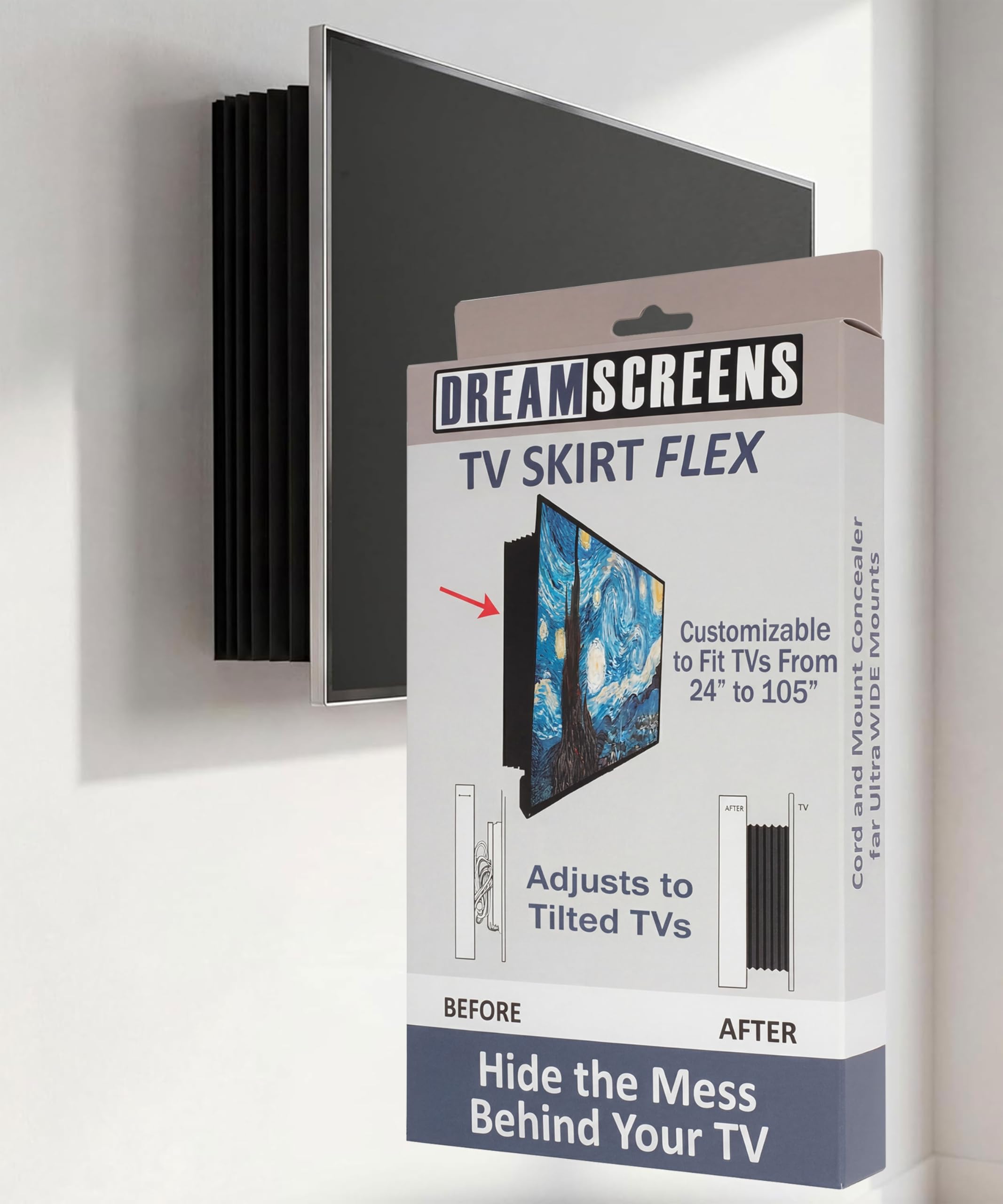
TV Skirt blocks visible wires and mounts for a cleaner wall aesthetic.
Enhance a wall-mounted TV area by concealing cables and mounts with a curtain-style cover. This solution provides a soft, decorative barrier between the wall and the TV setup, reducing visual clutter and improving room aesthetics. It’s especially useful in living rooms or bedrooms where a polished, cable-free look is desired.
Key details for consideration include ease of installation, fabric or material quality, and how well the skirt integrates with existing decor. The product is positioned to blend with furniture while keeping wires out of sight.
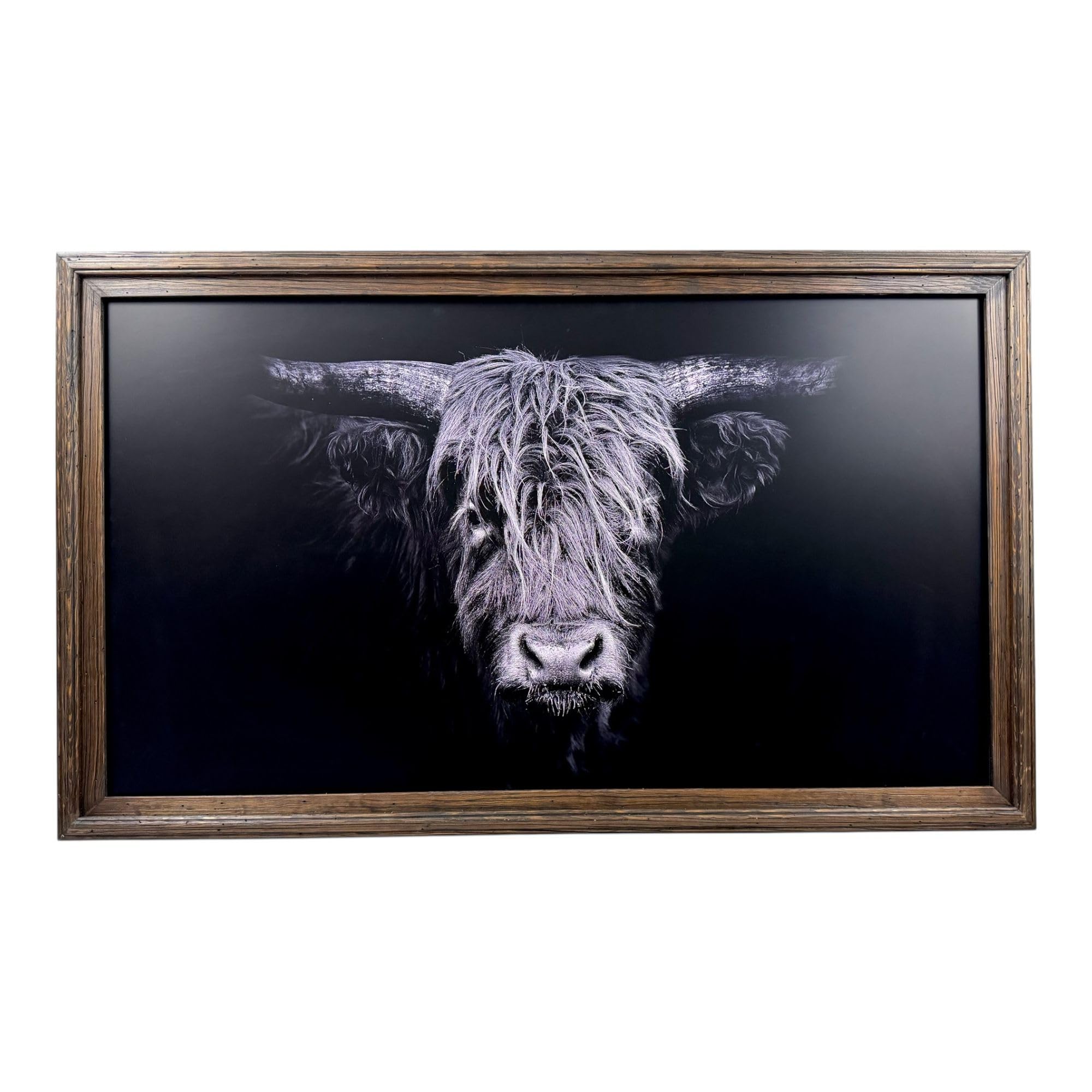
Rustic dark wood frame to complement Samsung The Frame TV for a gallery-like look.
Create a cohesive, art-gallery vibe by framing the Samsung The Frame TV with a handcrafted wood frame. This option adds a touch of rustic elegance while keeping the TV integrated into room decor. It’s especially appealing for spaces that double as living areas and galleries.
Considerations include finish quality, compatibility with The Frame series, and installation steps required to attach the frame securely. This frame is offered in multiple sizes to match 32–55 inch screens.
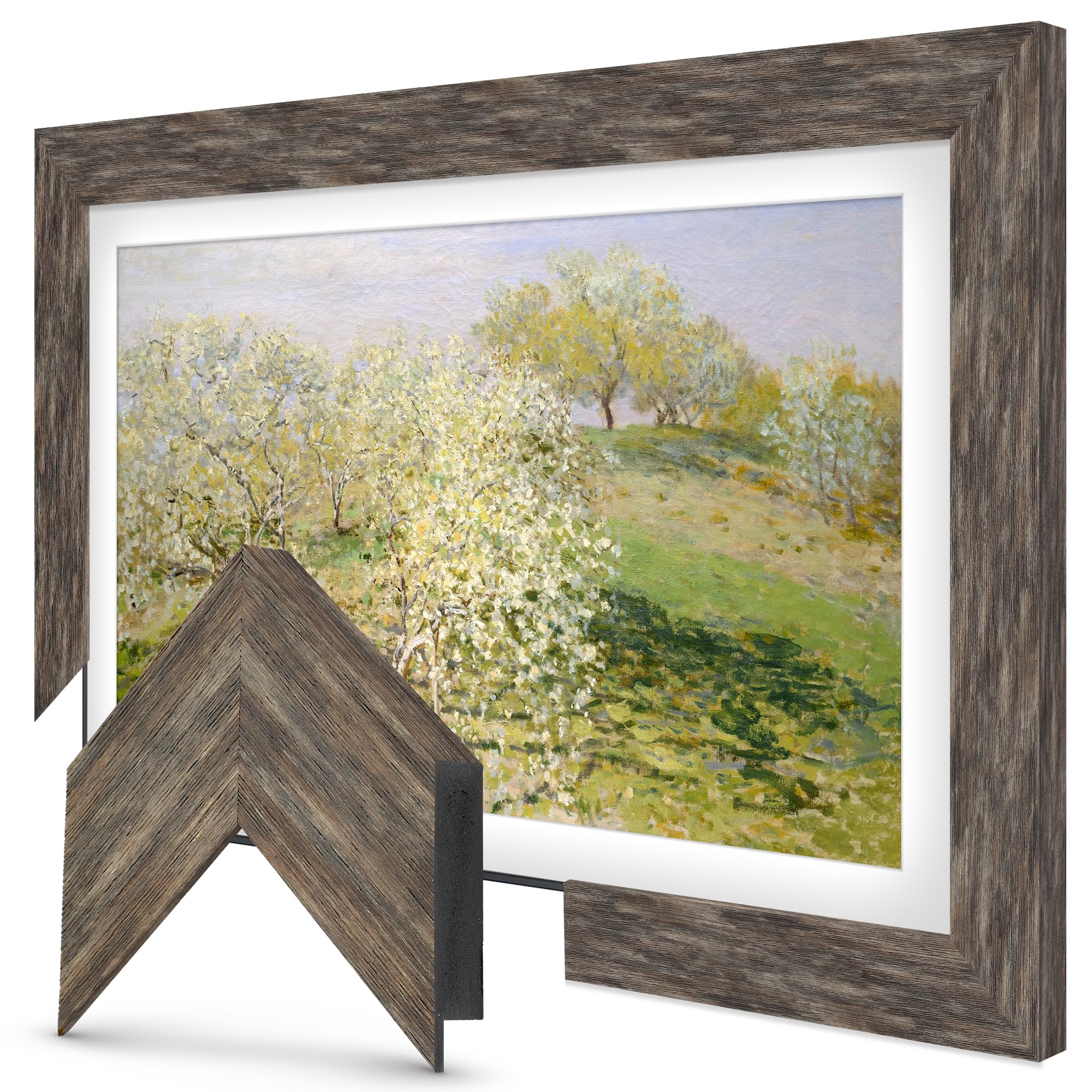
Distressed barnwood frame; adds character to The Frame TV.
Give The Frame TV a rustic, handcrafted appeal with a distressed barnwood deco frame. This option is ideal for homes with rustic, farmhouse, or cabin-inspired interiors, helping the screen blend as a piece of wall art.
Key considerations include frame finish consistency, possible impact on color balance of the display, and installation compatibility with Frame/Pro models.
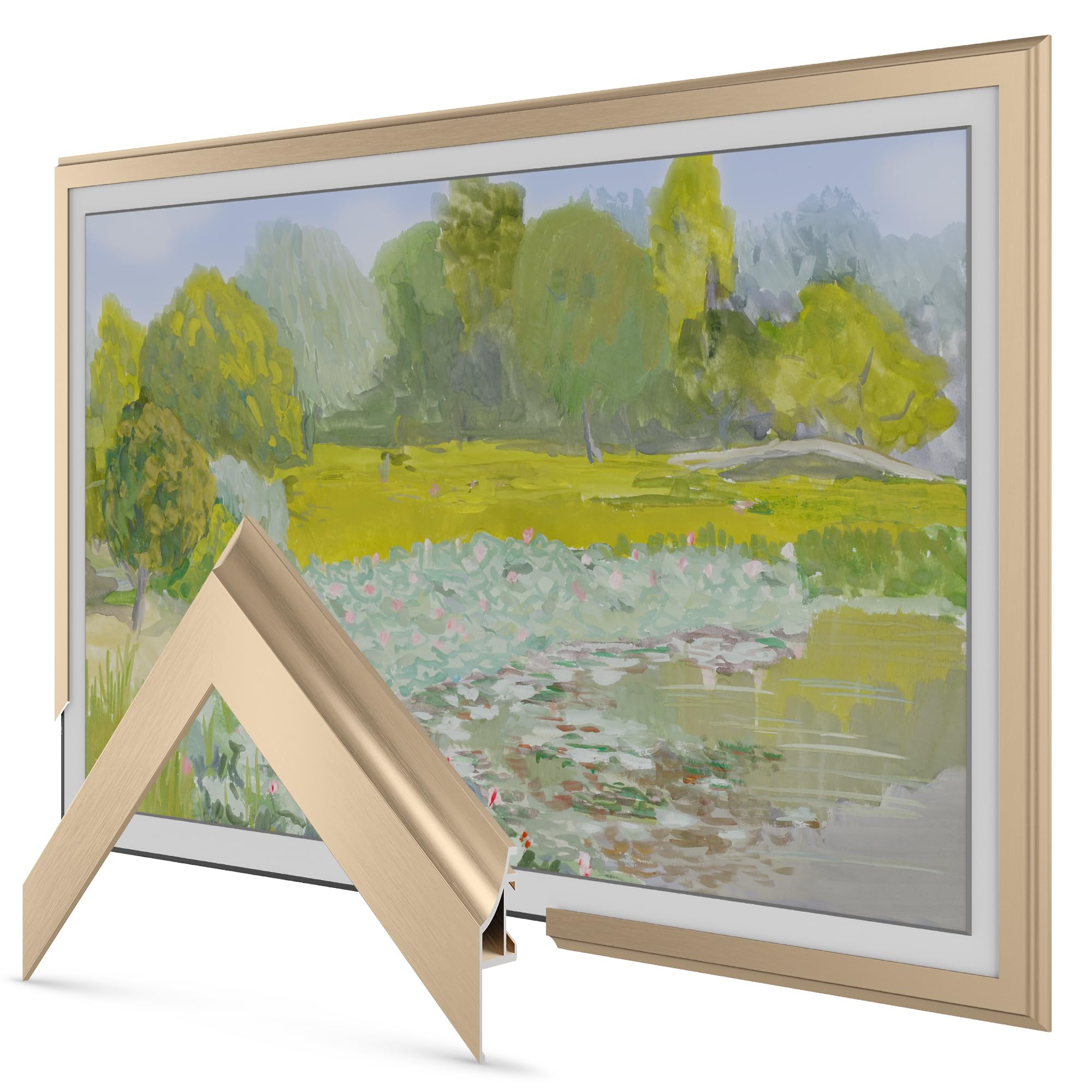
Pale gold scoop deco frame adds a luxe metallic accent.
A pale gold scoop deco frame brings a premium metallic accent to Samsung The Frame TVs, enhancing a refined aesthetic while maintaining the screen’s role as art. The frame design aims to complement upscale interiors without overpowering the display.
Considerations include color harmony with furniture, frame fit for the target screen, and installation ease along with durability of the finish.
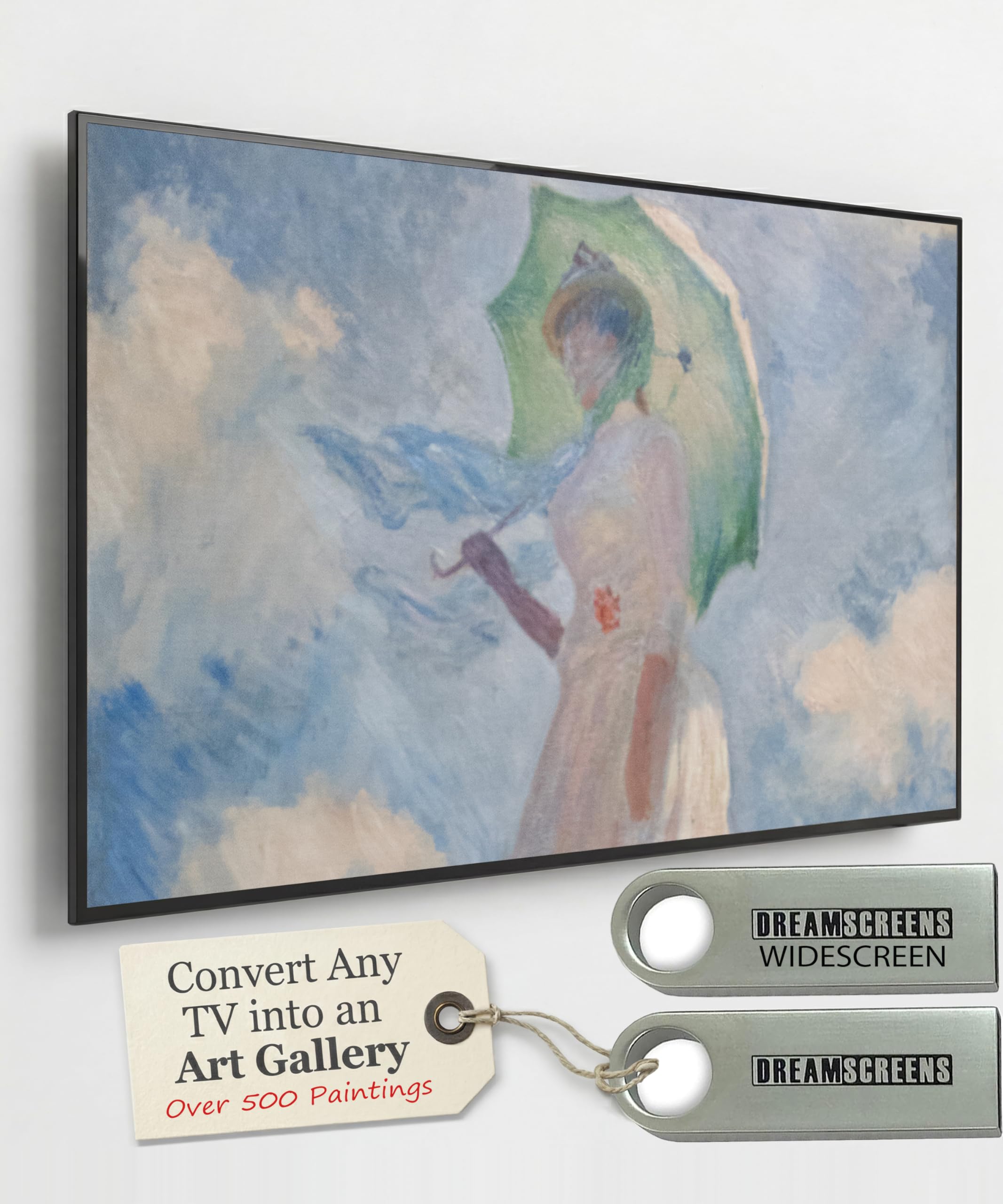
Impressionist art collection to elevate the room’s gallery feel.
Turn your living space into a virtual art museum with a curated Impressionist collection. This option blends digital curation with the idea of transforming walls into a gallery, aligning with the “hide tv behind art” concept by pairing art-driven displays with wall aesthetics.
Key points include breadth of artwork available, licensing considerations, and how digital art integration complements any out-of-the-box TV hiding solution or frame kit.

White cable management kit to hide wires behind the wall.
This kit focuses on cable management, hiding wires behind the wall to deliver a seamless front view without visible cords. It includes pass-throughs, locking brackets, and hardware to simplify a clean install behind the TV.
Considerations include wall type compatibility, installation time, and whether recessed power or pass-throughs are needed in your setup.
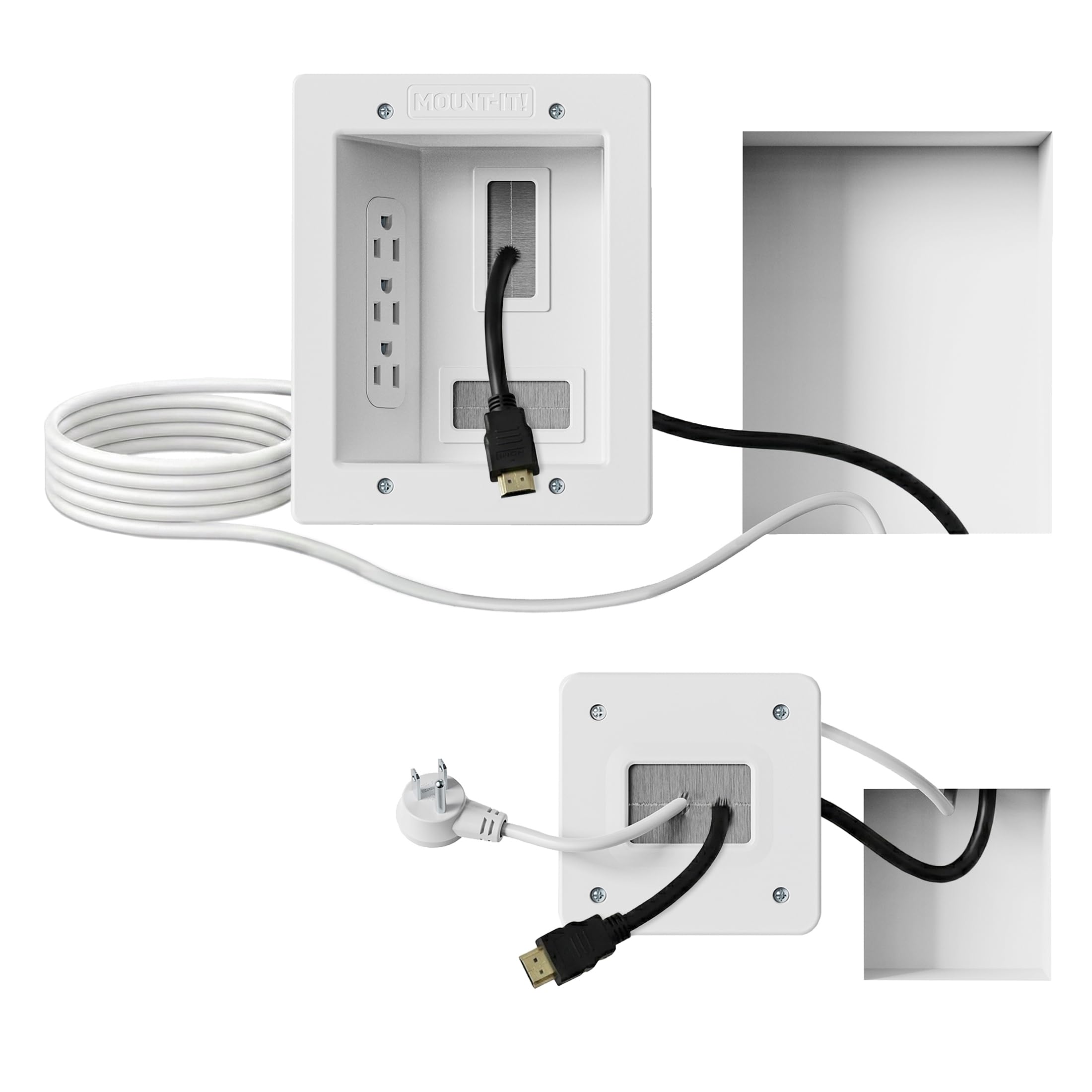
In-wall cable concealer with recessed power and saw-friendly design.
Efficiently conceal TV cables with a recessed power kit, featuring a triple outlet and 9-foot cord. This solution is designed to keep the installation tidy and safe, reducing visible cords and clutter around a wall-mounted television.
Factors to evaluate include electrical code compliance, ease of access for future changes, and whether the included saw enables a precise cut for your wall type.
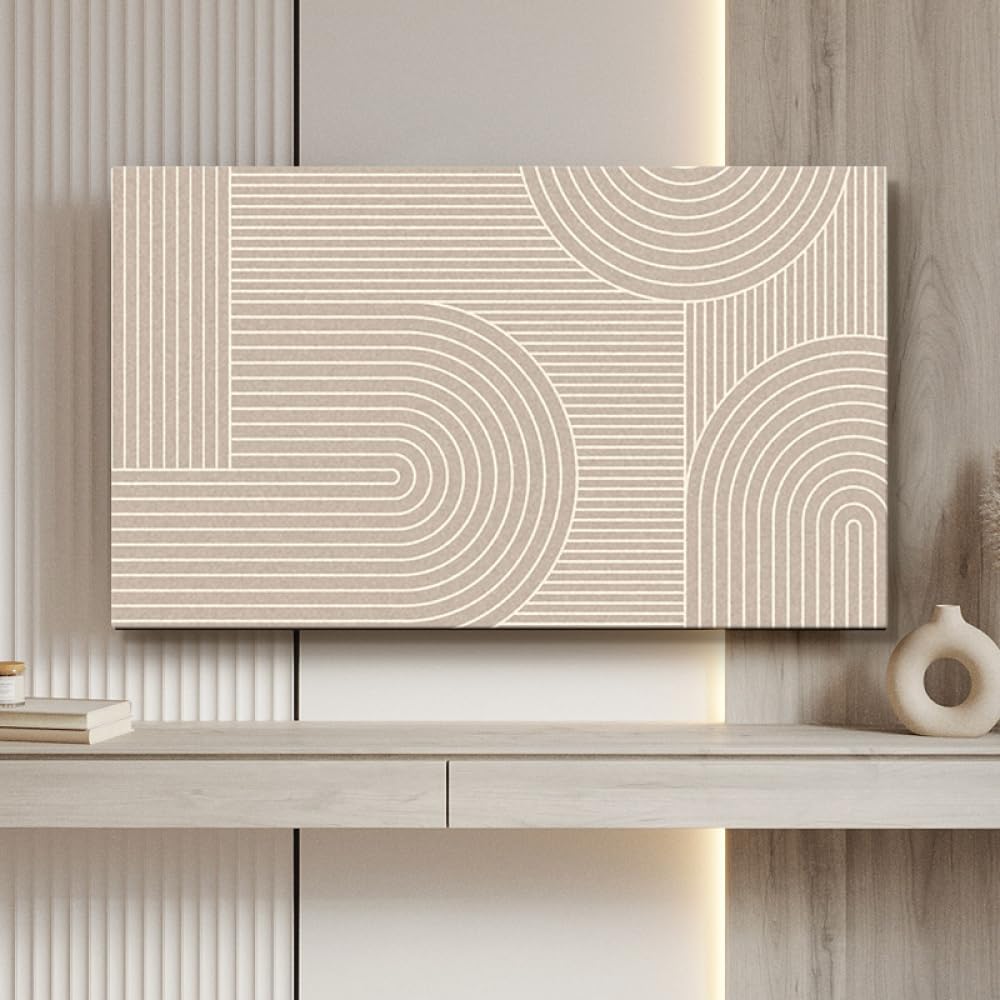
Dust cover to protect screens when not in use or during off-season.
A dust cover helps protect large TVs from dust buildup and minor airborne debris when the TV is not in use. While primarily functional, choosing a cover that fits well and complements room decor contributes to a cohesive hide-the-TV aesthetic.
Key considerations include cover fit for 42–85 inch TVs, material durability, and whether the cover interferes with ventilation during extended use.

Alternative art-frame display for a TV-like gallery experience.
An Art Frame TV alternative provides a way to present art in place of a traditional TV screen, aligning with the concept of hiding the TV behind art while offering a gallery-forward experience. It can serve as a stylish substitute in spaces that prioritize artwork as the focal point.
Key points include compatibility with various display types, ease of switching art collections, and how this option integrates with room lighting and mood.
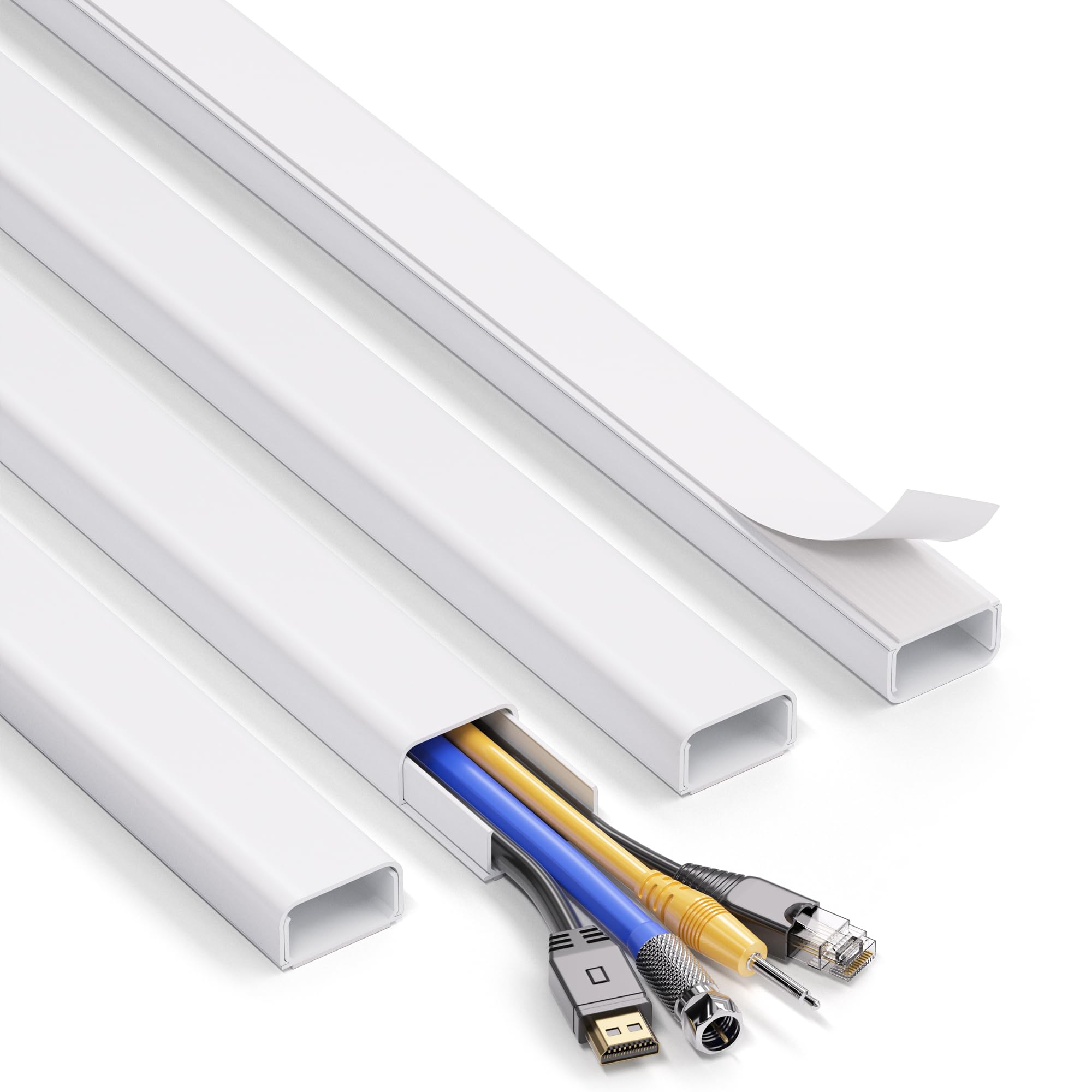
66-inch wire hider kit to manage multiple cords behind the TV.
Wide wire-hider solutions help organize several cords running from wall-mounted TVs. A long, adhesive-backed cover can streamline cable management while keeping cables neatly concealed along the wall for a clean, minimalist appearance.
Important considerations include the number of cords supported, adhesive strength, and whether the kit accommodates future wiring changes.
Hide TV behind art: transform a functional screen into a seamless, gallery-worthy focal point by concealing the television behind curated artwork or decorative panels. When a TV sits in the middle of a room, it can clash with interior design. By using purpose-built art-based concealment solutions, you can enjoy your screen without sacrificing style.

| Option | Key Feature | Ideal For |
|---|---|---|
| Edge Media Frame | Handcrafted solid hardwood frame that magnetically attaches to a backboard, concealing mounting hardware and wires | High-end, finished look with minimal visible hardware |
| Moving Art Screens | Artwork is printed at museum quality and scrolls up/down to reveal or conceal the TV | Artists’ prints or curated collections that can become a dynamic portrait gallery |
| Eclipse Art Lifts | Art, mirrors, or decorative panels slide to uncover the TV with no visible tracks | Clean, trackless concealment for wall surfaces and existing art strategies |
For many homes, concealing a television behind art is not just about camouflaging a screen; it’s about creating a cohesive aesthetic where technology recedes into the design narrative. The Edge Media Frame, Moving Art Screens, and Eclipse Art Lifts are among the premium options designed and built in the US by skilled craftsmen, offering different mechanisms to suit varied interiors. These systems are typically customized to the wall, TV model, and preferred artwork, ensuring a bespoke fit that feels intentional rather than industrial.
The Edge Media Frame uses a solid hardwood frame hand-fitted around a backboard. The TV remains mounted and connected behind the backboard, and the frame magnetically attaches to conceal the hardware. This approach delivers a refined, museum-ready appearance that blends with wood tones and traditional furnishings. It’s particularly appealing when you want visible artistry to frame the display rather than the other way around.

Moving Art Screens display high-resolution prints that resemble gallery canvases. The artwork can be programmed to glide upward or downward, revealing the TV only when needed. This option is ideal for spaces where art is a central design element and the owner wants the screen to disappear completely when not in use. The result is a living, breathing gallery wall that doubles as an entertainment hub when the moment calls for it.

Eclipse Art Lifts provide a track-free experience by sliding art panels to uncover the TV. Because there are no visible tracks, the viewing surface remains pristine, and the reveal feels almost magical—like a painting simply stepping aside for a moment. This approach suits modern walls that prize clean lines and uninterrupted surfaces.
Beyond the premium brands, other notable players in the field include VisionArt, which offers custom framed art with motorized retracting canvases to cover a TV—creating a painting-like cover that hides the screen when off. TV CoverUps also presents a theater-style installation box that encloses the TV behind framed artwork or mirrors, with manual or remote-controlled lift mechanisms. These solutions emphasize versatility, allowing you to use your own art or switch designs as your tastes evolve. Media Décor also highlights a network of design centers and retailers, underscoring the importance of professional installation and coordinated systems integration.
How do I know which option fits my room? Start by evaluating wall space, ceiling height, and nearby lighting. A trackless Eclipse lift might suit a clean, uninterrupted wall, while a Moving Art Screen can excel in a living room that doubles as an art gallery.
Will it affect picture quality or TV performance? Concealment systems are designed to minimize heat buildup and cable distance, but always verify that ventilation and cable routing meet the TV’s requirements. A professional installation helps preserve picture quality while maintaining aesthetic appeal.
If you’re considering hiding a TV behind art, gather your wall dimensions, confirm TV size, and review your preferred aesthetic with a specialist. The goal is a seamless integration where technology remains accessible yet unobtrusive, turning the room into a cohesive space where art and entertainment coexist gracefully.
Have you experimented with hiding a TV behind art in your home? Share your experiences, favorite combinations of frames and prints, or questions about specific products in the comments below. If you’re exploring a unique look, the idea of incorporating art and technology can be a starting point for playful, personalized arrangements that keep your space lively and sophisticated. You might also encounter options that spark inspiration for your own design story, or ideas that help you blend function with form.
For more details, you can explore exhibitors and craftsmen who design custom TV concealment solutions, including TV concealment frames for hiding a television behind art, Moving Art Screens, Eclipse Art Lifts, VisionArt, and TV CoverUps. Whether you’re aiming for a museum-caliber display or a subtle, almost invisible screen, there are paths to hide TV behind art that fit your home’s temperament and budget.
Note: Media Décor’s products and related options are frequently customized and built to order in the United States, with ongoing collaborations across smart-home ecosystems to ensure a cohesive, reliable user experience. If you’d like, you can request model comparisons and installation notes from authorized dealers to help tailor a setup to your space.
Have you tried concealing a TV behind art in your home? What frames, prints, or mirrors worked best for you? Share your experiences, photos, or questions in the comments to help others embark on a similar transformation.
To explore more options and get expert guidance, you can visit resources from Edge Media Frame, Moving Art Screens, Eclipse Art Lifts, VisionArt, and TV CoverUps. The goal is a space where art and entertainment coexist gracefully, with a screen that recedes when not in use and reappears with a simple, satisfying gesture.
As you can see, hiding your TV behind stunning pieces of art not only adds a unique touch to your home décor but also creates a seamless blend of form and function. It's the perfect solution for those who want to enjoy the latest shows without sacrificing the aesthetic of their living space. Plus, the thrill of revealing your hidden screen is like having a secret in plain sight! So whether you opt for a mechanical artwork that lifts away or a stylish frame that complements your existing art, you’re bound to impress family and friends with your creativity.
If you're excited about the idea of blending art with technology in your home, you're not alone! We love sharing tips and inspiration that help you make the most of your spaces. Don’t forget to check out more of our favorite ideas on design and décor over on our Instagram page, where we keep the creativity flowing. Stay connected and keep your home looking fabulous!


