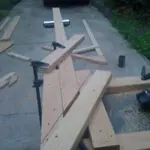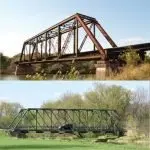
Understanding the difference between rafters and trusses is crucial for anyone considering construction projects or home renovations. Both rafters and trusses serve as essential components in roof construction, yet they offer distinct advantages. While rafters have traditionally provided flexibility and simplicity for custom designs, trusses represent a modern solution, especially in post-frame buildings, offering enhanced stability, precision, and efficiency. Trusses, prefabricated and designed to handle longer spans and heavier loads, significantly reduce construction time and costs compared to rafters. This table summarizes the key distinctions between these two construction elements.
| Aspect | Rafters | Trusses |
|---|---|---|
| Construction | Built on-site | Prefabricated |
| Design Flexibility | Highly customizable | Limited customization |
| Span Capability | Shorter spans | Longer spans |
| Cost | Higher labor costs | Lower labor costs |
| Load Support | Lightweight loads | Heavier loads |
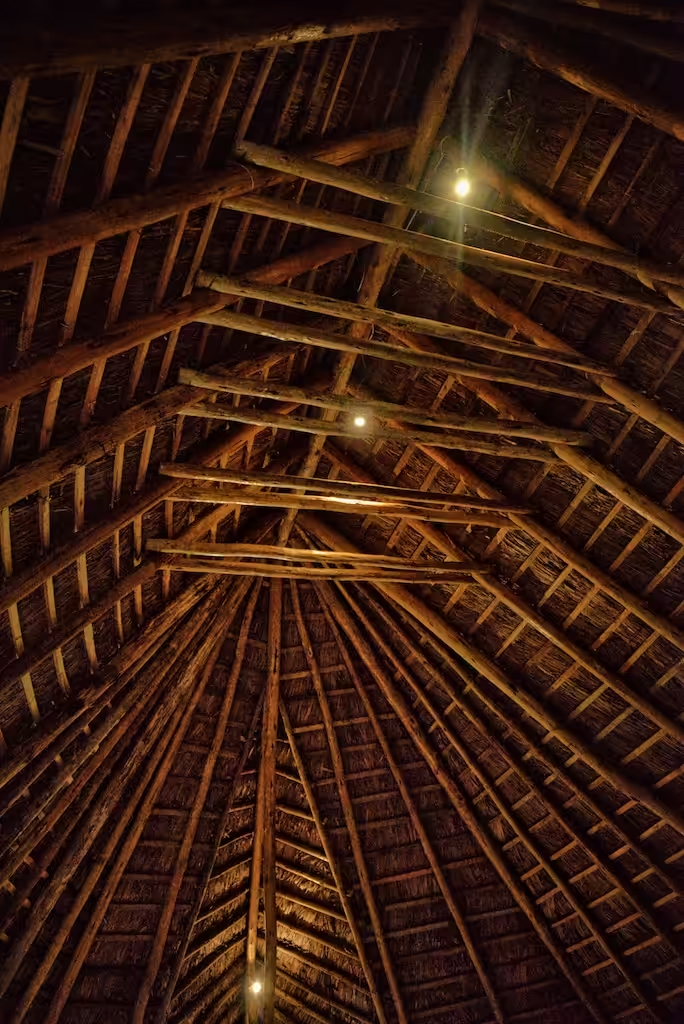
Ever stood in the middle of a construction site, squinting up at the skeleton of a roof, and wondered why some projects opt for rafters while others choose trusses? It's a scene straight out of a home improvement show, but behind this decision is a blend of engineering, aesthetics, and practicality that can make your head spin faster than a power tool. Let's unravel this roof-raising mystery and see why the prefabricated promises of trusses are becoming the go-to solution for modern builders.
The Strength of Precision: Advantages of Trusses
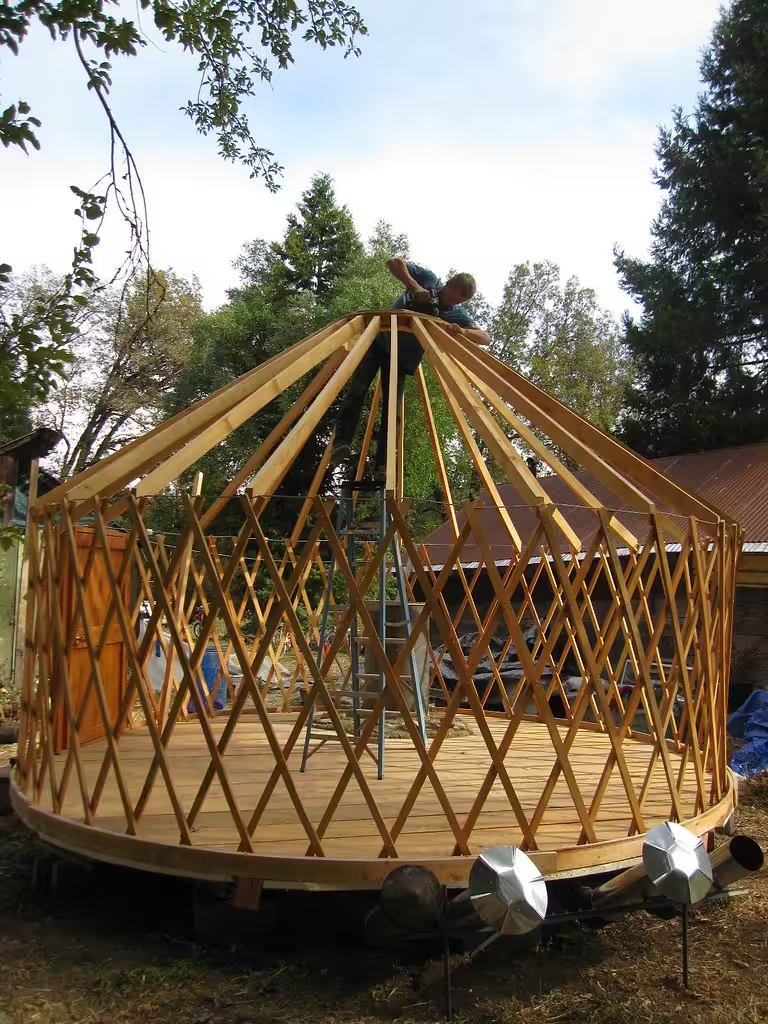
Imagine trying to handcraft a jigsaw puzzle on a windy day. Tricky, right? That's a bit like working with rafters compared to the precise puzzle-like assembly of trusses. Trusses are all about precision and efficiency. Prefabricated off-site with exact measurements, they arrive ready to install, much like assembling a Lego set where every piece clicks perfectly into place. This means:
- Reduced on-site labor time
- Lower overall project costs
- Enhanced structural integrity and accuracy
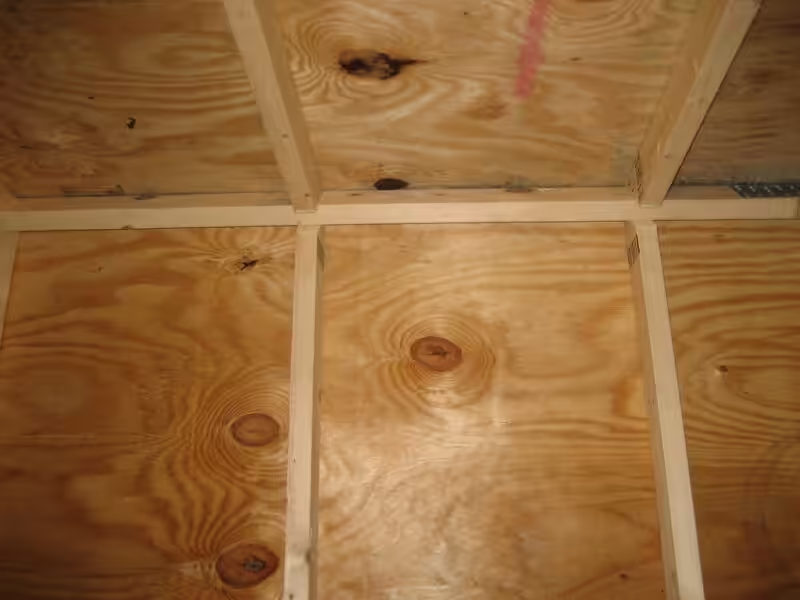
Thanks to CAD software and revolutionary metal truss plates, the design and connection of each component are optimized for stability, leading to safer and more reliable buildings. Unlike the traditional rafters, which are custom-built on-site, trusses provide a uniform quality that is hard to beat.
Beyond Tradition: Rafters vs. Trusses
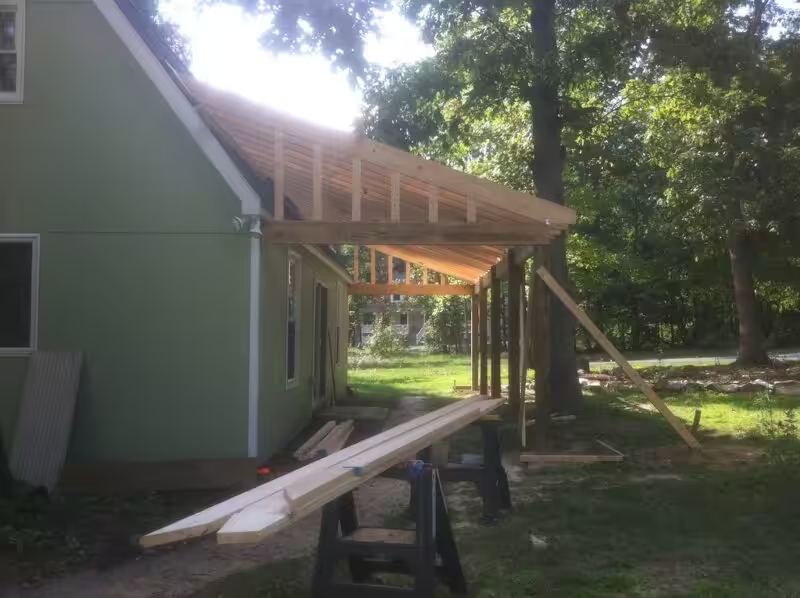
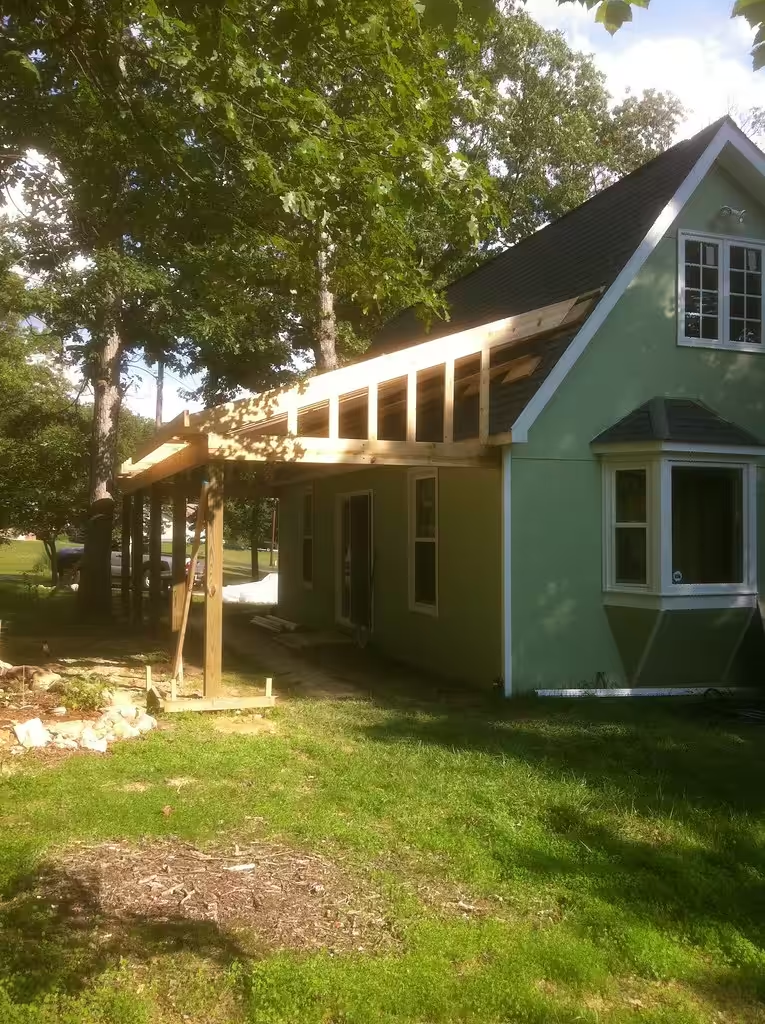
Historically, rafters have been the cornerstone of residential construction. They offer a level of flexibility unmatched by trusses, allowing for unique, intricate designs custom-fitted to any creative architectural whim. However, this flexibility comes at a cost of higher labor expenses and longer construction times. While rafters require skilled craftsmanship thanks to their more hands-on assembly approach, they aren't always the practical or economical choice for large modern structures.
In contrast, trusses shine in scenarios demanding faster build times and efficient load distribution. Their ability to support heavier weights and cover longer spans can easily accommodate the demands of larger buildings more effectively than traditional rafter-systems.
Choosing Your Skyward Path: Key Considerations
How do you decide between rafters and trusses? This choice often depends on several factors:
- Project Size and Scope: Larger projects with longer spans typically benefit from trusses.
- Budget Constraints: Trusses can often save money on labor and materials.
- Design Needs: Rafters still reign supreme for certain custom or aesthetic requirements.
For many builders, the question has shifted from "Why use trusses?" to "Why not?" As highlighted by the National Association of Home Builders, prefabricated trusses are used by a significant majority of residential home builders today. They represent not only an evolution in building technique but also a commitment to quality, safety, and efficiency, as detailed in the Truss Plan Cover Sheet.
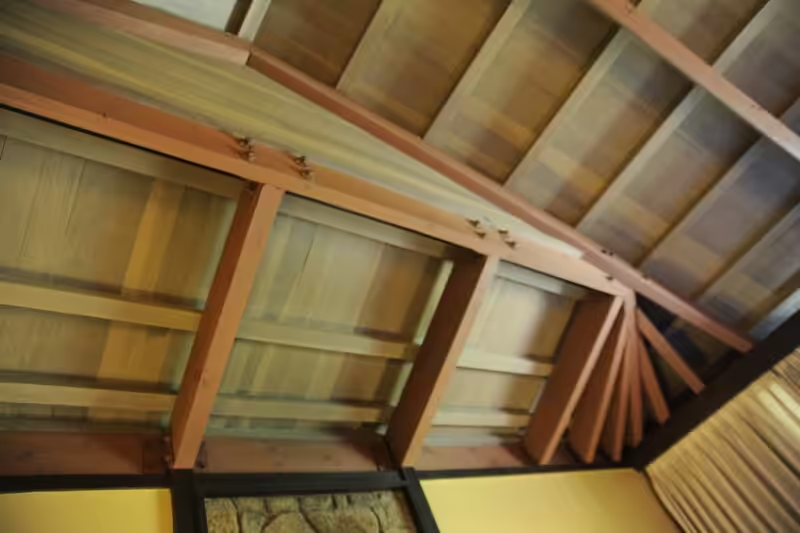
What's been your experience with roof construction? Whether you're team rafters or trusses, share your story or what you've learned from your building adventures in the comments below!
Rafters VS Trusses: What Are The Pros And Cons Of Each?
Building a new roof? We can help! Call 678-365-3138 Are you wondering about the differences between rafters and trusses?
In conclusion, whether you choose rafters or trusses for your next project largely depends on your specific needs, budget, and design preferences. Rafters offer the freedom to create customized ceiling designs and are often the go-to choice for smaller, more intricate projects. On the other hand, trusses provide the benefit of prefabrication, speeding up construction time and generally leading to cost savings, especially for larger projects. Understanding these differences not only empowers you to make informed decisions but also to effectively communicate with contractors and architects during your build or renovation.
Stay Connected and Explore More
If you're diving into the world of construction or perhaps planning a renovation journey, it pays to stay updated with the latest building trends and tips. I love sharing insights and inspiration on various social media platforms, so feel free to visit us on Instagram to see more examples and get ideas for your next project. Not only does our community stay at the forefront of innovative design, but we also enjoy exchanging stories and experiences. So, join us and be part of our growing network of architecture and construction enthusiasts!