Designing a small bathroom can be both a challenging and rewarding task. With the right strategies, you can transform a cramped space into a functional and stylish sanctuary. Whether you're working with a tiny powder room or a compact master bath, maximizing every square inch is crucial. In this guide, we'll explore essential tips and tricks to effectively design a small bathroom, ensuring it feels more spacious and comfortable. From clever storage solutions to smart color choices, these strategies will help you make the most of your limited space.
Understanding the Importance of Smart Design in Small Bathrooms
When it comes to small bathrooms, the design plays a pivotal role in enhancing both functionality and aesthetics. A well-thought-out design can turn a modest space into a practical and inviting area that meets all your needs. Small bathrooms often require more creative solutions than larger spaces, making it essential to plan carefully. The goal is to create a layout that optimizes space without compromising on style or comfort.
Why Designing a Small Bathroom Matters
Designing a small bathroom matters because it directly impacts your daily routine and overall home value. A poorly designed bathroom can lead to frustration and a lack of usability, whereas a well-designed one can enhance your comfort and enjoyment. Additionally, an appealing bathroom design can increase your home's marketability, making it a worthwhile investment. By focusing on space-saving techniques and aesthetic appeal, you can create a bathroom that serves as a peaceful retreat rather than a cramped necessity.
How to Design a Small Bathroom Effectively
1. Optimize Layout and Space
Begin with a careful assessment of your bathroom's layout. Consider the placement of fixtures such as the toilet, sink, and shower. Opt for wall-mounted fixtures to free up floor space, and consider a corner sink or a pedestal sink to maximize room. Sliding doors for showers, rather than traditional hinged doors, can also save space. Planning the layout with precision can prevent any awkward movement and make the room feel more open.
2. Choose the Right Color Palette
Color plays a significant role in how spacious a bathroom feels. Light colors such as whites, creams, and soft pastels can make a small bathroom appear larger and brighter. Avoid dark colors that can create a sense of enclosure. If you love bold colors, consider using them as accents through accessories or a feature wall. Reflective surfaces, such as glossy tiles or mirrors, can also help to bounce light around the room.
3. Implement Smart Storage Solutions
Storage is crucial in a small bathroom. Utilize vertical space by installing shelves or cabinets that reach up to the ceiling. Recessed shelving and built-in niches in the shower can help keep toiletries organized without taking up extra space. Consider multi-functional furniture, like a vanity with drawers or a mirror cabinet, to efficiently store essentials. Hooks and towel bars on the back of the door can provide additional storage options.
4. Select Space-Saving Fixtures
When choosing fixtures for a small bathroom, prioritize those designed for compact spaces. Wall-hung toilets and sinks are excellent options as they create an illusion of more floor space. A corner shower or a compact bathtub can fit snugly into tight areas, making the bathroom feel less crowded. Always measure the space accurately before purchasing fixtures to ensure they fit perfectly without overwhelming the room.
5. Incorporate Adequate Lighting
Proper lighting can transform the mood and functionality of a small bathroom. Incorporate a mix of task, ambient, and accent lighting to create a well-lit space. Consider installing LED strip lighting under cabinets and around mirrors to add both functional and decorative lighting. A skylight or a larger window can introduce natural light, making the bathroom feel airy and open.
Examples of Successful Small Bathroom Designs
Example 1: Minimalist Chic
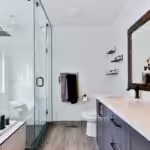
This design features a monochromatic color scheme with a floating vanity and wall-mounted toilet. The use of large mirrors effectively doubles the visual space, while open shelving provides ample storage. The minimalist approach ensures the bathroom remains uncluttered and serene.
Example 2: Rustic Retreat
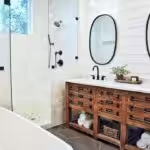
Emphasizing natural materials, this small bathroom incorporates wooden elements and stone tiles. A compact clawfoot tub adds character, and the use of earthy colors creates a warm and inviting atmosphere. Vertical shelving and wicker baskets offer practical storage solutions.
Example 3: Contemporary Spa
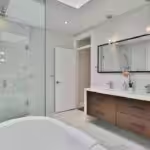
In this design, sleek lines and modern fixtures create a spa-like ambiance. The use of glass partitions for the shower enhances the feeling of openness. Integrated LED lighting and a neutral palette contribute to a calming and sophisticated environment.
Common Mistakes to Avoid When Designing a Small Bathroom
1. Overcrowding the Space
One of the biggest mistakes is trying to fit too much into a small bathroom. Avoid cramming in oversized fixtures or excessive decor. Focus on essentials and choose items that serve multiple purposes.
2. Ignoring Lighting Needs
Insufficient lighting can make a small bathroom feel dark and confined. Ensure that you incorporate adequate lighting solutions to enhance visibility and mood.
3. Neglecting Ventilation
Proper ventilation is crucial in preventing moisture buildup, which can lead to mold and mildew. Ensure your small bathroom has an efficient exhaust fan or a window to maintain air circulation.
Key Takeaways for Designing a Small Bathroom
- Prioritize layout planning to ensure space is used effectively.
- Opt for light colors and reflective surfaces to create a sense of space.
- Implement smart storage solutions to keep the area organized.
- Select fixtures designed for compact spaces to maximize room.
- Incorporate a mix of lighting to enhance both functionality and ambiance.
Designing a small bathroom requires a balance of creativity and practicality. By focusing on efficient use of space, smart design choices, and avoiding common pitfalls, you can create a bathroom that is both functional and stylish. Remember that even the smallest of spaces can be transformed into a beautiful retreat with the right approach. For more inspiration and ideas, explore our Bathroom Design Archives.
As you embark on the journey to design a small bathroom, consider the following additional tips and strategies to further enhance your space:
6. Embrace Minimalism
Minimalism is a powerful concept when designing small spaces. This philosophy encourages simplicity and the use of only essential items, which is particularly beneficial in compact areas. By reducing clutter and focusing on clean lines and functional pieces, you can create a serene and spacious atmosphere. Choose a few high-quality pieces that serve a purpose and complement the overall aesthetic of the bathroom.
7. Utilize Mirrors Strategically
Mirrors are an excellent tool for creating the illusion of more space in a small bathroom. Consider installing a large mirror above the vanity to reflect light and make the room feel more expansive. Alternatively, mirrored cabinets can provide additional storage while doubling as a reflective surface. Mirrors with unique shapes or decorative frames can also serve as focal points, adding a touch of personality to the space.
8. Experiment with Texture and Materials
Incorporating a variety of textures and materials can add depth and interest to a small bathroom. For instance, combining glossy tiles with matte finishes can create a dynamic visual effect. Natural materials like stone or wood can introduce warmth, while glass and metal elements can offer a modern touch. Be mindful of balance—too many competing textures can overwhelm the space, whereas a thoughtful combination can enhance its appeal.
9. Consider the Role of Accessories
Accessories can play a significant role in the design of a small bathroom. Choose items that are both functional and decorative, such as elegant soap dispensers, plush towels, and plants that thrive in humid environments. A well-placed plant can introduce a pop of color and life, while stylish storage baskets can keep necessities organized and accessible. Remember, the key is to select accessories that complement the overall design without adding unnecessary clutter.
10. Plan for Future Needs
When designing a small bathroom, it's important to consider the future. Think about how your needs might change over time and design the space to accommodate those changes. This might involve installing fixtures that are easy to upgrade or choosing materials that are durable and easy to maintain. By planning ahead, you ensure that your bathroom remains functional and aesthetically pleasing for years to come.
Advanced Techniques for Small Bathroom Design
1. Integrate Technology
Modern technology offers a range of solutions that can enhance the functionality and convenience of a small bathroom. Consider incorporating smart lighting systems that allow you to adjust the ambiance with a simple touch or voice command. Heated floors can add a layer of luxury, while water-saving fixtures can contribute to environmental sustainability and reduce utility bills. These technological advancements not only improve the user experience but also add value to your home.
2. Explore Innovative Storage Solutions
Think outside the box when it comes to storage. Custom cabinetry tailored to your specific needs can maximize every inch of available space. For example, pull-out drawers under the sink can provide easy access to toiletries, while vertical pull-out cabinets can store cleaning supplies discreetly. Consider using magnetic strips to keep metal grooming tools organized or installing a foldable shower bench that doubles as storage.
3. Implement Creative Lighting Design
Lighting is more than just a necessity; it can be a design element that transforms your bathroom. Layered lighting, which combines ambient, task, and accent lighting, can create a balanced and visually appealing environment. Use dimmable lights to adjust the mood, and install LED strips under floating vanities or behind mirrors for a contemporary look. Pendant lights or wall sconces can add character and style, acting as both functional and decorative features.
By embracing these advanced techniques and continuing to explore innovative solutions, you can further enhance the design of your small bathroom, making it a space that is not only functional but also a reflection of your personal style.
For more inspiration and guidance on bathroom design, be sure to check out our resources on Bathroom Vanity Ideas and explore the potential costs involved with region-specific projects like Bathroom Remodel Cost in Miami and Seattle. These insights can provide a clearer picture of what to expect and how to plan your project effectively.
In conclusion, designing a small bathroom requires a thoughtful approach that balances practicality with aesthetics. By utilizing the tips and strategies outlined in this guide, you can create a space that is both functional and beautiful, turning your small bathroom into a personal oasis. With careful planning and a dash of creativity, even the smallest bathroom can make a big impact.