Cottage farms have become synonymous with a relaxing, charming rustic lifestyle that draws you back to nature. Combining the serenity of the countryside with the joys of self-sufficiency, cottage farms offer a unique blend of gardening, architecture, and sustainability. Whether you dream of growing your own food or simply enjoying a garden overflowing with colorful blooms, creating and maintaining a cottage farm can be incredibly rewarding. Below, you’ll find everything you need to embark on your cottage farm journey and live among flowers, herbs, and bounties straight from your garden.
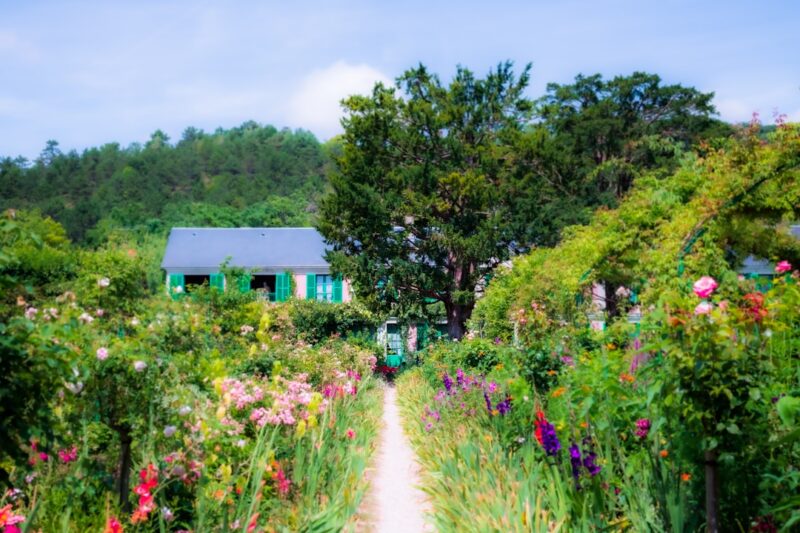
Your cottage farm can be as practical or as fanciful as you like. The classic cottage farm blends functionality with aesthetics to create a picturesque yet productive space. Here are some elements to consider:
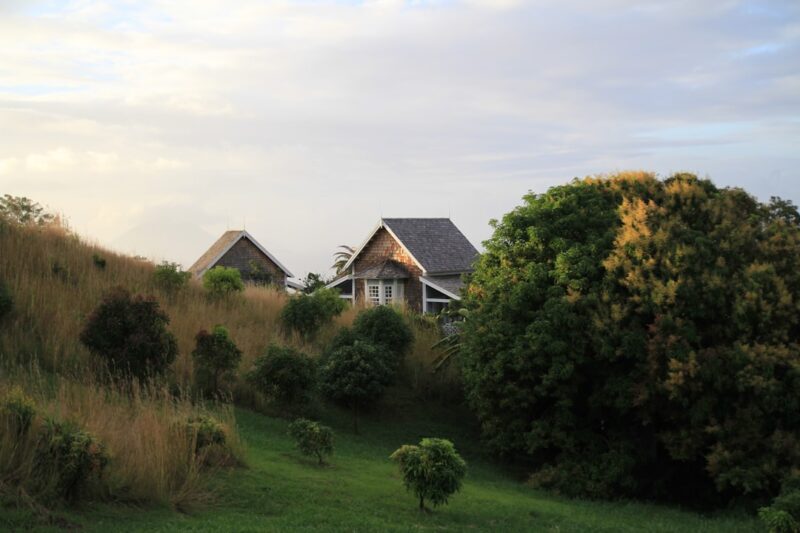
Opt for a mix of decorative and edible plants for a thriving and vibrant cottage farm. This selection not only enhances the beauty of the landscape but also provides homegrown produce.
<img src="https://www.architectureadrenaline.com/wp-content/uploads/2025/05/h2-pBefore-you-start-planting-it-411x600.jpg's essential to plan and execute a design that suits your needs and reflects your style. Ask yourself several questions to tailor your farm to your needs:
Consider the size of your land and the microclimates within it. Determine where you receive the most sunlight and where water pools during rain. These factors will guide your planting decisions. If you’re curious about the financial aspects of building a farmhouse, exploring cost estimations could be beneficial.
Decide what you wish to achieve with your cottage farm: Is it purely decorative, or do you aim to be more self-sufficient with food production? A clear vision will ensure you allocate space accordingly.
Allocate your budget and resources efficiently. You may choose to invest in high-quality soil amendments, hardy perennials, or stylish garden accessories to enhance your space.
Once your cottage farm is established, maintenance will keep it thriving and productive. Regular tasks include:
Cottage farms offer a sustainable and self-sufficient lifestyle away from the hustle and bustle. They provide fresh produce, aesthetic garden designs, and a serene environment that many find appealing in today's busy world.
Absolutely! Cottage farms can scale to fit smaller spaces. Incorporate vertical gardening techniques and prioritize a mix of compact, dual-purpose plants. Be creative with available space to maximize storage and planting areas.
Start small and expand as you become more comfortable with managing your farm. Invest in good quality soil and ensure plants are suited to your local climate and soil conditions. Additionally, research sustainable practices such as companion planting and crop rotation for long-term success.
By following these practical steps, embracing the principles of design and sustainability, and maintaining the integrity of your farm, you'll soon find yourself settling into the rewarding rhythm of your very own cottage farm.
Unique and exceptional garden plants delivered fresh to your door – unsurpassed quality and superior customer service.