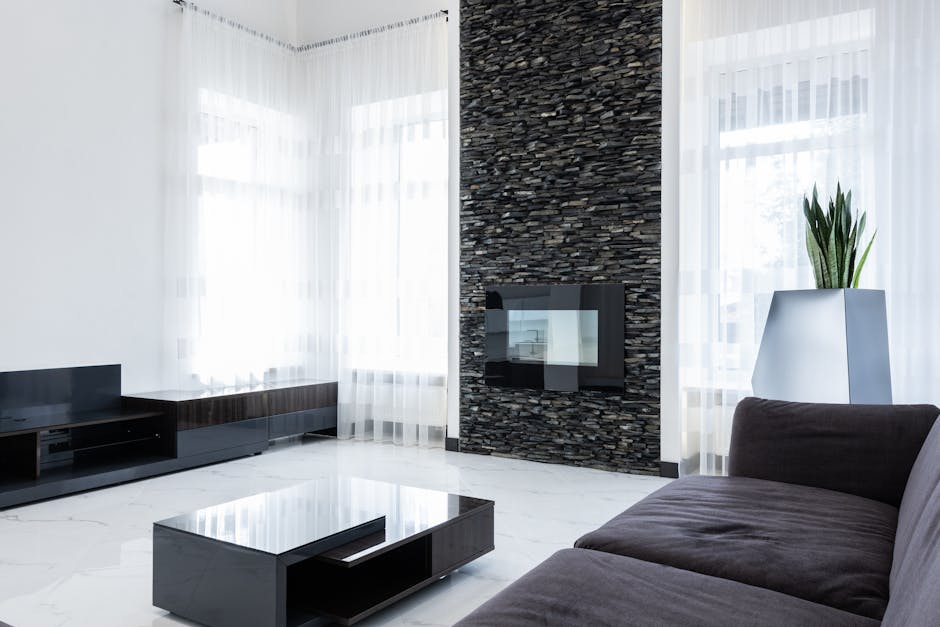

When tackling a remodel or styling an interior, understanding the nuanced differences between contemporary and modern interior design is essential. Both styles emphasize clean lines and simplicity but diverge sharply in era influence, material choices, and spatial dynamics. This article provides image-led inspiration and precise styling takeaways to help homeowners, remodelers, and design enthusiasts make informed, visually compelling decisions. Each section explores how to balance aesthetics with functionality, and highlights tradeoffs to consider before committing to a direction.
Defining Timelines: Modern’s Mid-Century Roots vs Contemporary’s Evolving Nature

Modern interior design is firmly rooted in the mid-20th century, characterized by a fixed aesthetic that embraces function and form from the 1930s to 1960s. Visually, it features iconic shapes and sleek silhouettes reflective of that era, such as low-profile sofas and integrated built-ins. When applying this style, select furnishings and accessories purposefully, avoiding anachronistic pieces that disrupt coherence. The tradeoff is its defined historical context, which limits adaptability for trends or extreme personalization without losing authenticity.
Color Palette Strategies: Warm Neutrals vs Dynamic Contrasts

Contemporary spaces employ a more fluid color palette, often combining warm neutrals with bold contrasting accent colors like deep navy or charcoal to create immediate visual interest. For practical implementation, use a neutral base on large surfaces and bring in contrast through smaller furnishings or artwork to avoid overwhelming the senses. Materials like matte paints and textured plaster finishes complement this approach. Caution: contemporary palettes can date quickly as trends shift, so anchor choices with timeless neutrals to extend longevity.
Furniture Scale and Form: Iconic Minimalism vs Adaptable Flexibility

In modern design, furniture pieces tend to have a minimalist scale with clean, geometric forms—for example, club chairs with tapered wooden legs or a structured sectional sofa. Implementing this requires accurate spatial calculations to maintain flow without overcrowding, often favoring proportionally lower seating that visually expands the room. Materials like leather or tweed upholstery on walnut frames work well here. The tradeoff involves less flexibility for intuitive comfort or layering, requiring strong prioritization of form over plush softness.
Material and Texture Palette: Natural Woods vs Mixed Media Surfaces

Contemporary spaces favor combining materials and textures to add depth—a polished concrete floor may sit alongside a velvet lounge chair and a glass-topped table. To recreate this in your home, experiment with layering tactile finishes like glossy, matte, and soft fabrics while maintaining a cohesive tactile narrative. Finishes such as brushed metal or lacquered cabinetry prove impactful. However, more delicate materials like velvet or untreated metals will require deliberate maintenance to preserve their appearance over time.
Lighting Design Approaches: Architectural Fixtures vs Adjustable Mood Layers

Lighting in modern interiors often centers on architectural fixtures—think linear pendant lights or recessed ceiling options—that reinforce clean lines while distributing light evenly. Position task lighting directly above work surfaces and ambient fixtures along seating areas to balance function and form. Materials like brushed brass or matte black finishes fit seamlessly. On the downside, the fixed nature of architectural lighting offers limited adaptability; consider supplementary lamps for flexibility.
Spatial Layout and Flow: Open Plans with Defined Zones vs Fluid, Adaptive Spaces

Modern design promotes open floor plans with clearly defined functional zones, like a neat demarcation of living and dining areas using a subtle rug or strategic furniture placement while maintaining sightlines. Achieve this by using area rugs and furniture scale deliberately to break up space visually without erecting barriers. Durable hardwood floors stained in warm tones emphasize continuity across zones. The challenge lies in acoustics and privacy, which need additional solutions such as soft furnishings or screens without compromising openness.
Integrating Technology: Seamless Fixtures vs Statement Pieces
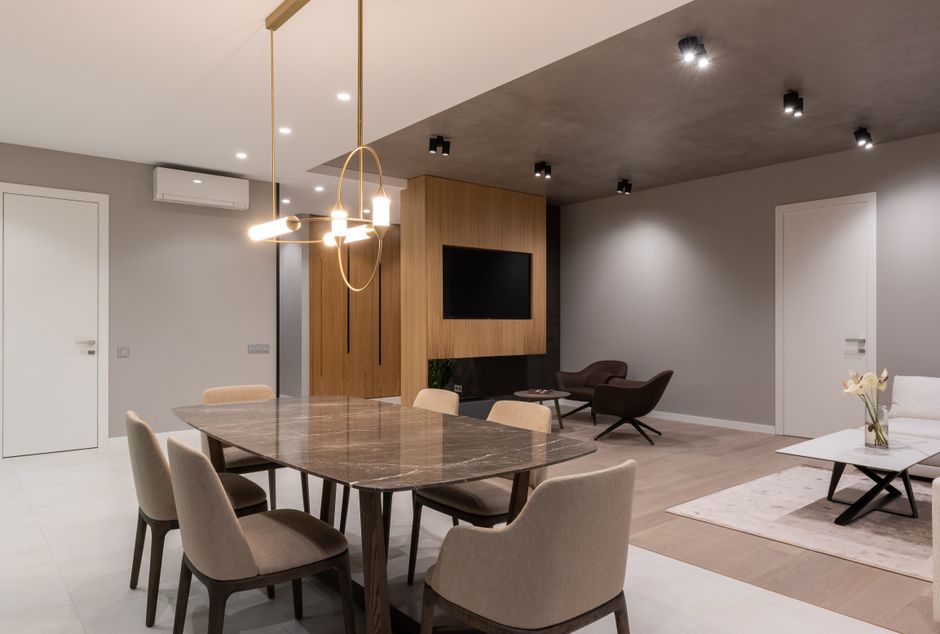
Contemporary interiors embrace technology as statement elements; a sleek wall-mounted TV or integrated smart home devices contrast with organic furnishings for a deliberate juxtaposition. For practical integration, conceal wiring wherever possible and select devices with minimalist designs to blend with aesthetics. Matte black finishes or glass can elevate tech components visually. However, the fast-evolving nature of tech means regular updates or compatibility checks are essential to avoid outdated setups.
Sustainability and Maintenance Considerations in Both Styles
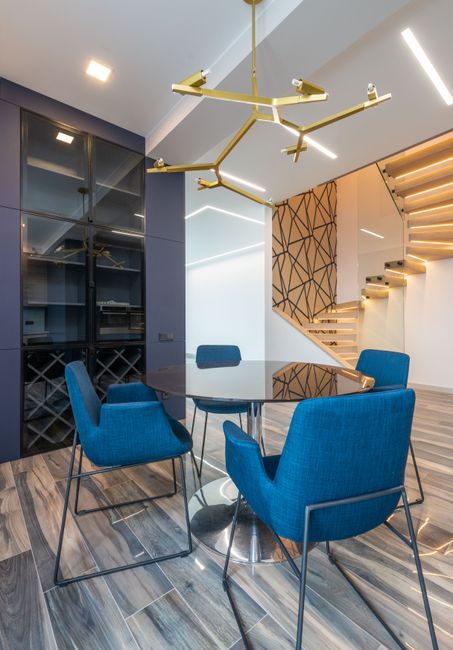
Both styles require thoughtful sustainability and maintenance strategies. Modern interiors, with natural wood and leather, demand periodic conditioning and can be sensitive to humidity changes. Contemporary styles often incorporate mixed media that might be less durable, such as lacquered surfaces or delicate textiles. Plan for regular upkeep schedules and consider environmental impacts when sourcing materials—for instance, opting for FSC-certified woods or low-VOC paints. Tradeoff: balancing high-design materials with practical longevity can require compromises in finish or cost.
More Visual Inspiration
What is the key visual difference between contemporary and modern interior design?
Modern design is defined by mid-century minimalism with iconic furniture and consistent material use, while contemporary design is dynamic, blending current trends with varied materials and textures.
Which style is more flexible for future remodels?
Contemporary design adapts more easily to evolving trends and personalization; modern design has a more fixed aesthetic linked to a historical period.
Are there specific materials better suited to one style over the other?
Yes, modern favors natural woods and leather with clean finishes, whereas contemporary embraces mixed materials including metals, glass, and textiles with diverse finishes.
Selecting between contemporary and modern interior design requires more than choosing a look—it involves aligning with your lifestyle, maintenance tolerance, and long-term adaptability desires. Modern interiors offer timeless, iconic form rooted in mid-century design but with less flexibility, demanding precise attention to scale and material upkeep. Contemporary interiors reward experimentation with textures, color contrasts, and evolving technology integration but require ongoing upkeep and thoughtful neutral grounding to avoid rapid stylistic aging. Thoroughly weigh the tradeoffs in materials, lighting, furniture scale, and layout to craft spaces that balance aesthetic intention with practical living needs.
For more room-by-room ideas, browse Architecture Adrenaline’s latest design guides and save your favorite looks for your next project.
Design Deep Dives & Resources
Use these references to go deeper on layouts, materials, and lighting decisions that matter for this style.
On Architecture Adrenaline
- Cost Of Attic Ladder Installation: Read the full guide
- Best Leaf Blower Vacuum Mulcher: Read the full guide
- Cost Of Installing A Pool Heater: Read the full guide
- Concrete Footings Cost: Read the full guide
External Inspiration
Extra Visual Inspiration