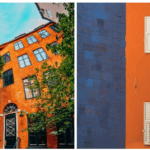
Contemporary exterior house color schemes extend beyond paint hues: they orchestrate interplay between facade composition, siding textures, roof details, and environmental conditions. This article investigates design decisions through a lens of measured proportions, lighting strategies, and material pairings, presenting a well-rounded guide for homeowners and remodelers ready to rethink residential curb appeal. Grounded in thoughtful tradeoffs—like maintenance realities and daylight behavior—our exploration equips readers to sidestep common pitfalls, making each exterior decision purposeful. The imagery used here is conceptual, symbolizing informed inspiration rather than final blueprints, ideal for saving as a practical reference before your next remodel or weekend styling endeavor.
Balancing Facade Proportions with Strategic Color Blocking
Achieving balance in facade composition starts with deliberate color distribution across surfaces - imagine dedicating around 60-70% of the exterior to a primary neutral shade, contrasted by accent colors occupying 15-20%, and secondary neutrals filling the rest. This layering visually structures the house massing and clarifies volumes. Use matte or satin finishes on large siding planes paired with smooth or textured accents (like fiber cement or natural wood cladding) to add depth without overwhelming. However, heavier color blocking can amplify surface imperfections and may require more frequent touch-ups, especially on horizontal planes exposed to sunlight. Dimensionally, maintaining clear color boundaries at corners with precise joints of 3-5mm width prevents bleeding and supports crisp edges, ensuring the facade reads as intentional and composed.
Establishing a Cohesive Entry Sequence through Material and Hue
The entry sequence acts as the tactile and visual introduction; therefore, incorporating a distinct color or material on the door or surrounding trim about 35-45% smaller in surface area than adjacent facade planes helps it stand out without dominating. Matte-black or deep charcoal metal finishes on door surrounds paired with warm natural wood slats create texture contrast that invites touch and guides approach. Over-glazing overhead with a fixed transom window enhances daylight without compromising privacy but demands exact flashings to avoid leaks. Keep in mind, overly saturated entry colors can clash with adjacent landscaping or age poorly, necessitating careful consideration of local climate effects on fading. A well-calibrated entry palette confirms intentionality and improves user experience from first sight to threshold transition.
Leveraging Roof and Siding Details to Reinforce Contemporary Style
Roof and siding details contribute significantly to contemporary exterior style; choosing metal standing seam roofs in a neutral dark tone (e.g., charcoal or black) paired with composite lap siding around 150-180mm exposed width creates fine horizontal delineation. This understated approach emphasizes clean lines and reflects modern tendencies towards simplicity. Integrating slender aluminum gutters with smooth matte finishes helps maintain color continuity while ensuring effective water shedding. Bear in mind, standing seam metal roofs can increase thermal reflection impacting paint longevity on adjacent siding within 1 meter; plan seasonal inspections and refreshes accordingly. Properly defined edges and junctions between roof and siding amplify architectural intent and protect against weather damage with minimal visual intrusion.
Daylight Optimization and Its Impact on Exterior Colors
Daylight influences exterior color perception dramatically, with north-facing walls benefitting from 20-40% lighter base colors to counteract shadows and south-facing facades handling richer, deeper hues without overheating. Opt for light-reflective, low-VOC paints designed to minimize fading after 3-5 years in high-UV zones. Incorporating faceted surfaces or subtle reveals (~50mm depth) can break light evenly, reducing glare and enhancing texture perception. However, harsh midday sun may bleach certain pigment types faster on horizontal surfaces, requiring selective placement of durable pigments only in these spots. Thoughtful consideration of sun angles confirms that color choices are not just aesthetic but central to performance and mood throughout the day.
Durability Considerations in Color and Material Selection
Material and color durability is critical—use acrylic-latex or elastomeric coatings with minimum 150 microns dry film thickness on siding for weather resistance. Pair lighter colors with materials that have textured finishes, such as tinted stucco or wood grain composites, which mask dirt and reduce visible wear. Keep in mind, darker paints tend to absorb more heat, causing faster thermal expansion and contraction cycles that can lead to cracking; a 5-10 year repaint schedule is advisable in such cases. Attention to detail during application, including priming and back-rolling in shaded, low-wind conditions, preserves finish life and appearance. This pragmatic durability focus ensures your contemporary palette continues to perform and impress over time.
Drainage Planning to Protect Painted Surfaces and Structural Integrity
Drainage design not only protects structural integrity but preserves paint fidelity; ensure roof eaves extend at least 600mm beyond siding to divert water effectively without needing bulky gutters affecting aesthetics. Incorporate a minimum 2% grading slope away from the house within the first 1.2 meters of planting beds or hardscape to avoid moisture pooling near foundations. Select durable flashing materials like coated aluminum with color-matching trims that reduce staining and fungal growth on painted facades. Be aware that adjacent downspout placement can cast staining lines if runoff dispersal isn’t controlled—consider splash blocks or underground piping extensions for dispersal at least 1.5 meters away. Protective drainage design is foundational, preventing premature paint degradation and costly facade repairs.
Planting Relationships that Complement and Soften Color Choices
Integrating planting relationships with exterior colors tempers the hard lines inherent in contemporary architecture. Choose plants with foliage colors in muted greens, silvers, or burgundies to complement gray or earth-tone palettes; spacing shrubs 450-600mm apart helps maintain straightforward, sculptural forms without clutter. Ground covers with fine texture soften hardscape edges and require minimal pruning, supporting restrained styling. Avoid large deciduous trees directly adjacent to painted surfaces, as heavy leaf litter and moisture accumulation can accelerate mildew and paint wear. Thoughtful planting calibration creates refreshing yet low-maintenance connections between nature and surface finishes, amplifying curb appeal thoughtfully.
Curb Appeal Tradeoffs: Bold vs. Subdued Contemporary Palettes
Tradeoffs in curb appeal often lie in the choice between bold and subdued palettes. Strong hues like navy, burnt orange, or olive can lend personality but increase repaint frequency due to more noticeable fading or chipping within 3-5 years, especially in intense sun exposure zones. Conversely, greys and earth tones provide timeless neutrality and disguise imperfections yet risk blending too much into natural backgrounds, reducing visual impact. Employ trim or accent colors constituting 10-15% of facade area strategically to balance drama without overwhelming. A measured approach to statement colors reconciles lasting exterior condition with the desire for distinct identity on the block.
What are the most durable paint finishes for contemporary house exteriors?
Acrylic-latex and elastomeric coatings with at least 150 microns dry film thickness provide excellent durability against weather and UV exposure, especially when combined with proper priming and application techniques.
How should plantings be arranged to complement contemporary exterior palettes?
Plant shrubs spaced 450-600mm apart with muted foliage tones to maintain sculptural simplicity and avoid overcrowding. Avoid large deciduous trees near walls to minimize moisture and leaf build-up that can damage painted surfaces.
What roof overhang dimensions best protect paint and facade from water damage?
Roof eaves should extend at least 600mm beyond siding edges to effectively shed water away from walls, combined with grading slopes of 2% minimum away from foundations within 1.2 meters of the house.
Contemporary exterior house color schemes require orchestrated choices that harmonize facade composition, material finishes, environmental factors, and landscaping. Applying measured proportions in color blocking, tailoring roof and siding details to site conditions, and planning for durability and drainage protects both aesthetics and structure. Integrating planting with a restrained palette softens edges and enlivens curb appeal without compromising maintenance. Most importantly, each design decision involves tradeoffs—a bold color’s vibrancy may shorten repaint intervals, while neutral hues enhance longevity but test visual impact. Equipped with these grounded insights, homeowners and remodelers can confidently navigate the complexities of upgrading their exteriors to both standout and stand the test of time.
For more room-by-room ideas, browse Architecture Adrenaline’s latest design guides and save your favorite looks for your next project.
Further Inspiration Sources
Design Deep Dives & Resources
Use these references to go deeper on layouts, materials, lighting, safety, and maintenance decisions that matter for this style.
Research-Backed Planning Notes
- Plan clearances before finishes: Interior design work is strongest when circulation, door swings, storage depth, and fixture access are resolved before color or styling. Use this as a reason to verify dimensions and maintenance access before copying any visual concept. Source: NKBA
- Lighting quality depends on layers: Ambient, task, and accent lighting solve different problems, and glare control matters as much as fixture style. Use dimming, warm color temperature, and task placement as design constraints, not afterthoughts. Source: IES
On Architecture Adrenaline
- Exterior House Color Schemes Ideas for a Stunning Home Makeover: Read the full guide
- Minimalist House Exteriors: Embrace Simplicity and Elegance: Read the full guide
- Color Combination Sage Green: Read the full guide
- European Farmhouse: A Blend of Charm and Comfort: Read the full guide
Authoritative Planning References
- American Society of Interior Designers - Professional interior design reference for wellness, sustainability, material choices, and practice context.
- IIDA resources - Interior design practice resources that help ground planning, materials, and workplace/residential design decisions.
- National Kitchen & Bath Association - Kitchen and bath planning reference for fixture clearances, remodel planning, and professional standards.
External Inspiration
Editor-Selected Amazon Finds
Use these shopping starting points to compare dimensions, damp-location ratings, mounting hardware, and review photos before buying.
Task lighting
Start with lighting because it changes how every finish reads.
Storage organizers
Keeps the space functional instead of just photogenic.
Wall-mounted shelves
Adds useful vertical storage without crowding the floor.
Slim side tables
A compact landing surface helps the room work day to day.
Material sample kits
Compare finish color and texture in the actual room light before committing.