Discover the best colors for cabins in the woods that harmonize with nature or create a cozy contrast. Learn more about the perfect palette!
When selecting colors for cabins in the woods, it's essential to choose shades that blend harmoniously with the natural environment while providing a warm and inviting atmosphere. These colors not only enhance the rustic charm of the cabin but also create a connection to the surrounding landscape, from the deep greens of the forest to the warm browns of the earth. Below, we've compiled a table of recommended colors that embody the cozy vibe perfect for a cabin retreat.
| Color Name | Color Type | Description |
|---|---|---|
| Deep Caviar | Dark Color | Ideal for walls facing windows, creating a dramatic and cozy atmosphere. |
| Off White (Taupe Undertone) | Neutral | Serves as a versatile background, enhancing rustic elements. |
| Flint 32-20 | Warm Gray-Green | Compliments wood tones beautifully, providing a connection with nature. |
| Chalk | Soft Color | Known for its chalky nature, it offers a soft and welcoming feel. |
| Abingdon Putty | Historic Green | Complements forest foliage, creating a serene atmosphere. |
The colors for cabins in the woods set the mood: they can blend into the landscape, highlight the natural texture of timber, or create a warm, inviting contrast that still feels rustic. Whether you’re painting walls facing large glass openings or selecting exterior hues to harmonize with your surrounding forest, choosing the right palette helps your cabin breathe with its environment.

| Color Name | Color Type | Description |
|---|---|---|
| Deep Caviar | Dark Color | Ideal for walls facing windows, creating drama and coziness that foregrounds outdoor views. |
| Off White (Taupe Undertone) | Neutral | Provides a soft, versatile canvas that lets rustic textures shine. |
| Flint 32-20 | Warm Gray-Green | Echoes forest tones and complements wood finishes without overpowering them. |
| Chalk | Soft Color | Offers a chalky, inviting softness that works beautifully in rustic spaces. |
| Abingdon Putty | Historic Green | Green-tinted neutral that pairs nicely with forest foliage and natural textures. |
When you’re painting cabins in a wooded setting, the goal is to choose hues that either blend with the landscape or provide a deliberate, warm contrast that still feels grounded in nature. Think about how the color will look at different times of day and across seasons. Rich forest greens, deep browns, taupes, muted reds, and soft blues are classic references that echo the natural world without overpowering it.

If your living spaces feature large glass openings, the color you choose on walls facing those windows can dramatically affect the mood and perceived brightness. A darker tone on these walls can create drama and emphasize the outdoors, while a lighter, neutral backdrop can maximize light and showcase wood tones.

Exterior color choices should consider the surrounding landscape and architectural details. Neutral bases like off-white with a taupe undertone offer a timeless backdrop that highlights natural textures. For a more grounded look, warm gray-green hues can echo the forest floor and complement timber without competing with the scenery.

Deep Caviar pairs well with natural wood graining and metal accents for a bold, contemporary rustic look. Off White with a taupe undertone provides a soft framework that lets wood textures shine. Flint 32-20 offers a warm, nature-inspired gray-green that harmonizes with most wood finishes. Chalk brings a gentle, chalky softness that invites comfortable living space vibes. Abingdon Putty, a historic green, can subtly reinforce a forest-friendly palette without overpowering foliage.
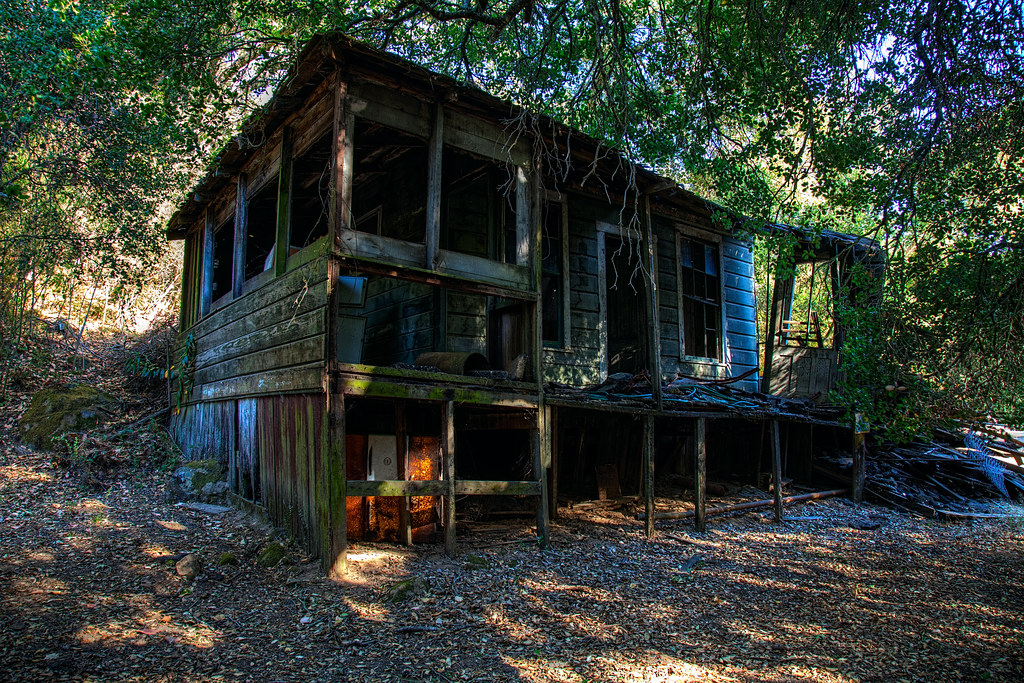
Before committing to a full paint job, sample the colors on small sections of walls or exterior boards in different lighting. Observe at several times during the day to see how shifts in sunlight or shade affect the hue. Consider how the color will age and interact with dirt, moss, and weathering over time.
Durable, low-maintenance finishes help preserve the cabin’s character. If you’re in a damp or high-growth area, select paints with good mildew resistance and built-in UV protection to minimize fading. Regular cleaning and periodic touch-ups will keep the color looking intentional rather than weathered.

Choosing colors for cabins in the woods is a balance between blending with the natural surroundings and creating spaces that feel warm, inviting, and durable. By selecting hues that echo forest tones—whether through deep, dramatic walls or soft, neutral canvases—you can craft a retreat that remains timeless through seasons and memory alike. Share your favorite cabin colors or color stories in the comments—what palette helped your cabin feel most connected to its woodland setting?
Selecting colors for your cabin in the woods isn't just about aesthetics; it's about creating a seamless connection to the natural environment. The right palette can enhance the beauty of your cabin while allowing it to blend gracefully with the surrounding landscape. Think of rich forest greens, warm browns, and muted earthy tones that reflect the essence of nature. These colors can amplify the cozy atmosphere you desire, making your cabin not just a home, but a sanctuary.
If your cabin features expansive windows, the colors on those walls can shape the ambiance dramatically. Choosing darker hues like Deep Caviar for these walls can create a striking contrast that draws the eye outside, emphasizing the beauty of the natural surroundings. Alternatively, opting for softer tones allows light to bounce around effectively, illuminating your living space while still giving a nod to the rustic feel.
When it comes to the cabin’s exterior, your color selections should consider the landscape and architectural features. Soft neutrals, such as an off-white with taupe undertones, provide a classic touch that can accentuate the cabin's natural textures. Meanwhile, warm gray-greens like Flint 32-20 echo the forest scenery beautifully, fostering a serene vibe that aligns with the earthy environment.

To create a harmonious look that feels polished yet cozy, consider how each color interacts with the natural wood tones present in your cabin. Here’s how some of the recommended colors can pair perfectly:
Before laying down that final coat of paint, it's wise to sample your chosen hues on smaller sections of your cabin. Pay careful attention to how the colors look at different times of day and in varying lighting conditions:
Choosing durable, low-maintenance paint is essential for preserving your cabin's charm. If your location is prone to moisture, opting for paints with mildew resistance and UV protection will keep the colors vibrant over time. Don’t shy away from performing regular maintenance; a little cleaning and timely touch-ups can keep your cabin looking fresh and well-loved.
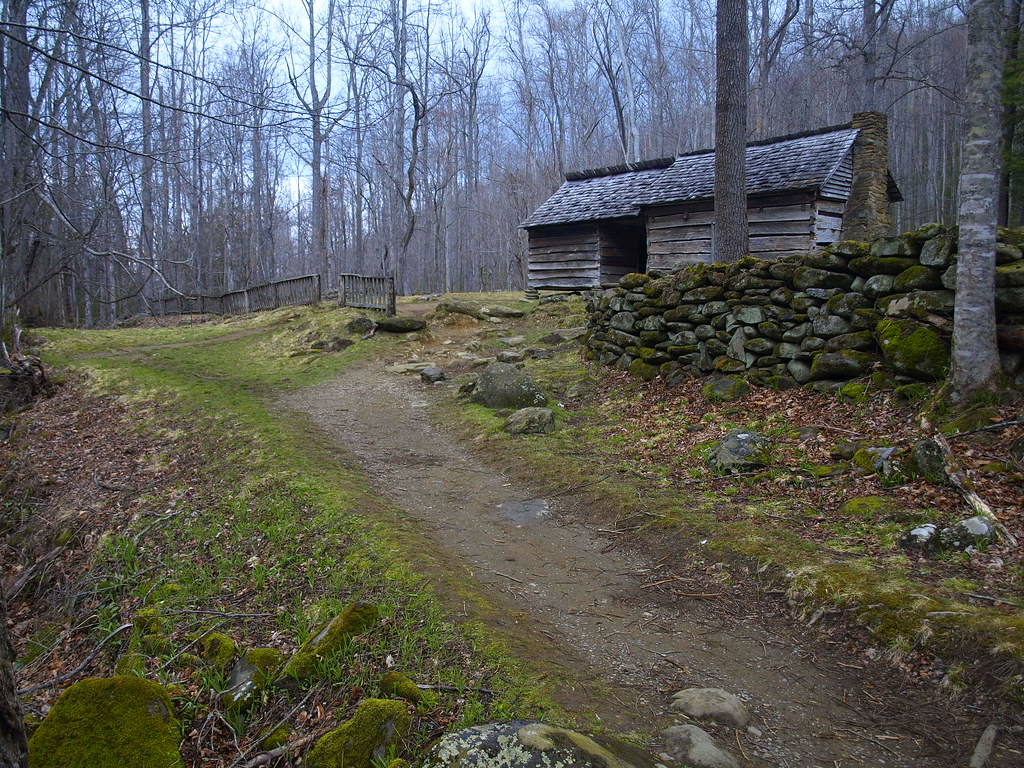
Crafting the perfect cabin atmosphere is all about making intentional choices that reflect your surrounding environment. When you select colors inspired by nature—whether they’re deep, dramatic tones or soft, welcoming hues—you create a space that's harmonious, warm, and deeply connected to the woods. What are your go-to colors for a cabin retreat? Share your ideas and experiences in the comments—let's talk about how color shapes our cozy getaways!
Selecting colors for your cabin in the woods isn't just about aesthetics; it's about creating a seamless connection to the natural environment. The right palette can enhance the beauty of your cabin while allowing it to blend gracefully with the surrounding landscape. Think of rich forest greens, warm browns, and muted earthy tones that reflect the essence of nature. These colors can amplify the cozy atmosphere you desire, making your cabin not just a home, but a sanctuary.
If your cabin features expansive windows, the colors on those walls can shape the ambiance dramatically. Choosing darker hues like Deep Caviar for these walls can create a striking contrast that draws the eye outside, emphasizing the beauty of the natural surroundings. Alternatively, opting for softer tones allows light to bounce around effectively, illuminating your living space while still giving a nod to the rustic feel.
When it comes to the cabin’s exterior, your color selections should consider the landscape and architectural features. Soft neutrals, such as an off-white with taupe undertones, provide a classic touch that can accentuate the cabin's natural textures. Meanwhile, warm gray-greens like Flint 32-20 echo the forest scenery beautifully, fostering a serene vibe that aligns with the earthy environment.
To create a harmonious look that feels polished yet cozy, consider how each color interacts with the natural wood tones present in your cabin. Here’s how some of the recommended colors can pair perfectly:
Before laying down that final coat of paint, it's wise to sample your chosen hues on smaller sections of your cabin. Pay careful attention to how the colors look at different times of day and in varying lighting conditions:
Choosing durable, low-maintenance paint is essential for preserving your cabin's charm. If your location is prone to moisture, opting for paints with mildew resistance and UV protection will keep the colors vibrant over time. Don’t shy away from performing regular maintenance; a little cleaning and timely touch-ups can keep your cabin looking fresh and well-loved.

As we wrap up our exploration of colors for cabins in the woods, remember that the right hue can transform your retreat into a haven of relaxation and creativity. Whether you lean towards warm earth tones that blend into the landscape, or bold colors that make a statement against the backdrop of towering pines, your cabin should reflect your personality and enhance your experience in nature. Don’t forget to take into account how light, both natural and artificial, interacts with your chosen palette throughout the day. It's all about finding that perfect balance that makes you feel at home.
I hope this journey through colors has inspired you to start painting or reimagining your own cabin. I’d love to hear about your favorite shades or even see your finished projects! If you’re looking for more design ideas, tips, or just a little eye candy, feel free to check out our updates on Instagram! Together, we can celebrate the beauty of cabin living, one color at a time.
Cozy Cabins Color by Numbers for Adults: Relaxing & Nostalgic Country Retreats | Coloring Book of Remote Cabins in Nature — For Markers or Colored ... for Adults: An Alcohol Marker Coloring Book)

Sherwin Williams Colors collection Deck Complete Paint Colors

For those interested in exploring specific palette ideas for cottage-style cabins in forested areas, the Jean Haigh Cabin — Green Mountain Club serves as a great example of a modern, rustic cabin that embodies design choices aligning with a natural palette. Exterior colors and materials are designed to blend with Vermont woods.
Furthermore, if you're on the lookout for paints, stains, or decor that complement woodland cabins, check out these Colors for cabins in the woods — Amazon picks. Clicking the link supports the article’s creation through Amazon Associates and includes options like eco-friendly stains, UV-protective finishes, and rustic decor that align with woodsy aesthetics.

As we wrap up our exploration of colors for cabins in the woods, remember that the right hue can transform your retreat into a haven of relaxation and creativity. Whether you lean towards warm earth tones that blend into the landscape, or bold colors that make a statement against the backdrop of towering pines, your cabin should reflect your personality and enhance your experience in nature. Don’t forget to take into account how light, both natural and artificial, interacts with your chosen palette throughout the day. It's all about finding that perfect balance that makes you feel at home.
I hope this journey through colors has inspired you to start painting or reimagining your own cabin. I’d love to hear about your favorite shades or even see your finished projects! If you’re looking for more design ideas, tips, or just a little eye candy, feel free to check out our updates on Instagram! Together, we can celebrate the beauty of cabin living, one color at a time.
Explore curated color ideas and complementary finishes to pair with woodland exteriors and timber interiors. These quick references help you visualize palettes without overthinking the selection process.
| Scenario | Suggested Palette | Notes |
|---|---|---|
| Wood-forward exterior | Off White Taupe + Flint 32-20 accents | Soft base with nature-inspired accents that echo the forest. |
| Cozy dark interior walls facing windows | Deep Caviar with warm wood trims | Creates drama while showcasing natural textures. |
| Serene forest setting | Abingdon Putty + Chalk highlights | Muted greens and soft neutrals feel timeless. |


