The cheapest way to move a mobile home often hinges on strategic planning and a keen understanding of costs. Did you know that the size of your mobile home—whether it's a single-wide or double-wide—can significantly impact transport expenses, with local moves for single-wides typically ranging from $3,000 to $8,000? If you're looking to save money while ensuring a safe relocation, it's crucial to navigate the various elements involved, from permits and routes to utility disconnections and logistical choices.
The most economical approach usually starts with selecting the right-sized unit and a reputable local mover. A single-wide home generally costs less to transport than larger configurations, especially when the distance is moderate. Local moves—say under 100 miles—tend to have lower per-mile costs, fewer permit requirements, and reduced need for escort vehicles. If you can handle some aspects yourself, such as utility disconnection/reconnection and basic site prep, you can shave a meaningful amount off the total cost.
Relocating a mobile home on a budget isn’t a fantasy—it’s a careful calculation of size, distance, and logistics. This guide digs into the cheapest way to move a mobile home, breaks down the cost drivers, and shares practical steps to trim expenses without sacrificing safety or compliance. We’ll also look at real-world providers and what to expect when you’re weighing transport-only versus full-service moves.
| Aspect | Details |
|---|---|
| Estimate Range & Key Cost Drivers | Size (single-wide vs. double-wide), distance, permits, escorts, utility disconnections, and site setup determine overall costs. |
| Decision Points | Transport-only vs. full-service moves (disconnections, setup, inspections) dramatically change price. |
| Typical Price Range (Local Moves) | Single-wide: roughly $3,000–$8,000; Double-wide: $6,000–$15,000+, depending on distance and complexity. |
The most economical approach usually starts with selecting the right-sized unit and a reputable local mover. A single-wide home generally costs less to transport than larger configurations, especially when the distance is moderate. Local moves—say under 100 miles—tend to have lower per-mile costs, fewer permit requirements, and reduced need for escort vehicles. If you can handle some aspects yourself, such as utility disconnection/reconnection and basic site prep, you can shave a meaningful amount off the total cost.

Size matters when you’re chasing the cheapest option. Local pricing typically places a single-wide move in the 3,000 to 10,000 range, depending on permits, disconnections, and basic setup. A double-wide move commonly ranges from about 6,000 to 14,000 for transport and initial setup, with long-distance relocations pushing totals higher due to extra permits, escorts, and potential driver lodging. Triple-wide homes require even more specialized equipment and planning, which pushes costs upward.
Distance is a pivotal cost determinant. Local moves benefit from simpler routing and fewer regulatory hurdles, while long-distance relocations introduce more permits, engineered plans, escort requirements, and lodging for crews. If a long move is unavoidable, request a transparent breakdown: transport-only costs versus full-service fees. That helps you identify where you can cut costs without compromising safety.

Understanding the line items helps you spot savings opportunities. The main components typically include:
Permitting and escort requirements are often the largest hidden costs. Oversize and wide-load permits are common, and most moves require at least one escort vehicle. Planning ahead with the carrier and the jurisdiction along the route helps prevent delays and surprise fees. Utility disconnections and reconnections are another frequent line item; anticipate changes to plumbing, electrical, or gas connections in your budget and timeline.

Follow a structured plan to reduce costs without compromising safety:
For budget-conscious moves, consider essential, budget-friendly equipment that helps you handle basic tasks safely and efficiently on site. Mobile home moving equipment—including basic jacks, rollers, and skid systems—can reduce some labor and equipment rental expenses when you have to position or stabilize sections during disassembly, transport, and reassembly. This gear is especially useful when coordinating utility disconnections and site prep without full-service crew involvement.
Cheapest does not always mean easiest or safest. Look for:
Industry players emphasize careful planning and pre-arrangement. Providers specializing in mobile home relocation highlight the value of pre-planning to ensure a safe, efficient move. Some teams offer turnkey services that cover everything from disconnects to final site setup, while others provide transport-only options for budget-focused moves. A well-prepared homeowner who consolidates trips, researches reputable companies, and preps the home for transport typically achieves the cheapest outcomes.
When sizing up quotes, consider references from experienced movers and heavy-haul specialists. Companies that regularly handle mobile-home relocations—such as nationwide movers—often publish guidance on the difference between transport-only costs and full-service moves, as well as typical timelines and required paperwork. If you’d like, I can help you compare a few vetted options for your planned move and tailor a step-by-step plan with exact permit requirements and line-item quotes.
| Cost Driver | What Impacts It | Typical Influence on Price |
|---|---|---|
| Home size | Single-wide vs double-wide vs triple-wide; number of sections | Directly proportional to transport complexity and setup time |
| Distance | Route length and road restrictions | Can raise permits/escorts and lodging needs; sometimes lowers per-mile cost for long hauls |
| Permits & escorts | Oversize/wide-load permits, pilot cars | Often a major portion of the budget and timing constraints |
When evaluating options, consider firms that regularly handle mobile-home relocations and can provide distinct transport-only versus full-service packages. Heavy Haulers, for example, positions itself as a nationwide heavy-transport broker with mobile home capabilities, including permit coordination and diverse service options. Compare their transport-focused quotes with a full-service package from a local mover to benchmark costs and timelines. If you’d like, I can pull updated quotes and craft a side-by-side comparison tailored to your origin, destination, and home size.
What’s your origin, destination, and home size? Share those details, and I’ll draft a tailored, budget-conscious plan with a clear permit checklist and a breakdown of line-item costs. If you’re exploring DIY components, I can outline which tasks you might safely tackle (and which are best left to professionals) to keep costs down while maintaining compliance.
For ongoing updates and deeper guidance on mobile home relocation, you can explore Heavy Haulers’ insights on mobile-home transport and related industry perspectives, or request a direct, itemized estimate from a vetted local mover for your specific move.
Have you already started collecting quotes? Tell us which metrics you’re using to compare bids, and how you’re planning to handle utility disconnections and site prep. Your experiences can help others plan safer, cheaper relocations—please drop a comment below to share your story or ask a question.

Compact, foldable pull-up/dip stand designed for home use with a sturdy triangular frame. The model folds for easy storage and creates a versatile workout station without large equipment. Suitable for budget-minded buyers looking to add upper-body training at home.
Best for: Best Budget
Why pick this: Budget-conscious home exerciser can add a compact, foldable workout station without a large footprint.
Skip if: You need a purpose-built mobile-home relocation tool rather than exercise equipment.
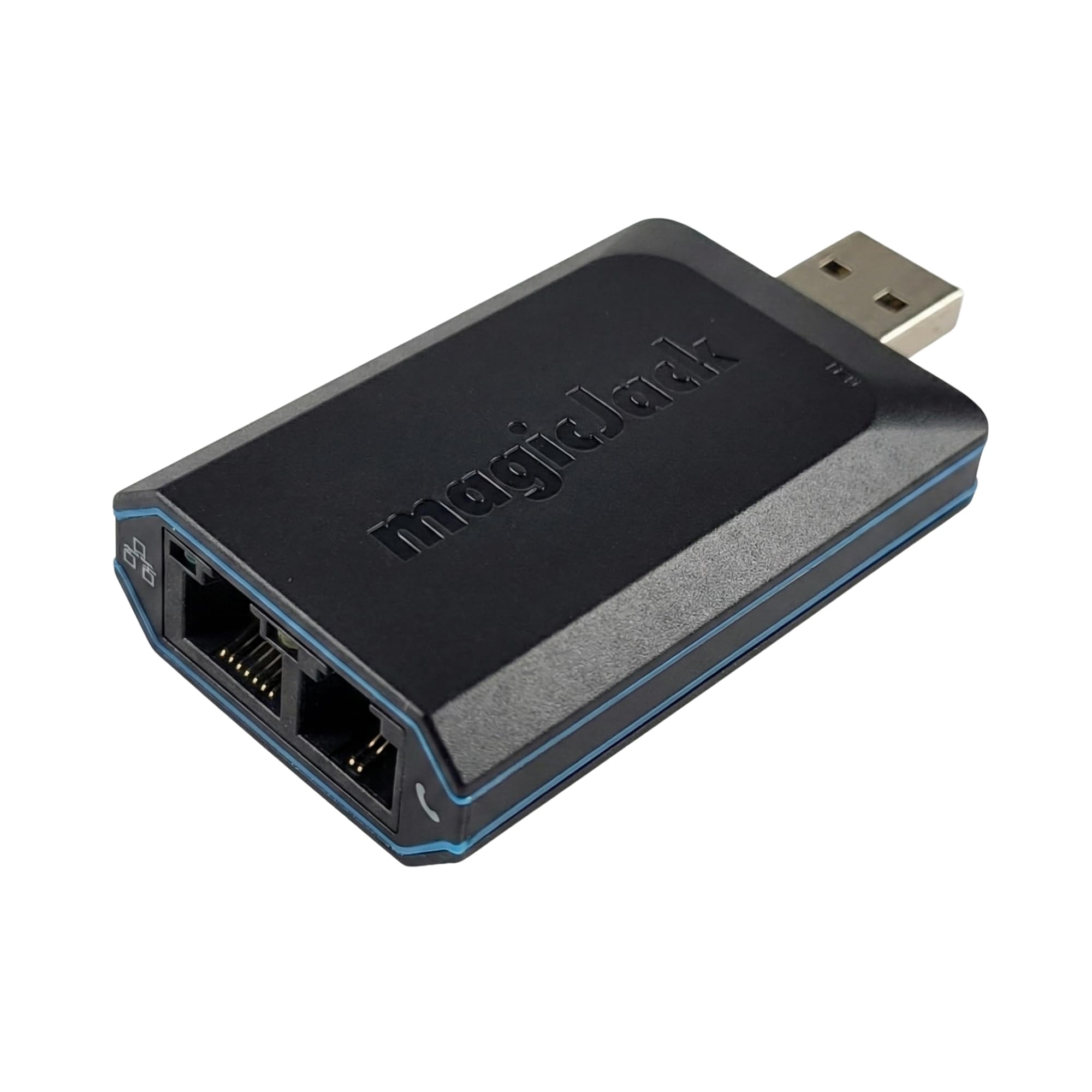
VOIP adapter that enables unlimited calling to the US and Canada without a monthly plan, paired with companion apps for easy setup. This device is straightforward to use for buyers new to internet-based calling while looking to reduce ongoing telecom costs.
Best for: Best for Beginners
Why pick this: Simple, budget-friendly way to get voice service over the internet without monthly fees.
Skip if: You need a hardware tool for moving a mobile home or on-site relocation tasks.

Retractable hose reel with a robust 50-foot hybrid air hose designed for frequent use in garages or workshops. The ceiling or wall mount and 180-degree swivel help keep hoses organized and accessible. Suitable for buyers needing durable organization hardware in a workshop or storage area associated with mobile-home setups.
Best for: Best Heavy-Duty Option
Why pick this: Heavy-duty hose reel for reliable air supply connection in larger or more demanding setups.
Skip if: You only need lightweight tools and do not require an air hose reel.

Moving a mobile home on a budget doesn't have to be a daunting experience! By planning ahead, comparing quotes, and being flexible with your timeline, you can significantly reduce costs. Don't forget to tap into resources like local community groups or online forums where you can share experiences and get advice from others who have gone through the same process. Every little tip can add up to big savings and help make your move smoother.
I hope you found these suggestions helpful on your journey to move your mobile home without breaking the bank! If you're looking for more tips and inspiration, let's keep the conversation going. You can always check out my newest finds on Pinterest. Stay updated, and happy moving!


