The best sealant for concrete cracks is the one that not only fills the gap but also moves with the concrete as weather changes, shielding your surface from water damage and future settlement.
| Scenario | Recommended Sealant Type | Why It Works |
|---|---|---|
| Wide, flat joints | Self-leveling caulk | Flows into large gaps and creates a uniform seal; pre-sealing the joint improves adhesion. |
| Small cracks and vertical surfaces | Non-sag caulk | Thicker formula stays put, easy to smooth, ideal where gravity would cause sagging. |
| General outdoor concrete repairs | Concrete caulk | Specifically formulated for concrete movement and weather exposure, offering durable long-term protection. |
One of the promising advancements in sealant technology is highlighted by the work of LSU's ME professor, who has developed a shape memory polymer–based sealant designed to fill cracks in concrete pavement. This innovative sealant expands and contracts with temperature fluctuations, enhancing its ability to bond and potentially reducing costs. The asphalt-filled polymer matrix not only improves adhesion but also offers resilience against environmental degradation. The progression from lab testing to planned field validation demonstrates the thorough evaluation process that modern sealants undergo before commercialization Mind the Gap: LSU ME Professor Invents Asphalt Sealant.
![7 Best Concrete Crack Fillers [2026] - Garage, Driveway, Patio, Sidewalk & Caulk Repair](https://i0.wp.com/i.ytimg.com/vi/P6o5FazZHVc/hqdefault.jpg?ssl=1)
What experiences have you had with sealing concrete cracks this season—what worked best for your space, and what would you do differently next time? Share your thoughts in the comments.
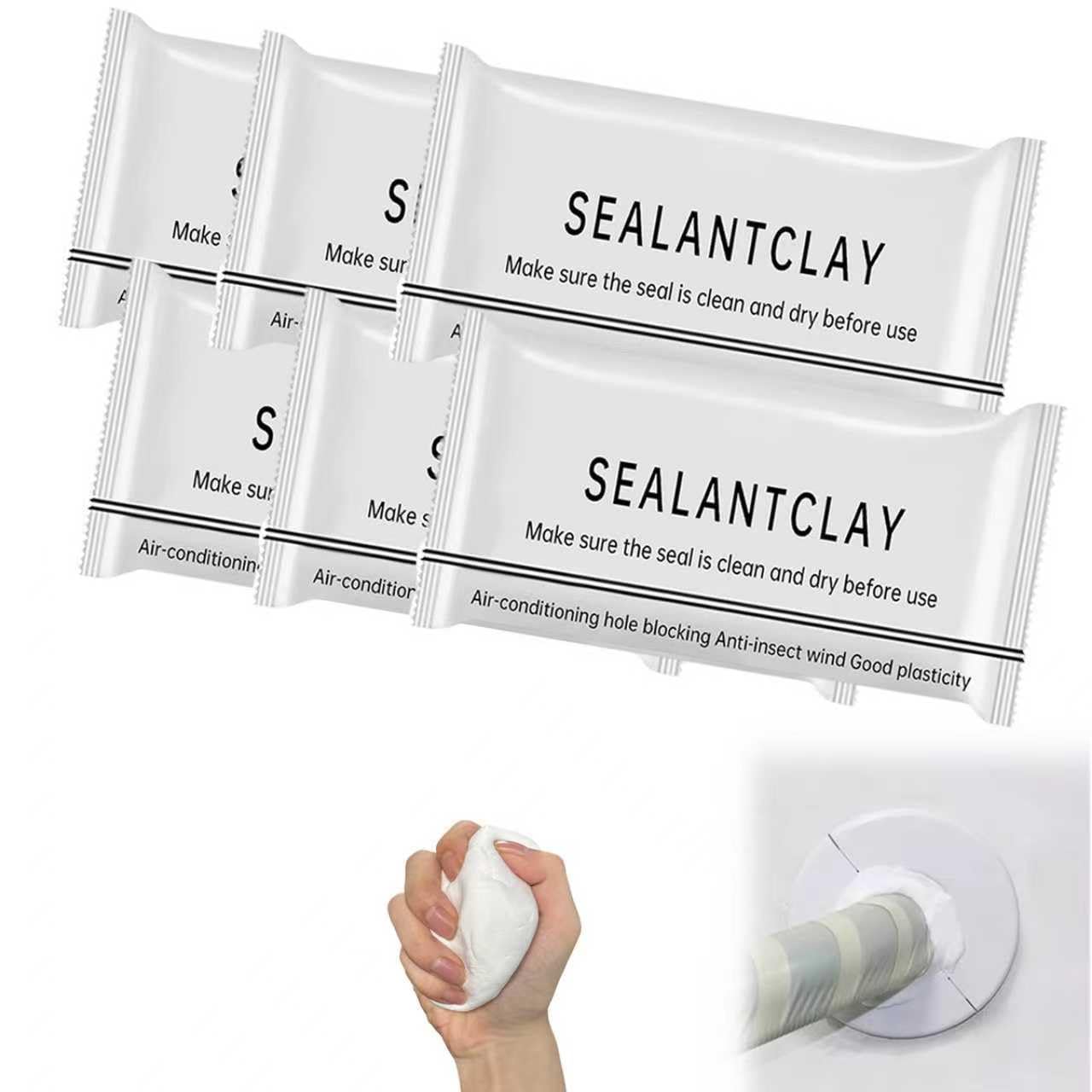
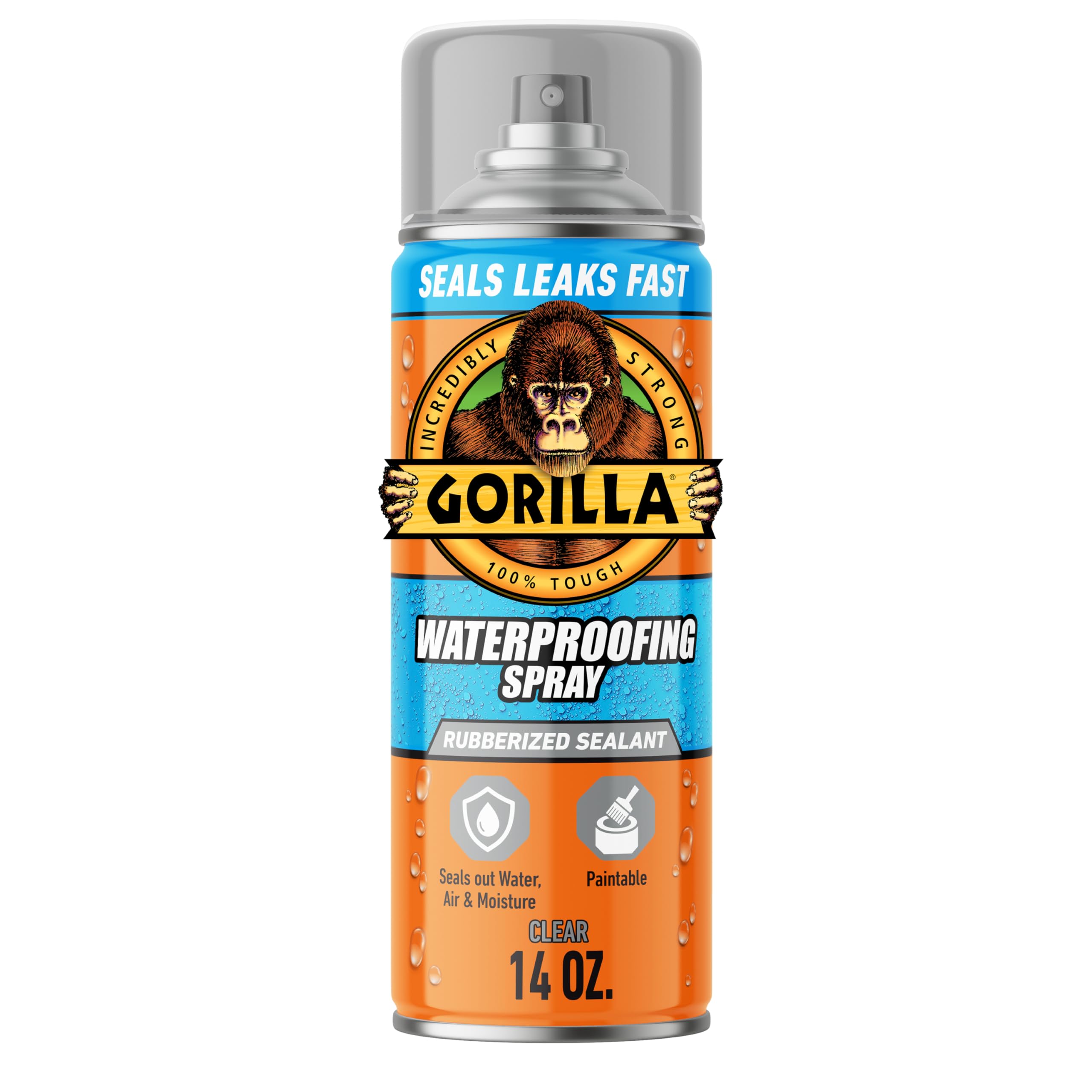

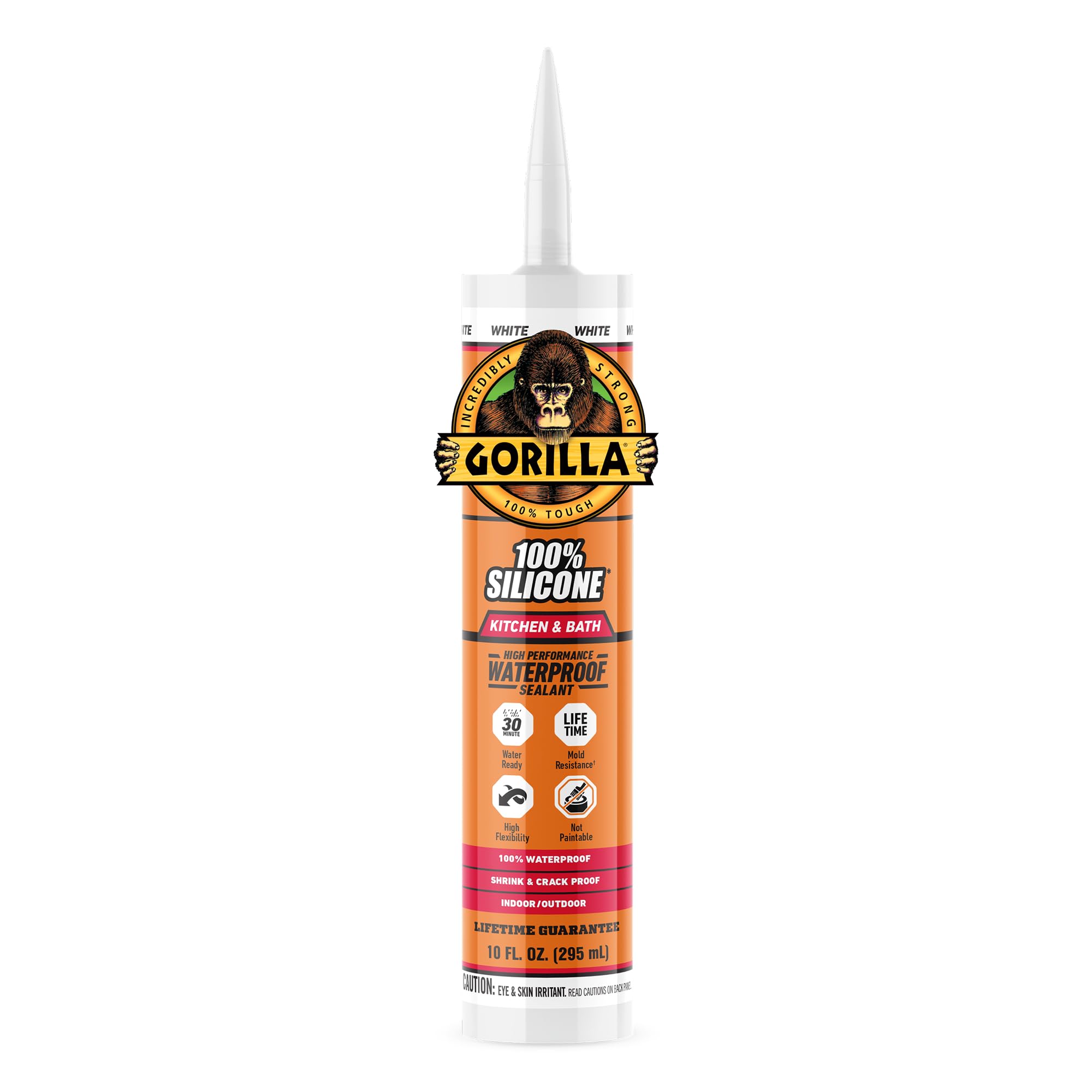


When it comes to sealing cracks in your concrete, finding the right product makes all the difference. Whether you're tackling small hairline fractures or larger gaps, there’s a range of sealants designed to fit your specific needs. Be sure to consider factors like durability, weather resistance, and ease of application before making your choice. Remember, a little preventive maintenance now can save you from bigger problems down the road. So roll up your sleeves, grab that sealant, and let’s keep your concrete surfaces looking great and standing strong!
I hope this guide has helped you feel confident about choosing the best sealant for your concrete cracks! If you’re looking for more helpful tips and DIY ideas, I invite you to follow my journey on social media. For some inspiring design ideas, check out my Pinterest page where I share a wealth of content that can spark your creativity. Here’s to keeping your concrete in top shape and making your home the best it can be!


