Daylily Companion Plants: how to pair daylilies with the right partners to extend color and interest in your garden
Did you know that daylilies can produce over 300 blooms in a single season? That’s right! These vibrant perennials not only bring a burst of color to your landscape but also shine even brighter when they’re paired with the right companions. In this blog post, we’ll dive into the world of daylily companion plants that will enhance their beauty and create a garden that captivates throughout the growing season.
The beauty of choosing daylily companion plants lies in their ability to fill the gaps in your garden after the daylily blooms fade, ensuring that your space is vibrant all season long. By selecting the right partners, you can create a layered, harmonious display that captures attention and encourages wildlife while minimizing maintenance needs. So let’s explore some incredible pairings that will breathe life into your garden!
Daylily Companion Plants: how to pair daylilies with the right partners to extend color and interest in your garden
Daylilies are a bright, reliable workhorse in the sunny border, but their true beauty often shines brightest when paired with well-chosen companions. In this guide, you’ll learn which plants pair best with daylilies, how to create layered color through the seasons, and practical tips to keep beds cohesive and easy to maintain. Whether you’re planning around Stella de Oro, Pardon Me, or Happy Returns, the right partners will extend color, texture, and pollinator appeal well beyond the daylily bloom window. For a concise introduction to daylily characteristics and landscape uses, see the Clemson University Daylily Factsheet.
| Plant Pairing Idea | Why It Works | Ideal Bloom Window |
|---|---|---|
| Coneflowers (Echinacea) and daylilies | Bright, long-lasting color that complements daylily tones without competing for attention. | Late spring to early fall |
| Russian sage and daylilies | Grey-green foliage and tall blue blooms provide a cool backdrop for warm daylily colors. | Mid to late summer |
| Hostas with pale daylilies | Foliage contrast in shadier spots while keeping a cohesive look with daylilies’ upright blooms. | Spring to early summer |
The focus of daylily companion plants is to fill the garden bed after the daylilies have bloomed, providing color, texture, and shape that daylilies lack. By choosing the right daylily companions, you can extend garden interest and reduce maintenance compared with some annual color schemes.
When planning daylily companion plants, look for perennials that tolerate similar sun and soil conditions. Most daylilies thrive in full sun with well-drained soil, and they pair well with many drought-tolerant perennials. The goal is to create a layered, long-lasting display that occupies beds before, during, and after the peak daylily bloom period. For climate-specific notes and practical garden design ideas tailored to daylilies, consult resources such as the Minnesota Extension: Daylilies and the NC State Extension: Hemerocallis (Daylilies).
Stella de Oro is one of the best-known daylilies, prized for its compact habit and prolific, bright golden blooms. It pairs well with a variety of companions that suit its sunny footprint and fast-spreading habit. If you’re specifically looking for “stella de oro daylily companion plants,” consider these options:
Readers often search for companions tailored to particular daylily varieties. Here are quick pairings for several frequently requested names, with an emphasis on practical color and bloom timing:
To achieve the best results for daylily companion plants, keep these practical tips in mind:
If you’d like, I can tailor a 1–2 year border plan for your site using your sun exposure, climate zone, and preferred bloom times, with a precise plant list and spacing. I can also adapt the recommendations for specific daylily varieties you mentioned, like Stella de Oro daylilies or Happy Returns daylilies, and suggest best companion plants for daylilies that align with your garden’s unique conditions. For practical shopping ideas, you can explore daylily companion possibilities on Daylily companion plants (Amazon).
Daylilies have a reputation for being easy to propagate and hybridize, with a wide range of colors, sizes, and shapes. They’re often recommended as fillers in beds dominated by shrubs like rhododendrons and azaleas, where their peak bloom arrives after the shrubs finish. If you’re exploring more formal or mixed borders, consider pairing with perennials such as echinacea, rudbeckia, phlox, and salvia for sustained color and pollinator interest. For more detailed guidance on specific pairings, reputable garden guides and nursery resources can provide tailored recommendations for your climate zone and soil type. The NC State Extension page on daylilies offers general species information and cultivar considerations that can help refine neighbor choices in a mixed border.
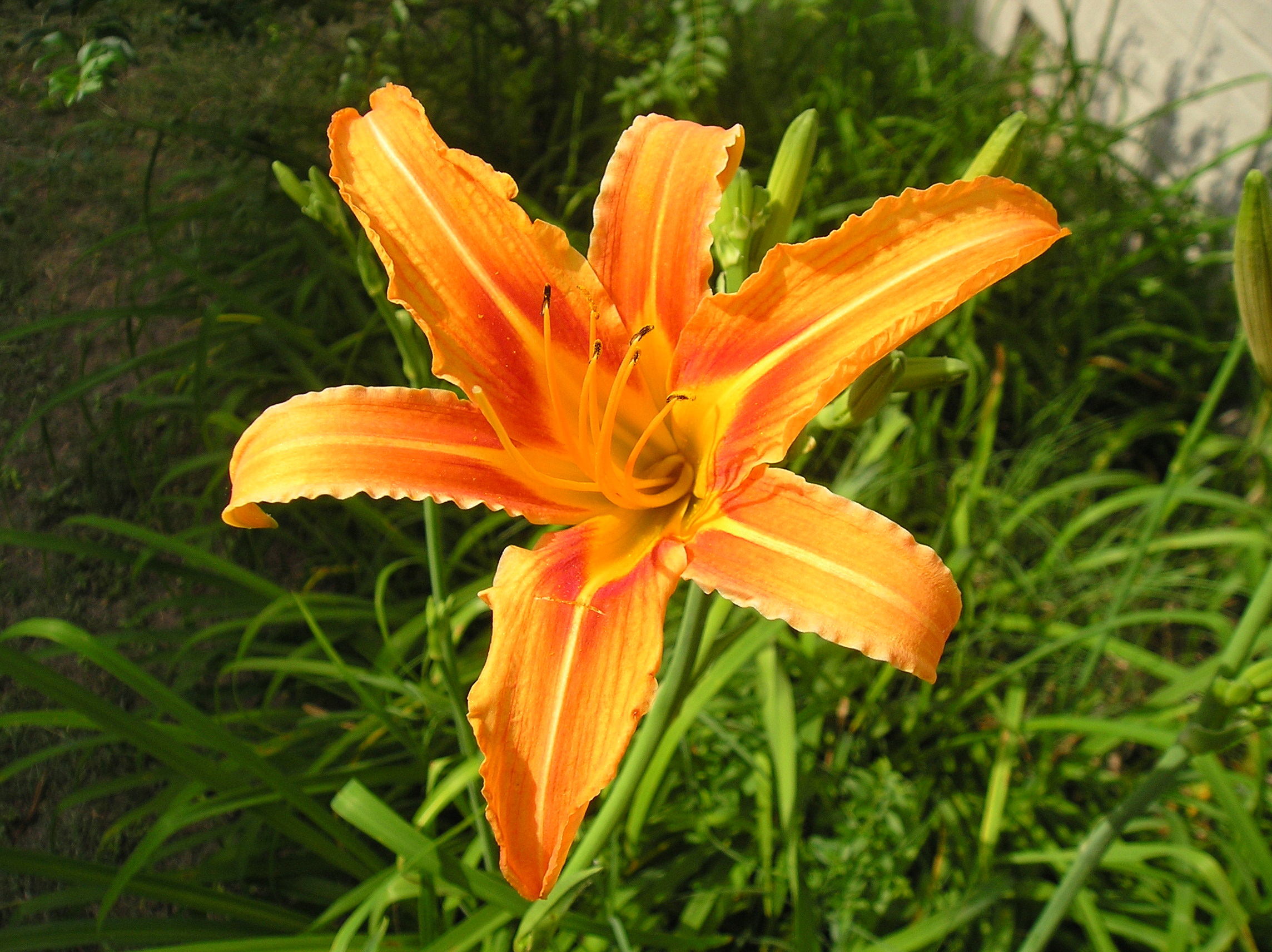
For further information, you can consult growers and organizations that discuss companion planting strategies, and examine planting lists from reputable sources to cross-check ideas like coneflowers, yarrow, asters, and perennials that complement daylilies. See the Minnesota Extension: Daylilies for climate-specific guidance, and the NC State Extension: Hemerocallis (Daylilies) for general species information and cultivar considerations.
Whether you’re working with Stella de Oro daylilies, Pardon Me daylilies, or other varieties such as Happy Returns or Little Grapette, the right companions can extend color and vitality beyond the daylily’s own bloom window. Share your favorites for daylily companion plants in the comments, or tell us which combination you’re most excited to try this season.
In addition to choosing the right companions, consider practical care to keep the bed thriving:
| Companion Group | Key Benefit | Typical Bloom Window |
|---|---|---|
| Coneflowers, asters, rudbeckia | Extended late-season color and pollinator appeal | Late spring to fall |
| Russian sage, Nepeta | Cool blues and silver foliage for contrast | Mid to late summer |
| Hostas, heucheras | Foliage drama in shadier spots | Spring to early summer |
Daylilies also pair well with ornamental grasses and other texture-rich plants that move with the breeze, creating a dynamic, multi-layered bed. If you’re unsure where to start, begin by grouping plants with similar light and water needs, then layer in texture and color that will carry interest after the daylilies have faded.
Daylilies are remarkably versatile and resilient. They can thrive in borders, along slopes, containers, and rock gardens, and they’re known for being relatively low-maintenance once established. Their ability to blend with a wide range of companions makes them ideal for gardeners seeking color continuity without constant replanting.
If you’re exploring more formal or mixed borders, or you want tailored advice for specific daylily varieties—such as Stella de Oro, Pardon Me, or Happy Returns—name your climate zone, sun exposure, and preferred bloom times, and I’ll help assemble a precise, plant-by-plant list with spacing guidance.
Do you have a favorite daylily companion pairing? Share your experiences in the comments below, or tell us which plant you’re most excited to try this season. Your real-world tips can inspire another gardener to craft a more vibrant, longer-lasting garden.

The Southern Living 1 Gal. Stella Daylily Plant is a versatile, easy-to-grow perennial that brings bright, mid-season color to borders, beds, and containers. Its compact flowering habit makes it a reliable accent plant for daylily companions, blending well with other perennials and grasses in mixed plantings.
Best for: Best Overall
Why pick this: A well-known, reliable Stella Daylily cultivar that pairs nicely with other daylilies and companion plants in mixed borders.
Skip if: You need a very tall or unusually large daylily—this option trades height for stability and compact form.
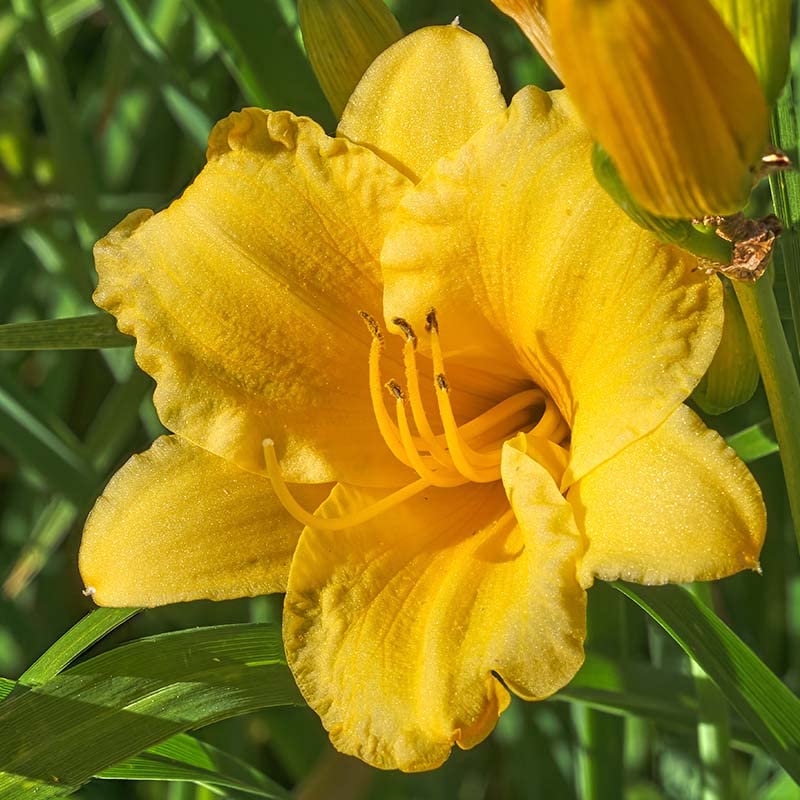
Stella D'oro Yellow Daylilies are a classic, budget-friendly choice for sun-filled borders and mass plantings. These bare-root perennials arrive ready to establish in your garden and rebloom across seasons, making them a practical companion when pairing with other daylilies to create a cheerful, cohesive bed.
Best for: Best Budget
Why pick this: An affordable way to add bright yellow daylilies to a sunny landscape while expanding a companion planting scheme.
Skip if: You need a tall, dramatic focal point at the front of a bed; this option emphasizes budget-friendly bulk color over height.
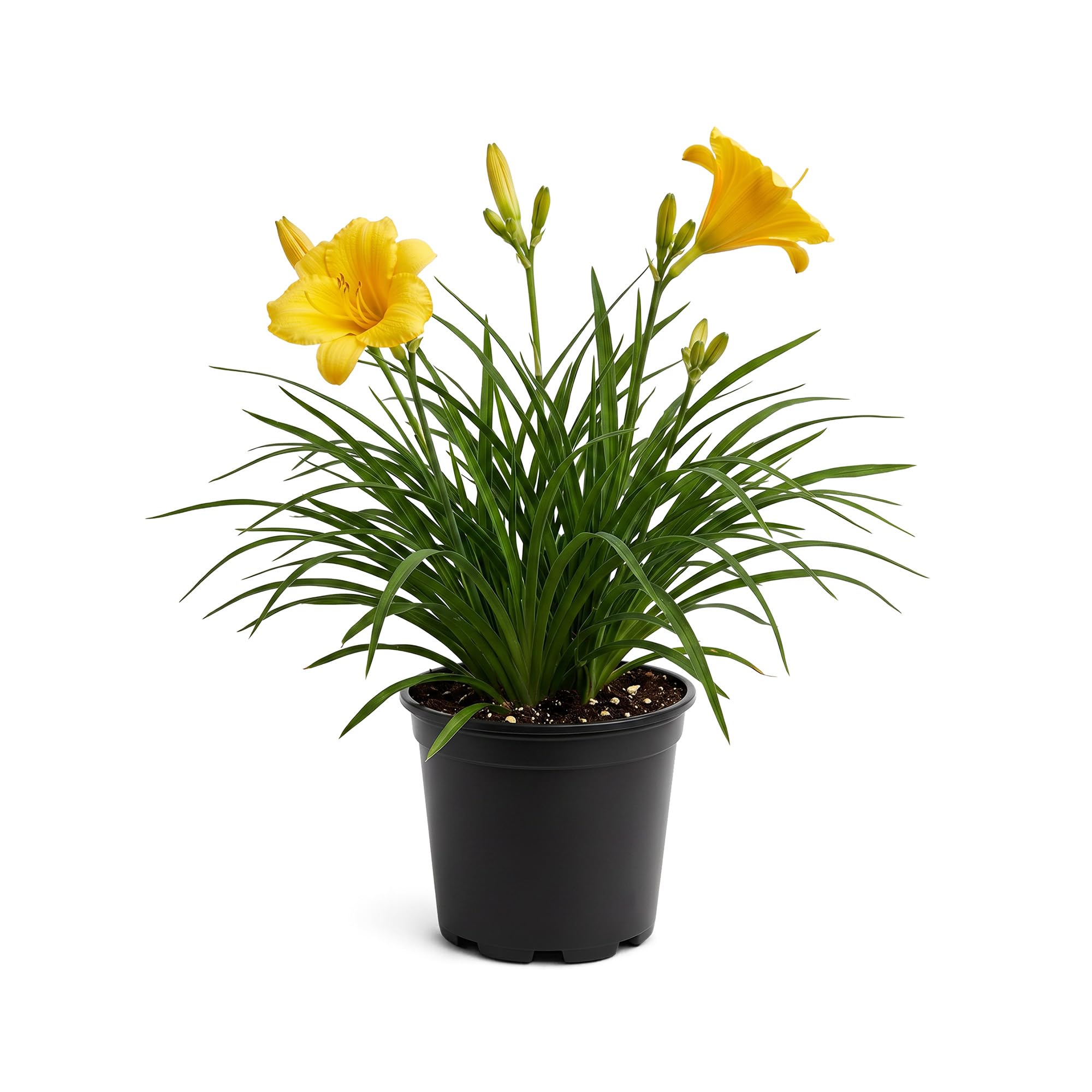
The Live Daylily in a 2.5 Qt pot showcases vivid yellow to orange blooms with a dependable perennial habit, suitable for mid-height accents in mixed borders and in proximity to shorter daylilies for contrast. This cultivar complements daylily companions by providing reliable color and structure in mid-season display.
Best for: Best Premium
Why pick this: A robust, showy daylily with stronger stems and larger blooms—great for bold color near other daylilies.
Skip if: You need a compact or short-growing companion for small-space planting; this option adds height and drama rather than compactness.
Daylilies are a fantastic addition to any garden, not only for their stunning blooms but also for their resilience and adaptability. As you explore the world of daylily companion plants, remember that combining them with the right partners can enhance their beauty and create a harmonious garden environment. Whether you choose to pair them with cheerful coreopsis, fragrant lavender, or tall ornamental grasses, there's a perfect combo waiting just for you. Take your time to mix and match until you find the combinations that bring you joy!
I hope you found these companion plant suggestions helpful and are feeling inspired to get creative in your garden! The beauty of gardening is that there’s always something new to learn and explore. If you’d like to stay updated with more floral tips, tricks, and ideas, don’t hesitate to follow us on social media, like our page on Facebook, and join our growing community of garden enthusiasts. Happy planting!


