What is a mandevilla? Discover how these stunning, vibrant plants can transform your garden into a tropical oasis. Learn more about their care and beauty!
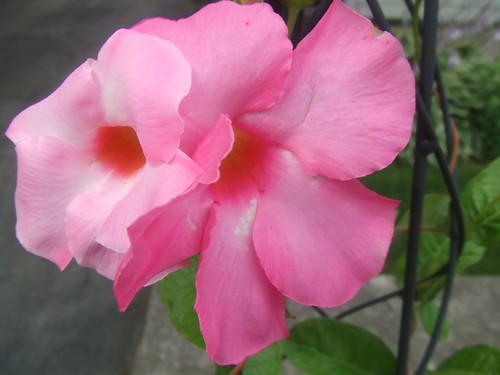
Mandevilla is a tropical vine that instantly evicts the winter blues from any patio or balcony with its glossy leaves and bold trumpet-shaped blooms in shades of pink, red, white, or cream. This plants’ allure lies in its ability to climb and drape over a trellis, arbor, or container, delivering a lush, tropical backdrop from late spring through warm months. In this guide, you’ll learn what mandevilla is, how it grows, how to care for it, and how to extend its season in a garden or on a sunny patio.
| Aspect | What to Know | Care Snapshot |
|---|---|---|
| Definition | A tropical climbing plant (often grown as a vine) known for showy funnel-shaped flowers in pink, red, white, or creams. | Trellis, arbor, or container; regular support encouraged for climbing habit. |
Mandevilla is a tropical genus native to Central and South America, with more than 180 recognized species and hybrids. In cultivation, you’ll often see names like Mandevilla × hybrida, Mandevilla splendens, and several popular hybrids used in landscapes and container plantings. In warm regions it behaves as a vigorous climber, while in cooler climates it’s commonly grown as a patio plant, bedding annual, or container plant that can be brought indoors for winter. Common cultivars and lines include well-known pinks and reds such as Alice du Pont, Rita Mae Green, Leah, Original Crimson, Original Pink, Original White, Original XP Sunbeam, and Rita Mae Green, among others. These cultivars offer a range of colors and growth habits, from long vines to more compact, shrub-like forms. For a deeper genomic context, refer to Genomic insights into the Mandevilla genus.

What is a mandevilla? It’s a tropical vine prized for its evergreen-like foliage and large, trumpet-shaped blossoms. Native to parts of the Americas, mandevillas are widely grown for their long bloom season and tropical look. They’re commonly grown as houseplants, patio plants, or bedding annuals in temperate regions, where they appreciate moist, well-drained soil, bright light, and protection from harsh winter cold. The plant’s classic appeal—bold colors in a vascular, twining vine—makes it a staple for arbors, fences, and container gardens alike. You can find more details about it in the Mandevilla (rocktrumpet) – overview.

Dipladenia and mandevilla look alike, but they differ in habit and size. Mandevilla vines are typically larger, with a twining climbing habit and bigger trumpet blooms, while dipladenia (often marketed as dipladenia or mandevilla) tends to be more shrub-like, more compact, and with smaller leaves and flowers. Dipladenia is sometimes described as a rock trumpet and is prized for container and hanging-basket displays where a bushier, upright or cascading habit is desired.

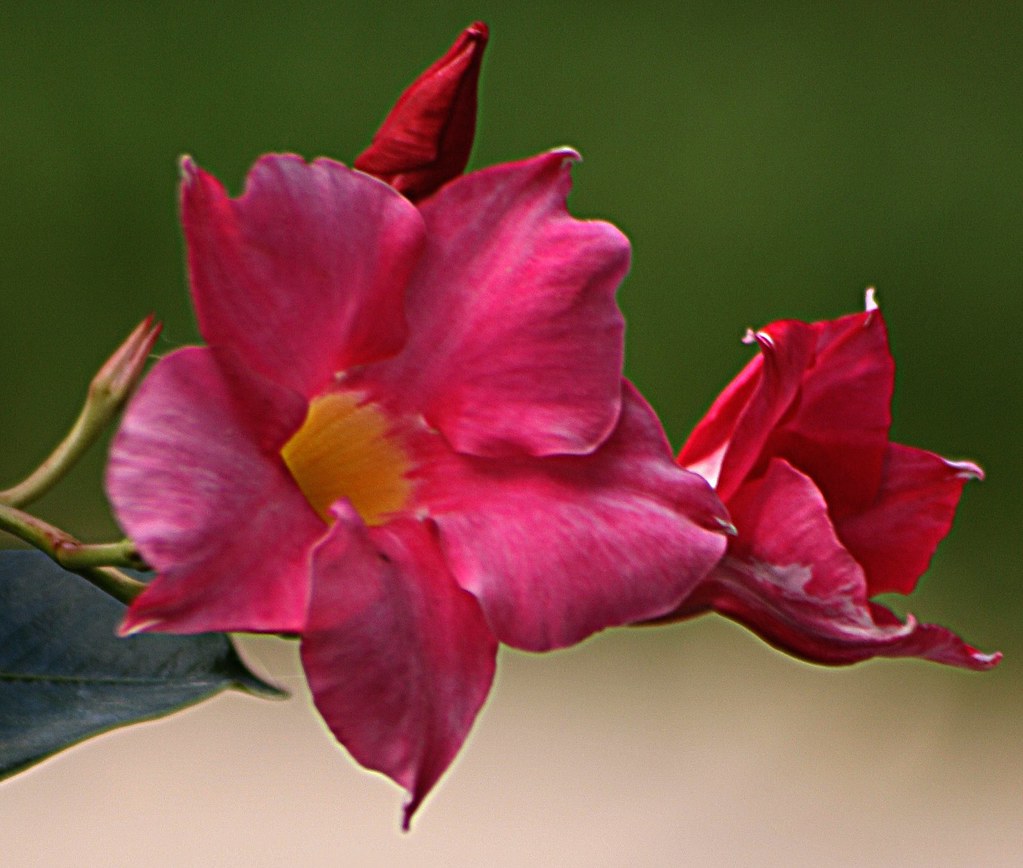
What color do mandevillas come in? Pink, red, and white are common, with some cultivars offering creamy tones or bi-color blooms. The color range is tied to the cultivar, from soft pastels to vivid magentas and pure whites. Some series like SunParasol bring a consistent, bright bloom performance across a range of colors.

What is a mandevilla plant’s growth habit? These are vigorous vines that can extend several feet in a single growing season when provided with full sun, warmth, and sturdy support. They enjoy well-draining soil and regular feeding during growth. In containers, mandevilla can deliver a spectacular tropical display, with blooms continuing through warm months if conditions stay favorable. Typical growth habits, flowering, and environmental needs can be referenced in the Mandevilla – UF/IFAS Gardening Solutions.

What is the best soil for mandevilla? A well-draining, fertile mix is essential in ground or pots to prevent root rot. Sandy, well-drained soil amended with organic matter and a neutral to slightly acidic pH is favorable. In pots, choose a high-quality potting mix with reliable drainage.
What fertilizer for mandevilla? Regular feeding during the growing season promotes abundant blooms. Use a balanced fertilizer or a formulation designed for flowering ornamentals, following label directions. Feed more in spring and summer, taper in cooler months as growth slows.
What kind of plant is a mandevilla in terms of light and temperature? Mandevilla plants prefer bright light—full sun to light shade—and warm temperatures, typically thriving in the upper 60s to 80s Fahrenheit (20–27°C). Cold damage can limit flowering, and they are not frost-hardy in temperate regions. In very hot climates, some shade during the hottest part of the afternoon helps prevent leaf burn.

What is the lowest temperature a mandevilla can tolerate? They perform best in warm conditions; temperatures below 50–60°F (10–15°C) can stress the plant and slow growth. In winter, many growers reduce watering, especially if plants are indoors and dormancy occurs. Humidity helps, so consider light misting or a humidity tray indoors in dry environments.
What do mandevilla flowers look like when they’re thriving? Expect long-lasting, showy blossoms with a tropical fragrance in some cultivars, set against deep, glossy green foliage. Regular watering that keeps the soil evenly moist but not waterlogged helps maintain robust growth and flower production.
What is a mound-shaped mandevilla? A pruned form that yields a compact, rounded shrub-like silhouette, suitable for small patios or mixed borders. Regular pruning controls height and encourages bushier growth, while still supporting flowering on new wood.
What is the best pruning approach for mandevilla? Prune to remove dead or diseased wood, encourage branching, and shape after flowering to avoid cutting off next season’s flower buds. Early-spring pruning can stimulate a fuller habit, but avoid heavy pruning late in the season since mandevilla blooms on new growth and can produce fewer flowers if cut too late. For indoor maintenance, refer to Cutting back mandevilla indoors – Extension guidance.
What are overwintering options for mandevilla? In zones where mandevilla is not hardy, two common strategies exist. Option 1: bring indoors before frost, prune back by about half, place near a sunny window, and resume light feeding in late winter to encourage new growth. Option 2: allow it to go dormant outdoors, then move to a cool, above-freezing space such as a garage or basement. Cut back hard to about 12 inches and provide occasional watering until spring. These steps help protect the plant and extend your growing season in cooler climates.
In frost-prone areas (e.g., USDA zones where mandevilla isn’t hardy), container-grown mandevilla is a practical option. Bring the plant indoors before a hard frost, prune back, and place in a bright location near a window. Resume light feeding in late winter to encourage fresh growth and prepare for an outdoor restart in spring. Alternatively, let the plant go dormant outdoors and move it to a cool, above-freezing space—water sparingly, and resume gentle growth in spring.
Mandevilla pairs beautifully with other tropical-inspired plants such as hibiscus, salvia, lantana, and ornamental grasses. Its climbing habit makes it ideal for arbors, trellises, mailbox posts, or fence lines, adding vertical color to borders and entryways. When combined with complementary foliage and container plantings, mandevilla can create lush, sun-soaked focal points in the garden. For those looking for support systems, check out Mandevilla plant trellises and supports.
Your mandevilla purchase and care plan should align with your climate, whether you’re growing in pots or in the ground, and whether you prefer a climbing vine or a compact shrub form. With the right location, soil, and ongoing care, what is a mandevilla can become a star performer in a warm-season landscape or container garden.
If you’d like, share your climate zone and whether you’re growing mandevilla in pots or in the ground, and I’ll tailor a month-by-month care plan, including pruning, feeding, and overwintering steps designed for your setup.
Have you grown mandevilla or dipladenia before? Share your experiences with pruning, container sizes, or overwintering methods in the comments—your tips could help a fellow gardener get better blooms next season.
Mandevillas are simply enchanting! Their vibrant flowers and lush, green foliage can transform any garden or outdoor space into a tropical paradise. With their climbing nature and ability to bloom profusely, they bring an exotic flair that can really elevate your planting game. Whether you decide to train them on a trellis or let them spill out of pots, these beauties are bound to catch your eye and lift your spirits. Plus, they are relatively easy to care for, making them a great choice for both novice and experienced gardeners alike.
If you found the charm of mandevillas captivating, I’d encourage you to explore even more plant-related content! There's always something new to learn and discover in the world of gardening. Join me on this journey by following along on our social media, like our Instagram @architectureadrenaline, where I share tips, tricks, and some of my favorite plants. Together, we can cultivate a love for all things green and continue to grow our gardening community!


