Explore asymmetrical balance in interior design to add intrigue and warmth. Discover how to mix elements for a unique, inviting space!
Asymmetrical balance in interior design is a dynamic, welcoming approach that uses differing elements with balanced visual weight to create harmony without mirror-image symmetry.
In this article, we’ll explore what asymmetrical balance is, why it works, and how to apply it in real spaces. You’ll find practical steps, clear principles, and actionable techniques to design rooms that feel lively, cohesive, and personalized — not chaotic or rigid.

Asymmetrical balance (also called informal balance) distributes visual weight across a space without exact mirror-image repetition. The result is a layout that reads as intentional and energetic, often well suited to modern, eclectic, and contemporary interiors where personality and storytelling matter. Visual weight—rather than exact size equality—drives balance, so a smaller, darker piece can carry more weight than a larger, lighter one when it draws the eye.


Asymmetrical balance works well in spaces that aim for warmth, personality, and a sense of spontaneity. It’s a natural fit for modern and contemporary interiors, eclectic schemes that mix textures and eras, and living rooms designed to feel inviting and lived-in. Rooms with a strong focal feature — such as a fireplace, bay window, or bold artwork — often benefit from surrounding asymmetrical arrangements.
Experimenting with asymmetric balance can transform a space from orderly to engaging. Start with a confident anchor, add varied supporting pieces, and refine with color, texture, and negative space. If you’ve found a setup you love, share a photo or describe your arrangement in the comments — what balance choices did you make, and how do they influence how you use the room?
Asymmetrical balance is a creative backbone of many modern interiors, allowing spaces to feel warm and expressive. Rather than the rigid predictability of symmetry, this approach invites an organic flow, making each room feel uniquely human. The goal is to distribute a variety of elements so they feel “right together,” even if they aren’t identical on both sides.
Visual weight matters as much as size when crafting an asymmetrical space. Darker colors, heavier textures, or more solid forms can read as heavier, while lighter colors and delicate textures read as lighter. Practical ways to balance visual weight include:
A focal point anchors the room and guides the eye. Once established, build around it by arranging smaller elements that vary in size and shape, forming an appealing surrounding vignette with odd-numbered groups (three or five items) to boost cohesion and rhythm.
Mixing textures adds depth and movement. A plush rug with sleek upholstery or velvet against metal creates visual interest. Practical tips include:
Negative space around heavier items gives the eye someplace to rest and prevents clutter. Strategies include:
Trust the process. Don’t be afraid to rearrange until the balance feels right to you. A well-balanced room emerges from thoughtful trial and error, reflection, and adjustments that reflect how you live in the space.
Have you experimented with asymmetrical designs in your home? What balance choices did you make, and how did they influence how you use the room? Share your experiences in the comments — your setup could inspire others to try a new approach.
Design literature often treats balance as a spectrum rather than a binary. You can ground a room with a deliberate anchor and then introduce asymmetrical accents to add warmth, texture, and personality. A tasteful mix of symmetry and asymmetry can yield interiors that feel both polished and alive, with rhythm, scale, and focal emphasis guiding the eye across the space.

| Concept | How it works | Practical takeaway |
|---|---|---|
| Visual Weight | Heaviness is read through color, texture, and form, not just size. | Balance a heavy piece with lighter companions or contrasting colors/textures on the opposite side. |
| Focal Points | A single anchor guides balance and informs surrounding arrangement. | Position art, furniture, or architectural features to serve as the room’s reference point. |
| Negative Space | Breathing room prevents crowding and improves readability of the layout. | Allow gaps around heavier items and around artwork to emphasize the overall balance. |
For further reading and inspiration, you can explore design resources that discuss balance in interiors, including articles and guides on symmetry, asymmetry, and radial balance. Practical tips often emphasize rhythm, proportion, and deliberate weight distribution as core tools for achieving a balanced, engaging space. If you're interested in surfacing asymmetrical balance interior design decor products, consider exploring various materials and accessories that can enhance your space.
If you’re curious about specific product options or want recommendations tailored to your room, tell me about your space and style — I can suggest furniture silhouettes, textures, and color palettes that align with an asymmetric balance approach.



Interior Design is Not Decoration And Other Ideas: Explore the world of interior design all around you in 100 illustrated entries is a book-like guide that introduces core interior design concepts and visual ideas. It aligns with the idea of creating balance through asymmetry by exploring varied layouts and visual weight in spaces, making it a relatable starting point for readers curious about asymmetrical balance in interior design.
Best for: Best for Beginners
Why pick this: It helps new readers understand foundational design ideas, including how asymmetrical balance can create dynamic, interesting interiors without overwhelming a space.
Skip if: You need detailed furniture specs or high-performance product data that applies to actual furnishings rather than conceptual design ideas.

The Interior Design Handbook: Furnish, Decorate, and Style Your Space provides practical guidance for shaping rooms with balance, proportion, and focal points. Its in-depth approach covers how asymmetrical balance can harmonize elements like furniture, textiles, and accessories to create cohesive, stylish interiors—great for designers and DIY enthusiasts seeking a more disciplined design framework.
Best for: Best Premium
Why pick this: It offers a thorough, design-forward framework for achieving balance through thoughtful arrangement and scale, which directly relates to asymmetrical balance strategies.
Skip if: You need quick, actionable furniture purchase data rather than design theory and layout guidance.
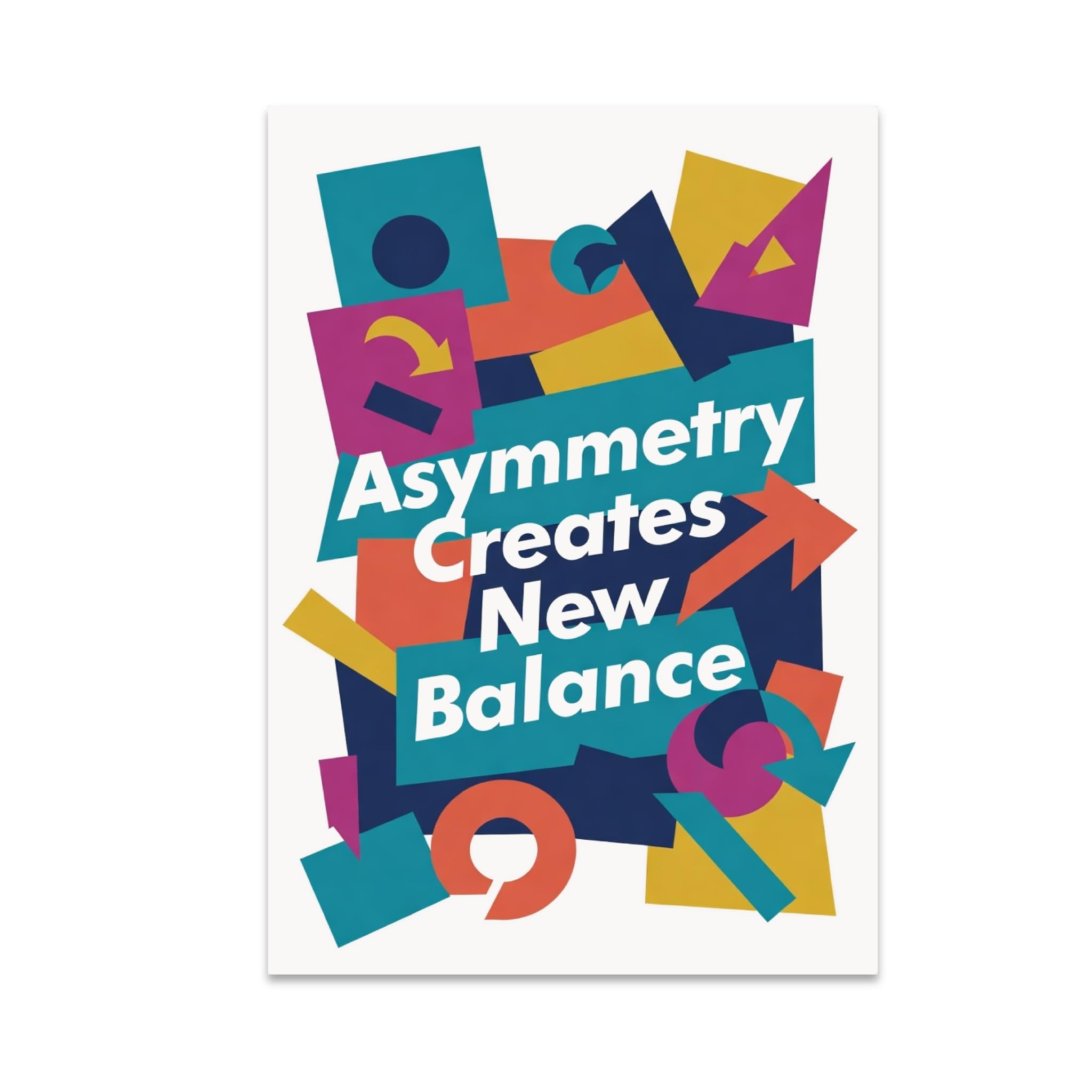
Modern Art Poster - Asymmetry Creates New Balance - 13x19 is a wall art print that explores visual balance through asymmetry, offering a tangible example of how intentional off-center compositions can energize small spaces without crowding them. This is a décor-focused item that can inspire design decisions in interior rearrangements and balance experiments.
Best for: Best for Small Spaces
Why pick this: A visually striking piece that demonstrates asymmetrical balance in a compact, affordable format, ideal for testing balance concepts before committing to larger furniture layouts.
Skip if: You’re seeking a furniture item rather than wall art to influence space balance or you require mounted hardware details.
As you embark on your journey to create a space that resonates with your unique style, remember that asymmetrical balance can add that perfect touch of intrigue and warmth to your home. Instead of shyly adhering to the rigid symmetry often seen in traditional designs, embrace the freedom that asymmetry offers. Feel free to mix and match different elements—whether it's furniture, colors, or décor. This playful approach invites personal expression, making your space feel more alive and truly yours.
I hope this exploration of asymmetrical balance has sparked some inspiration! As you experiment with your interior design, don’t forget to share your creations with others and keep the conversation going. If you're looking for more ideas and tips, consider following us on social media! You can find us on Instagram, where we share tons of design inspiration, tips, and behind-the-scenes looks at our latest projects. Happy decorating!


