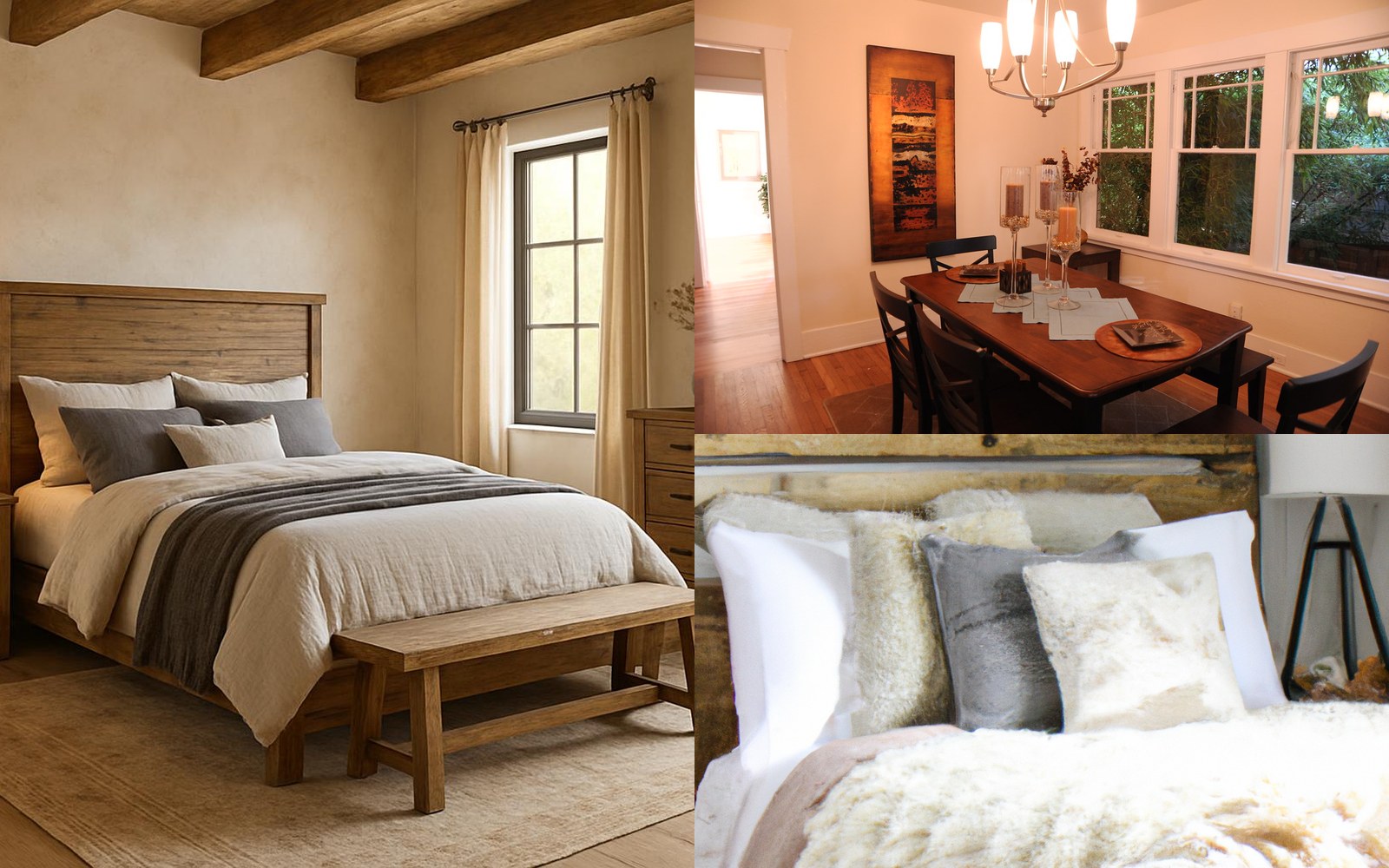
Start your rustic bedroom project by anchoring key design decisions in clear proportions and material choices. Position your bed considering at least 24 inches of clearance on either side to allow smooth bedside circulation and cleaning access. Prioritize storage with practical dimensions—a closet depth of 24 inches with custom shelving offers maximum usability in compact footprints. Layer textiles within a restrained natural palette, favoring materials like linen and brushed cotton that wear well over time. Include warm lighting placed near the bed—wall sconces at 60-70 inches from floor level complement bedside lamps, creating a layered glow. This article offers concrete tactile guidance for your foundational rustic bedroom styling, blending warmth with well-measured restraint.
Strategic Bed Placement for Optimal Circulation
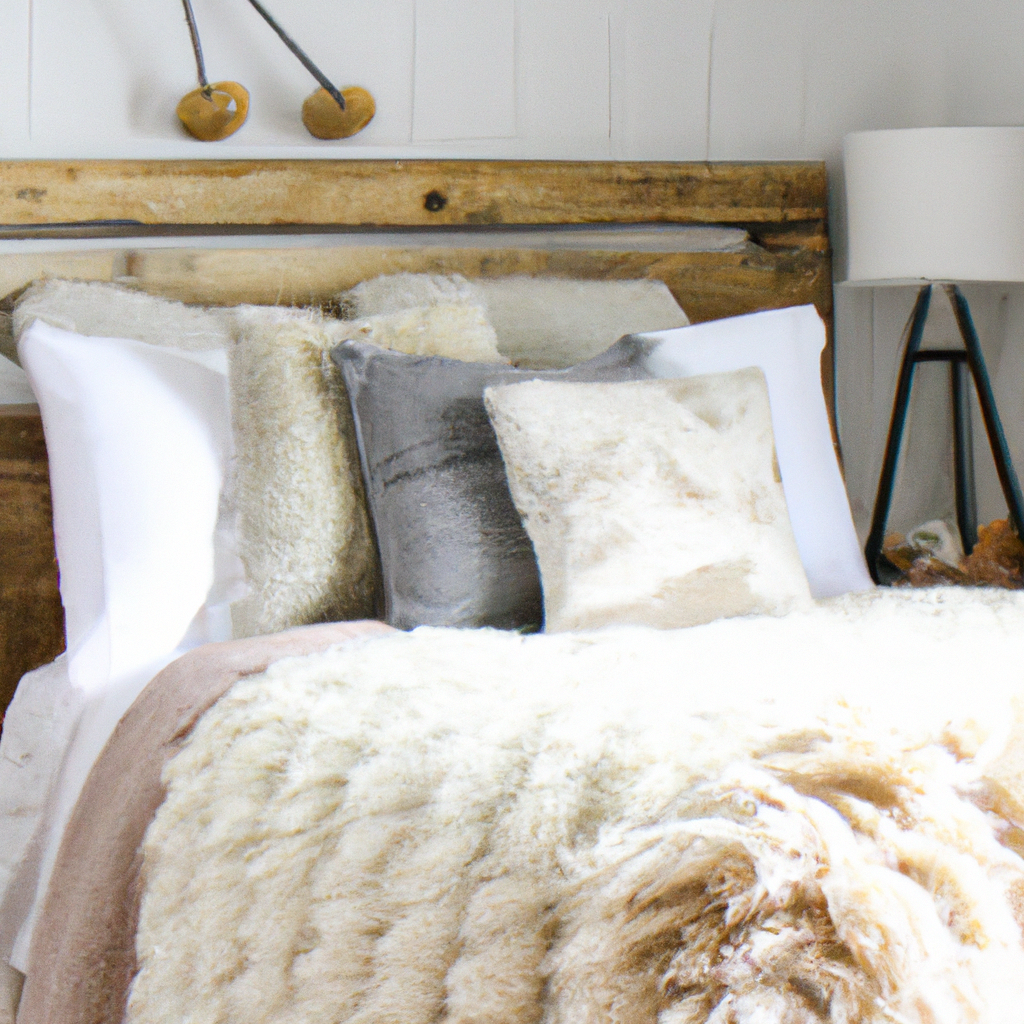
Position your bed centrally on a main wall that balances natural light with privacy, leaving no less than 24 inches between bed edges and walls or furniture. This spacing ensures unobstructed circulation around the bed, a critical factor in smaller rustic rooms. For a rugged but refined look, consider a reclaimed wood headboard with natural grain as a tactile anchor. Avoid tight corners that disrupt smooth movement and require frequent floor cleaning, especially with wood floors prone to scratching. A practical lesson in this placement: consistent clearances prevent cluttered feel and preserve the room’s calm, rustic ethos.
Storage Dimensions Tailored to Rustic Needs

Rustic bedrooms benefit from storage sized for both utility and simplicity; drawers or closet shelves with 18-24 inch depths optimize space without overwhelming the room. Use unfinished or matte wood finishes to maintain the rustic charm while easing maintenance concerns like visible wear or dust on glossy surfaces. Consider built-in units that subtly integrate with architectural details for streamlined storage. The tradeoff is that deeper storage reduces walking space around furniture, so balance with circulation needs. Coordinated storage dimensions help maintain a minimalist feel by avoiding oversized units that disrupt the rustic visual balance.
Closet Planning with Functional Depth and Access
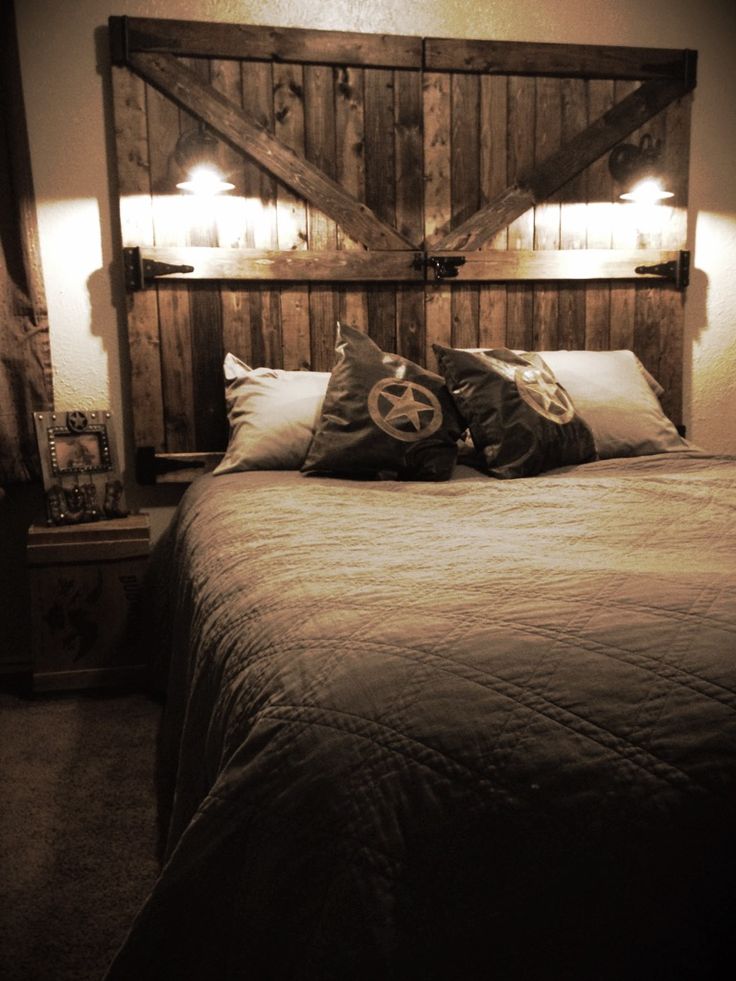
Closet depth is pivotal in rustic bedrooms, with 24 inches ideal to comfortably hang garments without crowding. Adding adjustable wooden shelves at 12-15 inch depths increases versatility for folded textiles and baskets, maintaining the rustic practical aesthetic. Sliding barn doors are a fitting material choice but require a minimum 36 inch clearance for smooth operation, slightly eating into available wall space. This highlights a typical rustic planning tension between authentic detail and spatial efficiency; plan closet access accordingly to preserve comfort and path width. Effective closet planning is about marrying classic textures with exact dimensional strategies.
Maintaining Bedside Clearance for Comfort and Flow
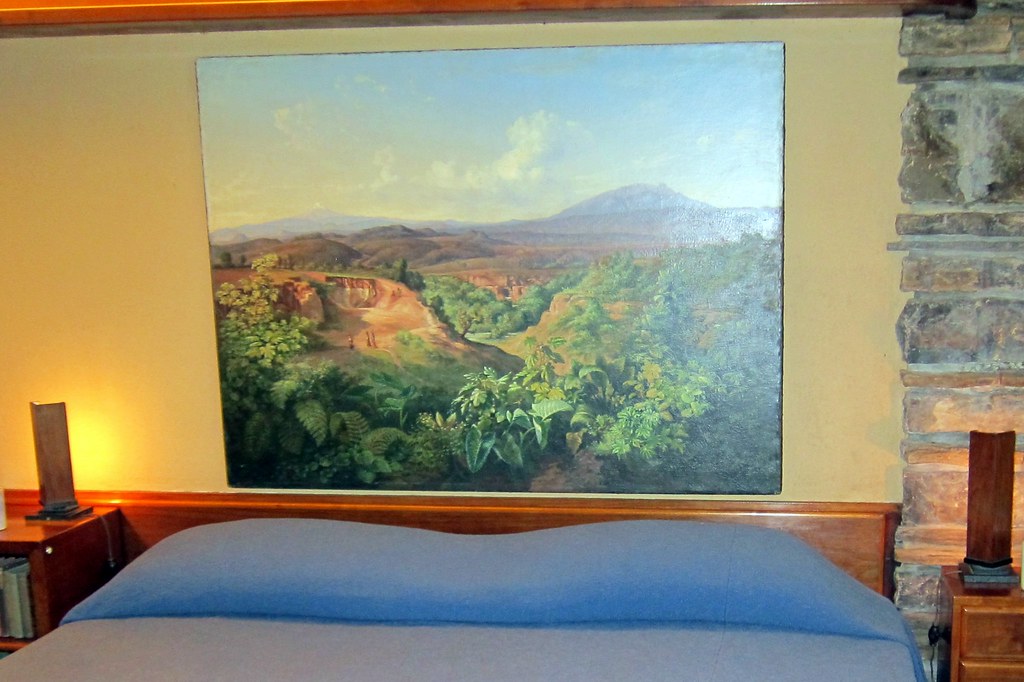
Maintain bedside clearance of at least 24 inches on either side of the bed to accommodate bedside tables and unobstructed passage, crucial in rustic designs where furniture scale is often robust. Choose tables around 20 inches in depth and 24 inches high to harmonize with standard bed heights while providing surface for lamps and essentials. Avoid overloading the area with decorative objects that reduce functionality and create visual clutter against the calm rustic backdrop. Too narrow clearance sacrifices comfort; too wide reduces usable room footprint. Careful bedside proportions ground the space in practical cozy design over purely ornamental styling.
Textiles That Balance Texture and Restraint

Layer textiles using natural fibers like linen, brushed cotton, and lightweight wool in muted earth tones—grays, warm whites, and soft browns—to create tactile richness without overwhelming pattern. A bedcover or duvet of 300-400 thread count cotton provides durability with softness appropriate to rustic sensibility. Pair these with pillows covered in subtly textured fabrics, avoiding overly busy prints that disrupt material restraint. Be mindful that heavier textiles retain more dust and require frequent airing to prevent degradation in rustic rooms, especially wood-rich environments. Textiles are your tactile touchpoint; opt for quality and visual calm in measured layers.
Layered Lighting to Enhance Rustic Ambience
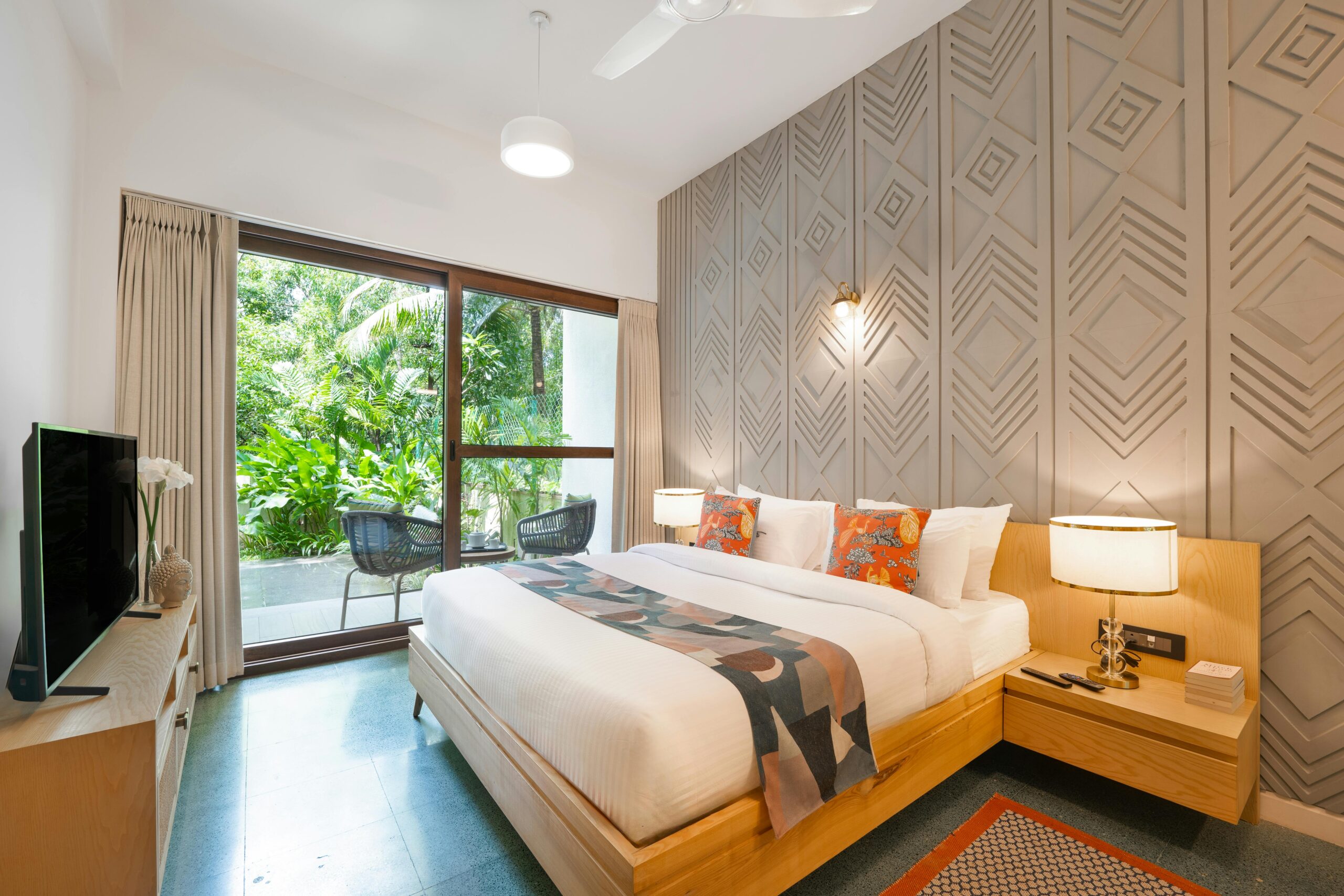
Install layered lighting combining warm (2700K) bedside lamps with wall sconces placed approximately 65-70 inches above floor for even illumination and visual interest. Use fixtures with matte black or aged bronze finishes to enhance rustic appeal while avoiding glare. Adding dimmers allows adjustment from task to ambient lighting, a small detail that improves room adaptability. The tradeoff to layered lighting is the complexity of wiring, often needing professional installation in older rustic walls. Proper lighting placement underlines both the bedroom’s functionality and its characteristic cozy feel with subtle contrasts.
Calm Material Palette with Rustic Surface Finishes

Favor a limited palette of warm, natural materials such as reclaimed wood, matte stone-like surfaces, and soft plaster walls in off-white or muted beige to support rustic restraint. Incorporate visible wood grain as a dominant textural element but avoid overly dark stains that can make the room feel heavy. Matte finishes reduce glare in daylight and night, enhancing calm. The caution here is wood maintenance in humid climates, necessitating seals or natural oil finishes applied regularly every 12-18 months to prevent warping. A calm material palette is not about uniformity but about balanced, tactile cohesion that supports relaxed living.
Circulation Cues and Furniture Scale Considerations
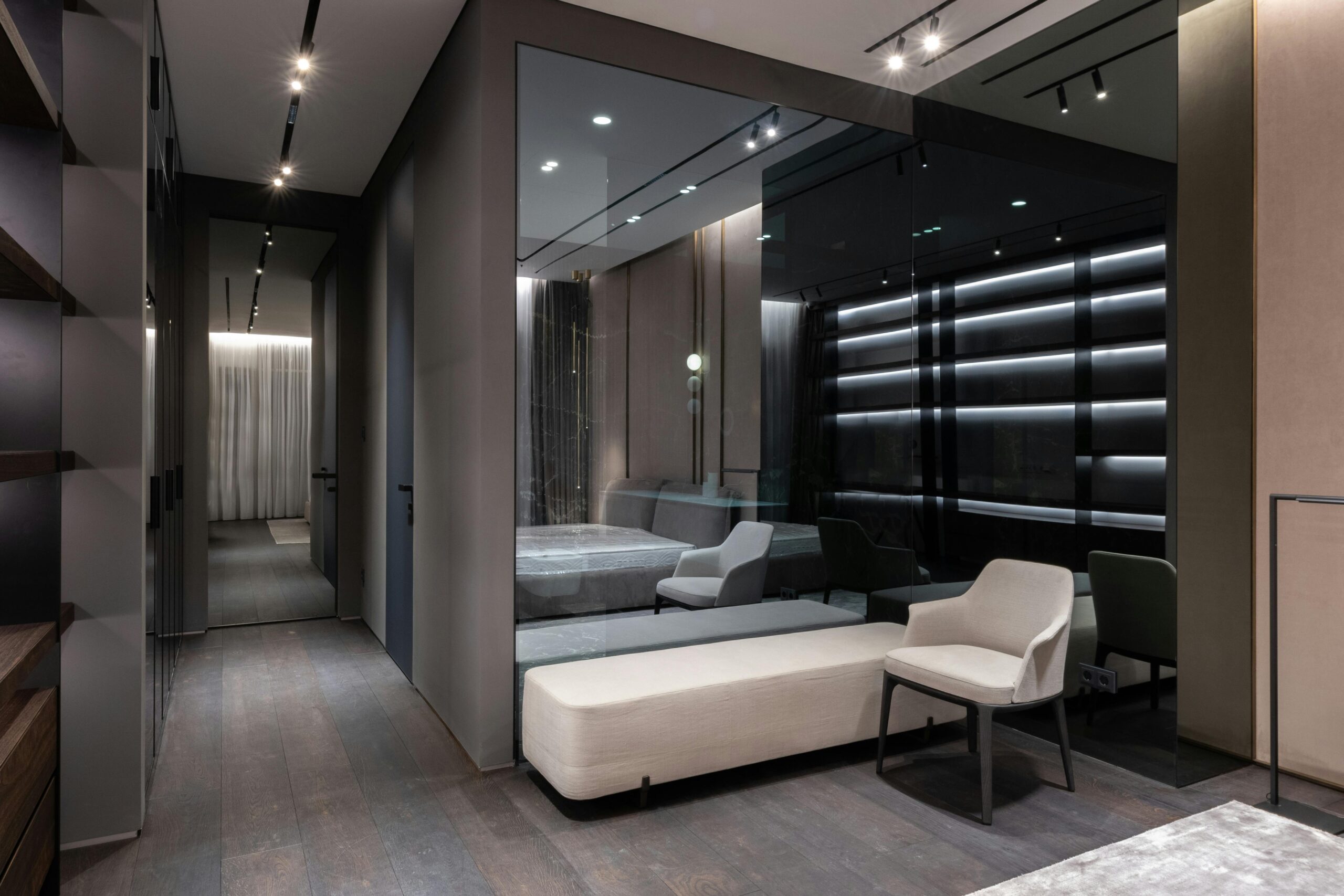
Furniture scale should complement path widths of at least 32 inches around the main circulation zones, balancing chunky rustic elements with spacious feel. Use vertical mirror placement on closet doors or walls to amplify light and give illusion of space but keep frames simple, in natural wood or iron. Avoid bulky seating near the bed that impedes flow. Circulation cues, like unobstructed sightlines from doorway to window, reinforce spatial clarity. The design takeaway here is that rustic bedrooms thrive on scaled restraint paired with thoughtfully guided movement patterns for daily ease and lasting appeal.
Related Architecture Adrenaline Reads
What common mistakes should I avoid when designing a rustic bedroom?
Avoid overcrowding the space with oversized furniture; prioritize circulation paths and balanced storage dimensions to maintain comfort and aesthetic clarity.
How deep should closet shelving be in a rustic bedroom?
Shelves between 12 and 15 inches deep offer practical storage without encroaching on room circulation or making the closet feel cramped.
What lighting temperature is best for a calm rustic bedroom ambiance?
Warm white lighting around 2700K supports the cozy, inviting feel central to rustic bedrooms without harsh glare.
Designing a rustic bedroom with a collage of first design ideas starts with precision in bed placement, storage sizing, and closet planning, establishing a foundation of functional calm. Attending to bedside clearances ensures ease of movement, while layered textiles and lighting soften the space within a restrained material palette. Balance the robust textures of rustic wood and stone with clean circulation lines and furniture scale. This concrete, measured approach to rustic bedroom styling supports a serene yet practical personal retreat, worthy of revisiting as your design evolves.
For more room-by-room ideas, browse Architecture Adrenaline’s latest design guides and save your favorite looks for your next project.
Further Inspiration Sources
Design Deep Dives & Resources
Use these references to go deeper on layouts, materials, lighting, safety, and maintenance decisions that matter for this style.
Research-Backed Planning Notes
- Plan clearances before finishes: Interior design work is strongest when circulation, door swings, storage depth, and fixture access are resolved before color or styling. Use this as a reason to verify dimensions and maintenance access before copying any visual concept. Source: NKBA
- Lighting quality depends on layers: Ambient, task, and accent lighting solve different problems, and glare control matters as much as fixture style. Use dimming, warm color temperature, and task placement as design constraints, not afterthoughts. Source: IES
On Architecture Adrenaline
- Rustic Bedroom Design Ideas Natural Inspiration: Read the full guide
- Bedroom Makeover Ideas: Read the full guide
Authoritative Planning References
- American Society of Interior Designers - Professional interior design reference for wellness, sustainability, material choices, and practice context.
- IIDA resources - Interior design practice resources that help ground planning, materials, and workplace/residential design decisions.
- National Kitchen & Bath Association - Kitchen and bath planning reference for fixture clearances, remodel planning, and professional standards.
External Inspiration
Editor-Selected Amazon Finds
Use these shopping starting points to compare dimensions, damp-location ratings, mounting hardware, and review photos before buying.
Task lighting
Start with lighting because it changes how every finish reads.
Storage organizers
Keeps the space functional instead of just photogenic.
Wall-mounted shelves
Adds useful vertical storage without crowding the floor.
Slim side tables
A compact landing surface helps the room work day to day.
Material sample kits
Compare finish color and texture in the actual room light before committing.
Design Inspiration Concepts
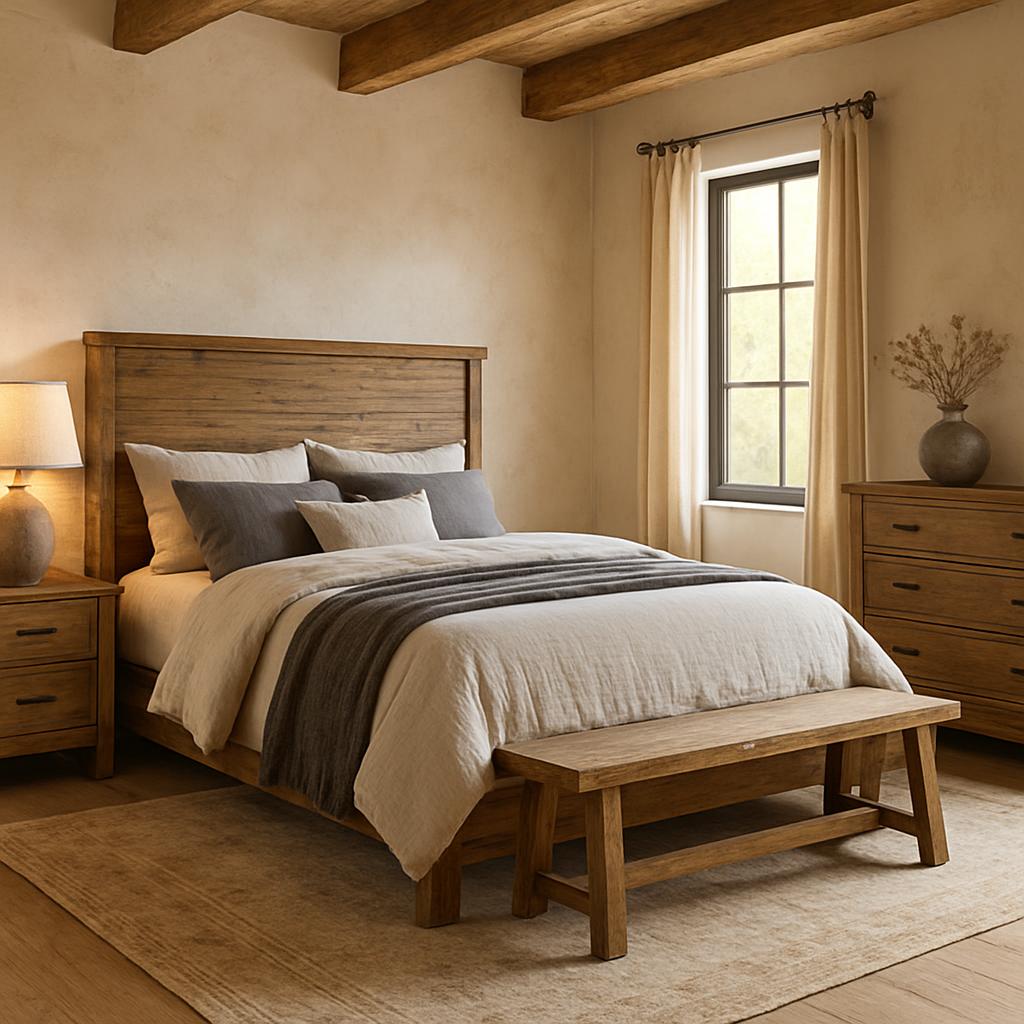
These concept images were generated to help visualize the ideas in this guide.
Extra Visual Inspiration