
Will a Mole Bite You?
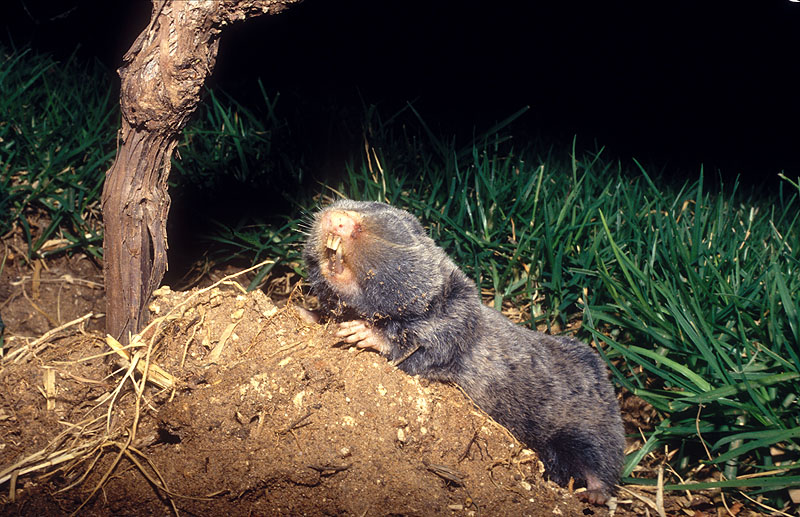
While these tiny, subterranean creatures are often misunderstood, they are generally not aggressive towards humans and rarely bite unless provoked or handled. Moles primarily dwell underground, creating intricate tunnel systems and feeding on insects and grubs. Though their behavior might sometimes cause concern due to the damage they can inflict on gardens and lawns, understanding the habits and characteristics of moles can alleviate unnecessary fear and help peacefully coexist with these unique mammals.

| Aspect | Description | Impact on Humans |
|---|---|---|
| Behavior | Non-aggressive, rarely surface | Low; bites are uncommon |
| Diet | Insects and grubs | Indirect; affects garden ecology |
| Tunneling | Creates underground networks | Moderate; can damage lawns |
Mole Behavior: Friend or Foe?
Moles are intriguing little creatures that spend most of their lives digging intricate tunnels beneath the earth's surface. Despite their reputation, these shy, solitary animals rarely seek out human interaction. It's important to note that moles are practically blind and rely heavily on their acute sense of touch and hearing. These adaptations aid in their secluded lifestyle, far removed from human activity.

Understanding moles can help alleviate unnecessary apprehension. When a mole does surface, it's primarily due to environmental changes or food shortages in their underground habitat. So, unless you decide to handle them directly or impede their path, you’re unlikely to experience a mole’s bite.
The Moles' Underground Dining
Moles have a voracious appetite, especially for the insects and grubs teeming just below the surface. By feasting on beetle larvae, earthworms, and other soil-dwelling critters, they play a crucial role in controlling the populations of these potential garden pests. However, their dining habits might not always be welcomed by gardeners. The tunnels and mounds created in pursuit of prey can disrupt plant root systems and spoil the aesthetics of a well-manicured lawn. While their presence might be a temporary nuisance, moles are only doing what they naturally evolved to do—maintain the ecological balance in their habitat.

For those looking to understand more about dealing with mole problems in turfgrass, implementing integrated pest management strategies can be highly beneficial.
Living with Moles: To Coexist or Not?
Dealing with moles requires a balanced approach that considers both the ecological benefits they offer and the possible damage they cause. Here are some strategies to manage and live peacefully with moles:
- Let them be: Often, moles will move on once they've depleted the food source in your yard.
- Use barriers: Install underground fences to prevent moles from entering specific areas.
- Natural repellents: Certain plants and castor oil mixtures can deter moles without harming them.
Embracing these approaches can encourage coexistence, fostering a garden environment that’s both mole-friendly and aesthetically pleasing. For further reading on managing garden pests, check out our recent articles covering sustainable gardening tips.
Feeling intrigued about these underground architects? Share your thoughts or experiences with moles in the comments below. Have you found effective ways to manage their presence? Let’s dig into this fascinating topic together!
Bare-Handed Mole Grabbing 😨 (Dangerous?)
Will a mole bite you? While these tiny, subterranean creatures are often misunderstood, they are generally not aggressive towards humans and rarely bite unless provoked or handled. In the video "Bare-Handed Mole Grabbing 😨 (Dangerous?)" by Zack D. Films, the risks and behaviors associated with handling moles are explored, providing insight into how these creatures react when directly confronted.
In conclusion, while the thought of a mole bite might be unsettling, it's quite unlikely you'll ever experience one. These little critters are more interested in going about their subterranean business, digging their tunnels, and snacking on insects, rather than interacting with humans. It's important to remember that if you do need to handle a mole, doing so gently and with care can prevent any chance of a nibble. So, if you're an avid gardener or just love spending time in your backyard, there's no need to worry unnecessarily about these harmless, furry neighbors.
Stay Connected for More Nature Insights!
As we wrap up our deep dive into the world of moles, I invite you to stay curious and learn more about the fascinating wildlife that inhabits our gardens and green spaces. For those of you who love discovering more cool animal facts or want to explore the intricate details of our natural world, why not stay connected? Join us on our adventures and see the beauty nature has to offer through our Instagram community. It’s a great way to share your own experiences and perhaps even spot a mole's handiwork in your own backyard!


