This ranking highlights the top 10 botanical gardens featuring outstanding architectural elements that elevate plant conservation, visitor experience, and landscape integration. Selection criteria focus on innovative greenhouse design, integration with natural landscapes, historical significance, and the architectural impact contributing to the garden’s identity and visitor engagement. Each garden presents unique design takeaways and architectural challenges that resonate with architecture-savvy readers interested in botanical spaces that go beyond horticulture. This list bridges landscape architecture, greenhouse engineering, cultural representation, and site planning, emphasizing concrete design projects and tradeoffs rather than general botanical themes.
Gardens by the Bay tops this list due to its iconic Supertree Grove and the futuristic Flower Dome and Cloud Forest conservatories, which feature expansive column-free spaces created with cutting-edge steel grid shell structures. This garden exemplifies how advanced structural engineering can coexist with a sustainable tropical environment, pioneering in energy efficiency including solar panels and cooling systems optimized for plant health. Its design merges landscape architecture with technology, creating an immersive environment that redefines urban botanical spaces. The key tradeoff involves the high operational energy demands of climate-controlled biomes despite sustainability efforts. Designers aiming to replicate its success should carefully balance spectacle with ecological and operational realities.
Royal Botanic Gardens, Kew, is a world heritage site renowned for its Victorian glasshouses such as the Palm House, which uses pioneering wrought iron and glass technology from the 19th century. Its exquisite integration of historic greenhouse architecture with extensive plant collections provides a model of restoration and adaptive reuse with modern environmental controls discreetly added. The gardens demonstrate the architectural value of maintaining historic plant houses as cultural landmarks, blending preservation with scientific function. However, retrofitting these heritage structures poses significant challenges regarding energy efficiency and climate control, which contemporary projects must strategize in advance.
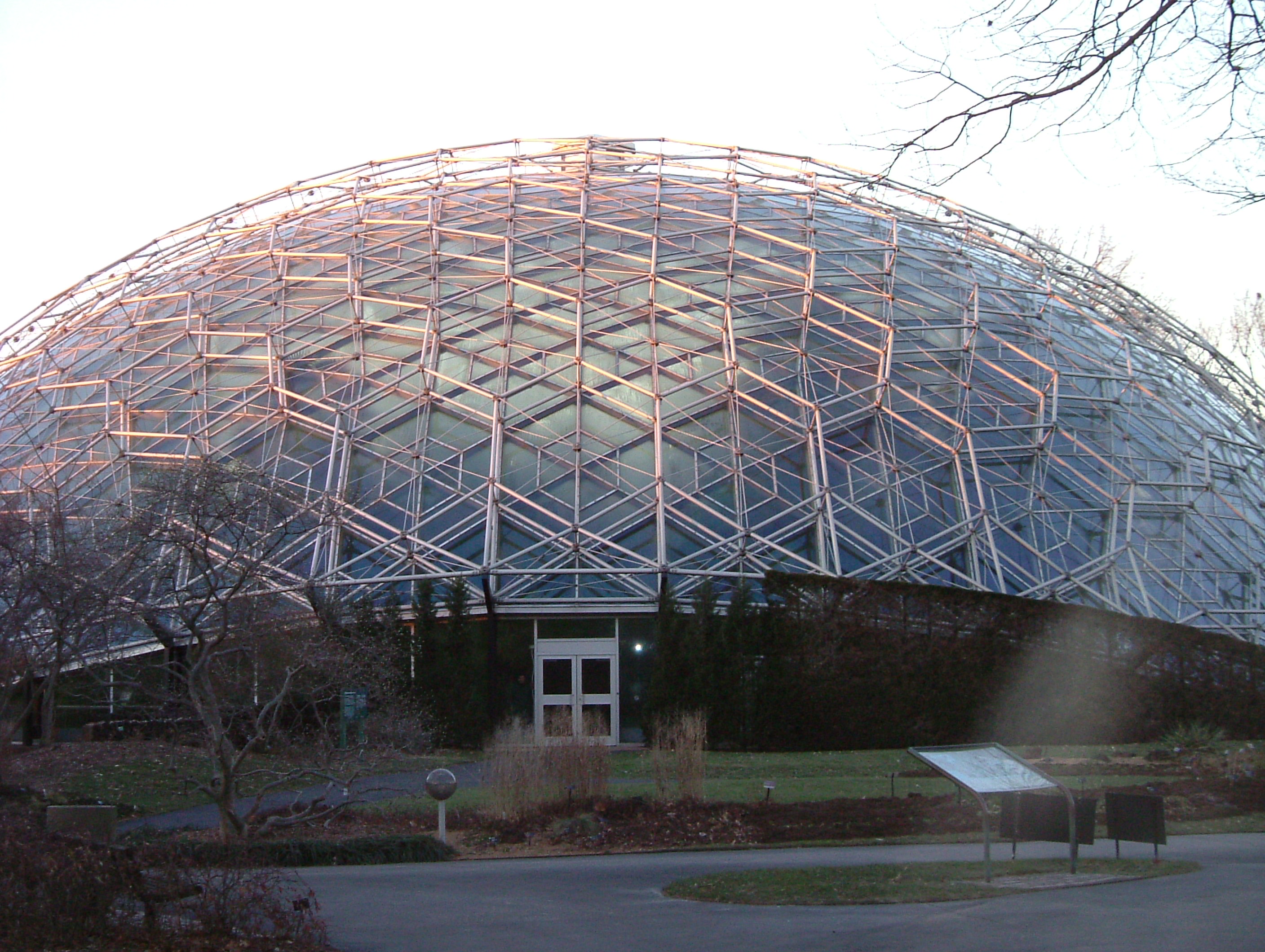
The Missouri Botanical Garden is notable for its Climatron geodesic dome, an early example of climate-controlled greenhouse architecture from the 1960s. This dome integrates form and function using a steel framework allowing an unobstructed interior to simulate tropical ecosystems effectively. Its streamlined geometry creates a breathtaking architectural icon while supporting complex botanical collections. Visitors experience architecture that is both sculptural and utilitarian. The primary caution lies in the maintenance complexity of such unique structures and the ongoing need for environmental system upgrades to meet modern standards.

Montreal Botanical Garden combines dramatic Art Deco architecture with contemporary facility expansions, featuring greenhouses showcasing intricate steel and glass work alongside themed gardens. The garden balances historic design character with modern visitor amenities and plant display techniques, highlighting versatility in architectural conservation and new construction integration. This approach offers useful lessons in maintaining cultural and botanical heritage while adapting to evolving public use needs. The garden’s cold climate imposes constraints, requiring advanced heating strategies within glass structures that elevate operational costs.

The Desert Botanical Garden stands out for its architecture that respects and enhances its arid environment, using shaded walkways, native materials, and open-air structural design. Its outdoor pavilions and displays integrate seamlessly with xeriscaped gardens, exemplifying architecture tailored to extreme climates through passive design strategies and natural ventilation. This emphasizes how botanical architecture can respond to site-specific environmental challenges innovatively. Designers should note limitations on large enclosed conservatories due to heat and resource scarcity, pushing for creative open and semi-open design solutions.

The Eden Project features interconnected giant biomes constructed from hexagonal and pentagonal ETFE panels supported by steel space frames, representing innovation in lightweight, transparent architectural envelopes. These visually striking structures create immersive microclimates resembling global ecosystems, pushing the boundary between architectural form and environmental simulation. Their modular construction enables scalability and adaptability, serving as a precedent for combining architectural expression with ecological education. A caution is the complex engineering and lifecycle maintenance of advanced materials, requiring substantial expertise and investment.

New York Botanical Garden combines classical Beaux-Arts architecture with modern greenhouse additions, including the Enid A. Haupt Conservatory, a landmark Victorian-style glasshouse designed by Lord & Burnham. Its ornate wrought iron and glass construction creates a grand spatial experience while allowing diverse plant habitats. This garden showcases the merging of architectural grandeur with botanical display, offering valuable insights into integrating historical design with contemporary environmental technologies. The conservatory’s age necessitates careful preservation balancing visitor access and structural safety challenges.

The Botanical Garden of Brussels is an example of 19th-century greenhouse architecture with a striking iron and glass winter garden featuring neoclassical stylistic elements. Though partially repurposed, its remaining greenhouses represent significant heritage architecture blending urban park design with botanical science. This garden’s architectural narrative reflects adaptive reuse potential in botanical contexts, emphasizing layered historical, cultural, and landscape values. Urban context limits expansion possibilities and demands sensitive design solutions to maintain its legacy.

Singapore Botanic Gardens hold architectural significance through its integration of colonial-era structures like the Bandstand and modern botanical science centers, blending history with contemporary educational facilities. Its orchestration of built and natural environments emphasizes legibility and circulation while respecting tropical design principles. The garden demonstrates how cultural heritage architecture within botanical environments can remain relevant through thoughtful programming and upgrades. Its central urban location places premium on landscape management and visitor flow design.

The High Line Garden, part of New York City’s elevated park system, illustrates how botanical design can thrive within adaptive reuse architecture, transforming abandoned rail infrastructure into a linear urban garden. Its design integrates minimalist planting zones with existing industrial materials and structures, showcasing innovation in urban botanical architecture. This garden highlights the potential and challenges of reprogramming architectural relics for green space, dealing with limited soil depth and irrigation constraints. It is an exemplar of landscape architecture meeting infrastructure conversion.
Beautiful architecture in botanical gardens seamlessly integrates plant environments with structural innovation, historic preservation, and climate control to enhance both plant welfare and visitor experience.
Common styles range from Victorian glasshouses and geodesic domes to modern steel and ETFE structures, often balancing historic aesthetics with contemporary technical performance.
Challenges include balancing climate control with sustainability, preserving historic structures while upgrading for performance, and integrating architecture sensitively within diverse climatic and urban contexts.
These top 10 botanical gardens exemplify architectural excellence that elevates horticultural environments through innovative design, structural ingenuity, and cultural integration. They represent critical study cases for architects and planners aiming to merge botanical science with architectural form. The diversity in approaches, from historic glasshouses to futuristic biomes and adaptive reuse projects, provides practical insights and cautions for sustainable, resilient botanical architecture. An architecture-savvy reviewer or designer examining these gardens will find inspiration in how these spaces balance environmental control, heritage preservation, and spatial experience without compromising functional demands.
For more architecture, cities, public spaces, materials, and design ideas, browse Architecture Adrenaline’s latest guides.