
As a fan of unique architecture, the concept of a slanted roof fascinates me. This roof style not only adds character to a building but also offers practical benefits in terms of drainage and energy efficiency.
Understanding Slanted Roofs
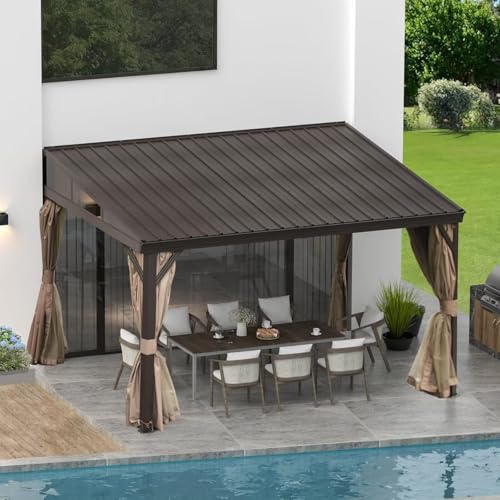
A slanted roof, often referred to as a shed or lean-to roof, is characterized by its single slope. This design is commonly used in modern homes, garages, and various outdoor structures.
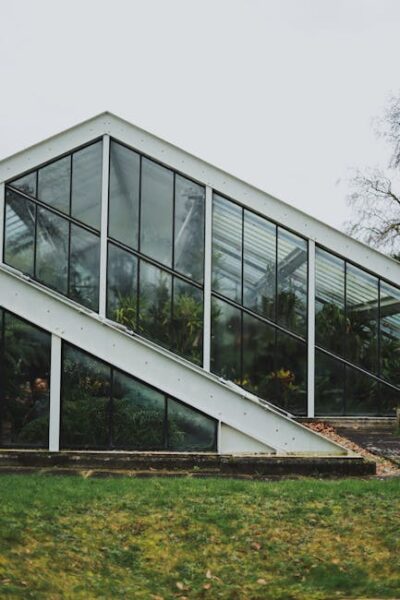
Benefits of a Slanted Roof
Slanted roofs come with numerous advantages:
- Effective water drainage, reducing the risk of leaks
- More usable interior space with higher ceilings
- Enhanced energy efficiency through natural ventilation
Design Variations
Slanted roofs can vary in design and material:
| Design Type | Material | Ideal Use |
|---|---|---|
| Shed Roof | Metal, shingles | Garages, sheds |
| Lean-To Roof | Wood, composite | Home extensions |
| Green Roof | Soil, vegetation | Eco-friendly buildings |
Popular Slanted Roof Applications
Slanted roofs are often utilized in various projects:
- Garden sheds and tool storage
- Patios and outdoor entertainment areas
- Modern residential designs
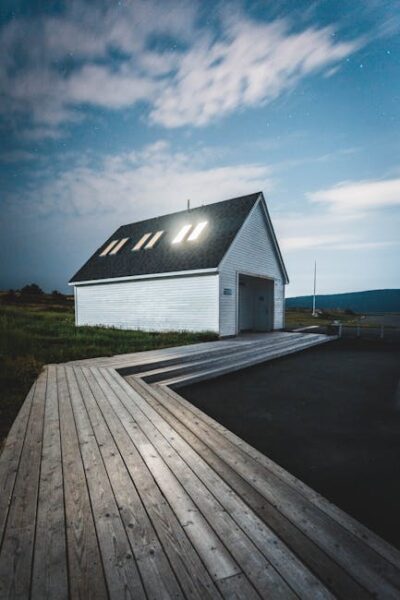
Choosing the Right Slanted Roof
When selecting a slanted roof for your structure, consider the following:
- Climate and weather conditions in your area
- Type of materials that best suit your design and budget
- Building codes and regulations affecting roof design

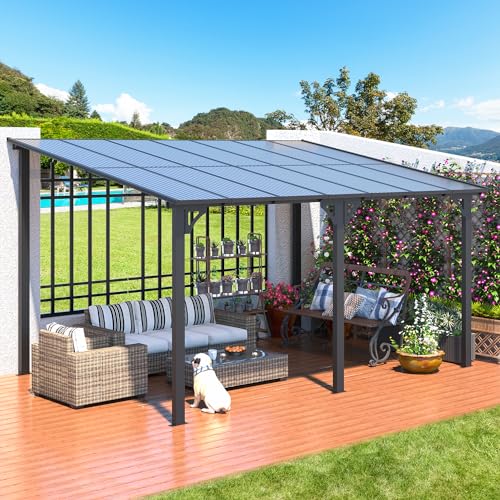
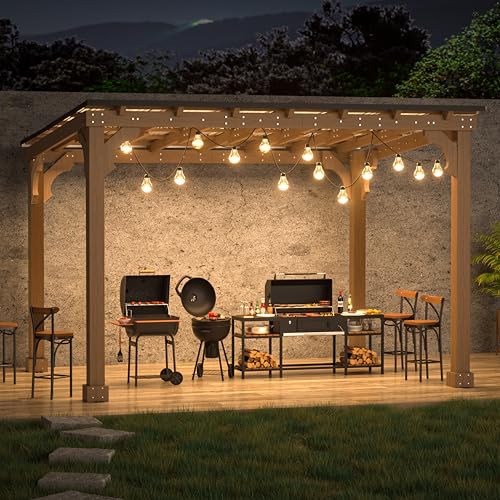
For additional insights into roofing systems and strategies, check out Truss Parts, Green Roof Design, and Shed Roof Designs.
Explore further guidance through valuable resources like the Sloped Roof Systems Guide or techniques for designing roofs at Creating a Sloped Roof Plan.
