When I first started renovating my kitchen, I was amazed at how much the depth of the sink could affect both functionality and aesthetics. It's more than just a measurement; choosing the right sink depth can improve your cooking experience and the overall look of your space.
Sink depth refers to the distance from the top edge of the sink to the bottom of the basin. Standard depths typically range from 6 to 12 inches, with most kitchen sinks falling between 8 to 10 inches. Understanding your sink's depth is crucial for practicality, especially when washing larger pots and pans or during meal prep.
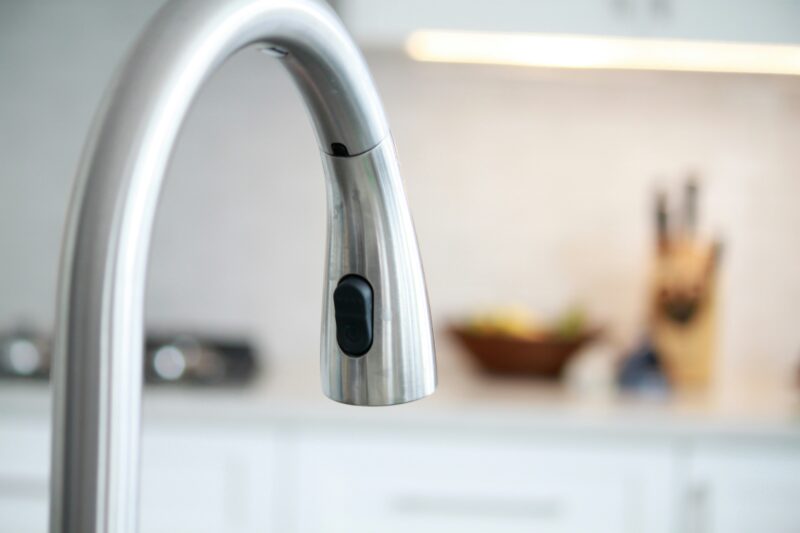
To measure sink depth, simply take a ruler and measure from the top edge of the sink down to the lowest point inside the basin. Remember, the measurement can vary depending on the sink design (undermount, drop-in, etc.). Staying consistent with your measurements ensures a proper fit in your cabinetry.
| Type of Sink | Common Depths | Ideal For |
|---|---|---|
| Undermount Sink | 8-10 inches | Seamless countertop integration |
| Drop-In Sink | 8-12 inches | Easy installation |
| Farmhouse Sink | 10-12 inches | Large basin capacity |
| Bathroom Sink | 5-8 inches | Standard bathroom vanities |
When designing your kitchen, it's vital to consider local regulations regarding sink dimensions. For example, the Massachusetts Kitchen Regulations provide guidelines around maximum sink depth, ensuring safety and functionality.
Furthermore, check the ADA Sink Guidelines for accessibility requirements to ensure that your sink height and depth are suitable for everyone in the household.

For more information related to kitchen sink dimensions, I recommend checking out the Grease Trap Solutions which helps protect plumbing systems tied to sink depth. You can also explore Kitchen Island Design Tips for ideas on ideal sink depths. Lastly, understanding Vanity Height can also inform your sink choices for a cohesive design.

Ultimately, the depth of your sink should be chosen based on your culinary habits, the size of your kitchen, and your personal preferences. With careful selection, your kitchen can become a more functional and beautiful space!
{"@context":"https://schema.org","@type":"BlogPosting","headline":"Sink Depth: Understanding the Right Fit for Your Kitchen","url":"https://www.architectureadrenaline.com/sink-depth-understanding-the-right-fit-for-your-kitchen/","datePublished":"2025-08-07T14:48:53-07:00","dateModified":"2026-05-15T18:08:49-07:00","author":{"@type":"Person","name":"Justin Ankus","sameAs":["https://www.linkedin.com/in/architectureadrenaline/","https://twitter.com/archiadrenaline"]},"image":{"@type":"ImageObject","url":"https://www.architectureadrenaline.com/wp-content/uploads/2025/08/image-99.png","width":1200,"height":630},"publisher":{"@type":"Organization","name":"Architecture Adrenaline","logo":{"@type":"ImageObject","url":"https://architectureadrenaline.com/wp-content/uploads/logo.png"}},"breadcrumb":{"@type":"BreadcrumbList","itemListElement":[{"@type":"ListItem","position":1,"name":"Home","item":"https://architectureadrenaline.com/"},{"@type":"ListItem","position":2,"name":"Sink Depth: Understanding the Right Fit for Your Kitchen","item":"https://www.architectureadrenaline.com/sink-depth-understanding-the-right-fit-for-your-kitchen/"}]},"mainEntityOfPage":{"@type":"WebPage","@id":"https://www.architectureadrenaline.com/sink-depth-understanding-the-right-fit-for-your-kitchen/"}}
{"@context":"https://schema.org","@type":"FAQPage","mainEntity":[{"@type":"Question","name":"What is Sink Depth?","acceptedAnswer":{"@type":"Answer","text":"Sink depth refers to the distance from the top edge of the sink to the bottom of the basin. Standard depths typically range from 6 to 12 inches, with most kitchen sinks falling between 8 to 10 inches. Understanding your sink's depth is crucial for practicality, especially when washing larger pots and pans or during meal prep."}},{"@type":"Question","name":"Choosing the Right Sink Depth for Your KitchennnStandard Depth: Most kitchen sinks range from 8 to 10 inches deep.nShallow Depth: Sinks less than 8 inches are suitable for smaller kitchens, allowing for easy access. However, they can splash easily.nDeep Depth: Sinks over 10 inches are great for larger kitchens, offering more space to soak and scrub dishes, but can require some extra bending.nnn Stainless steel faucet in tilt shift lens — Source: UnsplashnnMeasuring Sink Depth","acceptedAnswer":{"@type":"Answer","text":"To measure sink depth, simply take a ruler and measure from the top edge of the sink down to the lowest point inside the basin. Remember, the measurement can vary depending on the sink design (undermount, drop-in, etc.). Staying consistent with your measurements ensures a proper fit in your cabinetry."}},{"@type":"Question","name":"Recommended Sink Types and StylesnnType of SinkCommon DepthsIdeal FornUndermount Sink8-10 inchesSeamless countertop integrationnDrop-In Sink8-12 inchesEasy installationnFarmhouse Sink10-12 inchesLarge basin capacitynBathroom Sink5-8 inchesStandard bathroom vanitiesnnnCompliance and Standards in Sink Depth","acceptedAnswer":{"@type":"Answer","text":"When designing your kitchen, it's vital to consider local regulations regarding sink dimensions. For example, the Massachusetts Kitchen Regulations provide guidelines around maximum sink depth, ensuring safety and functionality."}}]}


Immerse yourself in architecture’s most boundary-pushing ideas—where innovative home improvements meet visionary urban developments. Discover new building techniques, materials, and creative concepts that are redefining how we shape our spaces on a global scale.

