Knowing how to tell if grass seed is still good is crucial for maintaining a lush, vibrant lawn. Over time, grass seeds may lose their viability, especially if exposed to adverse conditions like high humidity, fluctuating temperatures, or pest infestations. Ensuring the seeds are stored correctly can extend their life significantly, with warm-season seeds typically lasting 2 to 3 years and cool-season varieties enduring up to 5 years. Recognizing good seed quality involves checking for uniform color, a fresh smell, and solid feel, whereas seeds that have gone bad often exhibit discoloration or mold. For those looking to test seed viability, methods like the float test and germination test can confirm whether your grass seeds are still potent enough to create a thriving lawn.
| Characteristic | Good Grass Seed | Bad Grass Seed |
|---|---|---|
| Color | Uniform | Discolored |
| Smell | Fresh | Moldy/Dull |
| Feel | Solid | Soft/Weak |
Ever wondered if those grass seeds in your garage are still good? Let's break it down: grass seeds, much like your favorite pantry items, have a shelf life. Stored under optimal conditions—cool, dry, and away from sunlight—most seeds can remain viable for 2 to 5 years. However, that ideal scenario is often disrupted by high humidity, fluctuating temperatures, or pests, which can all abrade the seed's potential.

To maintain their vigor, it's crucial to note the type of grass seed in question. Warm-season grass seeds generally last 2 to 3 years, while cool-season varieties hold out a bit longer, up to 5 years. Proper storage and packaging can significantly sway these numbers, shielding the seeds from the issues that often lead to reduced germination rates.
For more on extending the longevity of your grass seeds, you can refer to this comprehensive guide on storage tips and techniques.
When diving into your seed stash, a quick sensory evaluation can tell you a lot. Look for a uniform color and a fresh, earthy smell—these are the hallmarks of healthy seeds. The feel matters as well; good seeds should be firm to the touch, not feeble or crumbly. On the other hand, if your seeds are sporting dingy discoloration, emitting any musty odors, or visibly molded, they're likely past their prime.

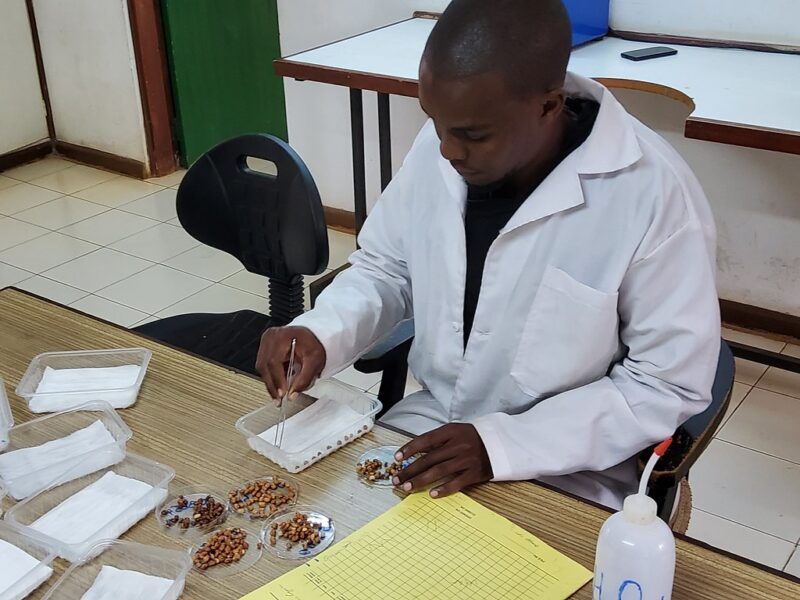
But don't just go by appearances alone; there's a simple test to evaluate seed viability. Known as the germination test, it involves placing a small batch of seeds (5-10 should do) on a damp cloth inside an airtight container in a warm place. After a week or so, check how many sprout—if at least 25% do, you're in business. Otherwise, it might be time to source some fresher seeds.
To prolong your grass seed's shelf life, storage is key. Here are some tips to keep them at their best:
Adhering to these storage strategies can help optimize germination rates, ensuring that when planting time rolls around, your seeds are robust and ready to perform.
Finding an old packet of grass seed can feel like discovering treasure, albeit one that might be devalued over time. But don't discard them just yet! Besides a germination test, you can boost their potential by combining them with fresh seeds during planting. This approach can help make up for any decline in germination rate due to age, giving your lawn a better chance at that lush, full finish.
Additionally, embrace sustainable gardening practices, as shared by experts like Julia Watkins. Whether through testing seeds, cultivating microgreens indoors, or other gardening initiatives, integrating these methods into your routine can enhance both your lawn and your eco-footprint.
Ready to plant those seeds? Share your thoughts and experiences with seed testing and lawn care below or connect on Instagram to keep the conversation growing! For a variety of interesting takes on gardening and landscaping, take a look at our recent articles and resources.
Knowing how to tell if grass seed is still good is crucial for maintaining a lush, vibrant lawn. Over time, grass seeds may lose their viability, especially if exposed to adverse conditions like high humidity or fluctuating temperatures. For a deeper understanding of this topic, check out GardenBound's video "Does Grass Seed Expire?" which explores the shelf life of grass seed and how to determine if it is still viable for planting.
Concluding your journey in figuring out whether your grass seed is still viable can be a real game-changer for your gardening prowess. With just a little effort, you can save yourself from the disappointment of lackluster growth and ensure that your lawn thrives. By keeping an eye on expiration dates, storing seeds properly, and testing germination rates when in doubt, you're setting the stage for a lush and vibrant garden that you can take pride in throughout the seasons. Whether you're a green-thumbed expert or just getting started on your lawn care journey, knowing the ins and outs of seed viability adds a valuable tool to your gardening arsenal.
As you continue to cultivate the perfect stretch of green, consider staying connected with fellow gardeners and enthusiasts who share useful tips and inspiring stories. You can always find more hints and updates by following along on social media. If you're eager to discover more about maintaining your outdoors in spectacular condition, check out our community on Instagram. Here, we share plenty of fresh ideas and insights that can help transform your garden experience. Feel free to join the conversation, share your progress, and maybe even pick up a few new tricks for keeping your lawn as healthy as ever. Cheers to nurturing not just your lawn, but your skills and joy in gardening!