Eastern State Penitentiary in Philadelphia, Pennsylvania, stands as a haunting relic of American penal history, its imposing Gothic architecture once synonymous with revolutionary prison reform. Established in 1829, this fortress-like institution was designed with the intention of encouraging penance and rehabilitation through strict solitary confinement, an experiment that drew worldwide attention. Today, the penitentiary serves as a museum, offering visitors a sobering glimpse into the past through its eerie cellblocks and comprehensive exhibits that narrate tales of infamous inmates and evolving punitive philosophies. As a historical landmark, it stirs curiosity and reflection on the balance between justice and humanity throughout the decades.
| Year Established | Architectural Style | Original Purpose |
|---|---|---|
| 1829 | Gothic | Rehabilitation through Solitary Confinement |
| Current Use | Notable Inmates | Visitor Experience |
| Museum | Al Capone, Willie Sutton | Guided Tours, Historical Exhibits |
A Revolutionary Approach to Rehabilitation
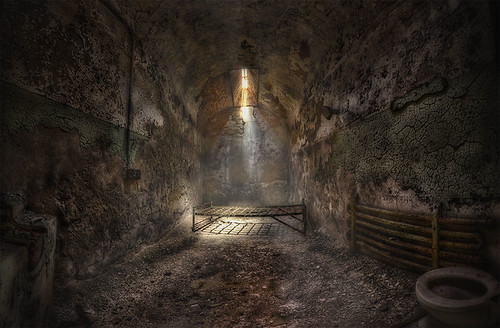
Eastern State Penitentiary was not just another facility—it was the birthplace of a radical new concept: solitary confinement. Designed to make inmates repent through isolation, this method was cutting-edge in the early 19th century. Though controversial, the goal was to give prisoners time alone to reflect on their actions and find redemption. This daring experiment set the penitentiary apart and drew an international audience eager to witness this novel approach.
Architectural Grandeur
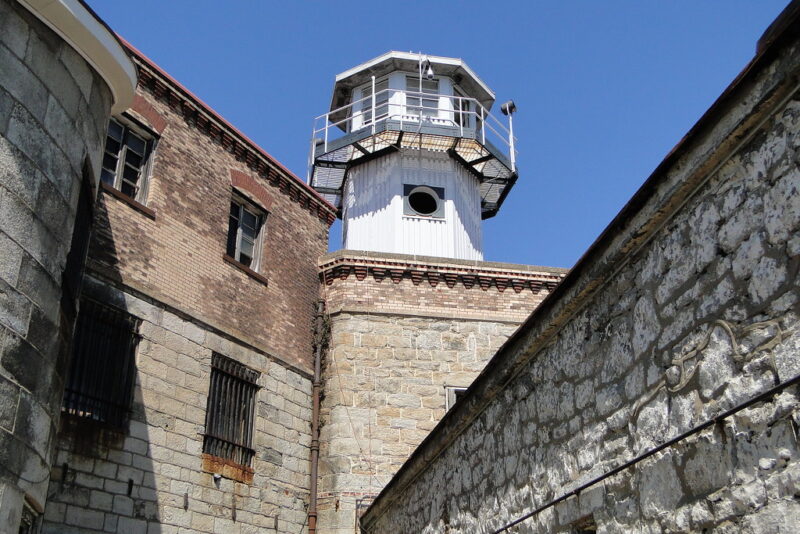
Its imposing Gothic architecture served as both a deterrent and a grim reminder of the weight of justice. With its medieval castle-like appearance, towering castle-like walls, and looming guard towers, Eastern State was more than just a penitentiary; it was a symbol of reform. Each cell was designed with a single skylight—deemed the "Eye of God"—that underscored the gravity of penitence and the omniscience of authority. This architectural marvel wasn't just functional; it was a statement to society, vividly captured in this collection of images and documentation.
Past Inmates with Infamous Legacies
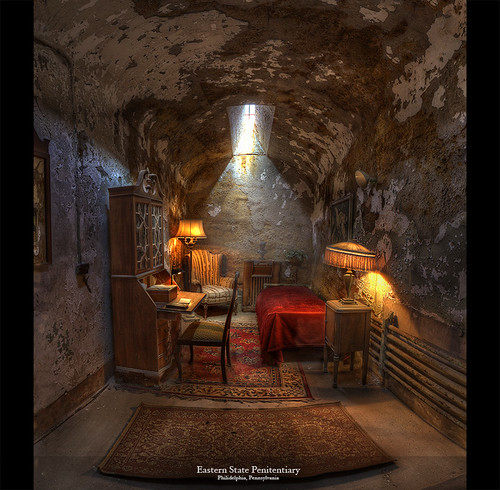
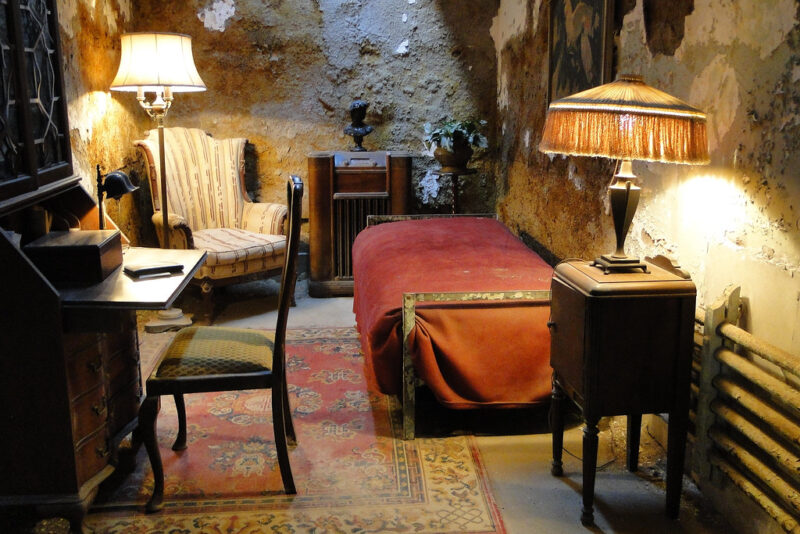
Among the notorious names who walked those halls were the infamous Al Capone and the elusive bank robber Willie Sutton. Capone's stay is particularly fascinating; despite the harsh conditions of solitary confinement, he managed to transform his cell into a semblance of luxurious comfort, showcasing the influence he wielded even behind bars. Meanwhile, Sutton's attempted escape through a clever tunnel adds another layer to the penitentiary’s colorful history as detailed in the National Park Service's archives.
- Al Capone's cell was adorned with fine furniture and oriental rugs, a testament to his notoriety and influence.
- Willie Sutton's escape attempt reveals the sheer determination and ingenuity of inmates despite the high-security surroundings.
Modern-Day Visitor Experience
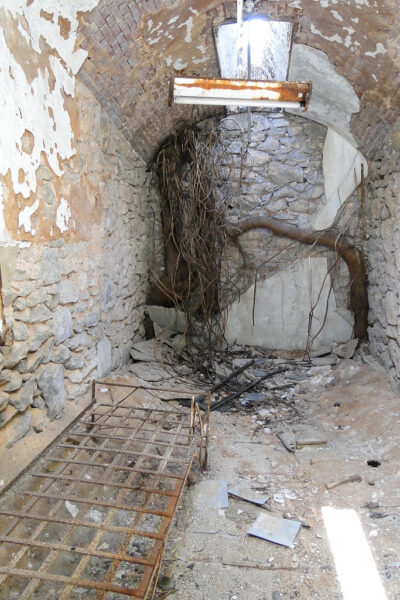
Today, the penitentiary opens its doors not to prisoners, but to the curious minds of history enthusiasts. As a museum, it provides an immersive experience through guided tours and exhibits that capture the essence of its storied past. The crumbling corridors brim with tales of temperance and transgression, inviting visitors to ponder what it truly means to administer justice, a topic extensively explored in student tours and educational programs.
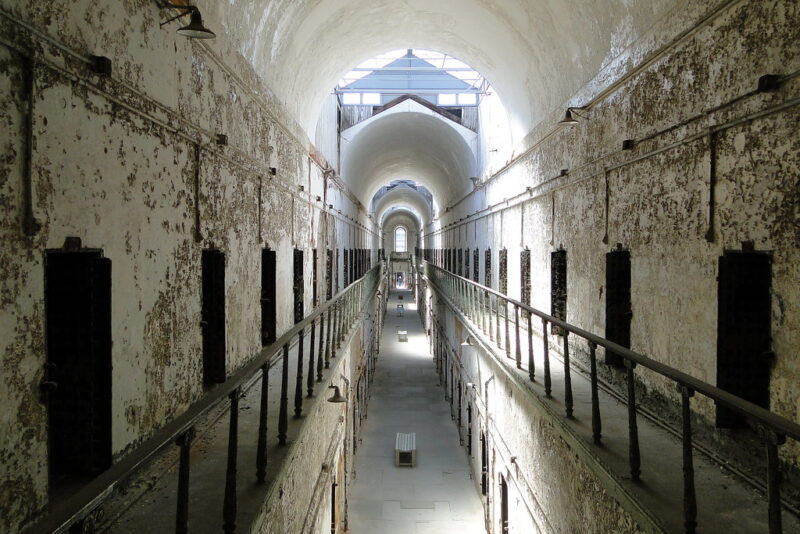
The visitor experience at Eastern State is both educational and eerie, offering haunting audio tours narrated by the likes of actor Steve Buscemi. These tours provide personal stories and historical insights, enriching the narrative of this penal behemoth. As you walk through these timeworn hallways, what resonates most are the questions it raises about how justice, punishment, and rehabilitation should balance in modern society. Do you believe the isolation approach had merits, or was it merely an overreach in penal reform? Share your thoughts and join the conversation about the historical significance of such institutions and their impact today.
Exploring Eastern State: The World's First True Penitentiary
Eastern State Penitentiary in Philadelphia, Pennsylvania, stands as a haunting relic of American penal history, its imposing Gothic architecture once synonymous with revolutionary prison reform. Established in 1829, this fortress-like institution was designed as the world's first true penitentiary, aiming to inspire reflection and penitence in its inmates through solitary confinement. The Washington Post's video, "Exploring Eastern State: The world's first true penitentiary," delves into this historic site's morbid past, offering an intriguing exploration into the infamous prison's legacy and enduring fascination for visitors intrigued by its chilling tales and historical significance.
Eastern State Penitentiary offers a glimpse into the complexities of America's prison system and a haunting reminder of its past. Walking through its crumbling halls and peering into the cells, you can't help but feel both a sense of intrigue and a lingering eeriness. It's fascinating to think that this building, designed to inspire penitence in its occupants, now serves as a powerful museum that educates its visitors about the evolution of incarceration techniques and the importance of prison reform. Whether you're a history buff, architecture enthusiast, or simply curious about the stories these walls hold, a visit to Eastern State is an unforgettable journey into America's past.
Connect with More Captivating Stories
I hope you enjoyed traveling through time with me at Eastern State Penitentiary. There’s always more to discover in the world of captivating structures and the stories they tell. If you're as captivated by unique architecture and history as I am, you'll definitely want to check out more content from the Architecture Adrenaline community. Follow along on Instagram to stay up-to-date with the latest stories and stunning visuals. Let's keep exploring together and uncover the hidden layers of history written in bricks and stones.