Chlorine vs bleach for pressure washing presents a critical decision in determining the right cleaning agent for various surfaces. As homeowners and professionals seek effective solutions for stubborn stains, mold, or mildew, understanding the properties and impacts of chlorine and bleach becomes essential. Both agents offer unique benefits and potential drawbacks, influencing their application choices and outcomes in pressure washing tasks.

| Aspect | Chlorine | Bleach |
|---|---|---|
| Effectiveness on Tough Stains | Highly effective for moss, fuel residue, and oil stains on concrete | Effective for mold and mildew removal |
| Potential Surface Damage | Less corrosive but sensitive to sunlight | May damage wood, metal, and plants |
| General Recommendations | Best for hard surfaces; stabilize to prevent sunlight degradation | Use with caution; avoid mixing with other chemicals |
When tackling tough stains on concrete, chlorine emerges as a robust ally. It excels in breaking down moss, fuel residues, and stubborn grime, making surfaces gleam once more. However, using chlorine isn't just about pouring it on and hoping for the best. You should mix chlorine with water, usually in a 10% chlorine to 90% water ratio, ensuring it's diluted enough to be safe yet effective. Letting it sit on the surfaces before rinsing is crucial to allow the chemical to act on the stains effectively.
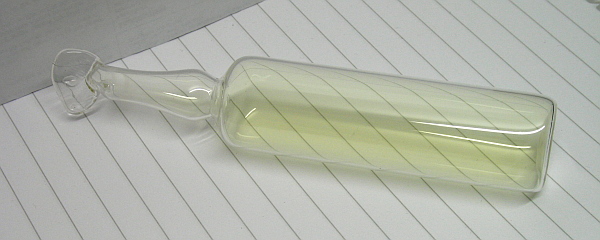
One challenge with chlorine, however, is its sensitivity to sunlight. To mitigate this, consider using a stabilizer that helps the chlorine maintain its effectiveness even in bright conditions. Moreover, chlorine's ability to eliminate bacteria more efficiently than bleach adds another layer of appeal, particularly for health-conscious homeowners.
Bleach is often favored for its accessibility and cost-effectiveness, making it a staple in many cleaning arsenals. It stands out for quickly eradicating mold and mildew, ensuring surfaces are not only clean but sanitized. When using bleach, it's important to keep the mixture typically weaker than chlorine: a mild bleach solution tailored for the task can prevent potential damage.
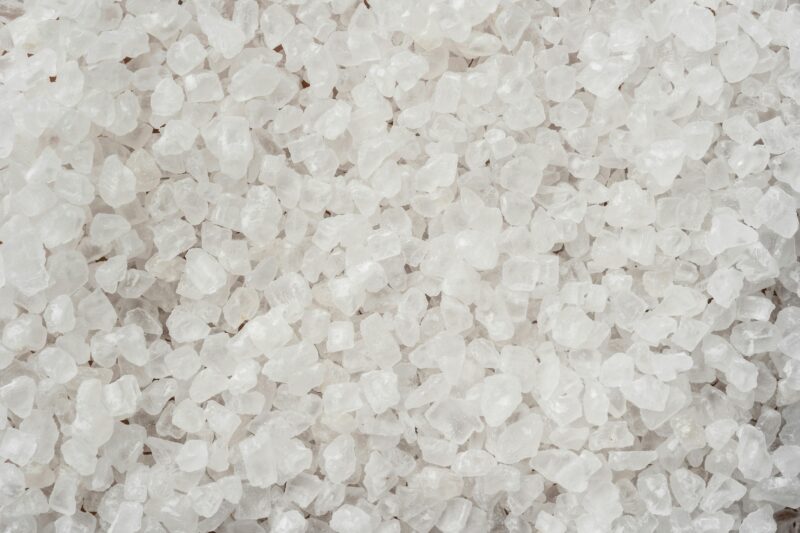
However, bleach's potency comes with a price. It can damage wooden decks, corrode metals, and wreak havoc on nearby plants if not handled carefully. Precautions, such as avoiding unnecessary splashing and rinsing surrounding greenery, can mitigate these risks.
Interestingly, both chlorine and bleach contain sodium hypochlorite, albeit in varying concentrations. Standard household bleach often contains about 8.25% sodium hypochlorite, whereas pool-grade chlorine may be stronger, around 10%. For intense cleaning tasks, purchasing from a chemical supplier, offering up to 12.5% concentrations, might be worthwhile.

Grasping this distinction is essential for achieving optimal results without over-applying or underestimating the solution's strength. Always check the concentration on any product to ensure it's appropriate for your intended use.
The decision between using chlorine or bleach depends largely on your specific cleaning goals, surface materials, and personal safety preferences. Here are some quick tips to guide your choice:
Both chlorine and bleach have their unique strengths and applications in pressure washing. Understanding their properties allows you to harness their full potential effectively while ensuring safety and environmental protection. Do you have any pressure washing tips or stories to share? Join the conversation in the comments below and let's discuss which solution works best for your needs!
To stay updated with more cleaning tips and techniques, visit our recent articles and discussions.
The Kärcher K 1 pressure washer is the perfect solution for light-duty cleaning tasks around your home. With 1700 PSI of cleaning power, it easily removes dirt, grime, and debris from surfaces like driveways, patios, and siding. This compact and lightweight model offers convenient maneuverability and storage, making it ideal for smaller spaces. The Vario Power Spray wand allows for effortless adjustment of pressure, ensuring a customizable cleaning experience to tackle a variety of surfaces and stains. Whether you're freshening up outdoor furniture or preparing your home for an event, the Kärcher K 1 delivers exceptional performance with ease.
When it comes to pressure washing tough surfaces like driveways or concrete, detergents, degreasers, and a properly mixed bleach solution are top contenders. Many pros recommend using sodium hypochlorite (essentially a strong bleach solution) to cut through grime. The key is timing and proper dilution—applied correctly, it can yield powerful results without damaging your surfaces or the surrounding area.
Oxygen bleach excels in everyday cleaning because it’s gentle on fabrics, safer for colors, and less harsh overall. Yet chlorine bleach has its own advantages: it’s more potent, works effectively in cooler temperatures, and helps deodorize. For larger-scale tasks like pressure washing, chlorine bleach can tackle stubborn stains and disinfect more thoroughly, but always handle it with care.
Most pressure washers use a built-in downstream injector that bleach can easily corrode. Over time, components like brass fittings, seals, washers, and rings can break down. Even small issues can let bleach seep into the pump, risking serious damage and expensive repairs. While failure isn’t guaranteed, the potential risks make it best to apply bleach through safer, specialized methods.
Pool chlorine is specifically formulated for disinfection and often contains about 65% calcium hypochlorite—far stronger than household bleach, which usually has about 5% sodium hypochlorite. This higher concentration means it can sanitize large bodies of water efficiently, but also requires extra caution if you’re considering it for pressure washing tasks.
In summary, both chlorine and bleach have their own unique strengths and are suitable for different pressure washing scenarios. Chlorine is a more potent option, perfect for dealing with tough stains, mold, and mildew, especially on surfaces like concrete or brick. It's important, however, to handle it with care due to its corrosive nature and potential environmental impact. Bleach, on the other hand, is a safer choice for more delicate surfaces and is generally easier to use for everyday cleaning tasks without the need for intense protective measures. Whether you're a seasoned professional or a DIY enthusiast, choosing the right agent can make all the difference in achieving that sparkling, refreshed look for your home.
As you embark on your pressure washing journey, I hope this guide makes the decision-making process a bit clearer and helps you achieve those amazing results you're aiming for. If you're eager to learn more about effective home cleaning strategies, or you simply love seeing transformative home projects, consider joining us on social media. Our Pinterest page is full of inspiring ideas and detailed guides that can take your home projects to the next level. Keep experimenting, stay safe, and happy cleaning!