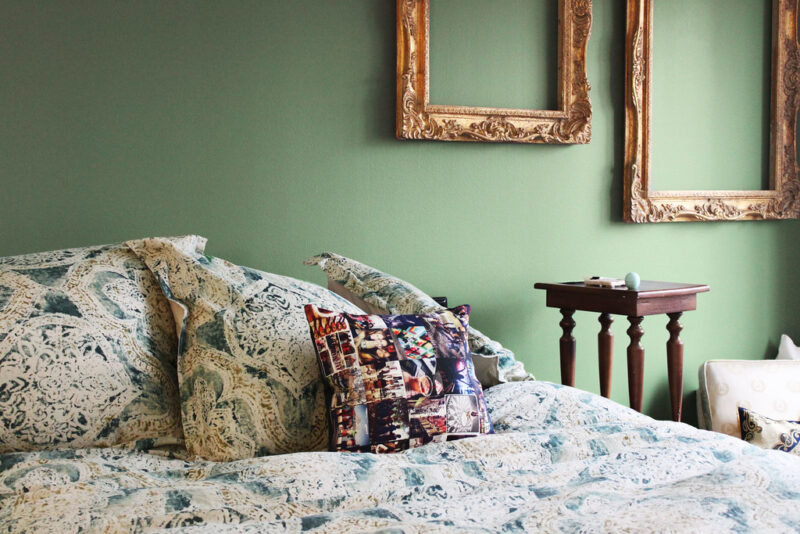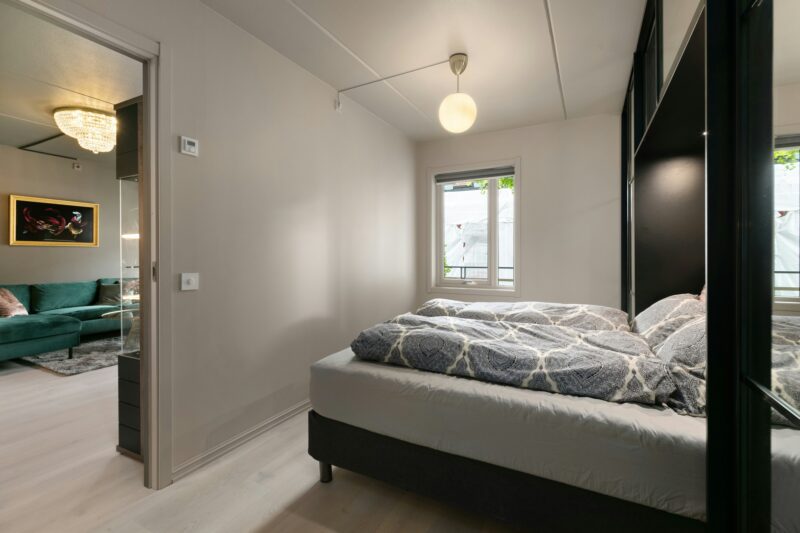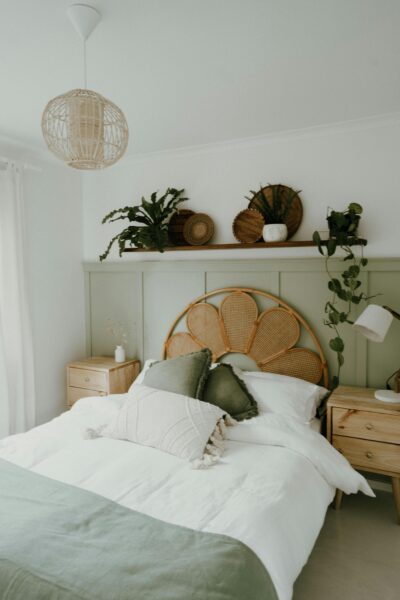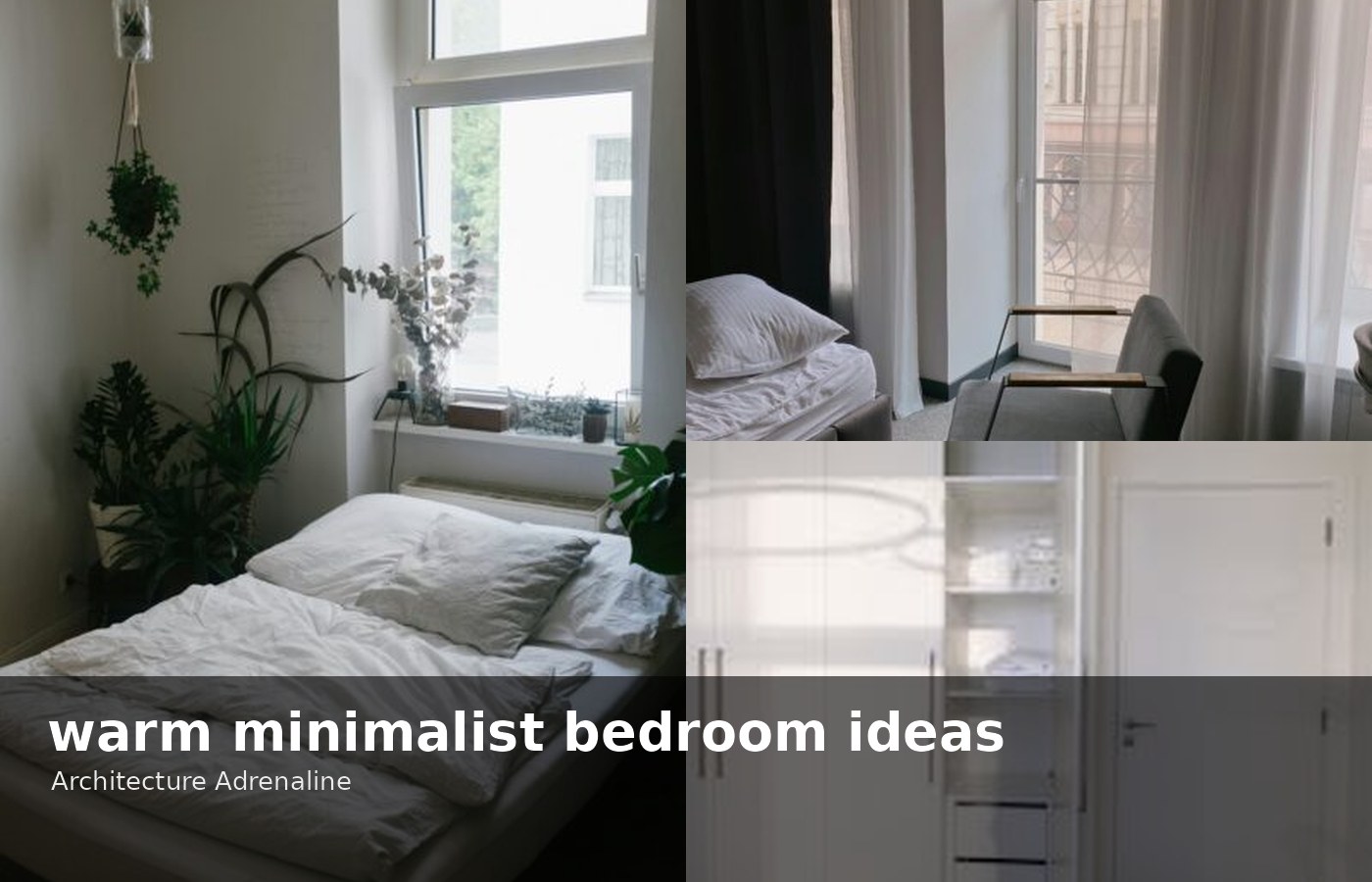
Embracing warm minimalist bedroom ideas requires more than just decluttering; it demands a precise balance of tactile materials, thoughtful lighting, and curated furniture scaled to the room’s proportions. This article navigates homeowners and remodelers through image-inspired choices that deliver ambiance without sacrificing function. We’ll detail how natural textures, soft lighting layers, and strategic privacy enhance warmth while honoring minimalism’s clean lines. The following inspiration-led guidance includes tradeoffs to anticipate and material specifics refined for a bedroom reimagined with editorial rigor.
Natural Wood Accents to Soften Minimalism

Incorporate natural wood accents like a low-profile bed frame or bedside table crafted from warm oak or walnut to add tactile softness to minimalist geometry. Opt for pieces with clean lines but rich grain to prevent starkness. Timber floors or wall paneling in a muted caramel finish can reinforce this warmth but make sure to test for durability, as softer woods may scratch easily. A practical tip is to finish wood surfaces with a matte oil finish to resist fingerprints and maintain visual warmth over time.
Layered Ambient Lighting for Depth and Warmth
Effective layered lighting in warm tones elevates minimal bedrooms beyond flat functionality. Combine dimmable overhead LED fixtures with bedside lamps that have fabric shades diffusing light softly. Position warm-white bulbs around 2700K to 3000K for cozy ambiance that doesn’t undermine minimal aesthetics. Consider recessed lighting over wall art or texture features but plan wiring carefully in remodels to avoid cluttered ceiling lines. Note that multiple lighting sources require controlled switching to prevent excessive energy use and complexity.
Textured Linens and Upholstery Choices

Choose linens and upholstery in natural fibers like organic cotton, linen, or wool with a slight nubby texture to contrast sleek surfaces without visual noise. Stick to a warm, neutral palette—think sand, terracotta, and muted olive—that complements rather than competes with wood tones and paint. For upholstery, select matte weaves that disguise wear rather than shiny finishes that show every crease. A drawback is that natural fibers may require more frequent cleaning and care versus synthetic blends.
Multipurpose Furniture with Minimal Footprint
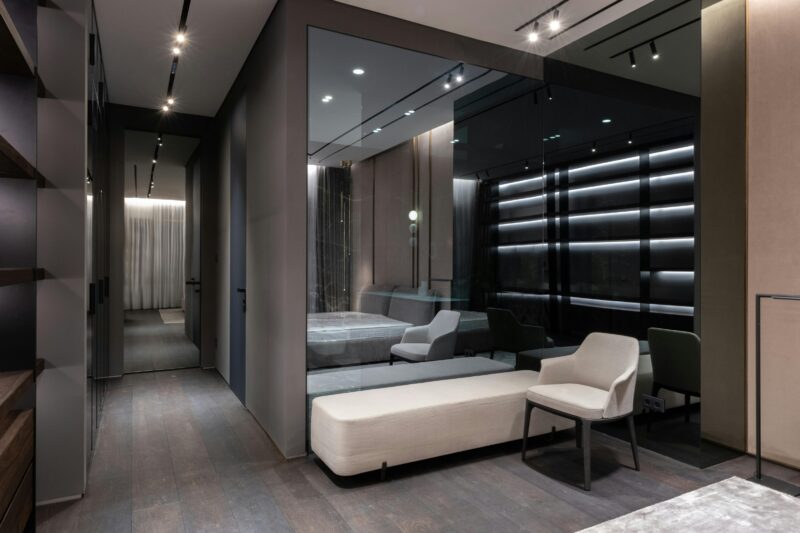
Select furniture scaled to room proportions that supports multiple uses, such as a storage bed with integrated drawers or a console doubling as a vanity and writing desk. Keep profiles low and linear, avoiding bulky silhouettes that disrupt minimalist flow. Materials like powder-coated steel combined with natural woods maintain a light visual weight. One tradeoff is restricted decorative freedom, so seek functional furniture that balances pared-down looks with essential storage to minimize added pieces.
Integrating Indoor Greenery for Gentle Contrast
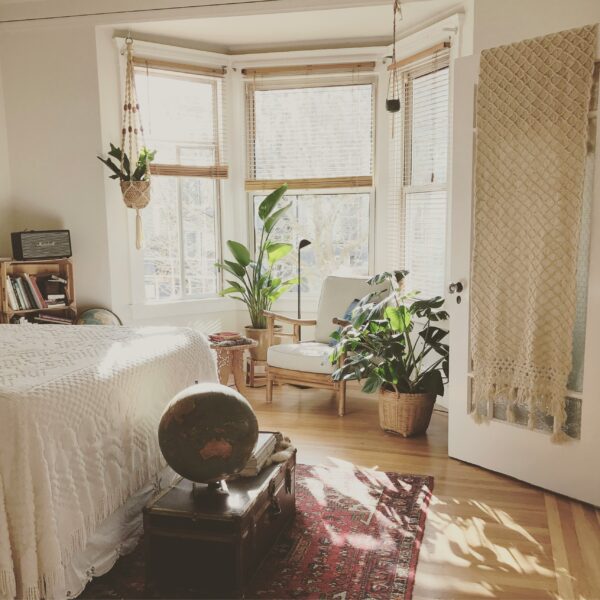
Bringing a few well-placed indoor plants introduces organic forms and soft greenery that cut through a warm minimalist scheme without cluttering. Use simple terracotta or matte ceramic pots which harmonize with earth tones. Position plants adjacent to natural light sources such as near windows to thrive, but remember some species may shed leaves or require regular watering—maintenance that may be overlooked in minimalist upkeep plans. A practical strategy is to combine low-maintenance species like snake plants or succulents to reduce upkeep.
Streamlined Window Treatments for Privacy
Minimalist bedrooms benefit from streamlined window treatments like floor-to-ceiling sheer curtains in off-white or beige that soften natural light and provide privacy without heavy visual barriers. Choose linen or cotton blends with a subtle weave to maintain texture. Installing ceiling-mounted tracks enhances clean lines but consider thermal lining if insulation is a priority. A natural caution is that sheer fabrics may fade over time if exposed to intense sunlight, so evaluate window orientation before commitment.
Matte Earth-Toned Wall Finishes
Matte wall finishes in warm earth tones such as muted ochre, soft clay, or gentle taupe create enveloping backdrops that enrich minimal furnishings. Choose mineral-based paints with low sheen for subtle texture and breathability. Accent a single wall to avoid overwhelming the space and keep the color palette cohesive. Keep in mind that warm tones can highlight surface imperfections more than cooler neutrals, necessitating careful surface preparation before painting.
Balanced Flooring Materials for Comfort and Cohesion
Flooring in warm minimalist bedrooms should balance tactile comfort and visual harmony—consider natural fiber rugs layered over honey-toned hardwood or polished concrete with a matte finish. Select neutral patterns or solid colors that anchor furniture without distraction. Rugs increase comfort and delineate zones but require regular cleaning to avoid dust build-up—a factor to weigh if allergy sensitivity exists. Finally, ensure flooring materials are suitable for local climate; for instance, absorbent rugs may not work well in humid areas without proper ventilation.
What materials are best for achieving warmth in minimalist bedrooms?
Natural woods, matte earth-toned paints, and textured natural fabrics like linen, wool, and cotton are key for warmth without clutter.
How can I maintain privacy while keeping a minimalist look?
Use sheer floor-to-ceiling curtains or streamlined blinds in neutral tones to gently filter light and ensure privacy without visual heaviness.
What lighting temperature is recommended for cozy minimalist bedrooms?
Warm white bulbs between 2700K and 3000K provide cozy ambiance that supports warmth without sacrificing minimal design.
These warm minimalist bedroom ideas illustrate that restrained design does not equal cold or clinical. Selecting tactile natural materials, layering lighting purposefully, and incorporating restrained greenery create spaces that feel lived-in yet intentional. Awareness of tradeoffs like maintenance, durability, and light control ensures a bedroom remodel or styling refresh yields a truly comfortable sanctuary. Thoughtful proportions and material pairings detailed here provide a practical blueprint for homeowners and designers aiming to refine minimalism with warmth and character.
For more room-by-room ideas, browse Architecture Adrenaline’s latest design guides and save your favorite looks for your next project.
Design Deep Dives & Resources
Use these references to go deeper on layouts, materials, lighting, safety, and maintenance decisions that matter for this style.
Research-Backed Planning Notes
- Outdoor lighting should have a job: DOE frames outdoor residential lighting around aesthetics, security, and utility, with controls and shielding to reduce waste and glare. Layer low path lights, focused task lights, and shielded accent lights instead of flooding the entire patio with one harsh fixture. Source: U.S. Department of Energy
- Plant choice affects maintenance and longevity: UMN Extension emphasizes function, maintainability, environmental soundness, cost-effectiveness, and visual appeal in sustainable landscape design. Choose plants around sun, soil, mature size, and maintenance tolerance before choosing containers or furniture colors. Source: University of Minnesota Extension
- A good landscape behaves like connected rooms: USU Extension compares landscapes to outdoor rooms with different uses, volumes, circulation paths, and water needs. Use the cover, furniture layout, pavers, screens, and planting edges to define a room rather than scattering decor around the slab. Source: Utah State University Extension
On Architecture Adrenaline
- Minimalist Bedroom Layout Concepts: Read the full guide
- Affordable Covered Patio Ideas: Read the full guide
- Covered Outdoor Living Spaces: Read the full guide
- Back Patio Ideas: Read the full guide
Authoritative Planning References
- Illuminating Engineering Society Standards - Professional lighting reference for terminology, visual comfort, glare, and application-specific lighting practice.
- American Society of Interior Designers - Professional interior design organization for design practice, wellness, sustainability, and industry context.
- International Code Council I-Codes - Use this as a starting point for code families, then verify the code edition adopted by the local building department.
- DOE Energy Saver Lighting Design - Practical guidance for efficient indoor and outdoor lighting layers, controls, glare reduction, and fixture placement.
- University of Minnesota Extension Landscape Design - Extension guidance on site conditions, plant selection, maintenance, function, cost-effectiveness, and visual appeal.
External Inspiration
Editor-Selected Amazon Finds
Use these shopping starting points to compare dimensions, weather ratings, and reviews before buying.
Warm Minimalist Bedroom Ideas lighting
Start with lighting because it changes how every finish reads.
Warm Minimalist Bedroom Ideas storage
Keeps the space functional instead of just photogenic.
Warm Minimalist Bedroom Ideas decor
Use restraint and repeat materials already in the room.
Extra Visual Inspiration