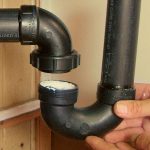
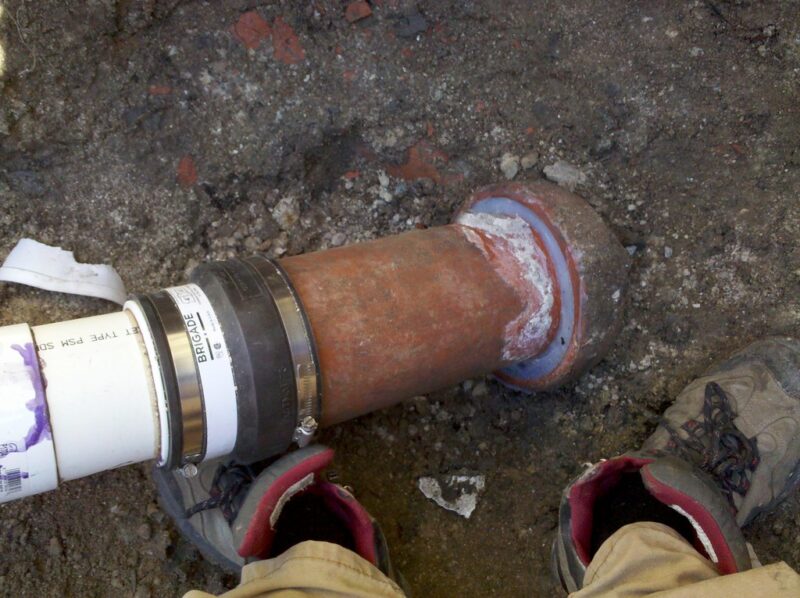
Understanding what a sewer tap is can shed light on one of the critical connections in urban plumbing systems. Essentially, a sewer tap refers to the point where a private property's sewer line connects to the main municipal sewer line. This connection ensures that wastewater from homes and businesses efficiently flows into the public sewage system for treatment and disposal. When planning new construction or renovations, getting the sewer tap right is crucial to ensure compliance with local regulations, maintain public health standards, and prevent environmental hazards.
| Aspect | Description |
|---|---|
| Function | Connects a property’s sewer line to the municipal system |
| Importance | Ensures proper wastewater disposal and prevents contamination |
| Considerations | Regulatory compliance, construction planning, and environmental impact |
Why Sewer Tap Installation Matters
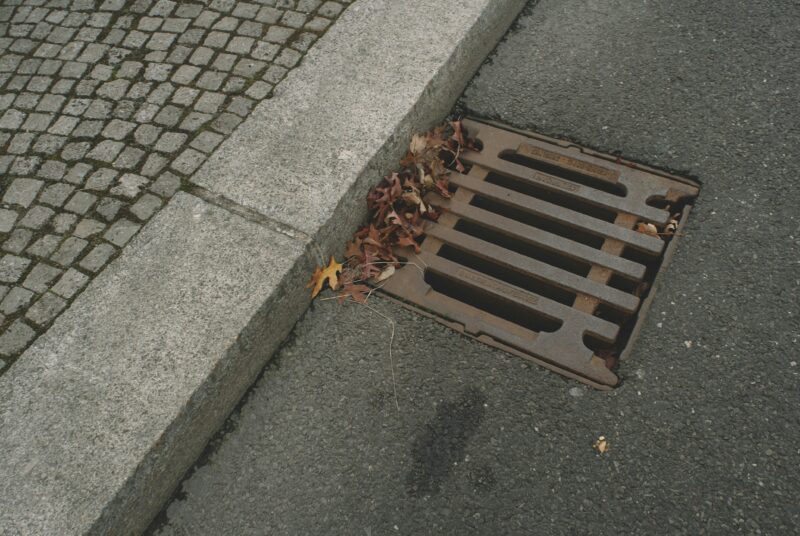
Imagine flushing your toilet or draining your sink and not worrying about where all that wastewater goes. That’s the everyday magic created by sewer taps. They are the unsung heroes ensuring that wastewater from our homes is transported safely and efficiently to the municipal sewage system. Without a proper sewer tap installation, you could face a mess of issues, from back-ups to unpleasant odors, and even unwanted fines due to non-compliance with local regulations.

Steps to Ensure Proper Sewer Tap Connection
Getting it right the first time can save you a heap of trouble down the line. Here's a simplified process to help you through:
- Consult with Professionals: Begin by hiring a licensed plumber or contractor who is familiar with local codes and regulations. They'll ensure that your connection is up to standard.
- Obtain Necessary Permits: Check with your local municipal office for any permits required for either installing a new tap or replacing an old one. This ensures your work complies with the law. For instance, the City of Midland provides a form to request sewer tap replacements.
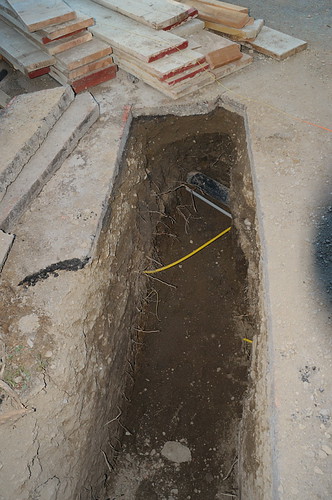
- Site Inspection: Before digging, a thorough site inspection to understand existing infrastructure is crucial. This helps prevent accidental damage to underground utilities.
- Installation: Once all checks are done, the actual connection of the sewer tap can be made. Using correct materials and tools is critical to ensure a long-lasting and leak-proof installation. If you're in Gastonia, you can reference how they handle sewer tap installations.
- Testing & Verification: After installation, a test should be performed to verify that everything is functioning properly without leaks. Some local authorities require an official inspection at this stage. The Sanitary Sewer Tap-on Desk in Lexington, Kentucky, is an example of such oversight.

Common Challenges and How to Overcome Them
When dealing with sewer taps, not everything goes as smoothly as planned. Common challenges include:
- Navigating Regulatory Hurdles: Navigating through local codes can be daunting. Keeping open lines of communication with local building authorities can smoothen the process.
- Environmental Concerns: Improper installation can lead to environmental hazards like ground contamination. Investing in quality materials and professional service can minimize these risks.
- Cost Overruns: Without proper planning, costs can spiral out of control. Get detailed quotes and set aside a contingency fund for unexpected issues. You might find insights in reports like the water and sewer tap fees in Tennessee cities.
Maintaining Your Sewer Tap
Maintenance might not sound exciting, but a little attention can prevent bigger headaches later:
- Schedule regular inspections to catch wear and tear early.
- Avoid flushing harmful substances like oils and non-degradable items down the drain.
- Keep landscaping in check—tree roots can wreak havoc on underground plumbing.
Wondering if your property’s sewer tap needs an inspection or upgrade? Connect with a local expert today to ensure you're not just up to code, but also preventing potential disasters down the road. For more information, check out our recent articles. Have any experiences or tips on managing sewer taps? Share them in the comments below!
Tapping into the City Sewer 🚽 #construction
Understanding what a sewer tap is can shed light on one of the critical connections in urban plumbing systems. To further explore this concept, check out Niko's Property Show's video on tapping into the city sewer, which provides a visual demonstration of the process and its importance in construction.
What Is a Sewer Tap on a Sewer Line?
A sewer tap is the precise point where your home’s wastewater lateral (the pipe carrying waste out of your house) connects to the municipal sewer main. This critical junction ensures that all the wastewater from your property flows smoothly into the public system for proper treatment and disposal.
What Is a Sewer Tap Fee?
A sewer tap fee, often called a tapping fee, is the payment required to connect your property to the community sewer network. This charge is determined by the overall cost of creating or buying sewer capacity, divided among the number of capacity units that can be handled. Essentially, it’s your share of funding the infrastructure needed to keep the public sewer system running efficiently.
Do You Need Permission to Connect to a Public Sewer?
In most cases, yes. You’ll typically have to secure written consent—commonly referred to as a Section 106 license—before hooking your property up to the public sewer. This process usually involves hiring a qualified contractor who can provide the necessary paperwork to prove your connection meets local council requirements, ensuring everything is done safely and in compliance with regulations.
As we've explored, the sewer tap plays a crucial role in connecting your home to the broader municipal sewer system. It's fascinating to realize how this small but mighty connection serves as the lifeline between private properties and public sanitation. Understanding this component not only highlights the importance of maintaining it but also empowers you to make informed decisions when it comes to managing your property's plumbing needs. It's like having a little extra confidence in knowing how your own slice of urban infrastructure fits into the bigger picture.
Stay Connected for More Insights
I hope this post has made you feel a bit more knowledgeable about the hidden yet essential world beneath our feet. There's always more to discover about how our cities and homes work in harmony, and I'm excited to share these insights with you. If you're eager to dive deeper into related topics or catch up on the latest tips, tricks, and guides, join us on our social media journey. Check out our Instagram for visually engaging content and updates. Let’s continue exploring together, fostering a community where every question leads to a new understanding.