What is Eco Brutalism? Eco brutalism fuses the raw, constructive language of Brutalism with living greenery and climate-conscious strategies to produce spaces that feel monumental yet environmentally attuned. This design approach pairs exposed concrete and bold geometry with vertical gardens, green roofs, and biophilic considerations to improve daylight, air quality, and microclimates while reducing long-term maintenance and embodied carbon where possible.
Understanding the movement requires framing both its architectural language and its ecological critique. The National Capital Planning Commission’s overview of Brutalism in Washington, DC provides a precise, historical definition of the style’s characteristics—heavy massing, exposed concrete, and a public-facing, formal presence—against which eco-focused adaptations are contrasted. This grounding helps readers distinguish between brute material honesty and the enhanced, sustainability-driven expressions that eco brutalism invites. National Capital Planning Commission: Brutalism in Washington, DC
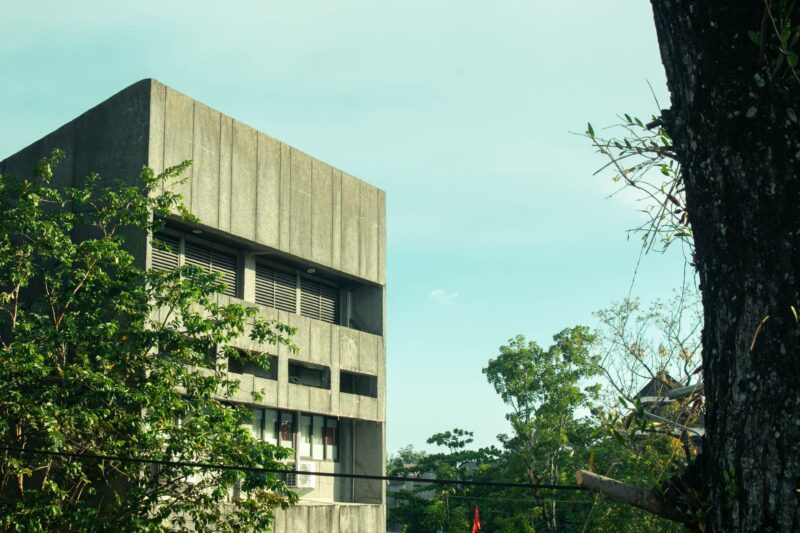
Brutalism emerged in the mid-20th century as a language of honesty and function, often expressing building systems and materiality in a monumental form. Contemporary interpretations—such as the scholarly perspective offered in Brutalism (Mbembe) by Duke University Press—offer a critical lens that helps readers differentiate aesthetic debates from eco-driven interpretations. This framing clarifies what eco brutalism seeks to achieve beyond visual impact. Brutalism (Mbembe) – Duke University Press
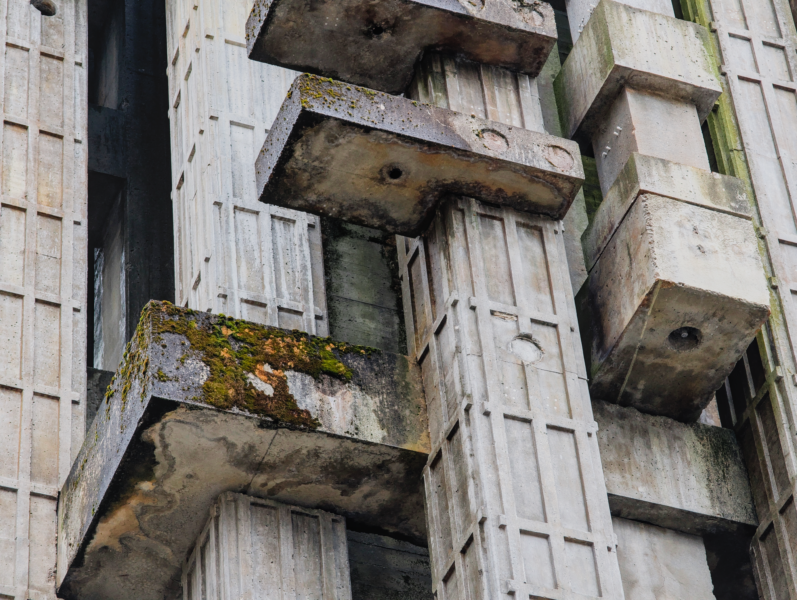
Within a housing-focused context, Eco Brutalism is also discussed as a design strategy for affordability and wellbeing. USC’s Scribe piece, Brutalism as the Architecture of Affordable Housing, illustrates how brutalist massing can be paired with social and climatic considerations to support comfortable, durable living environments. Brutalism as the Architecture of Affordable Housing (USC Scribe)
Eco brutalism centers on three interrelated ideas that readers can apply in practice:
Plants in eco brutalist schemes do more than soften surfaces. They actively contribute to energy performance, air quality, and ecosystem support. Techniques such as vertical gardens on tight urban sites, robust green roofs with proper drainage, and the use of native species reduce irrigation needs while enhancing resilience. Greenery also moderates temperatures through shading and evapotranspiration, improving occupant comfort without drastically increasing mechanical loads.
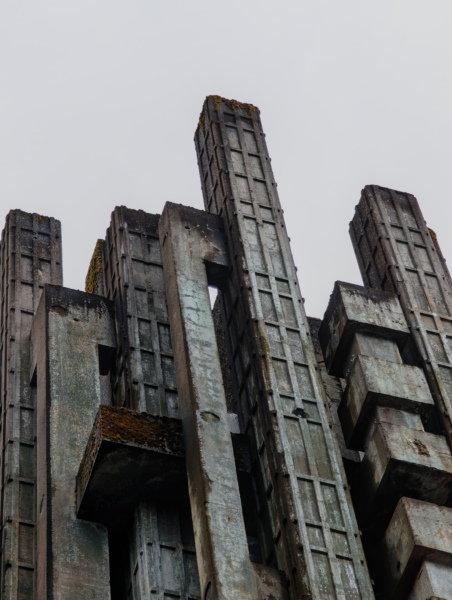
Concrete remains a foundational material, but its use is paired with climate-aware practices. Considerations include:
Green infrastructure—such as living roofs and wall-mounted gardens—extends beyond aesthetics by reducing heat absorption, enhancing stormwater management, and contributing to better indoor air quality over the building’s life cycle.
Readers contemplating residential, commercial, or civic projects can adopt the following concrete steps:
Early explorations of eco brutalism demonstrate how concrete geometry can host lush vegetation while maintaining structural integrity and climate resilience. Projects that blend site-responsive vegetation with brutalist silhouettes show how a robust structural system can support ecological benefits without sacrificing architectural presence. The emphasis is on durable urban-ready systems that perform as well as they photograph.
As with evolving architectural movements, questions persist about whether greenery can meaningfully offset the environmental impacts of concrete production. Critics highlight embodied carbon and ongoing maintenance burdens, while proponents advocate for a holistic strategy that combines renewable energy, native planting, adaptive reuse, and responsible materials to achieve tangible long-term benefits beyond aesthetics.
Successful eco brutalism requires proactive planning and ongoing management. Engage structural engineers early to verify loads for green roofs and living walls. Select low-water plantings, implement moisture-sensing irrigation, and schedule regular inspections to preserve concrete integrity and plant health over decades. A thoughtful lifecycle perspective reduces risk and sustains performance over time.
What is Eco Brutalism? It’s a design philosophy that fuses the austere, geometric language of brutalist architecture with living greenery, biophilic design, and sustainable materials to create bold, durable spaces that are more environmentally responsible.
Explorations of concrete, climate strategy, and greenery intersect in eco brutalism. Designers and researchers emphasize site-responsive vegetation paired with robust structural systems, highlighting projects that demonstrate resilient, aesthetically striking results. For readers seeking deeper theoretical and practical grounding, the scholarly and institutional resources cited above provide authoritative perspectives and case studies to consult as a starting point for project planning or critical analysis.
We invite readers to share experiences or questions about eco brutalism in the comments. If you’ve experimented with green roofs, living walls, or native landscaping in brutalist-inspired spaces, tell us what worked well and what challenges you encountered.
Related resources — Eco brutalism architecture products on Amazon: eco brutalism architecture products on Amazon.
```
In conclusion, Eco Brutalism is more than just an architectural style; it’s a movement that fuses functionality with sustainability, urging us to rethink our relationship with the built environment. This unique approach fosters a deep respect for materials, nature, and the communities that inhabit these spaces, encouraging a beautiful balance between stark aesthetics and ecological mindfulness. As you explore this fascinating design philosophy, you might find yourself inspired to champion eco-friendly practices in your own life and community.
To dive deeper into the world of Eco Brutalism and stay updated on the latest trends in sustainable architecture, I invite you to connect with us on social media! Join our community on Instagram where we share inspiring projects, insights, and tips to help you embrace this exciting movement. Together, we can celebrate designs that not only challenge the norm but also nurture our planet.