
A Trailblazer's Legacy"
Background and History of Frank Lloyd Wright
Frank Lloyd Wright, born in 1867, was a transformative figure in American architecture, introducing a new design philosophy that reshaped building conventions. Wright's innovative approach, termed 'organic architecture', saw him create structures that were in harmony with humanity and their environment.
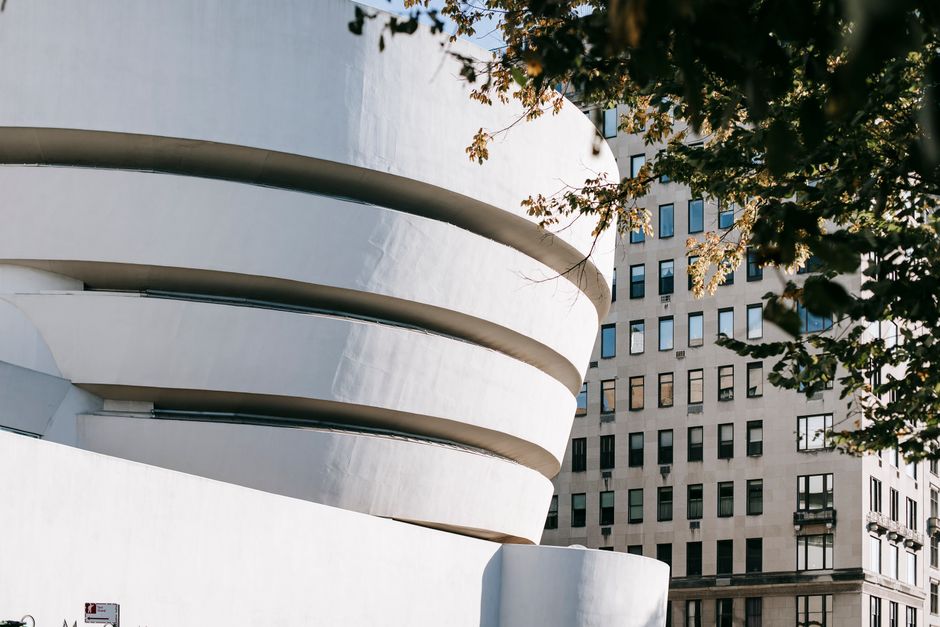
Wright's extensive career spanned over seven decades, in which he designed more than 1,000 structures, seeing over half of them to completion. His revolutionary architecture projects are spread across the United States, offering a visual journey of his evolving design ethos.
Notable Features of Wright's Architecture
Frank Lloyd Wright's revolutionary architecture is characterized by his strong emphasis on integrating structures with their surroundings. His approach was in stark contrast to the Baroque architecture, which is characterized by grandeur, drama, and ornamentation. Wright's designs were more simplistic, marked by open floor plans, extensive use of natural materials, and large windows to invite nature inside.

Some of his most iconic works include the Fallingwater in Pennsylvania, the Guggenheim Museum in New York, and the Robie House in Chicago. Each building is a testament to Wright's architectural genius, displaying his innovative use of space, material, and form.
Detailed Exploration: Fallingwater
A case study that encapsulates Wright's revolutionary architecture is the Fallingwater house. Located in Mill Run, Pennsylvania, this residential property was designed in 1935 as a vacation home for the Kaufmann family.

The house is built over a waterfall, integrating the natural landscape into its design. Wright's use of cantilevered terraces, broad expanses of glass, and native materials gives the impression that the house is a natural extension of its environment.
The project was a significant investment, with a final construction cost of $155,000 in 1937 (approximately $2.7 million today). Today, Fallingwater stands as a National Historic Landmark, attracting thousands of visitors each year.
Learning from Wright
For those wanting to start an architecture firm, Wright's journey offers valuable insights. His success was not just due to his creative genius but also his business acumen, collaboration, and an ability to adapt to changing times.
Wright started his own architecture firm in 1893 after working with the influential architect Louis Sullivan for six years. His firm's initial work mainly consisted of residential projects, which over time expanded to include commercial and public buildings.
The robustness of Wright's designs, coupled with his innovative approach, helped him maintain a successful practice despite economic downturns and changing architectural trends.

Visiting Information or Current Status

Many of Wright's buildings are open to the public for tours, including Fallingwater, Taliesin West in Arizona, and the Guggenheim Museum. Each site offers a unique insight into Wright's architectural philosophy and design process.
However, due to the historical and delicate nature of these structures, visitors are advised to check for any restrictions or special requirements in advance.
Arizona, USA
Robie House, Chicago

- Location: 5757 S Woodlawn Ave, Chicago, Illinois
- Project: Residential house
- Original Use: Private residence
- Outcomes: Designated as a National Historic Landmark in 1963; underwent a $11 million restoration project in 2019.
Key Features of Wright's Architecture
Integration with SurroundingsUse of Natural MaterialsOpen Floor Plans
Wright's Influence on Architecture

- Wright designed more than 1,000 structures during his career.
- 532 of these designs were completed.
- His works span across 36 states in the U.S.
- 8 of his works have been listed as UNESCO World Heritage Sites.
Notable Projects by Frank Lloyd Wright
| Project | Location | Year | Cost (Today's $) |
|---|---|---|---|
| Fallingwater | Mill Run, Pennsylvania | 1935 | $2.7M |
| Guggenheim Museum | New York, New York | 1959 | $35.3M |
| Robie House | Chicago, Illinois | 1910 | $1.1M |
| Taliesin West | Scottsdale, Arizona | 1937 | $3.2M |
| Imperial Hotel | Tokyo, Japan | 1923 | $50M |
Fallingwater, despite being one of Wright's earlier projects, was one of his most expensive, costing approximately $2.7M in today's dollars.
Number of Wright's Projects by Decade
1890s12Projects1900s35Projects1910s42Projects1920s28Projects1930s20Projects1940s30Projects1950s33Projects
Wright's productivity peaked in the 1910s, with over 40 projects designed in that decade.
Common Questions About Frank Lloyd Wright's Architecture

How much does a Frank Lloyd Wright-inspired house cost today?

- The cost can vary greatly depending on the complexity of the design and location. However, expect to pay a premium for a house designed to mimic Wright's unique style.
What are the most common mistakes when creating a Wright-inspired design?
- The most common mistake is not fully understanding Wright's philosophy of organic architecture. His designs were not just about aesthetic appeal but a deep connection with the surrounding environment.
What are the important considerations when designing a Wright-inspired building?
- Considerations should include the building site, use of natural materials, and creating a seamless transition between indoor and outdoor spaces.
External Resources
Use these sources for standards, documentation, and deeper technical context:
- [Building Science Fundamentals](https://www.energy.gov/eere/buildings/building-technologies-office) — DOE Building Technologies Office resources
- [Healthy Indoor Environments](https://www.epa.gov/indoor-air-quality-iaq) — EPA Indoor Air Quality guidelines
- [Universal Design Principles](https://www.access-board.gov/) — U.S. Access Board design standards
Related Articles

These related articles cover adjacent decisions and alternatives:
- [Exploring Frank Lloyd Wright Architecture](https://www.architectureadrenaline.com/exploring-frank-lloyd-wright-architecture/)
- [Frank Lloyd Wright Net Worth And Design Projects](https://www.architectureadrenaline.com/master-of-modernism-frank-lloyd-wrights-legacy-and-landmarks/)
- [Inside Frank Lloyd Wright'S Architectural Vision](https://www.architectureadrenaline.com/uncovering-the-genius-of-frank-lloyd-wrights-architectural-vision/)
Legacy and Influence
The work and philosophy of Frank Lloyd Wright revolutionary architecture continue to influence contemporary architecture and design. Students and professionals study their projects as foundational references, examining how innovative thinking shaped the built environment. The principles established through their career remain relevant to current challenges in sustainable design, urban planning, and spatial innovation. Museums, academic institutions, and professional organizations maintain archives and research centers dedicated to preserving and sharing this architectural knowledge. The enduring impact demonstrates how visionary design transcends its original context to inspire new generations of architects, designers, and creative thinkers around the world.
Notable Projects and Achievements
Throughout their career, Frank Lloyd Wright revolutionary architecture completed numerous significant commissions that pushed boundaries and defined new directions. Each project represents not just a physical structure, but a statement about the relationship between form, function, and human experience. These works received recognition from peers, critics, and the public, often becoming destinations in their own right. Many projects have been preserved as cultural heritage sites, studied in architectural schools, and featured in major exhibitions. The diversity of project types and scales demonstrates remarkable versatility and adaptability across different contexts and constraints. Awards, publications, and retrospectives continue to celebrate the innovation and excellence represented in this body of work.
Design Philosophy and Approach
The design methodology of Frank Lloyd Wright revolutionary architecture reflects a deeply considered philosophy about the purpose and meaning of architecture. Rather than following trends, their work emerged from fundamental principles about human needs, environmental context, and artistic expression. This principled approach meant that each project was unique, yet coherent with an overall vision and set of values. Interviews, writings, and lectures provide insight into the thinking process behind major decisions. Understanding these principles helps explain why certain design choices were made and how they contributed to larger cultural movements. The consistency between philosophy and practice demonstrates intellectual rigor and authentic commitment to design excellence.
Recognition and Awards
The professional achievements of Frank Lloyd Wright revolutionary architecture earned recognition from the highest levels of the architecture and design fields. Major international awards, honorary degrees, and special exhibitions celebrated their contributions to the discipline. Prestigious organizations invited them to lecture, teach, and lead landmark projects. Critical acclaim in publications ranging from specialized architecture journals to mainstream media brought wider recognition. Retrospective exhibitions at major museums documented the full scope of their career and its impact. Peer recognition from other innovative architects and designers affirmed the significance of their work within the professional community.
Global Impact and Cultural Significance
The work of Frank Lloyd Wright revolutionary architecture transcended regional or national boundaries to achieve international significance. Projects influenced architects across different countries and cultures, representing a shared language of design excellence. The ability to create meaningful architecture that resonates across diverse contexts demonstrates universal design principles. Travel, exhibitions, and publications spread ideas globally, attracting students and collaborators from around the world. The multicultural nature of their followers and interpreters speaks to the universal appeal of their design vision. Today, projects remain pilgrimage sites for architects and designers seeking to understand and learn from exemplary built work.
