Creative bedroom lighting styles go far beyond the usual overhead fixture. Thoughtful illumination combined with careful room planning—like closet dimensions, bedside clearance, and circulation paths—creates spaces that balance utility with ambiance. This editorial explores concrete design strategies integrating precise lighting placements with material and spatial considerations to inspire homeowners, remodelers, and interior designers. Each section delivers actionable measurements and tradeoffs that reflect real-world renovation constraints, supporting well-lit bedrooms that look intentional and feel comfortable.
Balancing Ambient and Task Lighting Around Bedside Clearance
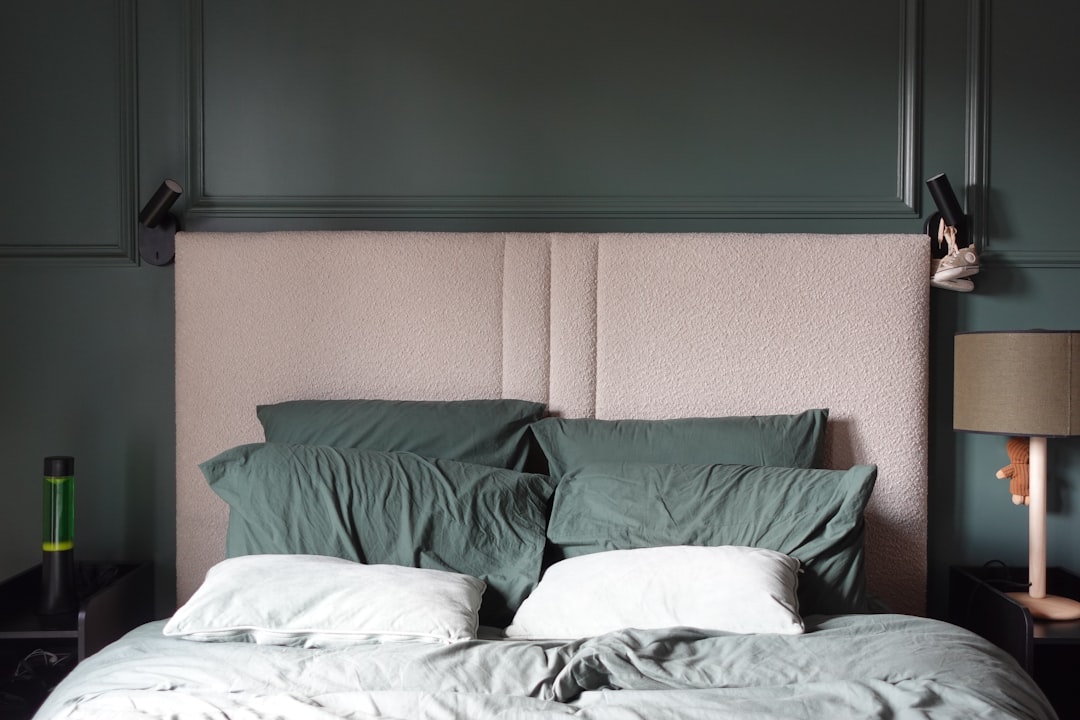
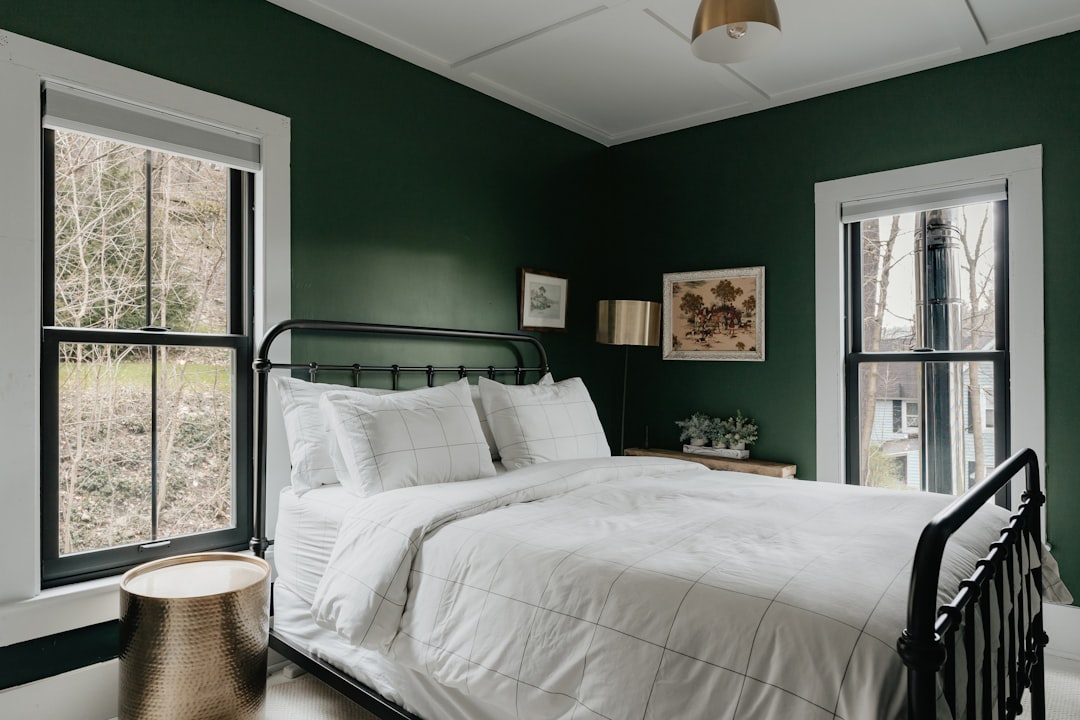
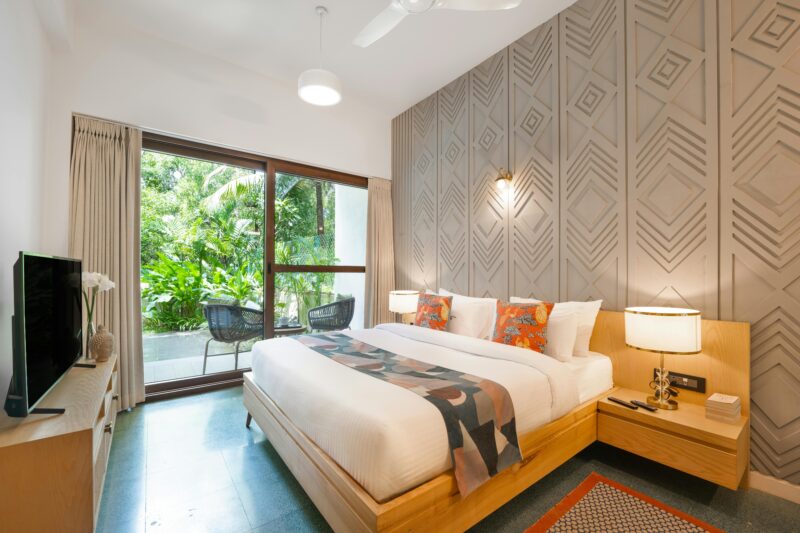
Designing lighting around bedside clearance requires a minimum walkway of 24 inches to allow comfortable movement. Position wall sconces 28-32 inches above the mattress for optimal reading light without glare. Use matte finishes on lampshades to reduce harsh reflections, pairing metal fixtures with warm wood nightstands for tactile contrast. However, tightening clearance to less than 24 inches to fit larger beds compromises posture and circulation, so prioritize spatial allowance over fixture size. This measured approach ensures lighting enhances usability and comfort bedside.
Optimizing Closet Lighting with Practical Storage Dimensions
Closet dimensions should allocate a minimum depth of 24 inches for hanging space to accommodate clothing without crushing fabric, while recessed LED strip lights provide clean, shadow-free illumination inside. Opt for matte white or light wood shelving to bounce light uniformly within the closet volume, enhancing visibility. Install motion sensors for user convenience but be aware that high sensor sensitivity can lead to frequent unnecessary activations. Prioritizing minimum depth alongside thoughtfully integrated lighting promotes organized, approachable storage zones that don’t sacrifice accessibility for volume.
Layered Lighting to Complement Bedroom Circulation Paths
Circulation paths in bedrooms demand clear widths of at least 30 inches around furniture for unobstructed movement that lighting must accommodate. Layer overhead ambient lights with floor-level uplights or step lights to visually extend zones and reduce shadows in pathways. Matte plaster ceilings work best with diffused downlighting, preventing hot spots. Including too many lighting layers risks visual clutter and complicated maintenance, so limit to two or three integrated sources. Maintaining proper path clearance while layering lighting improves safety and spatial perception without overwhelming the senses.
Textile Choices That Influence Light Diffusion and Warmth
Choosing bedroom textiles impacts light diffusion significantly; linens and lightweight cotton allow natural daylight to softly filter through, while heavier wools absorb excess glare. Using layered curtains with translucent sheers behind blackout drapes offers flexible control over room brightness and privacy. Natural fiber rugs underfoot warm both tactile and visual texture, complementing warmer light temperatures around 2700K. Note adding thick textiles can reduce responsiveness to dimmed LEDs, so balance fabric weight with light control needs. Textile selections thus directly shape ambiance through their interaction with both natural and artificial light.
Material Pairings for Lighting Fixtures and Bedroom Surfaces
Lighting fixtures work best visually when paired with finishes that either absorb or reflect light appropriately; pairing brushed brass sconces with matte painted walls softens glare while introducing warmth. Consider scale, keeping pendant diameters around 12-15 inches for bedside or reading zones to maintain proportionality with furniture. Industrial concrete or plaster walls increase light absorption, requiring warmer light tones or additional accent lamps. However, choosing darker materials means increased energy consumption to maintain brightness levels, so factor in operational costs. Thoughtful material and finish coordination elevates lighting design beyond functionality alone.
Ceiling Designs That Enhance Light Distribution and Volume
Ceiling designs with subtle coffers or sloped volumes help distribute light more evenly by breaking up flat reflective surfaces. A suspended ceiling height of approximately 8-9 feet balances volume without excessive shadow zones. Recessed LED downlights spaced about 4 feet apart prevent dark spots while cove lighting accentuates architectural form. Avoid overly complex ceiling profiles that increase installation costs and limit lighting flexibility. Proper ceiling planning merges architectural interest with uniform light distribution for a room that feels spacious and inviting.
Privacy Solutions Using Light and Shade in Bedroom Windows
Privacy in bedrooms often involves balancing natural light with shading strategies; adjustable wood or aluminum blinds with gaps no wider than 1/2 inch block direct light while allowing partial view control. Installing black-out curtains behind blinds affords maximum light control where needed. Choosing light-colored interior shutters—about 1-2 inch slats—reflects diffused light while preserving nighttime privacy. Heavier window treatments may limit natural light transmission, increasing reliance on artificial lighting during the day. Effective privacy solutions integrate with lighting design to maintain comfort both day and night.
Incorporating Dimmers and Controls for Adaptive Lighting
Incorporating dimmers and modern smart controls enables tailored lighting scenes for different bedroom activities, supporting color temperatures from 2700K to 3500K for varied moods. Wall dimmer switches should be installed 48-52 inches from the floor for ergonomic use. Use LED fixtures with high CRI (above 90) to ensure accurate colors under changing light levels. The main drawback is that some older dimmers cause flickering or noise with incompatible LEDs; choose dimmers matched to fixture specifications. Advanced controls promote flexibility in lighting design, adapting the environment effortlessly to occupant needs.
What is the ideal bedside clearance for lighting placement?
A minimum of 24 inches clearance on each side of the bed is recommended to position wall sconces or table lamps effectively without interfering with movement.
How should closet lighting be planned with storage in mind?
Install recessed LED strips along the closet ceiling or verticals for uniform illumination inside a closet depth of at least 24 inches, enabling clear visibility and access.
What role do textiles play in bedroom lighting?
Textiles affect light diffusion; lighter, thinner fabrics allow more daylight and softly spread artificial light, while heavier materials absorb and darken the space.
Crafting creative bedroom lighting styles involves more than fixture selection; it requires precise attention to spatial dimensions, material finishes, and user circulation to achieve functional beauty. This article highlights practical measures such as maintaining at least 24 inches bedside clearance, layering light to follow clearance and movement, and choosing textiles that modulate brightness effectively. There is always a balancing act between aesthetics and practicality—select materials and lighting controls thoughtfully to address circadian rhythms, privacy, and maintenance needs. Embracing these nuanced strategies will make your bedroom a more intentional, adaptable, and visually refined environment.
For more room-by-room ideas, browse Architecture Adrenaline’s latest design guides and save your favorite looks for your next project.
Design Deep Dives & Resources
Use these references to go deeper on layouts, materials, lighting, safety, and maintenance decisions that matter for this style.
Research-Backed Planning Notes
- Plan clearances before finishes: Interior design work is strongest when circulation, door swings, storage depth, and fixture access are resolved before color or styling. Use this as a reason to verify dimensions and maintenance access before copying any visual concept. Source: NKBA
- Lighting quality depends on layers: Ambient, task, and accent lighting solve different problems, and glare control matters as much as fixture style. Use dimming, warm color temperature, and task placement as design constraints, not afterthoughts. Source: IES
On Architecture Adrenaline
- Creative Bedroom Lighting Styles: Read the full guide
- Creative Bedroom Lighting Styles: Read the full guide
- Creative Bedroom Lighting Styles: Read the full guide
- Blue Gray Bedroom Color: Read the full guide
Authoritative Planning References
- American Society of Interior Designers - Professional interior design reference for wellness, sustainability, material choices, and practice context.
- IIDA resources - Interior design practice resources that help ground planning, materials, and workplace/residential design decisions.
- National Kitchen & Bath Association - Kitchen and bath planning reference for fixture clearances, remodel planning, and professional standards.
External Inspiration
Editor-Selected Amazon Finds
Use these shopping starting points to compare dimensions, damp-location ratings, mounting hardware, and review photos before buying.
Warm outdoor LED string lights
Look for warm color temperature, outdoor rating, and enough length for clean routing.
Outdoor wall sconces
Good for covered patios where glare control and durable fixtures matter.
Dimmable outdoor smart plug
Lets you tune brightness for dinner, reading, or low-key evening ambience.
Extra Visual Inspiration