Introduction
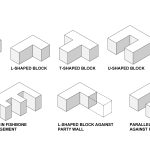
Typology in architecture refers to the classification of buildings based on their form, function, and structure. It is the study of the different types of buildings, their characteristics, and their relationship to their surroundings. Typology is a fundamental concept in architecture, providing a framework for understanding buildings and their roles in society.
The History of Typology in Architecture
The concept of typology in architecture dates back to ancient Greece, where buildings were classified based on their function and form. The Greeks organized buildings into three categories: temples, public buildings, and private houses. In the Middle Ages, buildings were classified based on their religious use, with churches, monasteries, and castles being the most common types of structures.
In the Renaissance, buildings began to be classified based on their aesthetic and formal characteristics. During this period, architects sought to create buildings that were harmonious and balanced, drawing inspiration from classical architecture. The Baroque period witnessed the rise of monumental buildings, which were often classified based on their grandeur and scale.
In the 19th century, the rise of industrialization and urbanization led to a greater need for functional buildings that could accommodate large numbers of people. The typology of buildings shifted to include factories, warehouses, and other industrial structures. In the 20th century, modernist architecture sought to create buildings that were rational, efficient, and aesthetically pure, leading to the rise of typologies such as the skyscraper and the International Style.
The Importance of Typology in Architecture
Typology is an essential concept in architecture, providing architects with a framework for understanding buildings and their roles in society. By classifying buildings based on their function, form, and structure, architects can create buildings that are appropriate for their intended use and location.
Typology is also important for understanding the relationship between buildings and their surroundings. By understanding the typology of a building, architects can create structures that complement and enhance their environment, rather than detracting from it.
Additionally, typology is crucial for understanding the history and evolution of architecture. By studying the typologies of different periods and cultures, architects can gain insights into the social, political, and cultural contexts in which buildings were created.
The Different Types of Typologies in Architecture
There are many different types of typologies in architecture, each with its unique characteristics and functions.
Residential Typologies
Residential typologies refer to the various types of houses and housing complexes. These include single-family homes, apartments, townhouses, and public housing projects. Residential typologies are typically classified based on their size, configuration, and location.
Commercial Typologies
Commercial typologies refer to buildings that are designed for commercial use, such as offices, retail spaces, and restaurants. Commercial typologies are often classified based on their size, complexity, and function.
Industrial Typologies
Industrial typologies refer to buildings that are designed for industrial use, such as factories, warehouses, and power plants. Industrial typologies are typically classified based on their size, function, and level of automation.
Institutional Typologies
Institutional typologies refer to buildings that are designed for public use, such as schools, hospitals, and government buildings. Institutional typologies are often classified based on their function, size, and level of public access.
Cultural Typologies
Cultural typologies refer to buildings that are designed for cultural use, such as museums, theaters, and concert halls. Cultural typologies are typically classified based on their size, function, and level of cultural significance.
Conclusion
Typology is a fundamental concept in architecture, providing architects with a framework for understanding the different types of buildings and their roles in society. By classifying buildings based on their form, function, and structure, architects can create buildings that are appropriate for their intended use and location. The different types of typologies in architecture include residential, commercial, industrial, institutional, and cultural, each with its unique characteristics and functions. Understanding typology is essential for creating buildings that are functional, aesthetically pleasing, and culturally significant.