The cost of shiplap vs drywall can be a significant factor for homeowners when deciding between these popular wall materials. As you plan your next renovation project, understanding the differences in appearance, durability, and installation requirements between shiplap and drywall will help you make a more informed choice. Shiplap, known for its timeless and cozy appearance, is made from solid wood and often is more durable, while drywall offers a smooth finish that can be adapted with paint or wallpaper to suit various design styles. Below is a comparison table highlighting key aspects to consider when choosing between shiplap and drywall.
| Feature | Shiplap | Drywall |
|---|---|---|
| Material | Pine, Cedar, Oak | Gypsum Board |
| Appearance | Cozy and Elegant | Smooth and Versatile |
| Durability | High, due to solid wood | Moderate |
Choosing between shiplap and drywall for your renovation project can feel overwhelming, but understanding their unique qualities will help clarify the decision.
Appearance Matters
When it comes to aesthetics, shiplap and drywall offer distinct looks. Shiplap's rustic wooden boards bring a warm and inviting atmosphere to any space. Its notched design adds character and depth, making it a popular choice for modern farmhouse and coastal interiors. Picture a cozy living room where the soft, elegant lines of shiplap draw you in with their inviting texture.

On the other hand, if you prefer versatility in your home’s decor, drywall might be your best bet. Known for its smooth, even surface, drywall can be easily painted or wallpapered to match any style or mood. This flexibility allows you to experiment with various designs, from vibrant hues to intricate patterns.
Durability and Practicality
The material composition of shiplap makes it inherently more durable than drywall. Whether it's pine, cedar, or oak, shiplap’s solid wood structure offers resilience in busy households. It can withstand bumps and scratches that are inevitable with kids and pets around. For more insights, you can refer to field observations and tests on water migration in walls.
Drywall, while not as robust, doesn’t leave you defenseless. Advanced options like moisture-resistant green drywall are perfect for high-humidity areas like bathrooms and kitchens, giving you practical durability where it matters most.
Ease of Installation
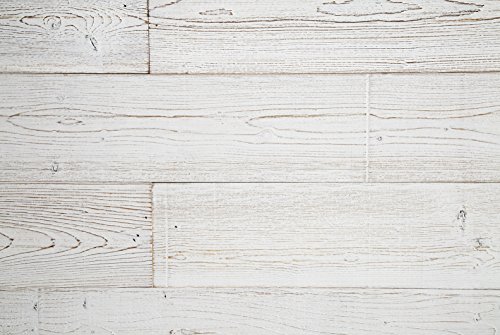
Installation complexity varies greatly between these materials. Cutting fiber board for precise shiplap installation demands precision, as each piece must align flawlessly for its signature look. If you’re a DIY enthusiast with a keen eye for detail, shiplap could be a satisfying project.

Conversely, drywall may appeal to those seeking a quicker and potentially less meticulous installation process. With standard ½-inch sections, it can be mounted efficiently and with fewer tools—often a deciding factor for many first-time renovators.
Cost Considerations
Financial factors can tip the scales when deciding between shiplap and drywall. Shiplap, being a high-quality wood product, tends to be more expensive both in terms of material and potential labor costs. This premium price reflects its durability and distinct aesthetic.
Drywall, often less costly, remains a budget-friendly option that doesn't compromise on style flexibility. It allows you to allocate more of your resources to other project elements, like custom trims or high-end finishes.
Ultimately, the choice aligns with your home’s ambiance and personal preference, not to mention your budget and timelines. Have you recently tackled a project with either shiplap or drywall? Share your experiences and tips in the comments below—we’d love to hear from our community!
Understanding the Cost Differences Between Shiplap and Drywall
The cost of shiplap vs drywall can be a significant factor for homeowners when deciding between these popular wall materials. As you plan your next renovation project, understanding the differences in appearance, durability, and installation requirements can help in making an informed decision. To delve deeper into the financial aspects, check out the YouTube video titled "The Cost of Wood Walls vs Drywall - $$$" on the DIYfferent channel, which explores these cost differences in detail, offering valuable insights for your DIY projects.
Choosing between shiplap and drywall ultimately depends on your personal style preferences, budget, and the specific needs of your home renovation project. Shiplap can add a rustic, cozy charm that reminds many of quaint countryside cottages or modern farmhouse designs. Its natural wood appearance and unique texture often become a stunning feature in any room. Meanwhile, drywall is a versatile and cost-effective option that blends seamlessly into most modern homes. It's perfect for creating a smooth, clean finish that can easily be painted to fit any color scheme or redecorated over the years.
Stay Connected for More Home Design Tips
As you weigh the pros and cons of shiplap vs drywall, I'm here cheering you on to pick the right fit for your home sweet home! And hey, if you’re like me and always on the lookout for more home design inspiration and renovation advice, let’s stay connected. I often share fresh ideas and creative insights on various platforms. Feel free to check out my updates on Instagram, where I post plenty of design eye-candy and tips. Happy renovating, and may your home be everything you dream it to be!