Many homeowners think of the attic as extra storage space or a place to hide holiday decorations. The reality is more important. A well-designed attic plays a central role in home energy efficiency and year-round comfort. Proper insulation, air sealing and ventilation transform this overlooked space into a strategic asset that lowers utility bills and creates a healthier living environment.
The Role of the Attic in Home Energy Consumption
Sustainable attic design addresses one of the most significant sources of energy waste in residential buildings. In the United States, homeowners spend roughly $160 billion on home energy costs for heating, cooling and lighting. A substantial portion of this expense stems from poorly managed attic spaces that allow conditioned air to escape and outdoor temperatures to infiltrate living areas.
During the winter months, warm air naturally rises and collects in the attic. Without adequate insulation and air sealing, this heat escapes through the roof and forces heating systems to work harder. The pattern reverses in the summer when intense heat builds up in an unventilated space and radiates down into living areas. This thermal imbalance creates a cycle of energy waste that drives up costs.
Many homes route their heating and cooling ducts through the attic. Extreme temperatures in this space compromise duct efficiency and make it harder to maintain consistent conditions in the rooms below. Running longer cycles becomes necessary, increasing energy consumption and accelerating wear on mechanical components. Thoughtful attic design can help improve performance and cost control.
Create a More Comfortable Home Environment
Energy efficiency matters, but the daily experience of living in a comfortable home is a bigger deal. A poorly regulated attic traps heat and disrupts airflow, overworking the heating, ventilation and air conditioning (HVAC) system and creating uneven hot and cold spots throughout the house. These fluctuations make certain rooms unusable during peak seasons and force residents to constantly adjust thermostats in search of relief.
Upper floors often bear the brunt of these problems. Even when the thermostat reads a normal setting, bedrooms feel stuffy and warm while ground-floor rooms become chilly. This inconsistency reflects an attic that fails to regulate heat transfer between outdoor conditions and interior living spaces.
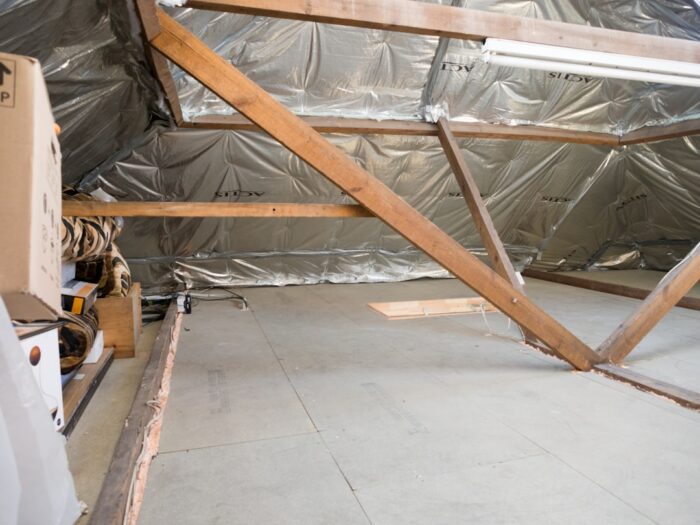
Proper insulation can help eliminate these issues. When this space maintains a stable buffer between the roof and living areas, the HVAC system can distribute conditioned air evenly. Rooms remain pleasant without constant thermostat adjustments. The difference becomes noticeable during extreme weather when a well-designed system shields the home from outdoor fluctuations.
Core Elements of a Sustainable Attic System
Three elements create a high-performance attic system. Insulation, air sealing and ventilation work together to address comfort and energy issues.
1. Sustainable Insulation Materials
R-value measures a material's capacity to resist heat flow, also called thermal resistance. A higher R-value means greater performance, keeping interior spaces stable by slowing down heat transfer. Different regions require different R-values based on local extremes and seasonal variation.
The recommended insulation level for most attics is R-38. This benchmark provides effective thermal resistance in a wide range of zones. Homes in regions with severe winters or intense summers may benefit from higher R-values to offset the effects of extreme conditions.
Many sustainable materials meet or exceed these performance standards. Options include cellulose made from recycled paper products treated with fire retardants, mineral wool that resists moisture and fire while offering excellent thermal and acoustic properties, and spray foam that creates an airtight seal addressing both heat loss and leakage in a single application. Each brings distinct advantages, and selection depends on budget, regional demands and installation requirements.
2. Strategic Air Sealing
Insulation performs best when leakage is controlled. Even high R-value materials lose effectiveness when drafts move freely through gaps, cracks and unsealed penetrations. Sealing prevents energy loss through these vulnerable points.
Common leakage sites include gaps around recessed lighting fixtures, plumbing vents, electrical wiring penetrations and the seams where walls meet the floor. Caulk, spray foam or weatherstripping creates a continuous barrier that keeps conditioned environments inside living spaces. Air sealing should happen before or during insulation installation to maximize effectiveness.
Homeowners can identify hidden leaks by observing dust accumulation patterns or feeling for drafts on windy days. The improvement in energy efficiency often surprises homeowners who assumed insulation alone would solve their problems.
Effective sealing also helps prevent moisture problems from developing in this space. When warm, humid conditions from living areas leak into a cold attic, condensation forms on cool surfaces. Over time, this moisture can damage materials, encourage mold growth and rot structural components. A properly sealed system blocks this migration and protects both the home and its occupants.
3. Efficient Climate Ventilation
Proper ventilation works with insulation to manage heat and moisture. Passive systems use ridge vents, soffit vents and gable vents to create natural airflow that removes excess buildup. Active approaches use powered fans or whole-house units to increase airflow during peak heat periods.
Advanced hybrid systems combine passive and mechanical elements for optimal performance. Studies show a hybrid approach can improve thermal comfort by reducing the temperature indoors by 1° Celsius and relative humidity by 7%. These improvements translate to reduced cooling costs and a more pleasant living environment.
Strategy depends on regional conditions, roof design and insulation type. Increased airflow benefits hot regions by expelling trapped heat before it radiates into living spaces, while cold regions require a balanced approach that removes moisture without wasting heating energy.
Balanced intake and exhaust ventilation help prevent pressure differences that can draw conditioned air from living spaces. The right ventilation strategy also protects the roof structure and extends its lifespan by preventing moisture damage. A professional assessment can determine situation-specific solutions.
The Long-Term Value of an Energy-Efficient Attic
Investing in sustainable attic design offers benefits that go beyond immediate energy savings. These upgrades help reduce maintenance costs and shield against rising energy prices. A properly insulated and ventilated space protects the home's structural integrity, enhances its resale value and supports environmental stewardship. The comfort improvements homeowners experience today can build the foundation for long-term performance and peace of mind.