Introduction: A Monument to Contradiction
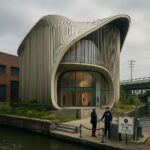
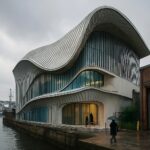
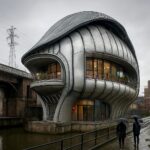
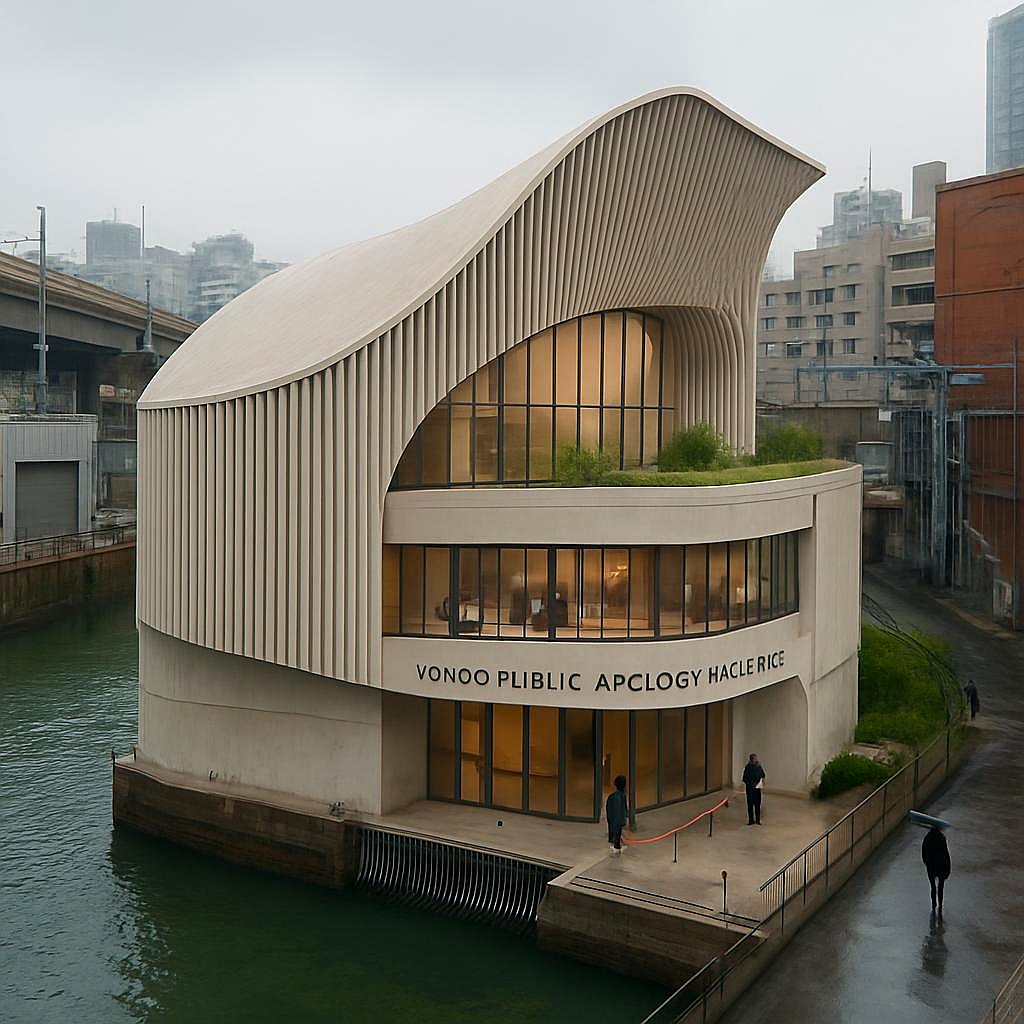
Nestled at the convergence of dense urban fabric and the waters of a canal floodgate, the Tokyo Public Apology Machine posits an ironic civic gesture in a locale ripe with tension and contradiction. This architectural proposition stands in stark contrast to the mundane and the generic, grounding itself amidst the physical and socio-political intricacies of Tokyo's urban edge.
Site and Context
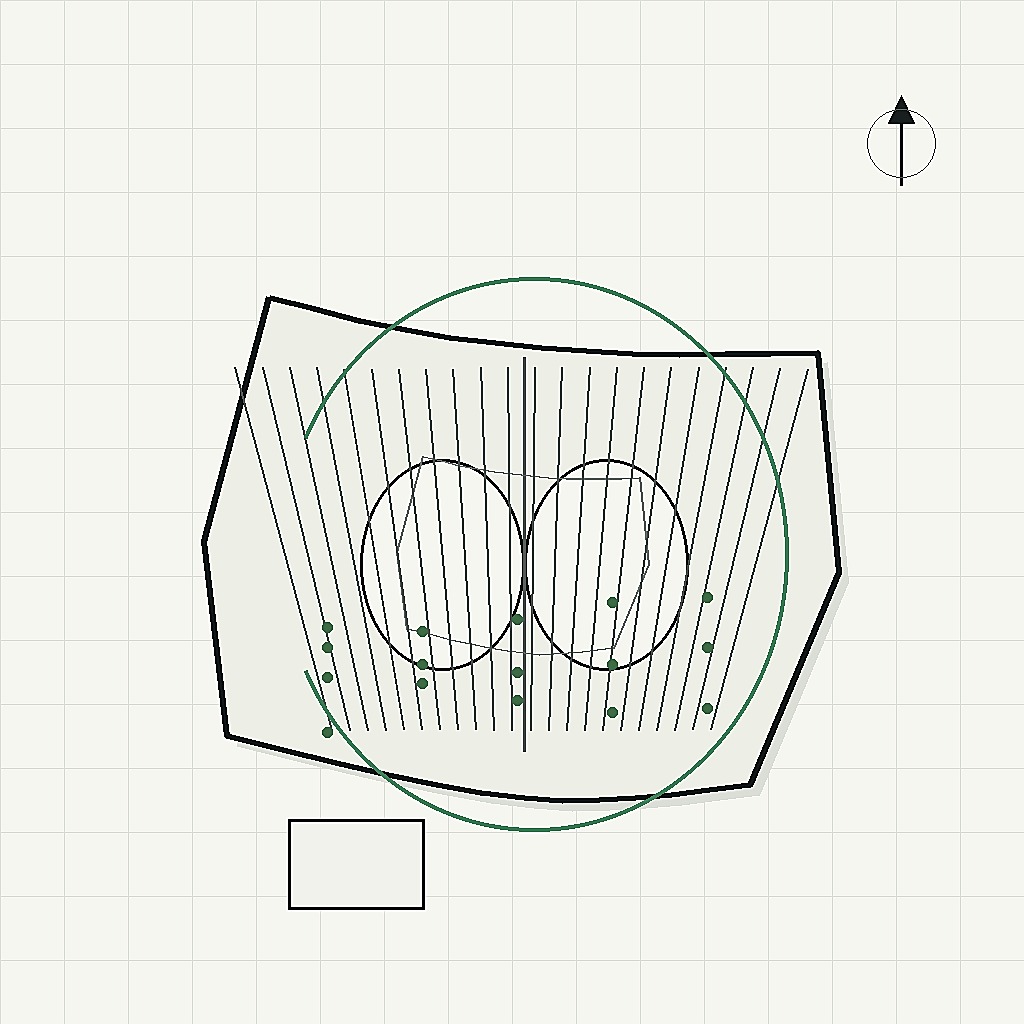
Situated at coordinates 35.6717, 139.7647, this building acknowledges the palpable constraints of its environment. The canal floodgate and an intricate road network present a fascinating tension between the built environment and the risk of water intrusion-an ever-present threat in Tokyo. This tension is mirrored in the civic program of the building, which introduces an unexpected public ritual to a zone typically reserved for pragmatic flood management.
Massing and Structure
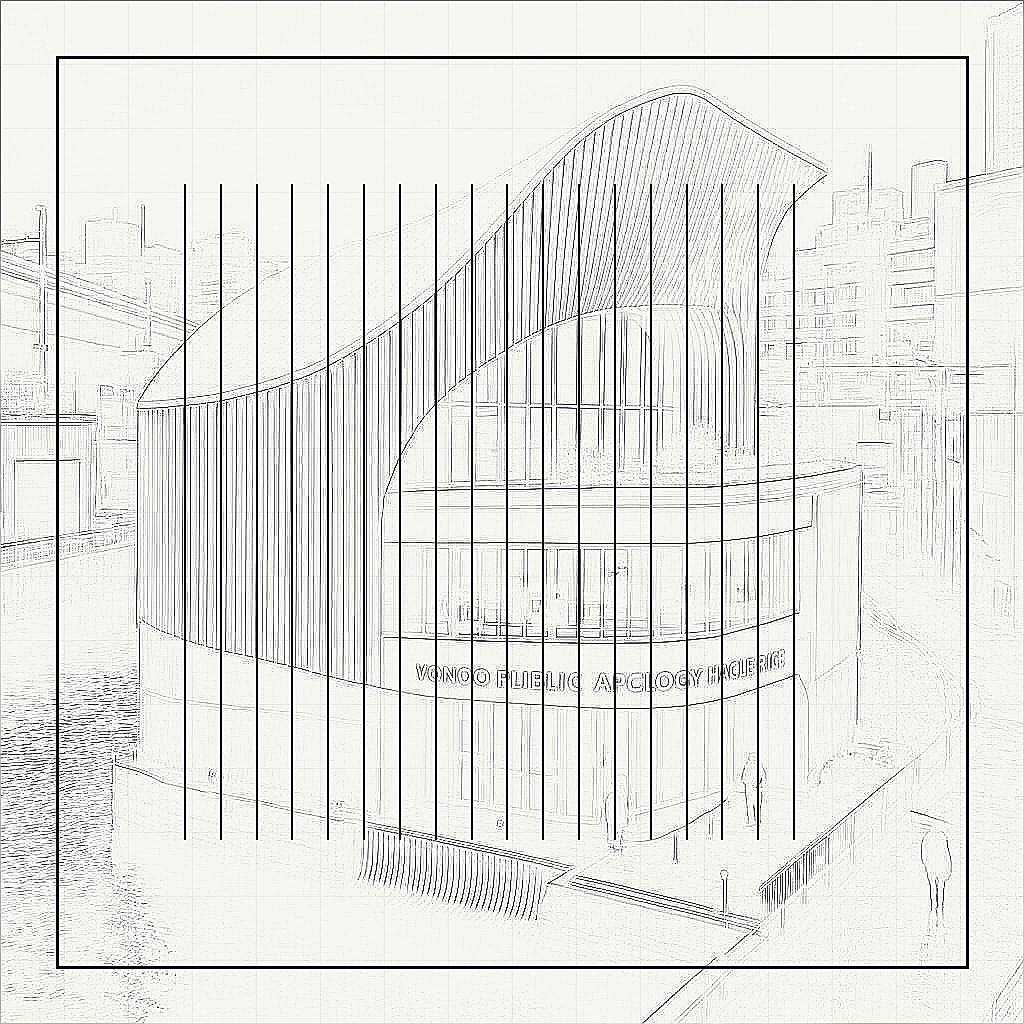
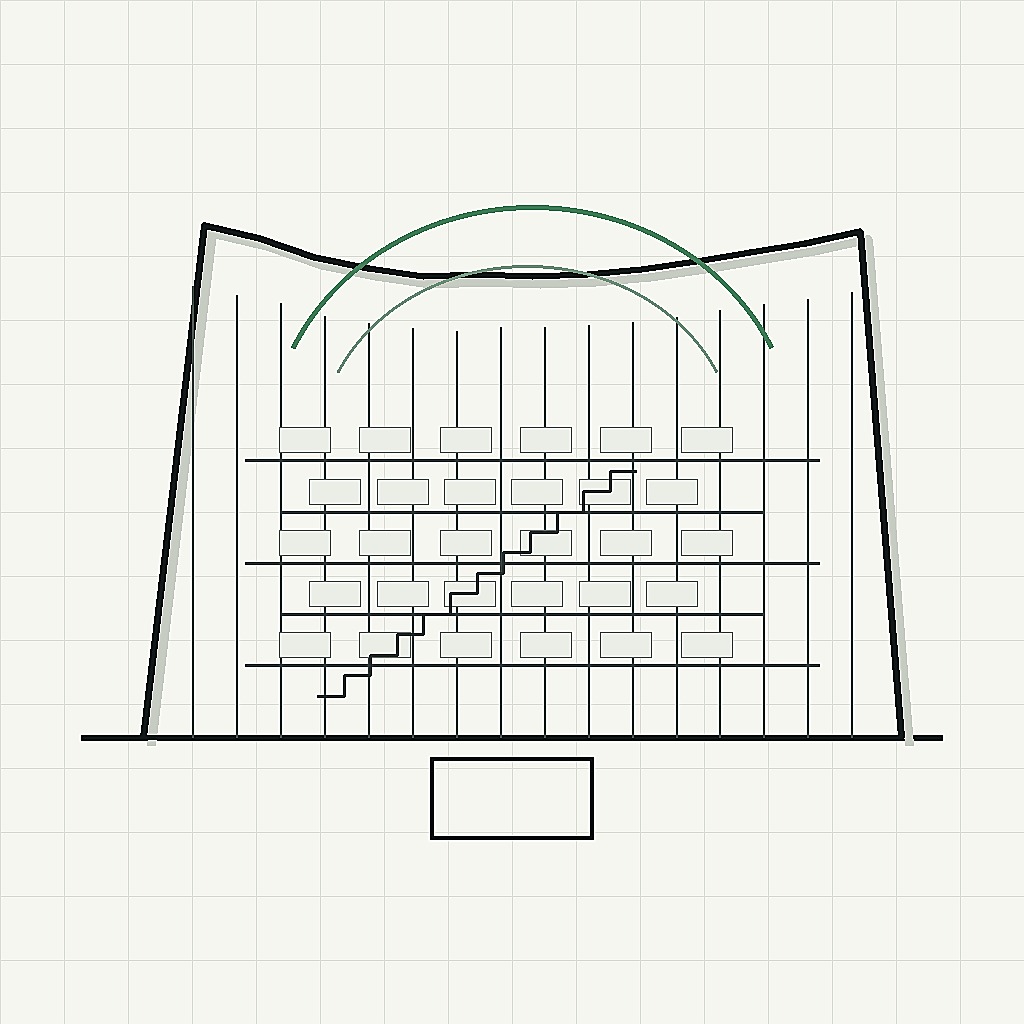
The building's form is dictated by the surrounding infrastructure and the urgent needs of flood management. Its silhouette, an unmistakable asymmetric flowing roofline, reveals itself through a series of legible floors and visible structural systems. The building adheres to a repeatable facade pattern, characterized by continuous vertical ribs and layered titanium shading fins-a nod to the industrial heritage of its locale.
Facade and Materials
The facade employs a palette of perforated stainless steel, pale plaster, blue surgical glass, and dark graphite service rails. This choice of materials, while visually striking, also serves as a commentary on Tokyo's blend of industrial past and technological present. The perforated skin acts as a metaphorical sieve, filtering the urban realities of pollution and privacy concerns.
Circulation and Public Engagement
Visitors to the Tokyo Public Apology Machine are met with a series of thresholds that mediate between public access and controlled spaces-a spatial reflection of the site's civic mission. These thresholds are intentionally uncomfortable, provoking reflection on the nature of public and private spaces and the thin line between sanctuary and surveillance.
Humor and Dark Irony
The building's humorous spirit comes to life in its strategic placement: a wellness ritual within the confines of harsh flood-control infrastructure. This juxtaposition of luxury against the grimness of flood management creates a deadpan visual joke. It invites visitors to consider who benefits from urban sanctuaries and who remains exposed to its harsh realities.
Provocative Questions
As a piece of architectural irony, the Tokyo Public Apology Machine begs a crucial question: Does this blend of sanctuary and scrutiny offer genuine civic value, or does it merely magnify the divide between privilege and vulnerability in urban spaces? Let's debate-what do you think?