As a gardening enthusiast, I was captivated the first time I saw Astilbes in bloom. Their stunning plume-like flowers and lush foliage create a vibrant scene in any garden, especially in shaded areas. This guide is my personal insight into how to successfully plant and care for Astilbes, ensuring they thrive in your landscape.
Introduction to Astilbes
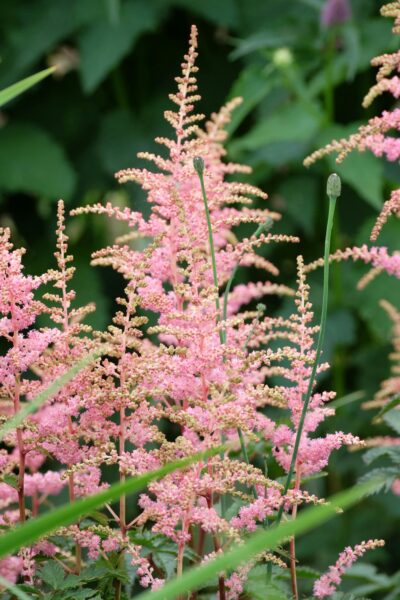
Astilbes, commonly known as False Spiraea, are perennial flowers that flourish in rich, moist soil and partial to full shade. They bloom in a variety of colors, including pink, red, and white, providing stunning bursts of color throughout the growing season. If you're looking for plants that add texture and color to a shaded garden, Astilbes are an excellent choice.
Growing Conditions for Astilbes
Astilbes thrive best in specific growing conditions. They prefer soil that is consistently moist, enriched with organic matter, and well-drained. Here’s what to keep in mind:
- Light: Astilbes do well in partial shade; too much direct sunlight can scorch their leaves.
- Soil: Use loamy, rich soil with good drainage for optimal growth.
- Water: Regular watering is crucial, especially during dry spells.
Planting Astilbes
When it comes to planting Astilbes, timing and technique are key. Consider the following steps:
| Step | Action |
|---|---|
| 1 | Choose a planting location with dappled sunlight. |
| 2 | Prepare the soil by adding compost or well-rotted manure. |
| 3 | Dig holes approximately 12-24 inches apart, depending on the variety. |
| 4 | Place the root ball in the hole, cover it with soil, and water thoroughly. |

Caring for Astilbes
After planting, the care doesn't stop. Regular maintenance is essential for keeping your Astilbes healthy and vibrant. Here are some tips:

Make sure to:
- Fertilize in early spring using a balanced fertilizer.
- Mulch around the base to retain moisture and suppress weeds.
- Deadhead spent flowers to encourage new blooms and prolonged flowering.
Conclusion
Astilbes are not just beautiful; they also add a sense of elegance and sophistication to any garden. Their ability to thrive in shaded areas makes them a perfect choice for garden enthusiasts looking to enhance their landscapes. For more information on gardening and planting, check out Companion plants for hostas, learn about Deer-resistant flowers, and see how you can benefit from Landscaping peony bush.