
How To Build A Deck: Complete How To Build A Deck Guide
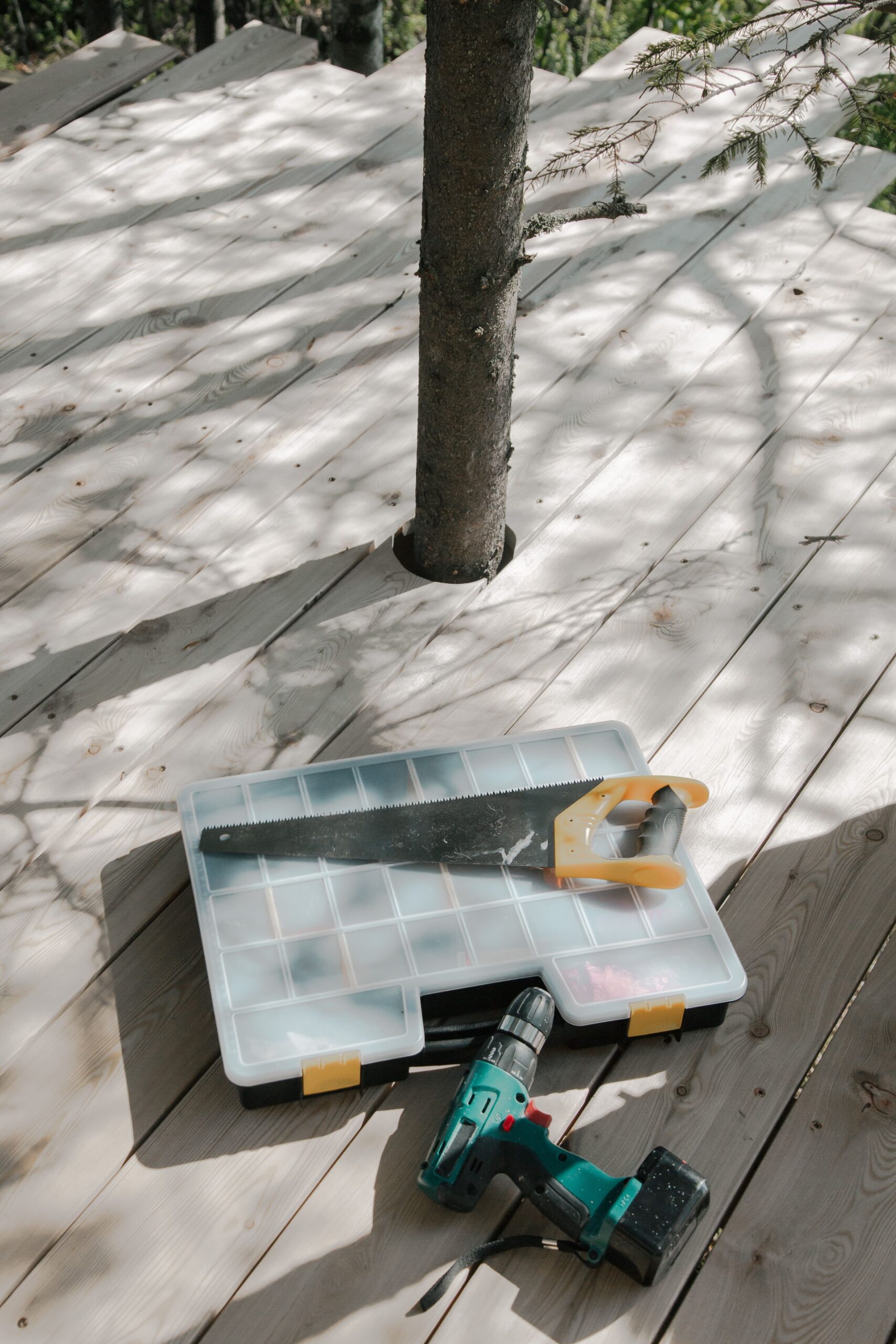
Creating a beautiful deck can elevate your home's outdoor living space, providing a perfect spot for entertaining, relaxing, or enjoying nature. This guide will walk you through the essential steps of how to build a deck, focusing on practical techniques, material choices, and styling ideas. Whether you're a first-time builder or looking to improve your skills, you'll find expert advice that's easy to follow and implement.
What Is How To Build A Deck?
A well-built deck not only adds curb appeal but also extends your living area into the outdoors. The process involves planning, selecting materials, preparing the site, constructing the frame, installing decking boards, and finishing with railings and accessories. Key to success is using quality materials and tools, precise measurements, and safety precautions. This guide breaks down each phase with clear instructions and useful tips to ensure your deck is safe, attractive, and built to last.
⚠️ Safety First
- Wear safety glasses and gloves when cutting and handling materials.
- Ensure power tools have safety guards and are used correctly.
- Keep children and pets away from the worksite.
- Follow local building codes to guarantee structural safety.
- Lift heavy materials with proper technique to avoid injury.
🛠 What You'll Need for How To Build A Deck
Materials
- Pressure-treated lumber — durable, rot-resistant framing material
- Composite decking boards — low-maintenance, weather-resistant surface
- Galvanized screws and fasteners — prevent rust and ensure structural integrity
- Concrete mix — anchors for deck posts
- Deck post anchors — secure posts to concrete footings
- Joist hangers — support joists and enhance stability
- Wood sealer or stain — protects wood and enhances appearance
Tools
- Power drill — for drilling holes and driving screws
- Circular saw — precise cutting of boards and lumber
- Measuring tape — accurate measurements for cuts and spacing
- Level — ensures deck is flat and even
- Post hole digger — for digging footings
- Hammer — general assembly and adjustments
- Speed square — for marking straight cuts and angles
- Safety glasses and gloves — personal protection during construction
Step-by-Step Instructions
Step 1Plan and Design Your Deck⏱ ~60 min
Measure your yard and decide on the deck size; a common size is 12 feet by 16 feet. Sketch your design including stairs and railings. Check local building codes and obtain necessary permits before starting.
💡 Pro Tip: Use graph paper or digital tools to visualize your deck layout accurately.
Step 2Prepare the Site and Lay Footings⏱ ~90 min
Clear the area of debris and level the ground. Use a post hole digger to dig holes at least 24 inches deep for footings, spaced 6 to 8 feet apart. Pour concrete into holes and insert post anchors while wet. Allow to cure for 24-48 hours.
💡 Pro Tip: Check footing depth requirements based on frost line in your region.
Step 3Build the Frame⏱ ~90 min
Attach 4x4 posts to the concrete footings using anchors. Construct the perimeter frame with 2x8 pressure-treated lumber, securing corners with galvanized screws. Install joists inside the frame spaced 16 inches on center using joist hangers.
💡 Pro Tip: Use a level frequently to ensure the frame is even and square.
Step 4Install Decking Boards⏱ ~120 min
Lay composite or wood decking boards perpendicular to joists, leaving a 1/8-inch gap for drainage. Secure boards with galvanized screws, countersinking them slightly for a clean finish. Trim excess board length with a circular saw.
💡 Pro Tip: Rotate boards to find the best grain and color pattern for a polished look.
Step 5Add Railings and Stairs⏱ ~90 min
Install posts for railings at corners and intervals no greater than 6 feet. Attach railing panels or balusters according to your design. Build stairs with stringers spaced 16 inches apart, adding treads cut to 12 inches depth.
💡 Pro Tip: Double-check local code requirements for railing height and stair dimensions.
Step 6Apply Finish and Style Your Deck⏱ ~60 min
Seal or stain wood decking to protect from weathering, or clean composite decking as needed. Add furniture, planters, and lighting to personalize your space and maximize comfort.
💡 Pro Tip: Choose finishes that complement your home’s exterior and outdoor decor.
💡 Pro Tips & Expert Advice
- Always pre-drill holes to prevent wood splitting.
- Use hidden fasteners for a cleaner decking surface.
- Consider composite decking for lower maintenance and longer lifespan.
- Check weather forecast and avoid building during rain.
- Label all cut pieces to stay organized during assembly.
Frequently Asked Questions
- How long does it take to build a deck?
- Typically, a DIY deck takes between 2 to 3 days of active work, but allowing for curing and finishing, plan for about a week.
- What is the best material for decking?
- Pressure-treated wood is affordable and strong, while composite decking offers low maintenance and durability.
- Do I need a permit to build a deck?
- Most local jurisdictions require permits for decks over a certain size or height. Check with your local building department.
- How do I maintain my deck?
- Clean regularly, reseal wood decks every 2-3 years, and inspect for loose boards or fasteners.
- Can I build a deck myself without experience?
- Yes, with careful planning, the right tools, and following step-by-step instructions, many homeowners successfully build their own decks.
Building your own deck is a rewarding project that enhances your home's outdoor living space. By following this guide and paying attention to materials, measurements, and safety, you can create a beautiful, functional deck that lasts for years. Use your new outdoor area to relax, entertain, and add value to your property while enjoying the satisfaction of a job well done.
Ready to get started?
Get a free quote from local professionals in your area.
Design Deep Dives & Resources
Use these references to go deeper on layouts, materials, lighting, safety, and maintenance decisions that matter for this style.
Research-Backed Planning Notes
- Deck and cover details need code awareness: AWC DCA 6 provides prescriptive residential wood deck guidance based on the International Residential Code, but local officials decide what applies. Treat posts, ledgers, guards, fasteners, roof attachments, and concentrated loads as permit-and-pro territory, not styling details. Source: American Wood Council
- Outdoor lighting should have a job: DOE frames outdoor residential lighting around aesthetics, security, and utility, with controls and shielding to reduce waste and glare. Layer low path lights, focused task lights, and shielded accent lights instead of flooding the entire patio with one harsh fixture. Source: U.S. Department of Energy
- A good landscape behaves like connected rooms: USU Extension compares landscapes to outdoor rooms with different uses, volumes, circulation paths, and water needs. Use the cover, furniture layout, pavers, screens, and planting edges to define a room rather than scattering decor around the slab. Source: Utah State University Extension
- Wood performance is about moisture and detailing: The USDA Wood Handbook covers wood moisture, durability, fastenings, preservation, finishing, and material behavior for architects and engineers. Specify exterior-rated materials, drainage gaps, sealed end grain, and maintainable finishes before relying on a pretty stain sample. Source: USDA Forest Products Laboratory
On Architecture Adrenaline
- Deck Building Cost Louisville: Read the full guide
- Deck Building Cost Portland: Read the full guide
- Deck Building Cost Tampa: Read the full guide
- How To Caulk A Bathtub: Read the full guide
Authoritative Planning References
- American Wood Council DCA 6 Deck Construction Guide - Useful for deck framing, ledger, fastener, guard, and wet-service context when a patio or cover connects to wood structure.
- International Code Council I-Codes - Use this as a starting point for code families, then verify the code edition adopted by the local building department.
- USDA Forest Products Laboratory Wood Handbook - Technical background on wood species, moisture movement, durability, fasteners, finishes, and preservation.
- DOE Energy Saver Lighting Design - Practical guidance for efficient indoor and outdoor lighting layers, controls, glare reduction, and fixture placement.
- University of Minnesota Extension Landscape Design - Extension guidance on site conditions, plant selection, maintenance, function, cost-effectiveness, and visual appeal.
External Inspiration
Editor-Selected Amazon Finds
Use these shopping starting points to compare dimensions, weather ratings, and reviews before buying.
Weatherproof patio furniture cover
Protects cushions and frames so the setup survives wind-driven rain.
Outdoor side table or serving cart
Adds function without crowding a compact seating zone.
Outdoor-rated area rug
Helps define the room visually while keeping maintenance realistic.
Extra Visual Inspiration
