Inflatable Municipal Appliance: A Civic Paradox
The Tokyo Emergency Blanket Casino, perched on the crowded edges of Tokyo's canal floodgate, proposes a civic intervention that is both unsettling and engaging. This mixed-use cultural center is not merely an architectural concept; it is a dialogue on the boundary between public hospitality and infrastructural control. The structure's inflatable municipal appliance massing and unusual material palette invite debate around its function and symbolism within the urban fabric.
Materiality and Structure: Intentional Juxtaposition
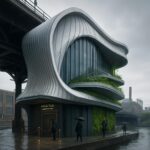
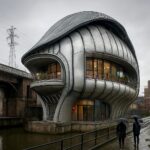
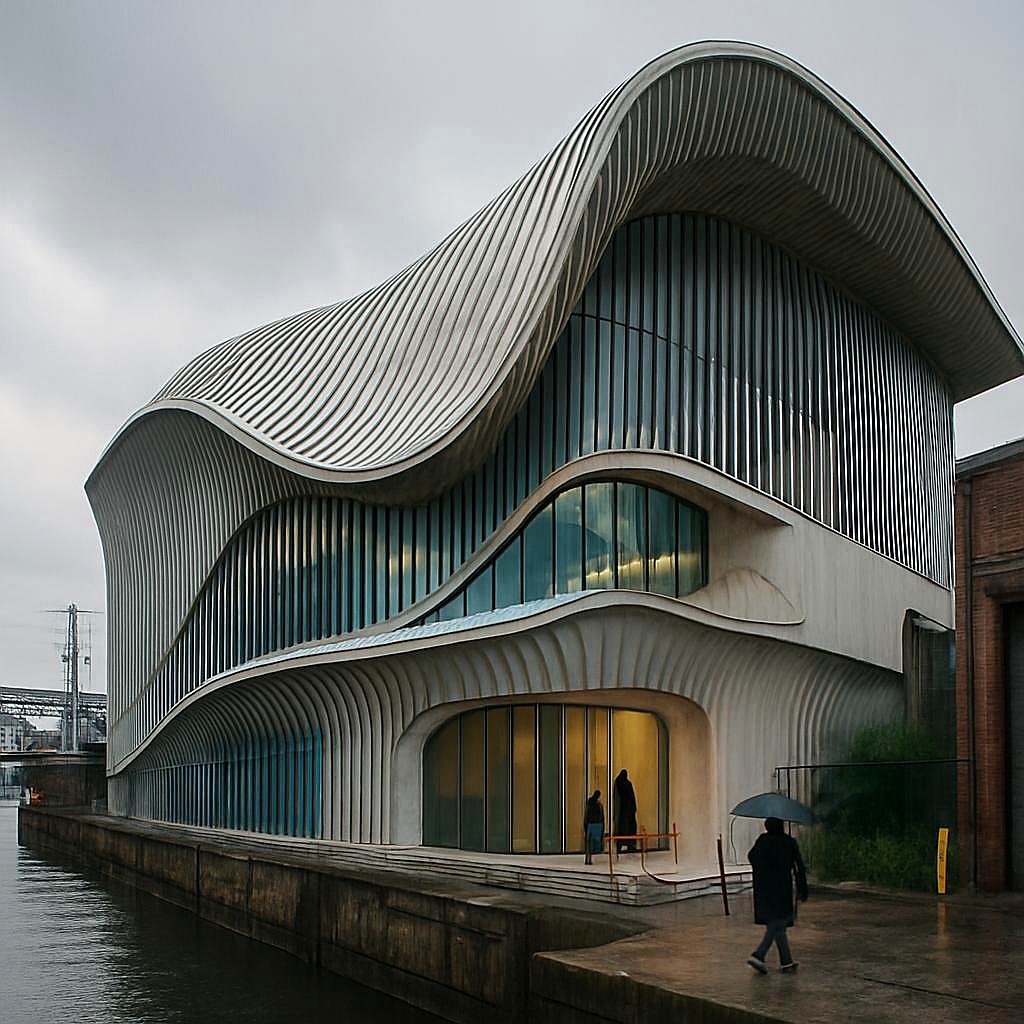
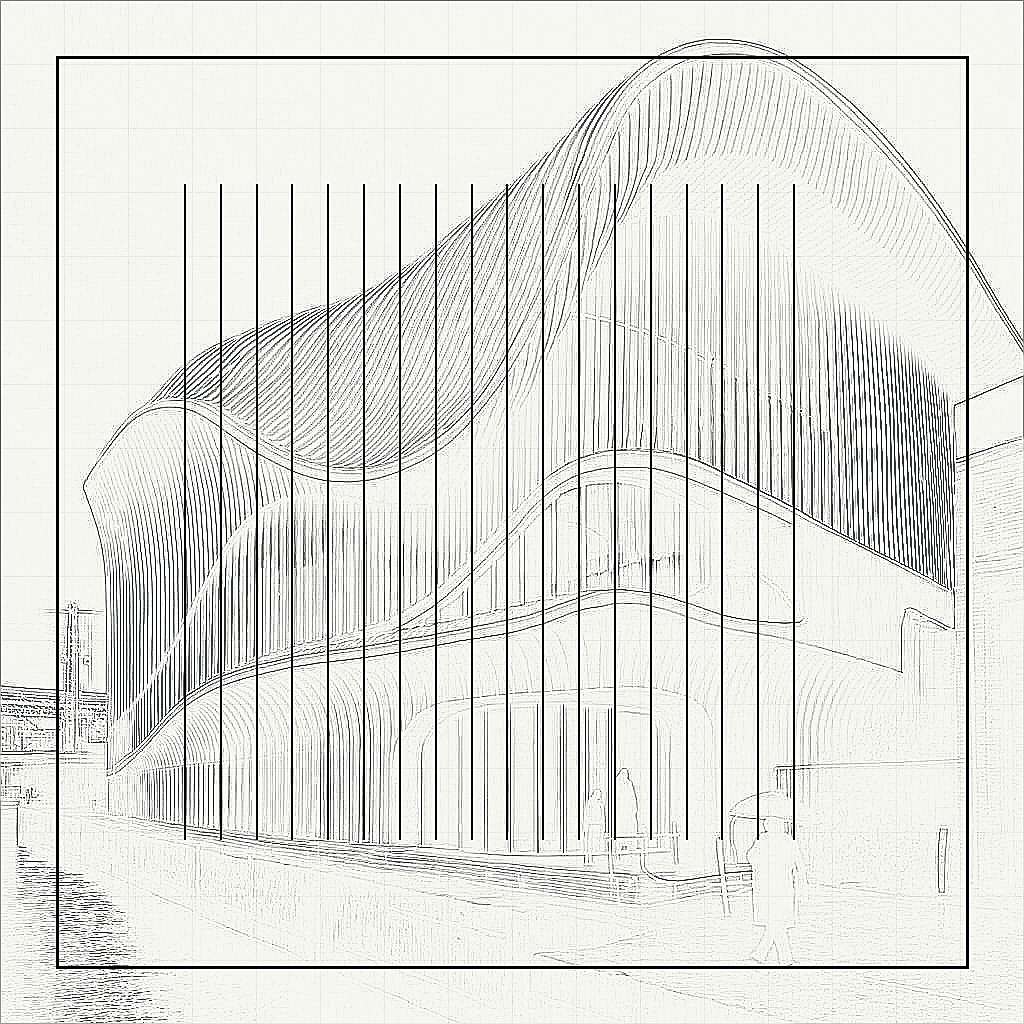
The building's most striking feature is its asymmetric flowing roofline, a silhouette immediately recognizable against the dense urban backdrop of Tokyo. Utilizing a palette that includes perforated stainless steel, pale plaster, blue surgical glass, and dark graphite service rails, the facade presents a complex textural interplay. The continuous ribbed facade bands reveal legible floors and entries, asserting a human scale amidst an alien form.
Facade and Function: Layers of Meaning
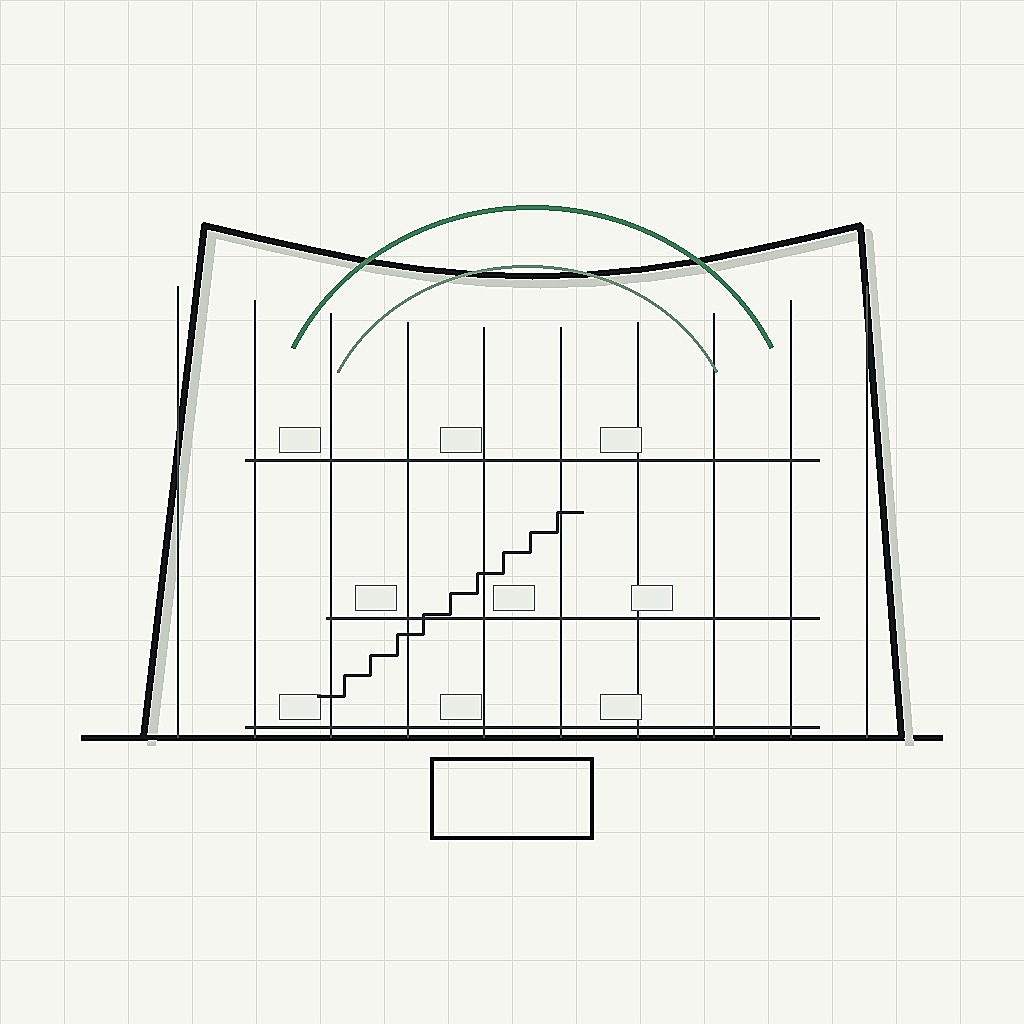
The facade's rhythm is characterized by vertical ribs, curved glazing bays, and titanium shading fins, suggesting a layered approach to both form and function. This stratification is not merely aesthetic; it integrates passive shading, daylighting, and planted terraces to promote sustainability. The high-performance glazing further contributes to environmental efficiency while offering views outwards to Tokyo's urban and natural landscapes.
Site and Circulation: Contextual Integration
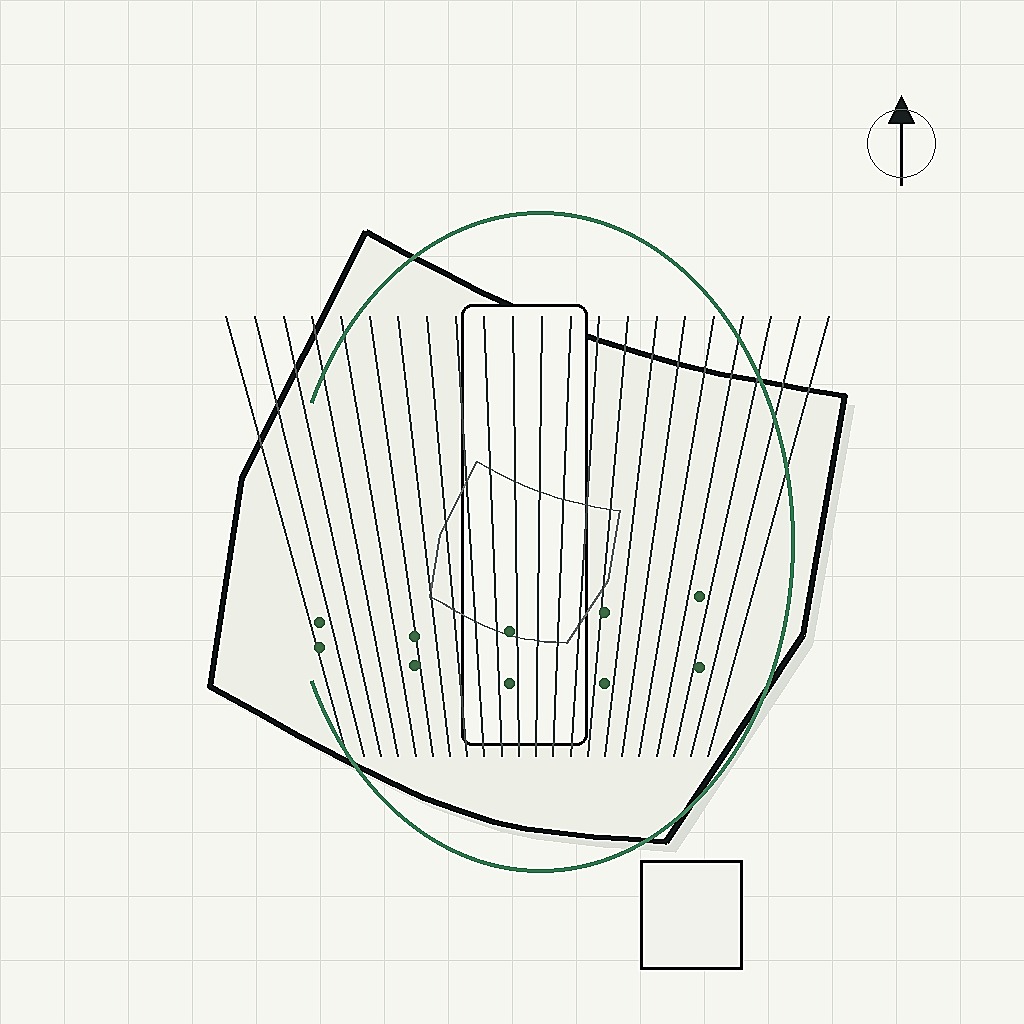
Anchored to its location within a dense urban grid interspersed with industrial lots and transport infrastructure, the Tokyo Emergency Blanket Casino respects existing alignments while challenging spatial norms. The proximity to water features and respect for existing road and rail geometries shape its plan, creating a structure that appears as much a part of its environment as a departure from it.
Social Commentary: An Architectural Punchline
The design introduces an ironic mechanism: a seeming luxury amenity, the public casino, set against the harsh realities of municipal infrastructure. This juxtaposition becomes an architectural punchline-a spa-like sanctuary located within a flood-control edge, where patrons queue for a civic ritual under the watchful gaze of industrial machinery. Here, the building becomes a stage for public debate over issues of access, privilege, and environmental responsibility.
Local Anchors and Conflict
The casino's existence in Tokyo's urban edge engages with hyperlocal specifics-canal flood risks, luxury privatization of waterfronts, and the adaptive reuse of obsolete infrastructure. These elements ensure it transcends the generic, rooting the project in a palpable context of potential local conflict.
Final Query: Who is Truly Welcome?
At its core, the Tokyo Emergency Blanket Casino begs the question: Can a space that promises refuge and leisure within an infrastructural shell truly serve the public, or does it perpetuate exclusivity under the guise of civic engagement?