When it comes to pest control in rental properties, the question of who is responsible - the landlord or the tenant - is crucial. Understanding the laws and agreements around pest control is essential for a harmonious living environment.
Pest Control Responsibilities in Rental Properties: A Comprehensive Guide
In the realm of rental properties, the issue of pest control responsibilities often sparks confusion and debate between landlords and tenants. Understanding who holds the responsibility for managing pests is crucial for maintaining a safe and habitable living environment. Let's delve into the key ideas and information surrounding pest control in rental properties.

Responsibility Laws Vary Across States
Pest control responsibility laws vary significantly from state to state. In almost every state, landlords are obligated to uphold a certain standard of livability in their properties. Tenants, on the other hand, are usually accountable for pests that arise due to their actions.
Clear Lease Agreements are Essential
Reviewing the lease agreement meticulously with the guidance of a lawyer or real estate agent is vital to avoid misunderstandings. The lease typically specifies which pests are covered and which are not. It's imperative for tenants to not only adhere to the terms of the lease but also promptly report any existing pest issues.
Landlord vs. Tenant Responsibilities
In Arizona, landlords usually take the reins when it comes to pest control in rental properties. They are responsible for combatting pests like mice, rats, and termites that may pose health or safety risks. Regular pest control procedures are often conducted to prevent infestations and maintain a pest-free environment.
Tenant Cooperation is Key
Tenants play a crucial role in pest prevention by maintaining cleanliness in their living spaces. Prompt reporting of any signs of pests to the landlord is essential to nip potential infestations in the bud. Cooperation between landlords and tenants is paramount for successful pest control endeavors.
The Importance of Communication and Collaboration
It's imperative for landlords and tenants to communicate effectively about pest control responsibilities before signing the lease agreement. Including a pest control clause in the agreement can help clarify each party's obligations and ensure prompt action in case of an infestation.

Understanding the Landlord's Role
Landlords are generally tasked with conducting preventive measures, addressing infestations promptly, and maintaining the structural integrity of the property. Failure to provide adequate pest control can lead to property value loss, fines, and even legal repercussions.
Tenant Compliance and Awareness
Tenants must maintain suitable sanitary conditions on the premises, report damages that could facilitate pest entry, and promptly notify the landlord of any pest sightings. In cases of bed bug infestations, responsibilities for covering pest control costs may vary based on the circumstances.
Conclusion
In the realm of pest control in rental properties, a clear delineation of responsibilities between landlords and tenants is crucial. By fostering open communication, cooperation, and proactive pest prevention measures, both parties can contribute to creating a comfortable and pest-free living environment in rental properties.
BUG-A-SALT Yellow 3.0 - Fun and Effective Pest Control Gun
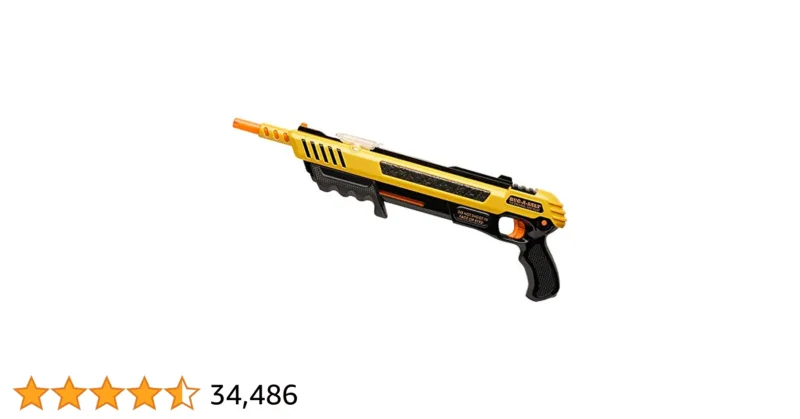
Experience the thrill of pest control with the BUG-A-SALT Yellow 3.0! This powerful fly hunter is tailored for serious users, offering classic looks and enhanced power. Perfect for outdoor use, this weapon will make getting rid of pests a fun activity. Get yours today and enjoy a more effective way of handling unwanted insects!
In Arizona, the responsibility for pest control can vary depending on the specific rental agreement. Landlords are typically responsible for providing a residence that is free from pests at the time of move-in. However, the tenant is usually responsible for maintaining a pest-free environment during their lease term.
In Michigan, the responsibility for pest control is usually outlined in the lease agreement between the landlord and tenant. Landlords are commonly responsible for taking care of pest infestations that are not caused by the tenant's actions, such as building maintenance issues. Tenants, on the other hand, are typically responsible for keeping the rental unit clean and preventing pest problems.
The responsibility for pest control in Ohio is often determined by the lease agreement. Landlords in Ohio are generally responsible for addressing pest infestations that are not due to the tenant's actions. Tenants are usually responsible for keeping the rental unit clean and preventing pest problems.
In Minnesota, the responsibility for pest control can vary depending on the specific lease agreement. Landlords are typically required to provide a pest-free living environment at the time of move-in. Tenants, on the other hand, are responsible for maintaining a clean rental unit and preventing pest infestations.
The responsibility for pest control in Pennsylvania is usually outlined in the lease agreement between the landlord and tenant. Landlords are commonly responsible for addressing pest infestations that are not caused by the tenant's actions. Tenants are typically responsible for maintaining a clean living environment and preventing pest problems.
In Massachusetts, the responsibility for pest control is typically determined by the lease agreement. Landlords are usually responsible for ensuring that the rental unit is free from pests at the time of move-in. Tenants, on the other hand, are responsible for keeping the unit clean and preventing pest infestations.

The responsibility for pest control in New York State can vary depending on the specific rental agreement. Landlords are generally responsible for addressing pest infestations that are not caused by the
In conclusion, ensuring effective pest control in rental properties requires a clear understanding of the responsibilities of both landlords and tenants. Remember to stay informed and communicate openly to create a comfortable and pest-free living space. Learn more tips and tricks on Pinterest and Instagram.
{"@context":"https://schema.org","@type":"BlogPosting","headline":"Who Is Responsible for Pest Control? The Landlord or Tenant?","url":"https://www.architectureadrenaline.com/who-is-responsible-for-pest-control-the-landlord-or-tenant/","datePublished":"2025-05-13T13:37:58-07:00","dateModified":"2026-05-15T18:08:35-07:00","author":{"@type":"Person","name":"Matt Thompson","sameAs":["https://www.linkedin.com/in/architectureadrenaline/","https://twitter.com/archiadrenaline"]},"image":{"@type":"ImageObject","url":"https://www.architectureadrenaline.com/wp-content/uploads/2025/04/control-scaled.webp","width":1200,"height":630},"publisher":{"@type":"Organization","name":"Architecture Adrenaline","logo":{"@type":"ImageObject","url":"https://architectureadrenaline.com/wp-content/uploads/logo.png"}},"breadcrumb":{"@type":"BreadcrumbList","itemListElement":[{"@type":"ListItem","position":1,"name":"Home","item":"https://architectureadrenaline.com/"},{"@type":"ListItem","position":2,"name":"Who Is Responsible for Pest Control? The Landlord or Tenant?","item":"https://www.architectureadrenaline.com/who-is-responsible-for-pest-control-the-landlord-or-tenant/"}]},"mainEntityOfPage":{"@type":"WebPage","@id":"https://www.architectureadrenaline.com/who-is-responsible-for-pest-control-the-landlord-or-tenant/"}}
{"@context":"https://schema.org","@type":"FAQPage","mainEntity":[{"@type":"Question","name":"Who is responsible for pest control in Arizona?","acceptedAnswer":{"@type":"Answer","text":"In Arizona, the responsibility for pest control can vary depending on the specific rental agreement. Landlords are typically responsible for providing a residence that is free from pests at the time of move-in. However, the tenant is usually responsible for maintaining a pest-free environment during their lease term."}},{"@type":"Question","name":"Who is responsible for pest control in Michigan?","acceptedAnswer":{"@type":"Answer","text":"In Michigan, the responsibility for pest control is usually outlined in the lease agreement between the landlord and tenant. Landlords are commonly responsible for taking care of pest infestations that are not caused by the tenant's actions, such as building maintenance issues. Tenants, on the other hand, are typically responsible for keeping the rental unit clean and preventing pest problems."}},{"@type":"Question","name":"Who is responsible for pest control in Ohio?","acceptedAnswer":{"@type":"Answer","text":"The responsibility for pest control in Ohio is often determined by the lease agreement. Landlords in Ohio are generally responsible for addressing pest infestations that are not due to the tenant's actions. Tenants are usually responsible for keeping the rental unit clean and preventing pest problems."}},{"@type":"Question","name":"Who is responsible for pest control in Minnesota?","acceptedAnswer":{"@type":"Answer","text":"In Minnesota, the responsibility for pest control can vary depending on the specific lease agreement. Landlords are typically required to provide a pest-free living environment at the time of move-in. Tenants, on the other hand, are responsible for maintaining a clean rental unit and preventing pest infestations."}},{"@type":"Question","name":"Who is responsible for pest control in Pennsylvania?","acceptedAnswer":{"@type":"Answer","text":"The responsibility for pest control in Pennsylvania is usually outlined in the lease agreement between the landlord and tenant. Landlords are commonly responsible for addressing pest infestations that are not caused by the tenant's actions. Tenants are typically responsible for maintaining a clean living environment and preventing pest problems."}},{"@type":"Question","name":"Who is responsible for pest control in Massachusetts?","acceptedAnswer":{"@type":"Answer","text":"In Massachusetts, the responsibility for pest control is typically determined by the lease agreement. Landlords are usually responsible for ensuring that the rental unit is free from pests at the time of move-in. Tenants, on the other hand, are responsible for keeping the unit clean and preventing pest infestations."}}]}


Immerse yourself in architecture’s most boundary-pushing ideas—where innovative home improvements meet visionary urban developments. Discover new building techniques, materials, and creative concepts that are redefining how we shape our spaces on a global scale.


