Top construction projects happening right now are redefining transportation, urban development, and infrastructure worldwide, with marquee programs like the California High-Speed Rail and Jubail II illustrating how public investment and private-sector collaboration shape regional growth. This overview highlights ongoing megaprojects alongside practical trends in residential and commercial construction, offering concrete context on where work is progressing, who’s coordinating it, and why it matters for readers tracking current and near-future developments. Learn more about ongoing infrastructure programs and how they influence design and procurement decisions.
| Focus Area | Representative Projects |
|---|---|
| Large-Scale Infrastructure & Urban Development | California High-Speed Rail (San Diego to Sacramento); Jubail II expansion; Nusantara (new Indonesian capital) |
| Mass Timber, Modular, and Data-Centric Building | Mass timber and pre-engineered metal buildings; modular office and data-center campuses |
| Water, Coastal, and Green Infrastructure | South-North Water Transfer Project (China); King Abdullah Economic City coastal developments |
Top projects are characterized by long timelines, high public significance, and intricate coordination across agencies and contractors. Transit expansions, port and airport capacity upgrades, and mass timber or modular programs are shifting schedules and occupancy timelines. Design-build and BIM-enabled workflows are increasingly standard, enabling tighter integration of architecture, structure, and MEP from early planning through field execution. For readers tracking policy and implementation, see how state and municipal dashboards reflect these dynamics, including active statewide and city-level programs such as the Colorado Department of Transportation active construction projects and City of Knoxville Capital Improvements Projects.
The following projects illustrate the scale and strategic intent shaping regions today:
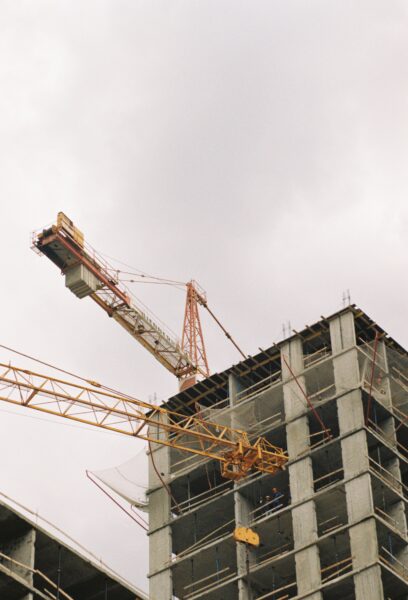
Across markets, builders are adopting pre-engineered metal buildings, mass timber, and modular construction to shorten schedules, reduce on-site waste, and improve predictability. These approaches enable faster occupancy for offices, residences, and data-center campuses while balancing quality and cost control. Design-build and BIM-enabled workflows continue to streamline integration among architecture, structure, and MEP systems, supporting lean practices and agile decision-making on-site. When evaluating methodologies, consider long-term maintenance, climate exposure, and retrofit potential for mass timber and modular solutions, as well as compatibility with local code requirements.
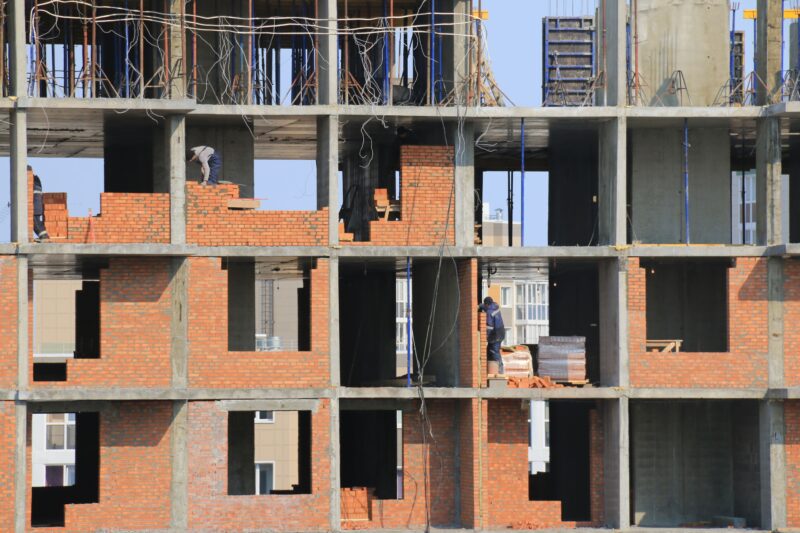
Water management and coastal resilience are central to many programs, with large-scale transfers, pumping, and canal networks shaping regional growth. Transit and mobility upgrades—whether high-speed rail, urban transit, or interchanges—drive safety, connectivity, and economic vitality. Coastal developments balance industrial activity with environmental stewardship and smart-city design principles, including storm-surge planning, drainage efficiency, and flood-spacing strategies.
Beyond headline megaprojects, routine construction activity remains robust. Demand for residential contractors and local construction firms continues to grow for home extensions, basement renovations, and interior remodeling, often paired with energy-efficiency upgrades. In the commercial sector, office renovations and design-build teams adapt to hybrid work, creating flexible spaces with rapid delivery timelines. Mass timber and modular solutions are increasingly deployed for mid-rise to large-scale projects, enabling earlier occupancy and durable performance. For reference on regional infrastructure programs, view ongoing municipal and campus projects such as Appalachian State University building physical infrastructure and UC Riverside active development projects.
When evaluating opportunities or monitoring dashboards, apply these criteria to ongoing work:
Industry professionals rely on scheduling dashboards, digital bidding platforms, and BIM-enabled workflows to keep projects on track. Practical tools include real-time progress tracking, vendor qualification processes, and integrated design-build environments that unify planning, budgeting, and field updates. Staying current with these platforms helps teams coordinate across offices, camps, and project sites while maintaining audit trails and accountability. For a practical toolkit, readers may consider exploring construction project management software to organize multiple concurrent projects.
We also reference state- and city-level infrastructure dashboards as examples of how ongoing programs are tracked in real time. For statewide projects, see the Colorado Department of Transportation active construction projects. For municipal-scale upgrades, the City of Knoxville Capital Improvements Projects page provides a parallel expansion narrative at a mid-sized city scale. Campus infrastructure programs, such as Texas State University facilities construction updates and Appalachian State University building physical infrastructure, illustrate university-led modernization efforts. An example of ongoing university expansion within the California system is UC Riverside active development projects.
Readers often ask where to find reliable updates and how sustainability is integrated. Here are targeted answers:
For project managers and teams, concrete actions matter:
As current top construction projects unfold, the industry will emphasize safety, efficiency, and sustainability. Expect ongoing emphasis on modular and mass-timber approaches, alongside transformative transit and urban-development initiatives. For readers curious about a project near them, consult local construction near me resources, official dashboards, and regional trade associations for the latest updates. For practical planning tools, consider construction project management software.
We’d love to hear your experiences and questions about active construction projects in your area. Have you participated in a public dashboard, watched a neighborhood transformation, or interacted with a design-build team? Share your thoughts in the comments or tell us about projects you’re tracking.


As we wrap up our look at the top construction projects happening right now, it’s clear that the construction landscape is buzzing with creativity and innovation. From breathtaking skyscrapers that redefine city skylines to sustainable housing models that prioritize the environment, these projects showcase the best of what’s possible when we embrace modern design and cutting-edge technology. If you feel inspired by these developments, don’t hesitate to share your thoughts and maybe even track the progress of these projects!
Whether you’re a construction enthusiast or simply curious about the latest in architecture, staying updated is essential! Make sure to follow along for more exciting insights and visuals by connecting with us on social media. Join our community on Instagram for a closer look at these stunning projects and to engage in conversations about the future of construction. We can’t wait to hear what you think!