
Yellowing is a sign of turf stress, not sudden death; read the pattern of discoloration to identify whether the cause is fertilizer burn, pet urine, drought and heat, micronutrient lockup, pests, disease, or compaction, then choose the targeted fix that typically produces visible recovery within 1 to 8 weeks.
How To Read the Yellowing Pattern
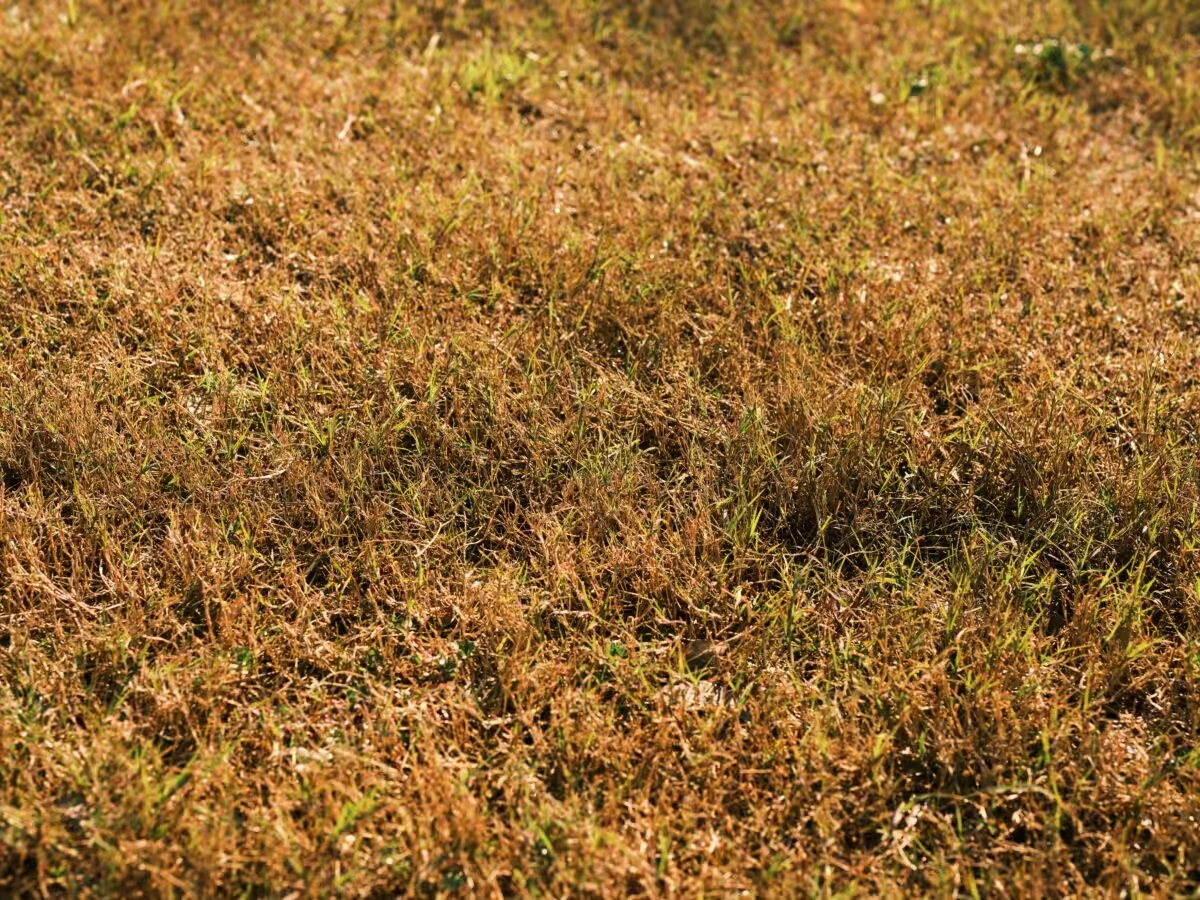
Walk the lawn and map where and when color loss appears. Localized sharp circles point to pet urine or chemical scald. Linear bands that match a spreader indicate fertilizer or herbicide issues. Even, faded color across the lawn during hot months usually signals drought stress or a nutrient shortage.
- Sharp-edged circles: rinse immediately and treat for urine or salts.
- Linear streaks: check spreader settings and recent product labels.
- New leaves yellow with green veins: suspect iron chlorosis or another micronutrient shortage and run a soil test.
- Patches that later brown and collapse: lift turf to check for grubs, spongy roots, or fungal matting.
For a fuller field guide to causes and simple fixes on this site, see Why Is My Grass Turning Yellow?, which summarizes how species, timing, and maintenance errors map to visible symptoms.
Diagnose Before You Treat
Start with a soil test that reports pH and micronutrients when yellowing is widespread or recurring; that single test removes much guesswork. Kansas State University’s Kansas State University Turf Diagnostics Guide describes a step-by-step approach: inspect patterns, check moisture and root health, test soil, and only then match a corrective treatment.
Collect plugs from multiple affected areas and compare root feel, color, and presence of insects before selecting fungicides, insecticides, or nutrient treatments. Submit samples to your extension service when identification is uncertain; misidentifying a fungus for a pest often leads to wasted treatments.
Fertilizer Burn: What To Do Immediately
When yellowing begins within days of feeding, soluble salts or rapid shoot growth that outpaces the root system are the likely cause. Stop any further feeding, then apply 1 to 2 inches of water over the area in one or two long cycles to flush salts below the root zone.
Expect visible improvement in 1 to 3 weeks for mild burns; severely scorched plugs or sod can take months to fully recover and may need reseeding or sod repair. For guidance on fertilization timing relative to rainfall, see this site’s recommendation on the Best Time to Fertilize Lawn Before or After Rain Explained.
Dog Urine Scald: Quick Containment and Repair
A fresh urine spot typically shows a yellow or brown center with a darker green ring. Immediately dilute with a strong stream of water to limit salt concentration. For recurring locations, create a designated relief area with gravel, artificial turf, or mulch to protect the lawn.
When soil has recovered from salinity stress, repair with sod plugs or overseed depending on grass type; expect visible turf cover in 2 to 8 weeks under normal conditions.
Identifying and Treating Iron Chlorosis
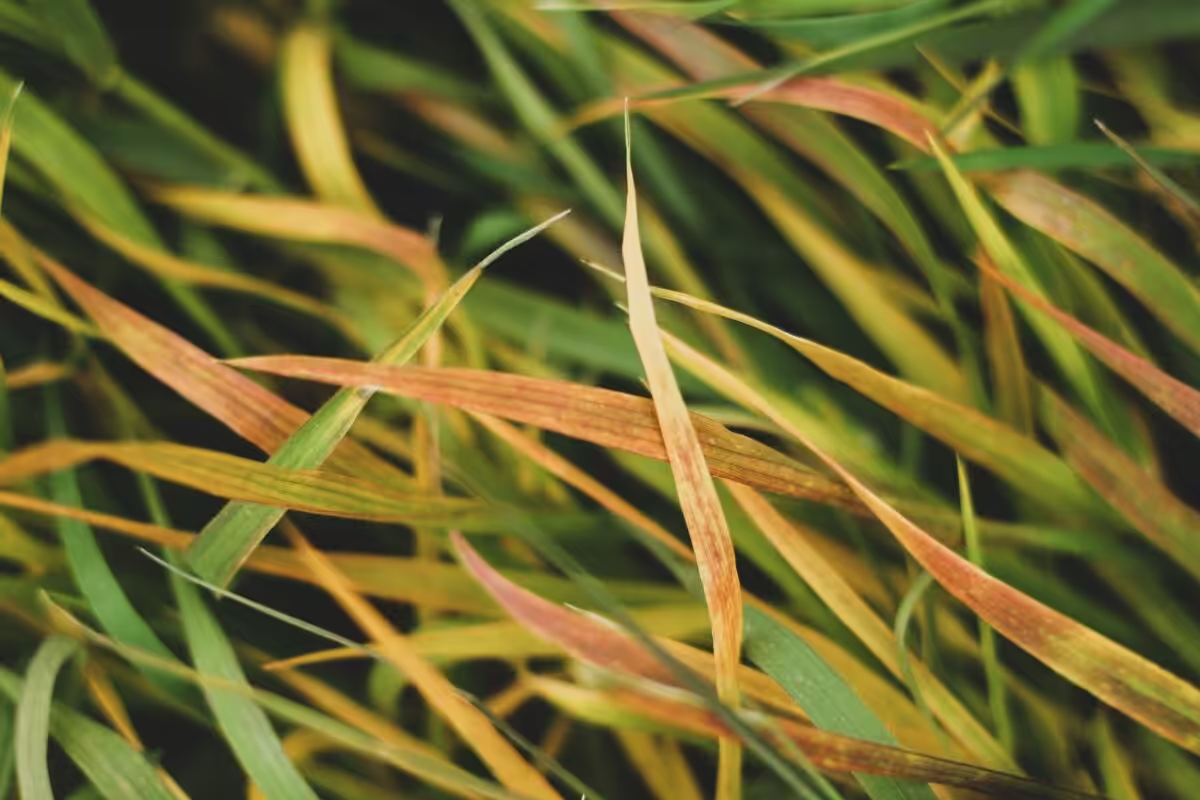
Iron deficiency produces yellow blades with green veins, most noticeable on new growth and on soils with pH above 7.0. A soil test that includes pH and micronutrients is the required first step because iron is often present but chemically unavailable on alkaline soils.
| Action | When To Use | Expected Response |
|---|---|---|
| Soil pH and micronutrient test | Uniform chlorosis or repeated treatment failure | Lab results in 1-2 weeks, then follow recommendations |
| Iron chelate foliar spray | Confirmed iron deficiency symptoms and short-term relief needed | Greening within 1-2 weeks after application |
| Longer-term pH adjustment and organic matter | When pH is consistently high or soils are low in organic content | Gradual improvement over months as availability increases |
For technical background on turf iron behavior and application details, see the University of Florida extension brief ENH1287/EP551.
Summer Yellowing and Better Watering Practices
When high temperatures and low soil moisture coincide, grass reduces growth and blades pale. The common maintenance error is frequent, shallow irrigation that keeps only the top inch wet and encourages shallow roots.
Water deeply and infrequently to moisten the top 4 inches of soil; on many soils this translates to a single 20- to 40-minute irrigation event twice per week, or roughly 1 inch of total water per week adjusted for rainfall and soil texture. For tools and methods to plan irrigation, consult the sprinkler installation and smart-controller guidance on this site’s How To Install a Sprinkler System page and profile of smart controllers like the Rachio review.
Pests and Diseases: Field Checks and When To Test
Lift small squares of turf in failing areas to inspect roots and crowns. White, C-shaped grubs in the root zone and spongy, easily pulled turf suggest root-feeding insects; a webby mat, concentric rings, or a greasy sheen on turf can indicate fungal pathogens.
If you find insects or signs of disease, save fresh samples and consult your regional extension before applying pesticides. Extension services recommend targeted control calibrated to the identified pest rather than calendar-based blanket sprays.
Unusual seasonal weather also changes pest and disease pressure; for a regional example of how a wet spring altered lawn color and management recommendations, see CSU expert answers about wet spring effects on Colorado lawns.
Species-Specific Notes: St. Augustinegrass
St. Augustine responds poorly to scalping and often shows iron chlorosis on alkaline soils. Avoid heavy quick-release nitrogen during peak heat; favor a maintenance calendar matched to warm-season grasses that spaces fertility, irrigation, and aeration through the growing season.
For a simple St. Augustine schedule of seasonal tasks and timing, see the NC State St. Augustine maintenance calendar.
Immediate Checklist: Actions to Take Today
- Map yellowing patterns and note recent activities or products used.
- If fertilizer was applied recently, water deeply to leach soluble salts.
- Dilute fresh urine spots immediately and create a designated pet area for frequent use.
- Probe soil moisture at 2-4 inches and move irrigation to deeper, less frequent cycles where needed.
- Collect a soil sample for pH and nutrients if problems are widespread or persistent.
The Clemson Home & Garden Information Center’s warm-season recommendations are a useful reference for timing and testing; see their St. Augustine guidance here.
Product and Purchasing Guidance
When a soil test indicates nutrient deficiency, choose a fertilizer formulation matched to the report rather than a generic high-nitrogen product. For shopping examples and product categories, browse the range of lawn fertilizer options to compare release types, N-P-K ratios, and specialty iron or micronutrient products.
For irrigation components and controllers that help implement deep, infrequent watering, review installation guides and smart-controller reviews on this site’s sprinkler and controller coverage.
When To Escalate: Diagnostics and Professional Help
Order a lab soil test or submit turf samples to an extension office when yellowing is unexplained after the immediate fixes. If insect or virus-like mosaic symptoms appear, preserve tissue samples and get a professional identification before treating. For a first step in submitting questions, the national Ask Extension portal connects homeowners and professionals to diagnostic help.
Conclusion: Targeted Fixes Work Faster Than Broad Treatments
Match the treatment to the diagnostic pattern: flush fertilizer salts, dilute urine, apply iron only when tests support it, and convert to deep, infrequent irrigation for drought stress. If an expected improvement does not appear within the timelines above, expand testing and consult local extension or a landscape professional to avoid unnecessary products and to protect long-term turf health.
For complementary how-to articles and local service information on irrigation, watering strategy, and lawn maintenance, see related coverage on this site: The Grass Is Greener Where You Water It, Best Time to Fertilize Lawn Before or After Rain Explained, and How To Install a Sprinkler System.
For guidance specific to drought-induced bleaching and how to recover turf color with adjusted irrigation, see Let your lawn go blonde: drought stress and grass color.
Why your LAWN is YELLOW & DYING - EASY FIX that works FAST!:
Seasonal Stressors: How Weather Affects Grass
Your lawn’s yellowing might be seasonal. Warm-season grasses like Bermuda turn yellow as fall approaches due to their natural dormancy. On the flip side, cool-season grasses can struggle during extreme summer heat.
Spring weather fluctuations can also be problematic—St. Augustine grass, for example, may face disease during inconsistent temperatures. Learn more about diagnosing specific issues with St. Augustine grass by checking out this detailed resource. Avoid scalping your lawn (cutting grass too short) during these transitional periods as this shocks the roots, leaving behind unsightly yellow patches.
Action Tip:
- Mow cool-season grasses to 2.5–3.5 inches during hot periods.
- Avoid scalping Bermuda grass in spring—keep it at a healthy height of 1–2 inches.
Nutrient Deficiencies: Feed Your Lawn Correctly
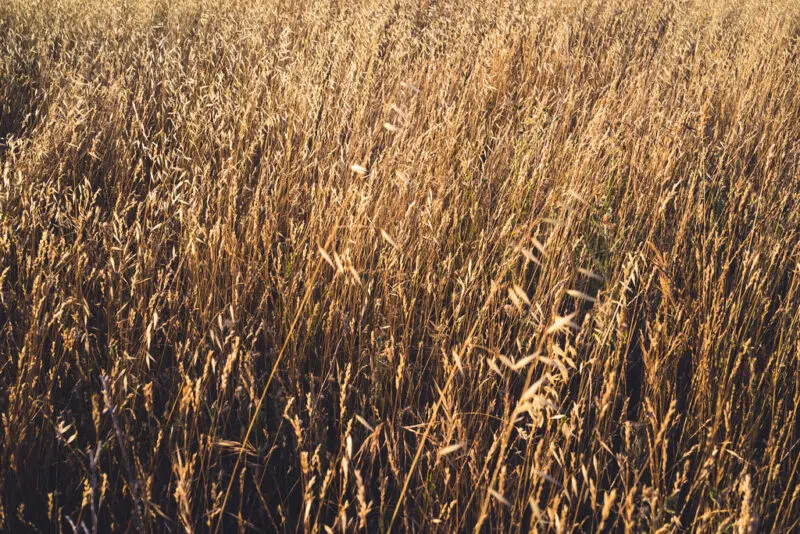
Grass, like any living organism, needs its nutrients—and yellowing often signals a deficiency. Iron and nitrogen shortages are frequent culprits. Heavy rainfall or overwatering can leach these nutrients from the soil, leaving your grass struggling to keep its vibrant color.
Action Tip:
Test your soil to identify what’s missing. Apply fertilizers rich in iron or nitrogen to support healthy growth, but don’t overdo it—excess fertilizer can scorch your grass.
| Cause | Symptom | Solution |
|---|---|---|
| Iron Deficiency | Pale yellow grass | Apply iron-rich fertilizer |
| Nitrogen Deficiency | Yellow patches, slow growth | Use a nitrogen-based fertilizer |
Poor Watering Practices: Too Much or Too Little?
Watering mistakes are a major contributor to yellow lawns. Overwatering can suffocate grass roots, while underwatering leaves them dry and brittle. Overwatering may also foster fungal diseases like lawn rust, which creates orange or yellow patches.
Action Tip:
Water deeply but infrequently. A good rule of thumb is about 1–1.5 inches of water per week, including rainfall. For shallow root systems, consider aeration—this reduces waterlogging and promotes healthy root growth. Explore various fibrous root examples of grasses to better understand their nutrient needs and water requirements.
The Burn Factor: Pet Urine and Chemicals
If yellow spots appear after your dog spends time on the lawn, the culprit is likely urine. High nitrogen levels from pet waste can burn the grass. Similarly, accidental chemical spills, like gasoline or herbicides, may harm your lawn.
Action Tip:
Immediately flush affected spots with water or a small dish soap solution. For pet-related damage, consider training your furry friend to use a designated area, or dilute their urine by keeping them well-hydrated.
Mowing Mistakes: Blade Height and Sharpness Matter
Improper mowing can seriously stress your grass. Cutting it too short weakens the root system, while dull mower blades tear rather than slice, leaving jagged edges prone to disease. Wet grass or cutting during the wrong time of day can also cause clumping and discoloration.
Action Tip:
Mow only when grass is dry, keep blades sharp, and aim for a consistent height of 2–3 inches depending on your grass type. For a closer look at effective lawn care tools, consider reading about the differences between a scarifier and a dethatcher.
Soil Compaction and Lawn Aeration: Breathe New Life Into Your Grass
Compacted soil restricts air, water, and nutrients from reaching the roots, causing grass to weaken and yellow. You’ll notice water puddles instead of soaking into the soil, a clear sign of poor aeration.
Action Tip:
Aerate your lawn at least once a year to relieve compaction. For persistently problematic areas, consider filling low spots with sand or dirt to improve drainage.
Take Preventative Measures for a Yellow-Free Lawn
Keeping your lawn in tip-top shape is all about prevention. Follow these tried-and-true practices to stop yellow grass from becoming an ongoing battle:
- Regular Soil Testing: Make fertilizer adjustments based on your lawn’s specific needs.
- Seasonal Care: Use different strategies for cool vs. warm-season grasses.
- Weed Control: Use broadleaf weed killers or consult a professional to minimize competition for nutrients.
- Consistent Maintenance: Mow at proper heights, water wisely, and aerate regularly.
If your lawn continues to yellow despite your efforts, you might find additional insights in this comprehensive guide on lawn problems.
Finally, if your lawn continues to yellow despite your best efforts, consult a landscaping professional to identify any underlying problems.
What’s your biggest lawn care challenge? Drop a comment below—we’d love to hear your tips or questions!
Lawn Aerator Roller with T-Handle
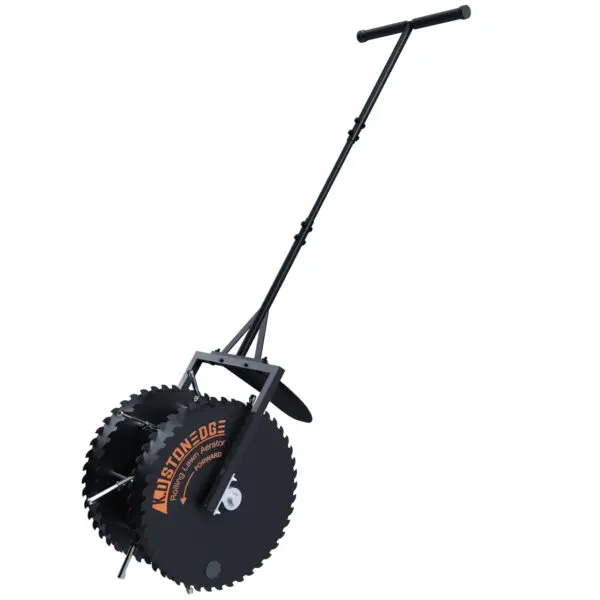
Transform your lawn care routine with our Lawn Aerator Roller. Designed for ease and efficiency, this aerator features a sturdy T-handle for comfortable operation and sharp steel spikes to effortlessly penetrate the soil, enhancing air flow and nutrient absorption. Ideal for compacted earth, this tool promotes a healthier, greener lawn without the hassle. Lightweight and durable, it's perfect for DIYers and garden enthusiasts aiming for professional results. Give your grass the boost it needs today!
Nexx Sea-K Concentrate Stress Reducer, Bloom and Root Enhancer
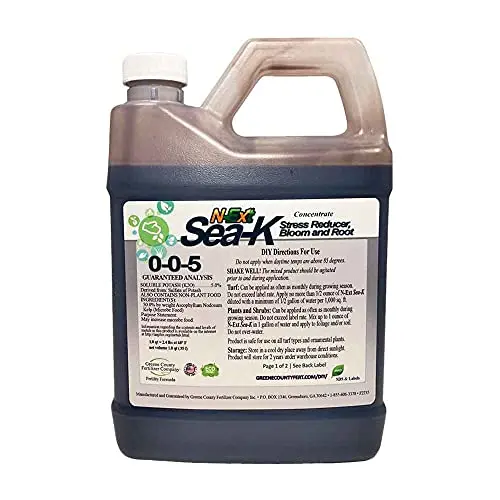
Unlock the potential of your plants with Nexx Sea-K Concentrate. This all-natural formula is designed to reduce stress while promoting vigorous blooms and robust root growth. Perfect for both indoor and outdoor plants, it supports a healthy, vibrant garden. Easy to use, just mix and apply for stunning results in all seasons. Enhance your gardening experience with this powerful, eco-friendly solution.
Luster Leaf Rapitest Soil Test Kit - 40 Tests
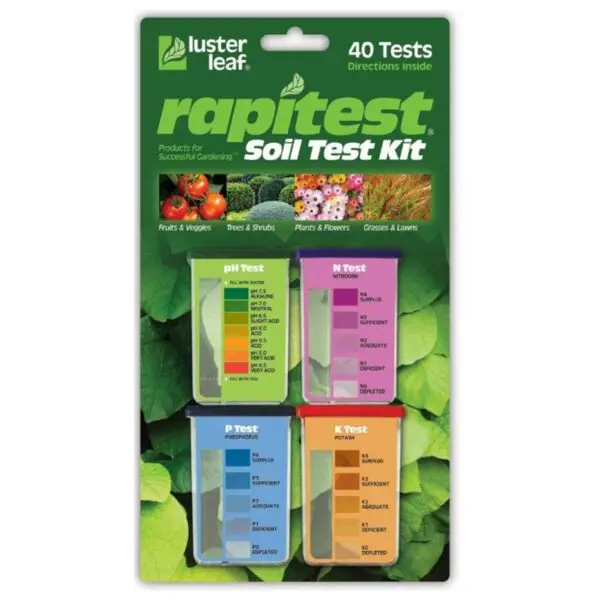
Ensure your garden thrives with the Luster Leaf Rapitest Soil Test Kit. It offers 40 easy tests for pH, nitrogen, phosphorus, and potash levels, helping you understand and optimize your soil conditions. Ideal for fruits, veggies, trees, and flowers, it's your go-to for healthier and more productive plants. Get precise results with simple directions to guide your gardening success. Perfect for both novice and experienced gardeners!
As you tackle the challenge of bringing your lawn back to life, remember you're not alone in your journey to lush greenery. We love seeing your progress, so why not share your before and after photos with us? Follow along and get inspiration on Pinterest, or catch behind-the-scenes peeks as we explore other exciting home improvement tips on Instagram. And for those of you who enjoy a good chat, join our community discussions over on X or our Facebook page. We're eager to connect with you, share ideas, and help keep your lawn—and all your projects—thriving. Happy gardening!
Can yellow grass regain its green color?
With the right fertilization, your yellowing lawn can return to its lush green state and maintain its healthy look. Yellowish patches in your otherwise vibrant turf can be caused by several underlying issues.
What steps can I take to revive yellow grass in my lawn?
HOW TO REJUVENATE YOUR YELLOW LAWN:
1. Fertilize appropriately.
2. Control insects using expert treatments.
3. Aerate your lawn for better root health.
4. Reseed through overseeding techniques.
5. Apply lime to adjust the lawn's pH balance.
Is yellow grass a sign of overwatering?
Yellow or limp grass may indicate overwatering, which can drown the roots. This drowning effect impairs the grass's ability to absorb essential nutrients and oxygen, leading to its yellowing.
Which fertilizer is best for yellow grass?
A 10-0-20 fertilizer, rich in 10% iron, can help bring back the deep green color of your lawn. This particular blend is highly effective for reviving yellow grass.
When grass turns yellow, it can be attributed to a range of factors from improper watering to nutrient deficiencies. Understanding the specific cause is essential for restoring your lawn's health. Regular maintenance, including proper fertilization and appropriate irrigation practices, can help prevent discoloration and promote a lush, green lawn.
More from Architecture Adrenaline
For additional insights into lawn care and related topics, visit our social media channels. You can find valuable information and tips on our Instagram page.